@DeborahMeaden@BBCDragonsDen Yes, enjoying this series. You look fab, really stylish, love your hair like that. Where can I get a necklace like yours? ❤️
@AldiUK just seen the recall for your vegan bai buns which may contain duck! Is this all of them? How can I tell? I have eaten half a pack and am absolutely devastated that I may have eaten meat
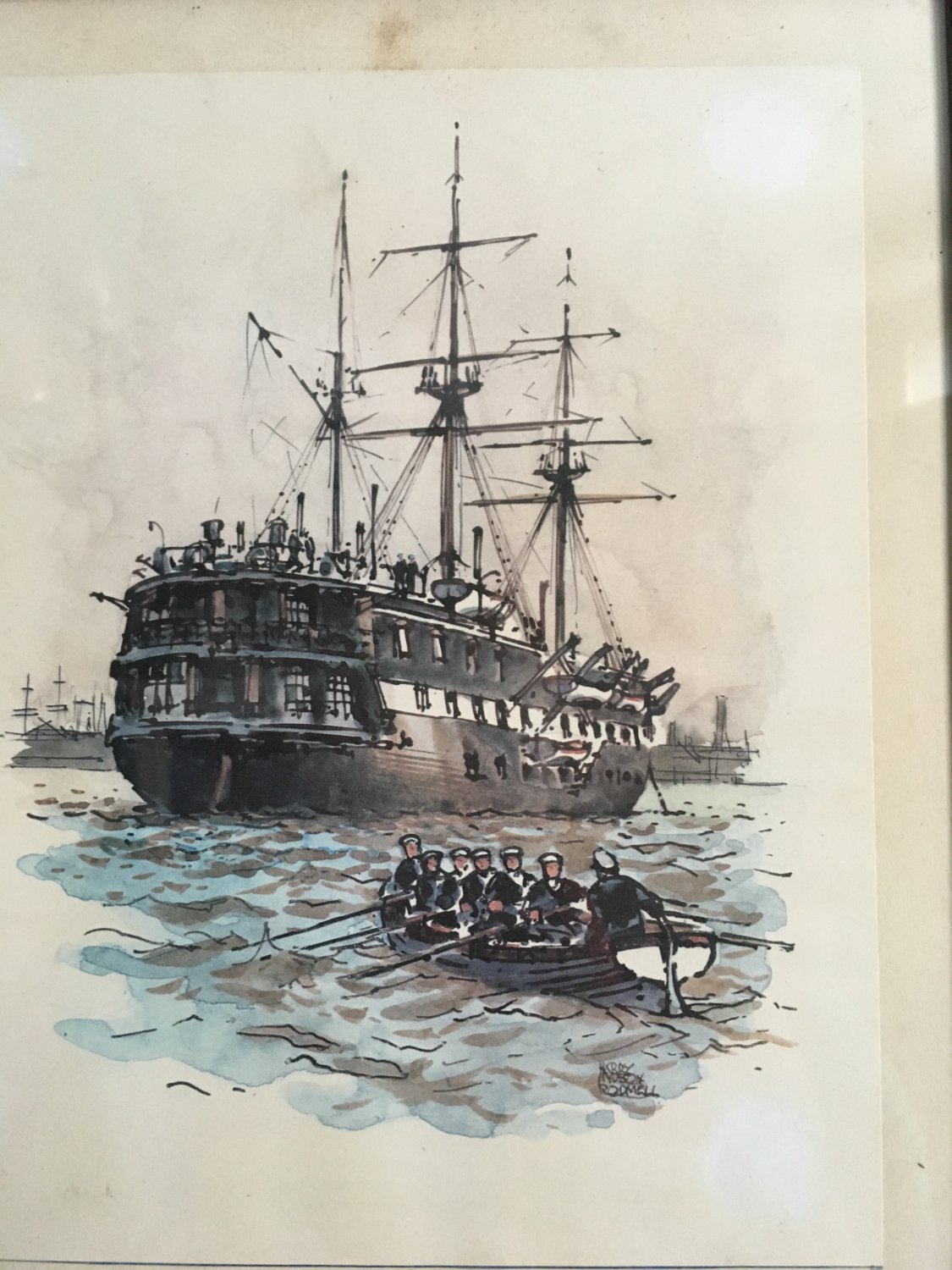
Spike Island Cork was the largest prison in the world in the early 1850's.
It wasn't just men within its walls.
Boys as young as 12 made up 10% of the population.
Here are some of the stories of Ireland's youngest ever offenders 🧵 (1)
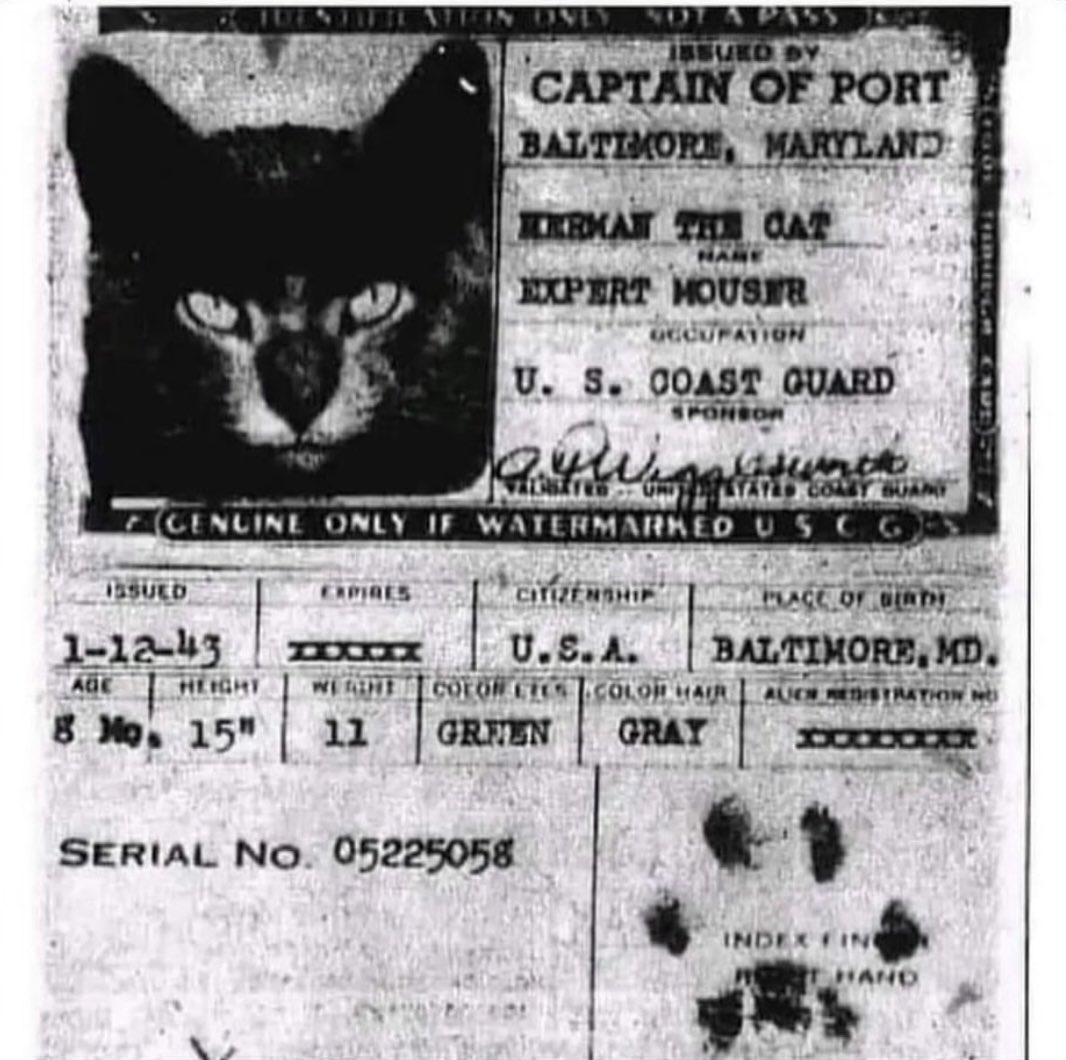
During the mid-20th century, cats played an important role on ships as skilled rodent catchers. Sailors realized that having cats aboard helped control the population of rats and mice, which were notorious for damaging supplies and spreading diseases. These ship cats became valued members of the crew and were even given passports to acknowledge their contribution and ensure their safety during international travels.
The passports for ship cats were a unique and lighthearted tradition. While they didn't serve any legal or official purpose, they were created to recognize the cats' role and provide a form of identification. The passports typically consisted of a small booklet with pages that included the cat's name, description, and an area for their paw print.
When it was time to depart or dock in a foreign port, the ship's captain or crew members would present the cat's passport to the authorities as a fun way to document the feline's presence onboard. The cat's paw print, obtained using ink or paint, was added to the designated page, providing a personalized and whimsical touch to the document. This practice not only amused the sailors but also showcased the camaraderie they shared with their feline companions.
While these ship cat passports were not legally recognized, they symbolized the close bond between humans and their feline shipmates. They served as a reminder of the cats' essential role in maintaining a clean and rodent-free ship, thus safeguarding the crew's provisions and health during long sea voyages.
However, as the mid-20th century progressed and maritime practices evolved, the reliance on ship cats diminished with the advent of more effective pest control methods. With the decline in the need for ship cats, the tradition of issuing passports gradually faded away. Nevertheless, the memory of these seafaring felines and their unique passports continues to fascinate and entertain those interested in maritime history and the unique relationships forged between humans and animals at sea.
It’s 2 years since we started the one place study on the village of Owston Ferry, we have a Facebook group of 295 members and regularly post old photos & snippets of history. Link in comments #owstonferry#oneplacestudies#localhistory
Passed my viva today! Thank you to my examiners for an interesting & challenging discussion and to my wonderful supervisors @ourcriminalpast & @RachelSRich I couldn't have done it without you. Also thanks for the support from @becketthistory and @NECAHpostgrads
We need your help to spread the word...
The Big #ButterflyCount has started! Please retweet so we can make 2022 the biggest count ever! 🦋
Download the app or free chart to help Sir David Attenborough save butterflies 👉 https://t.co/mtv6gZ0dPN
#CountThemToSaveThem
The Big #ButterflyCount has officially started! 🦋
Our butterflies need our help more than ever. This is why we are urging everyone to #CountThemToSaveThem to help us conserve them! 💚
Get involved 👉 https://t.co/2y19tFjWxh
#SaveButterflies