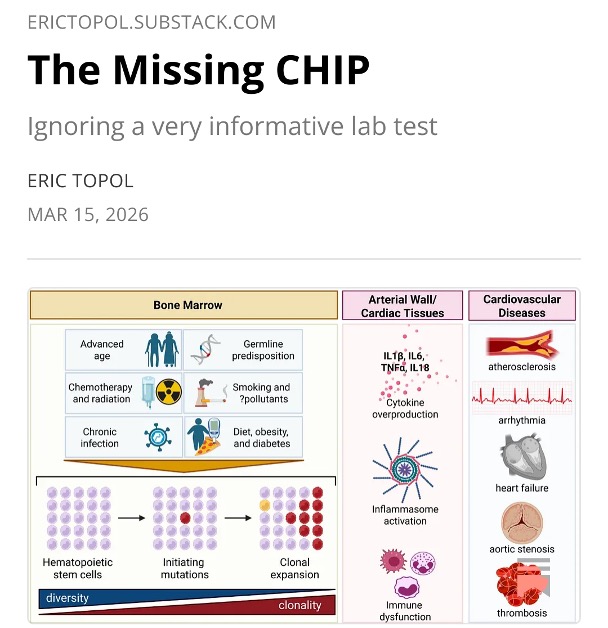
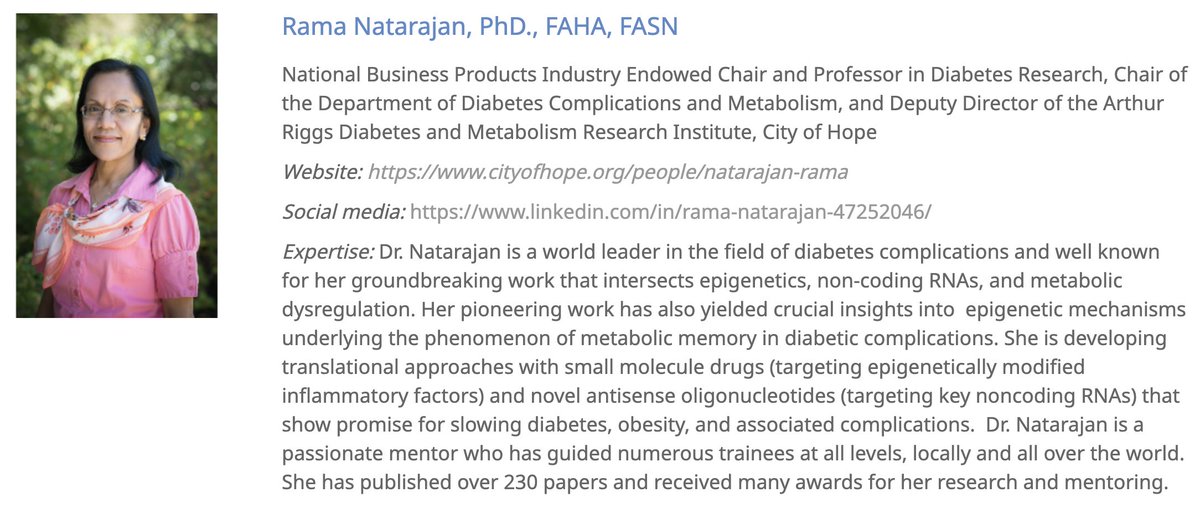
Loved working with and learning from so many #CHIP experts. Grateful for the leadership and guidance of @pnatarajanmd.
The field is rapidly evolving - an incredibly exciting time! Looking forward to future work incorporating #CHIP into clinical care!
@AHAScience@cityofhope@broadinstitute
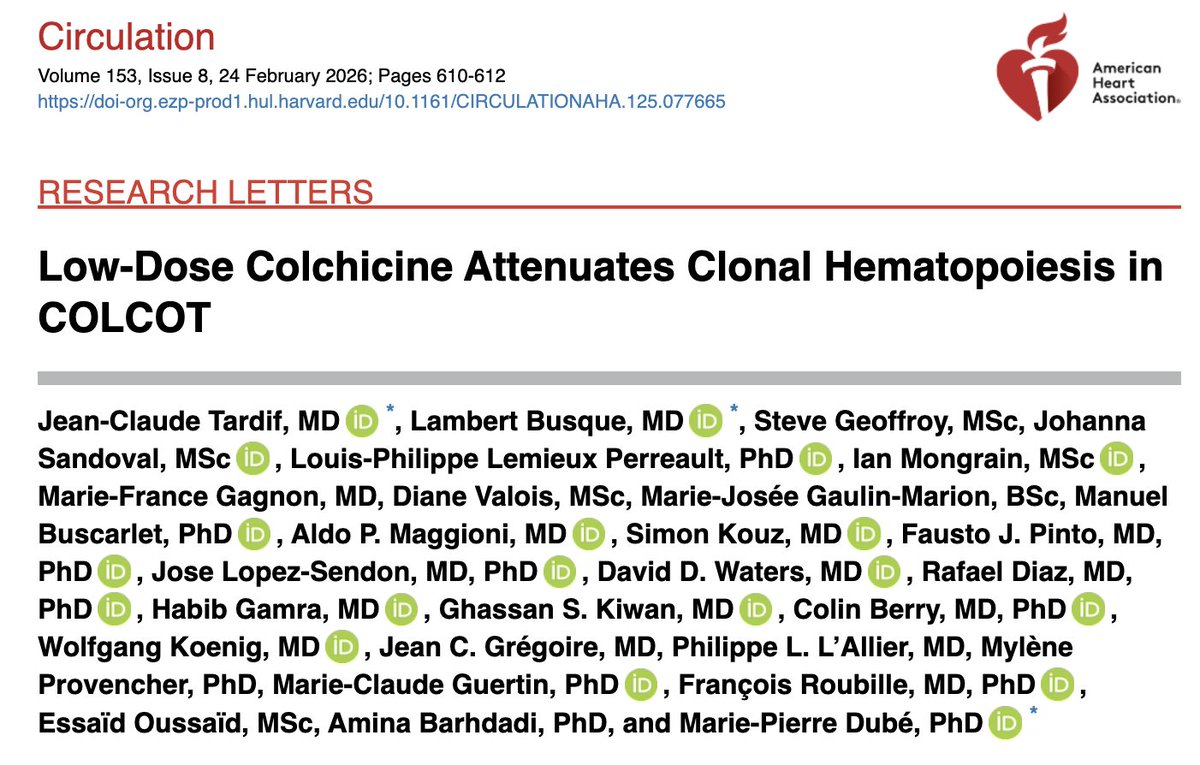
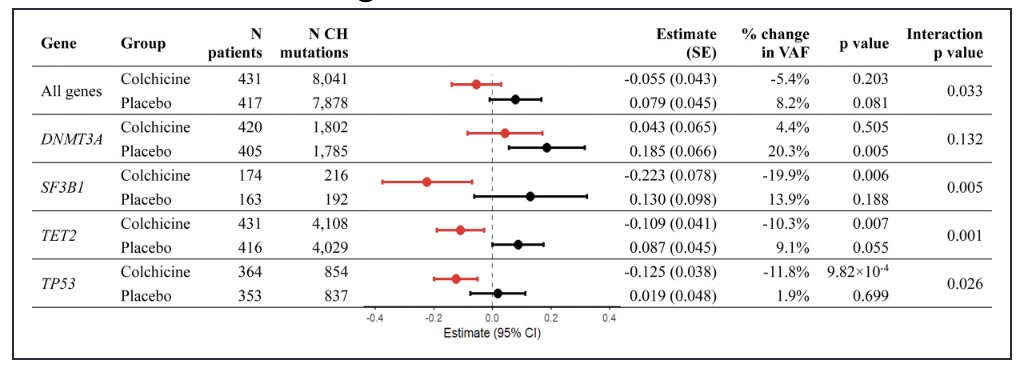
Colchicine reduces competitive advantage of clonal hematopoiesis (esp TET2) in COLCOT https://t.co/wMIcosft6q @CircAHA
Similar to LoDoCo2 https://t.co/exEn0M5RcW @JACCJournals
Our prior work in mice & human biobanks suggests that colchicine may be effective in reducing TET2 CHIP-associated CVD risk https://t.co/zdy8Ls7EDc @ESC_Journals
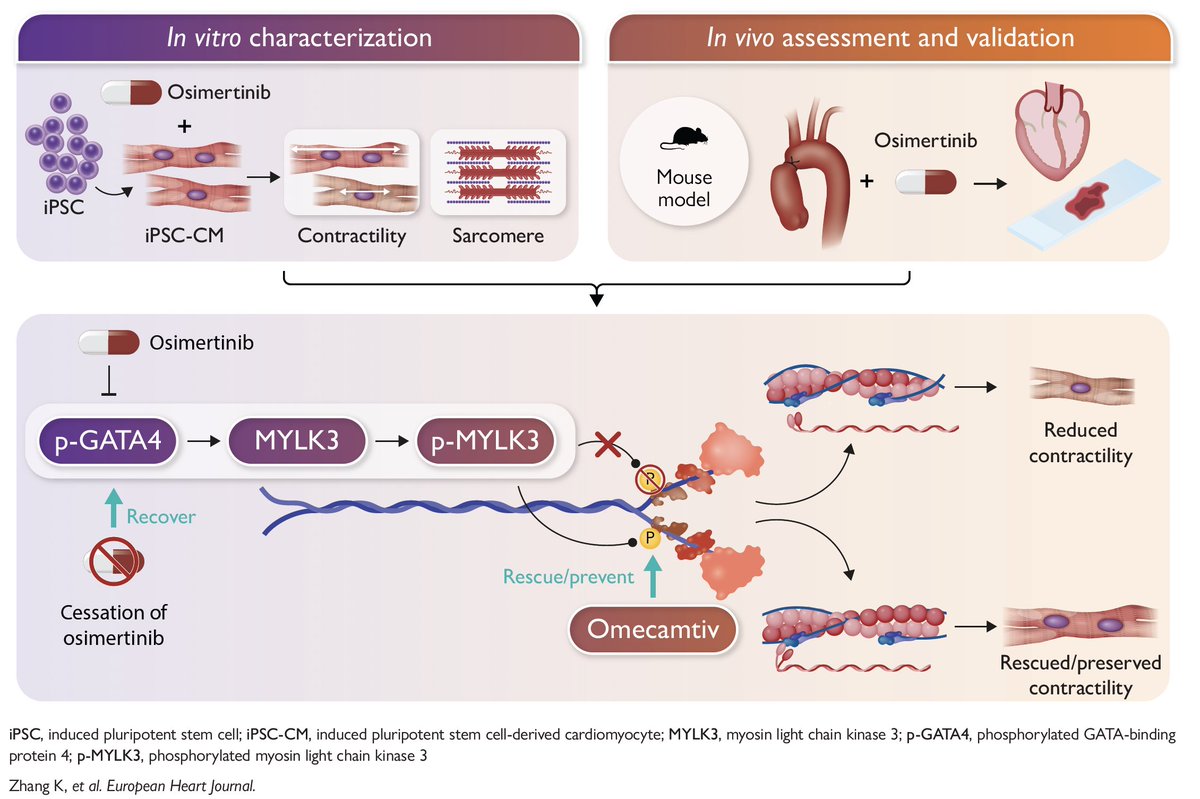
It should never be a choice between treating cancer or protecting the heart. Our new study in #EHJ, co-led by @zhaowang4695, identified the mechanism of osimertinib cardiotoxicity and a new targeted treatment.
Translational medicine driving innovation in #cardiooncology! Great work, #KaiZhang! @cityofhope
https://t.co/x3i0Fwjj9x
It was an honor to be a part of this fantastic podcast series. You’re a gifted interviewer who leads by example. @cityofhope and the countless mentees you’ve influenced are fortunate to have you.
In this exploratory analysis, Tx w/ low-dose colchicine was assoc w/ an attenuated annual clonal growth in TET2 CH. Findings suggest potential for colchicine to curb proliferative advantage of key CH driver mutations https://t.co/QipRX2Dn6U
#ESCCongress#WCCardio#JACC@mchonig
The risk of MDS/AML w/ CHIP is well established.
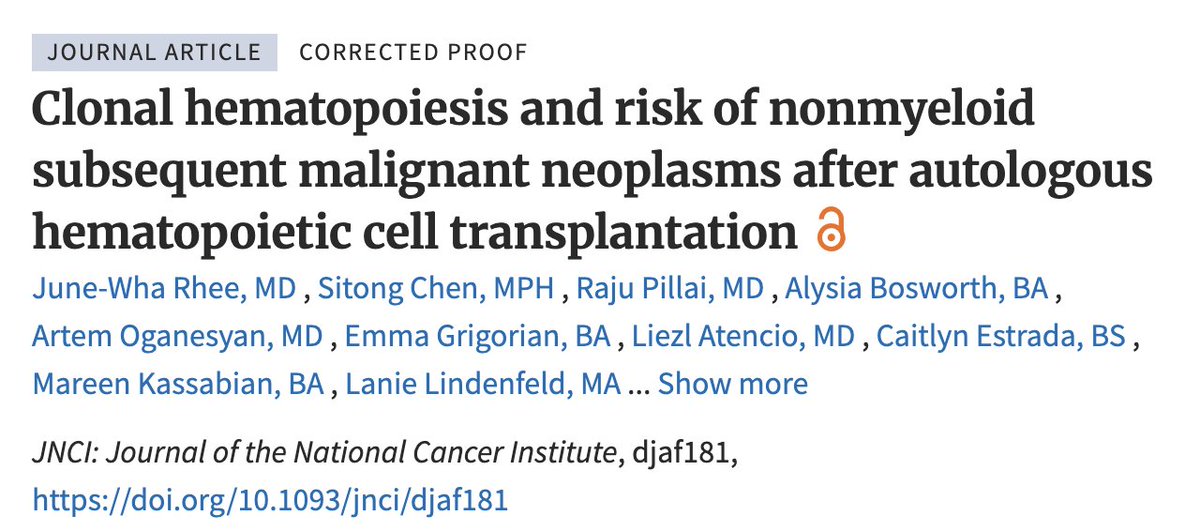
But our data show CHIP also raises risk of non-myeloid solid cancers after auto-HCT.
Key takeaway: CH isn’t just about CVD or AML/MDS. It also drives risk for secondary solid cancers after HCT.
New chapter in our #CH journey!
In 1,931 auto-HCT pts, CH was linked to a 2-fold ↑ risk of nonmyeloid subsequent cancer (SIR = 1.9). In multivariable analysis, CH remained an independent risk factor (HR = 1.72, 95% CI 1.15–2.59). Beyond CVD, CHIP shapes long-term solid cancer risk among autologous HCT recipients. @ArmenianSaro@cityofhope https://t.co/GXOs2JKGQ5
In our recent studies, CHIP was common (~20%+) in our cohort of HCT recipients & associated with markedly ↑ risk of non-relapse mortality. CVD however didn’t fully explain the risk… so we asked: does CHIP also predispose to secondary cancers after HCT?
A true legend in the field of hematology/oncology. Dr. Stephen Forman was involved in the seminal studies of BMT for hematologic malignancies & evolved into a pioneer of CAR-T cell therapy. There are literally dozens of faculty at @cityofhope & beyond who consider him to be their most influential mentor. This podcast is a must-listen! @TDorffOnc@SaulPriceman@ArmenianSaro@stacywgray
Germline genetic variation has been linked to both hematologic cancer and clonal hematopoiesis. But does germline variation influence the likelihood of CH progressing to cancer? And if so, why? We tackle these questions here in @NatureGenet
https://t.co/oICxxJHhI3
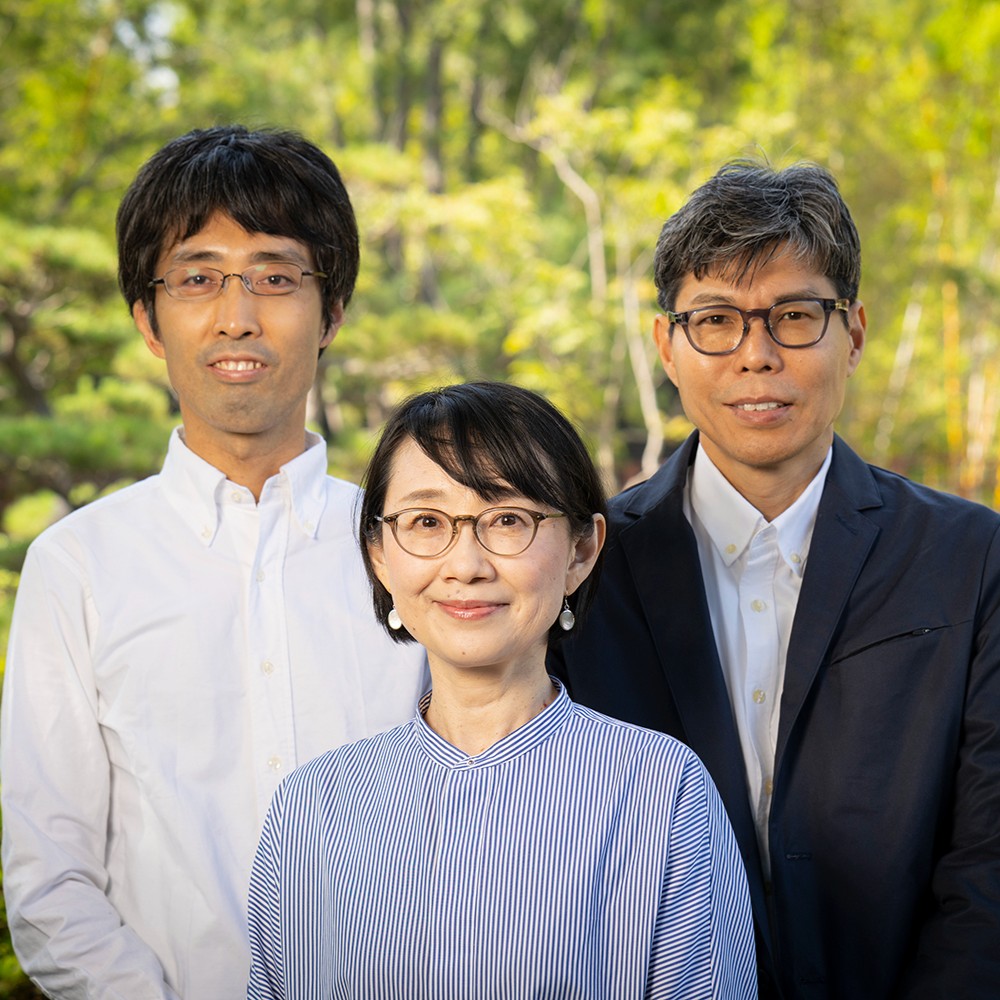
We’re honored to welcome world-renowned microbiome expert Kenya Honda, M.D., Ph.D. and his research team, to @cityofhope. In partnership with @KeioGlobal, this global collaboration will advance microbiome science and speed breakthroughs in immune-based therapies.
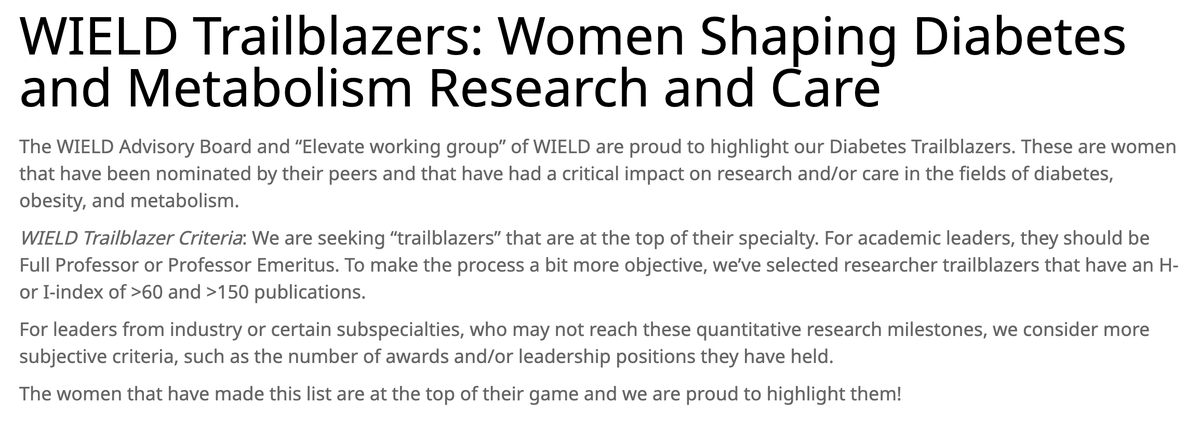
Congrats to my mom @RamaRNatarajan for being named a WEILD (Women Elevating and Inspiring Leadership in Diabetes) Trailblazer!
https://t.co/3fqnvFbkNT @cityofhope
🚨 New paper in @NatureGenet !
How does cancer chemotherapy reshape the HSC landscape and drive the evolution of therapy-related myeloid neoplasms? We uncovered this process through single-colony WGS! See the full paper here! https://t.co/9yRp64w81P
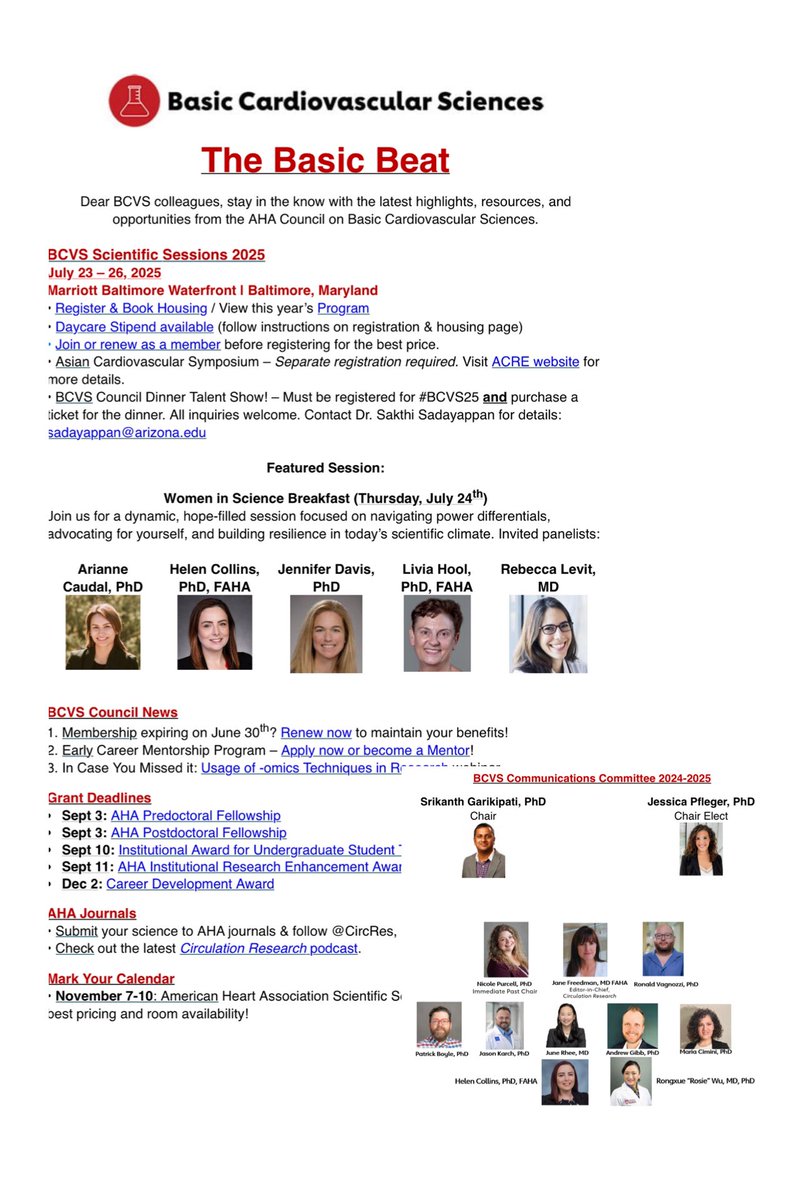
For all your BCVS related news, check out the latest Basic Beat newsletter that should have arrived in your inbox this week. If not, this is your sign to sign up for an AHA membership and to select BCVS as your council of choice!