NEW: @deray@HendersonKaya @DeAraBalenger & @pharaohrapture chat crime decrease with shortage of police officers, the small group of conservative doctors behind restrictive abortion policies, and more. DeRay interviews @JustinLSimard about @CitingSlavery https://t.co/GjfVQd6hGD
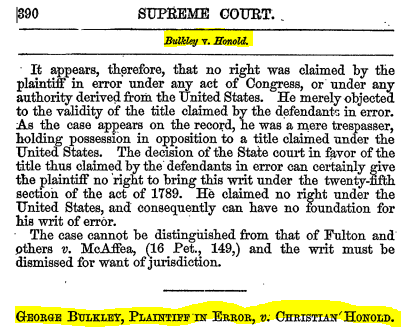
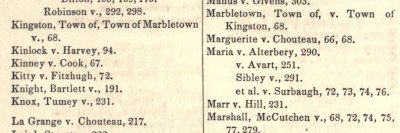
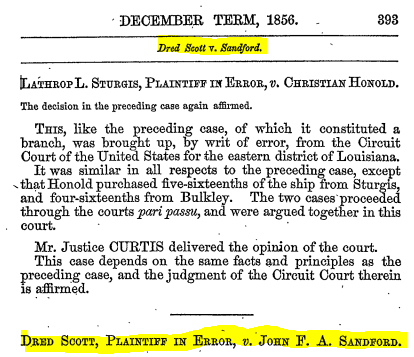
Judges and lawyers commonly cite to cases involving slavery for good legal precedent, but in 80% of the cases identified by the Citing Slavery Project’s researchers, there is no mention of the original case involving slavery, per @JustinLSimard.
https://t.co/kSK2QUdFf1
Cases involving enslaved people are still being cited as precedent: 18% of all published U.S. legal cases are within two steps of a slave case, @JustinLSimard says.
His team @CitingSlavery is pushing for change, starting with footnotes.
Read/listen:
https://t.co/1m3y3PvcaZ
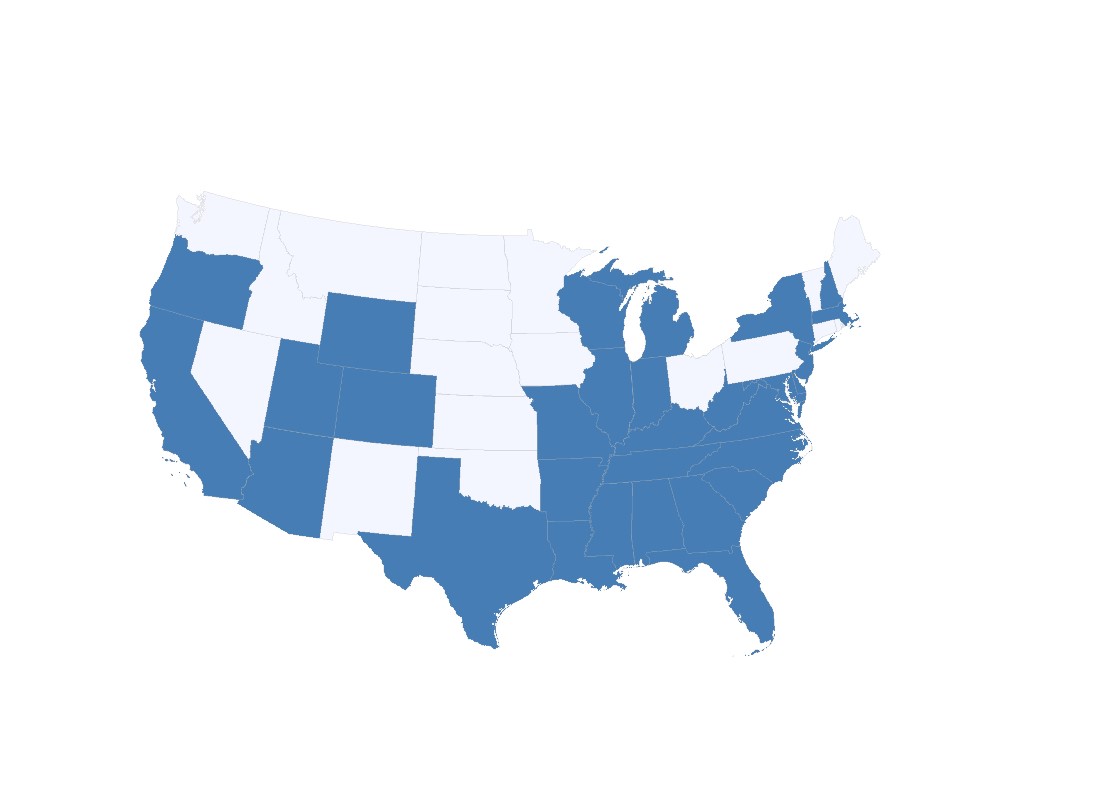
@JayEllGii@AP It happens more than you think. The @CitingSlavery Project has found examples of citations to slave cases in all of these states in the last 35 years!
@pppioe@AP Judges across the country still treat slave cases as good law, sometimes without even acknowledging that the cases deal with enslaved people. At the @CitingSlavery we're documenting this trend and exploring the continued legacy of the law of slavery.
Anna Maxwell, a first-year law student, just finished collecting more than 1,000 Virginia slave cases (including the ones cited in this opinion). They will be uploaded to our site soon. In total, these cases have been cited more than 12,000 times.
Although this case may seem like an outlier, a reliance on the law of slavery in modern judicial opinions is surprisingly common. My research has turned up more than 300 examples of courts citing slave cases as good law in the last 35 years.
A Virginia judge ruled in a preliminary opinion that frozen human embryos can legally be considered property, or “chattel,” basing his decision in part on a 19th century slavery law. “It’s repulsive and it’s morally repugnant,” a lawyer said of the ruling. https://t.co/siz6zzJIxc
At the @CitingSlavery Project, we're working to make the ongoing legacy of the law of slavery visible. Visit https://t.co/HUjWiyTbwG to see the cases a team of @MSULaw student editors and I have collected.
@djsziff@realbluebook I need to look into this more, but I'm pretty sure it's the slavery connection. Compare the citation in the official reporter to the previous not involving an enslaved person.
@smccurry3 It's still a work in progress, but the goal is to have a database of all of these cases. (Right now it focuses on cases that have been cited recently.) We're going to add another 3000 cases soon!
@MJSteilen @dsfarbman Yep! I started with private law cases since they get less attention. We're working on making it comprehensive. (The student editors on the project have already compiled 3000 cases to add.)
@bdproctor That's exciting! Please let me know what you end up doing. We're thinking about adding some lesson plans to the site and it would be great to hear your ideas.
@bonuchilaw I hope this also means that Missouri courts will reconsider the precedential value of cases involving enslaved people. My research turned up a citation by the Missouri Court of Appeals as recently as 2016.