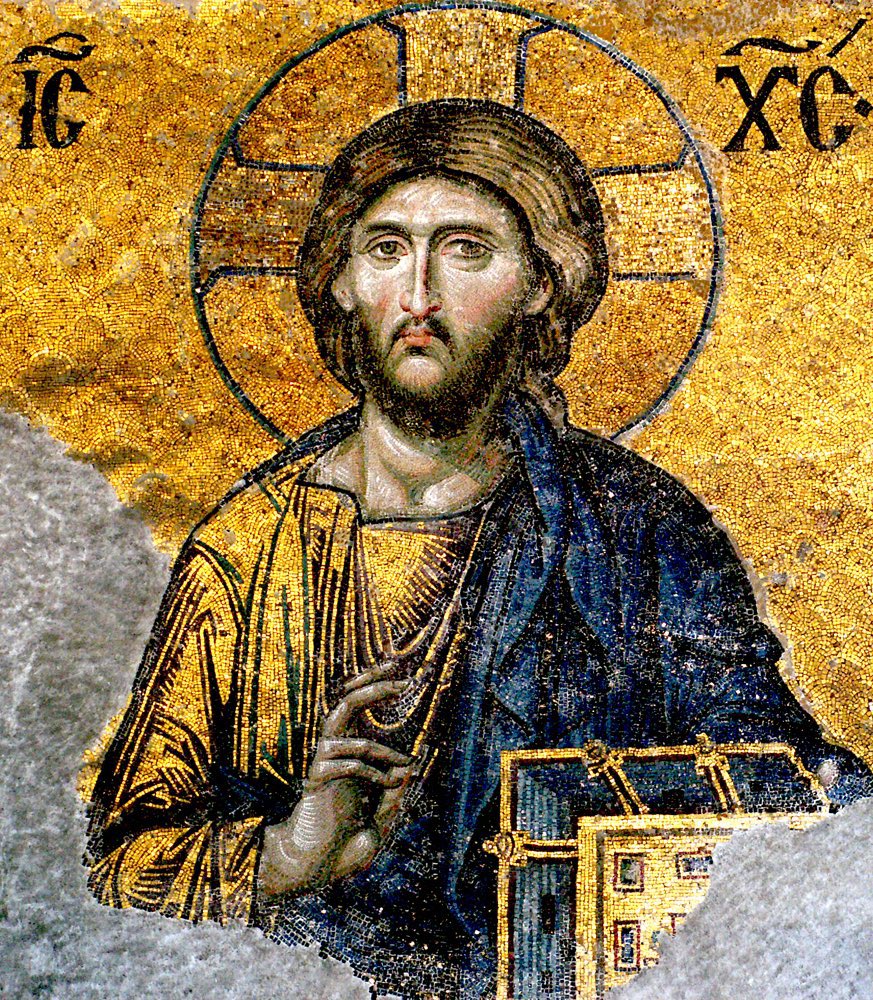
@Froyd369@frater_dt Orthodoxy and the Religion of the Future is a great book about the ecumenical movement in masonry and other religious organizations
@frater_dt@Froyd369 Tubal Cain, was he a good guy in the Bible , what about his dad Lamech? Did they descend from Cain, why did God flood the world, what are nephilim? What are the things found after the flood by Hermes and Pythagoras that jubal and tubal preserved?
@frater_dt@Froyd369 No I am more pointing to something rotten at the philosophical core of the craft. You dodged the point that the allegory changed to Solomon from something else. I have been regularly initiated, passed and raised…I think I know since I’ve been invited.
@frater_dt@Froyd369 I think you are fooling yourself, there are people who are in SRICF or Martinist or Elu kohen or any other white “magical” order that are also in other groups like the jesters. Further there was a Masonic myth before Solomon was used for the 3rd degree. Flood knowledge.
@frater_dt@Froyd369 I dislike how you speak from both sides of your mouth, you acknowledge there are invite organizations masons never know exist that have nefarious functions like the jesters and yet you fail to see it undermines your point drastically. You just are not invited.
I love the brutal honesty of Orthodox Christianity.
Our parish priest warned us before we decided to be baptized:
“Don’t become an Orthodox Christian because you think it will make your life more comfortable or prosperous, because two millennia of Orthodox Christian history tell us to expect exactly the opposite. Become an Orthodox Christian only if you believe it’s the Truth, and only if you’re willing to suffer the consequences of embracing the Truth.”
Orthodox Christians do not advertise Orthodox Christianity as a product that will provide certain promised benefits—a closer family, a better salary, a less difficult life, or whatever. There is no “Prosperity Gospel” in Orthodox Christianity.
Orthodox Christianity honestly acknowledges that life inevitably involves pain and suffering, but shows us how Jesus Christ can transform our pain and suffering into personal transformation and sanctification.
A bookshelf crashes down on a hermit nun. And the one who comes to complain… is the devil.
The Giumalău Mountains, Romania. Night. St. Elisabeta is resting in her hermit's cell. Above her bed hangs a shelf of books.
Suddenly, the shelf gives way. The books fall on her.
She doesn't cry out. She doesn't look for someone to blame. She doesn't raise reproachful eyes to heaven. She only says, quietly:
"I, the unworthy one, am to blame. I didn't know how to put it up properly."
Then the enemy appears to her. Not triumphant, but baffled, almost offended: "Couldn't you have blamed me? Did you have to blame yourself?"
The devil can knock down shelves, but he cannot stay in a heart that humbles itself.
And this is no tale from the ancient Desert Fathers. St. Elisabeta of Pasărea reposed in the Lord in 2014. She taught the nuns: "Let us never put the blame on anyone, neither on people nor on demons."
Go back to the Garden of Eden. God seeks Adam, and Adam points at Eve: "The woman You gave me…" Eve points at the serpent. Two fingers pointed at others, and a gate swings shut.
Paradise was lost by a finger pointed outward. It is won back by a hand placed on one's own chest.
Abba Dorotheos taught that all our turmoil comes from one thing: we do not reproach ourselves. When we look for someone to blame, we lose our peace. When we take the blame, we make room for grace.
Humility is not weakness. It is the one weapon the devil never learned to wield, because he has never once said "forgive me."
And it is not self-hatred. Whoever says "it's my fault" does not fall into the abyss, but into the arms of God.
Next time something comes crashing down on you (a shelf, a plan, a whole day), try St. Elisabeta's humility: "It's my fault."
And watch the darkness flee.
@ApologeticJaws@catholicdads_ No one worships icons, silly. Venerate does not equal worship, worship is sacrifice. When you kiss a picture of your wife, are you having feelings for paper & celluloid? Of course not,when people cradle a pic of their dead grandma they know it’s not her. Archeology don’t lie.
@ApologeticJaws@catholicdads_ Not true, the orthodox remained orthodox, literally what it means, and the iconoclasts went their way ignoring prior church history of veneration from the beginning due to new interpretations of the faith.
@catholicdads_ Way to twist context brother. Luke is not talking about Christs church, I can take any quote talking about any disciple, and the quote from John is contrasting Judas and Peter, not talking about church. Matthew 18 does mention binding and loosing, the function of the keys.