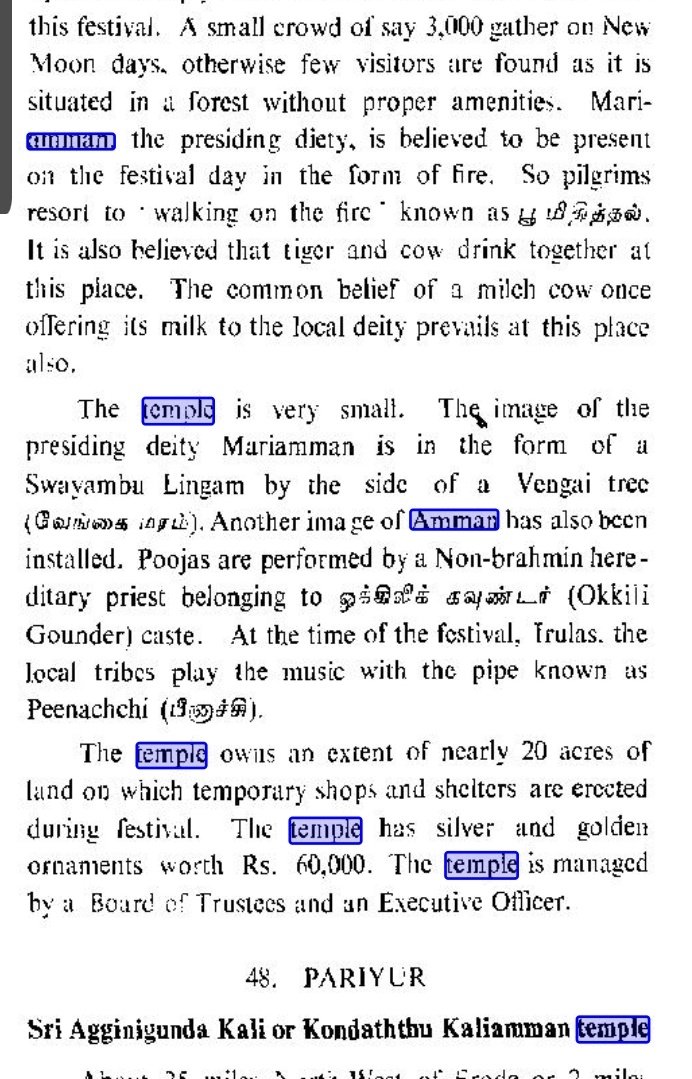
This evidence says kalabhras used prakrit and kannada. KANNADA was their MOTHER TONGUE. People used to confuse kalavar and kalvar(tamil people) with kalabhras. Kalavar and kalvar were tamil people. But KALABHRAS ARE KANNADIGAS.
Also source has been mentioned in this pic at below
Evidences of Kannada in Madhya Pradesh
There are many evidences that support presence of Kannada in north spanning till Uttar Pradesh and beyond.
Kannada rulers rose to power post fall of ShataVahanas and many mighty rulers like Chalukyas, RatthaKootas tried to claim back their lands that were conquored by Mauryans and Ashokans.
Many villages/cities in north that have their names ending with Ore, Ur are actually Ooru ending names and appear to have Kannada origin e.g: Indooru -> Indore, MandasaOoru -> Mandsaur
During the mighty KarNata expansion the Kannada rulers conquored territories from Gujrat to Assam
and from Nepal to Lanka and left their many foot prints in form of inscriptions wherever they ruled. Though some of them are discovered but more excavations should be conducted in all their areas of rule and settlements to recover more evidences.
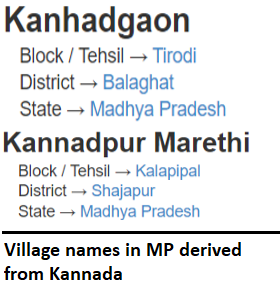
Even today there are villages/cities in Madhya Pradesh that are named after Kannada itself, like KannadPur, KanhadGaon (From KannadaGaon).
There are several villages in MP where there are Kannada settlements and the villagers still speak Kannada dialects like Holia, Gollar.
A big salute to these Kannadigas who have kept the Kannada da Deepa still burning against all odds.
Government of Karnataka and Department of Kannada & Samskruti should do all possible to help these people to connect back with Kannada, Kannadigas and Karnataka.
Alas they are the true descendants of Kannada warriors who have undergone all sacrifices to keep the Kannada glory high.
@karnatabala@CMofKarnataka@VinaySodad@sndptw@imanjuvs@Naagashree@Amara_Bengaluru@blhars@nimmakarthick@PLEKarnataka @sanrnsam7
@_adikadhunaga_@rajanna_rupesh@BelagaviKA@AlurDivya @Kannadastar123 @sudhguruspeaks@gnan007@umesh_anush@malnadkoos@Rameshgowda_c @KanthaRocky @nesarabettaliya@ajavgal@KNayakas@Chandra_hb77@AdarshaUm@ShyamSPrasad@teekappa24@Kannada_Culture
Virupaksha wodeyar is the chief of ummathur and also a ruler of kongu region & representative of vijayanagar kings in kongu , his agent is nanjaya wodeyar
Nanjaya wodeyar made alaga uthama kamindan as a pattakarar of 24 nadus for bringing the head of kongarayan on the order
Came to my family deity bujjangeshwara at ummathur for mahashivratri and attended the 4 poojas and lifted the chariot of bujjangeshwara with the help of local people .
Another venugopala swamy temple at sathyamangalam built by Mysore rulers 1000 years ago ( hoysalas ) .this temple archagars are from ummathur who are the priests of ranganathar temple at ummathur . Ramnauja visited this temple along with karamadai ranganathar temple on his 1/2
The manuscript of agreement between mysore family and kalale family .
The kalale should provide dalvoys ( ministers / commanders) to mysore family
The kalale Arasu family dalvoys who served mysore rajas starting from maranayaka to linge gowda .
@Kar_Bharadwaj In Sangam literature there are enormous references to Kannada language and Kannada people as
Kannadam, Karanadhakar, Karunadagar, Kosar, Karnatagar.
Even 3rdC. BCE tamil works from, many tamil words originating Kannada have been identified.
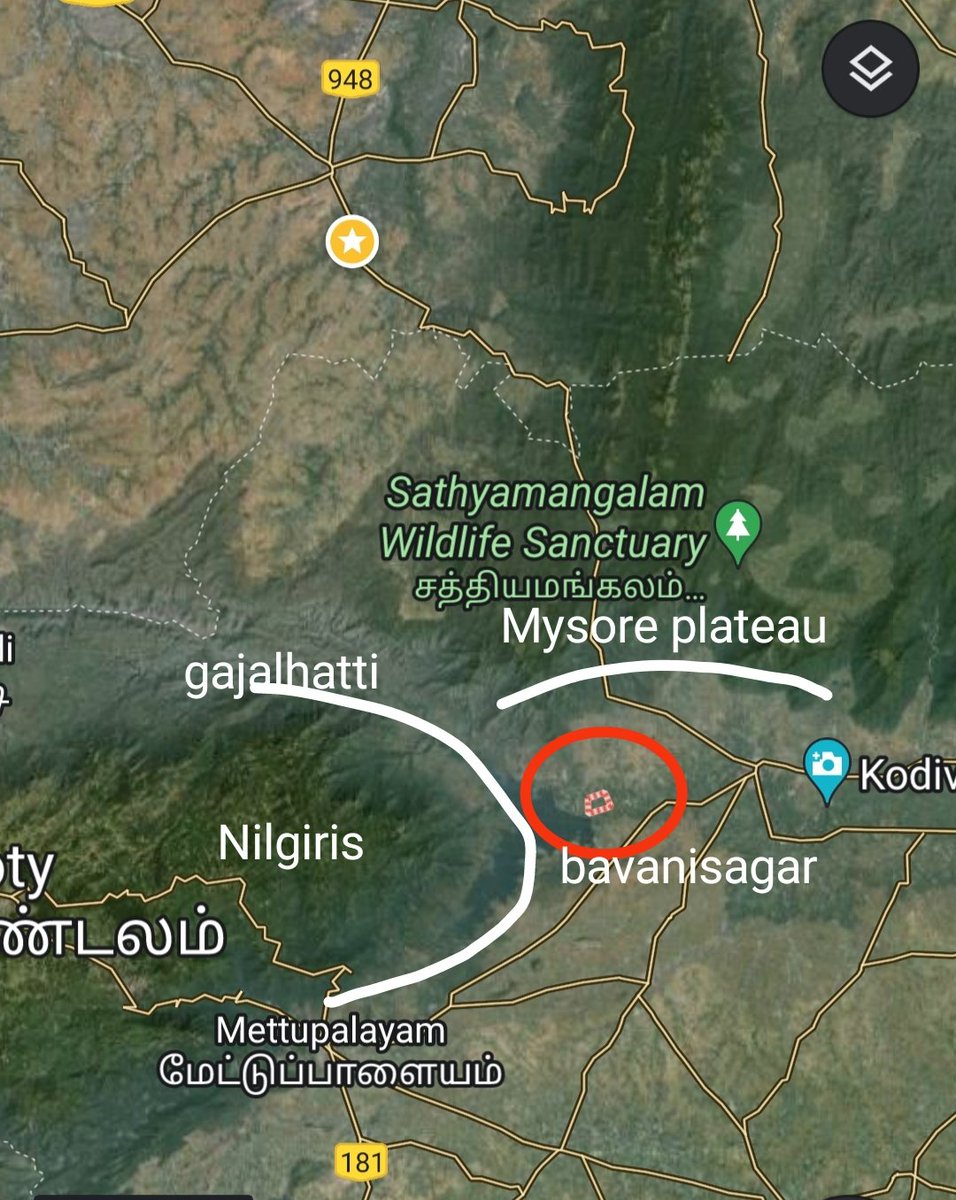
A thread about bavanisagar 🧵
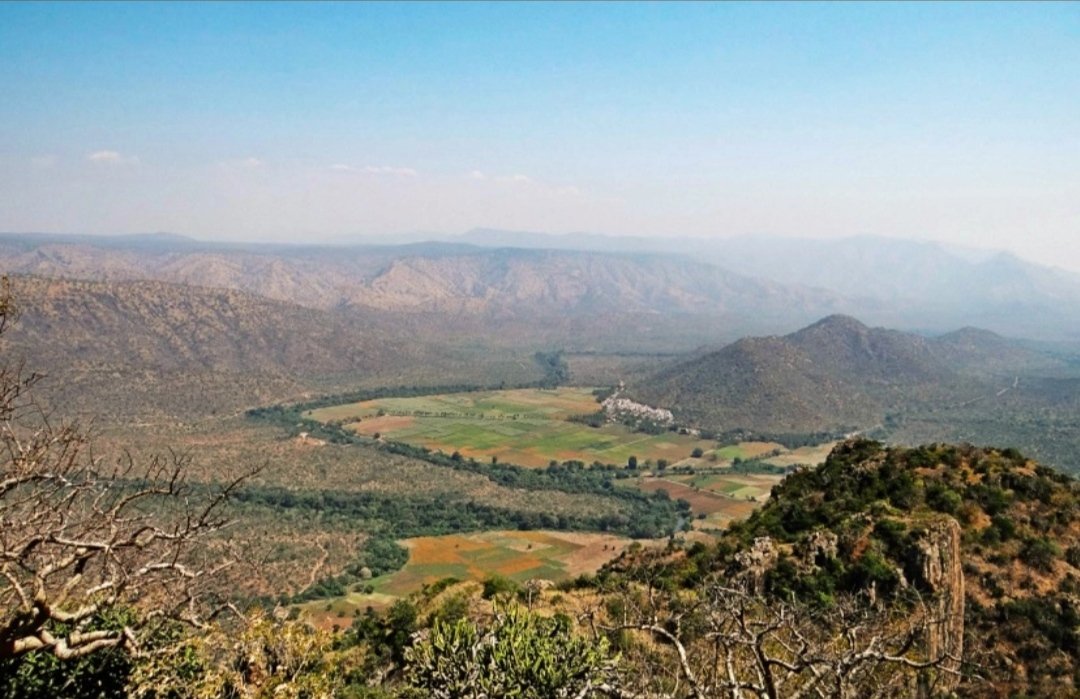
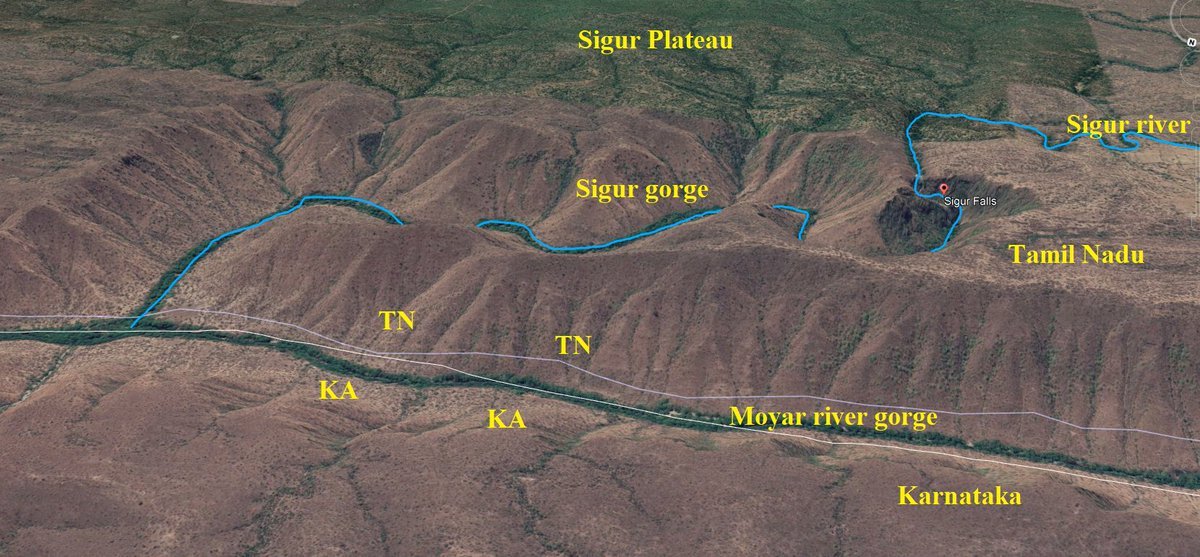
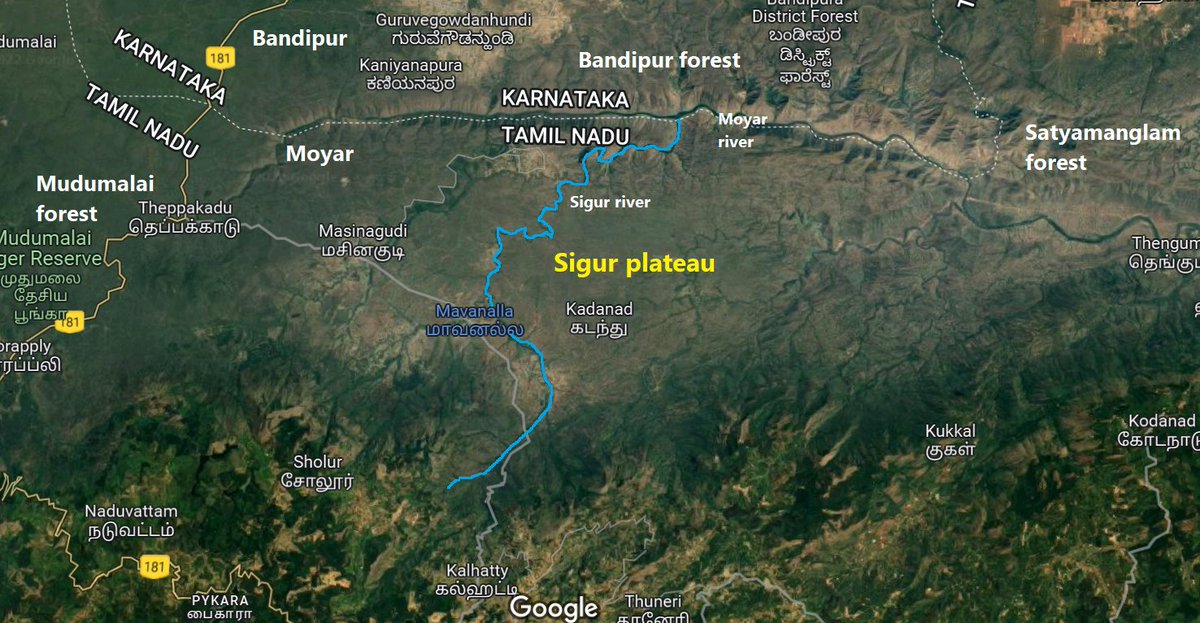
This area bavanisagar is present at the junction of two rivers bavani and moyar , present in the east direction of the moyar gorge .
The location is a remote area of tamil nadu borders Nilgiri hills in the west and mysore plateau in the north 1/n
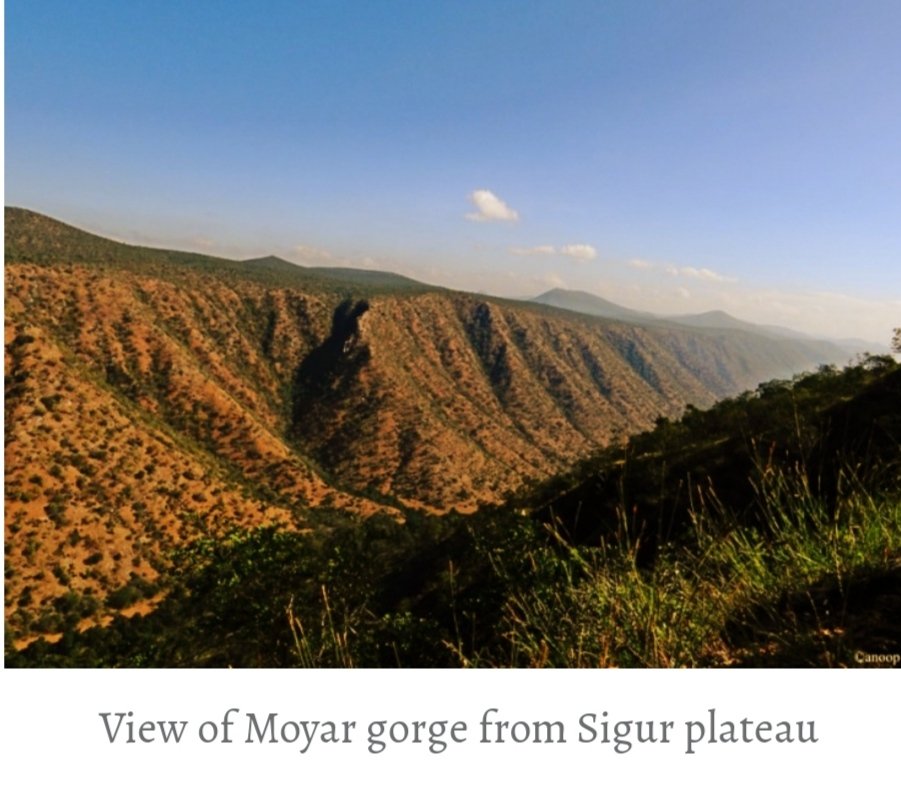
Moyar gorge or moyar canyon is 20 km long ,borders karnataka and tamil nadu.
This gorge is 2.5 billion years old also called as mysore ditch act as a breeding place for tigers and elephants.
This area had a capital called skandapura now addressed as gajalhatti 1/3
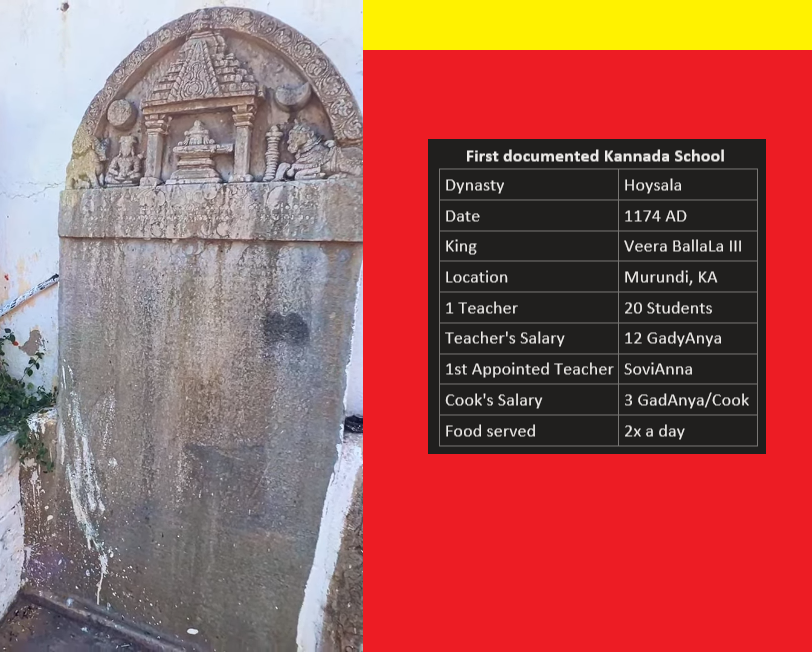
1st recorded Kannada School 850 years ago!
We all think AnganWadi started first in 1975 where school children along with education also were provided food.
850 years ago in today's Murudi village of KA, HoyssaLas donated land and funded for Kannada school in 1174AD, making it as first recorded Kannada school for children.
Along with education, daily food for children was served. The record also shows that food was initially provided once a day, which was later increased to twice a day. Thus HoyssaLas increased the grants for their school.
In 370AD (1783 Years ago), Kadambas had started first university in TalaGunda (Taxila of south) which had teachers employed to teach various subjects in Kannada and Sanskirt. However, due to constant battle with Pallavas, Cholas and later with Chalukyas it was lost in time.
https://t.co/5LHQBRbtec
Government of Karnataka should provide perennial funds to all Kannada schools at all levels to safeguard their ancient Kannada tradition & history and renovate TalaGunda VishvaVidhyalaya and many other such education centres.
Government of Karnataka should fund to preserve, protect and encourage more R&D in classical studies of Kannada to unearth, discover hidden treasures about Kannada & Karnataka.
Hats Off to researchers behind this!
Pawan Mourya Chakravarty (Researcher)
Dr Harish Kumar (Academician & Researcher)
https://t.co/bTa9ILI03v
@CMofKarnataka@kannadamanasuga@nanminiradio@karnatabala@karave_KRV@BelagaviKA@NammaKalyana
GoyKannada Script - When maraTi & konkaNi were written in Kannada script.
Kannada script has been used for many other languages like Tulu, Kodava, Badaga, Beary, Sanketi, telugu and even for Sanskrit, Konkani, maraTi.
Till 16th C. AD the script for konkaNi was Khandavi aka GoyKannada/GoyKanadi script.
Portuguese seized and burnt all konkaNi work during Goa Inquisition on the suspicion that they might be idolatrous. Roman script was mandated for konkaNi and discontinued the use of GoyKannada script for any konkaNi work.
However maraTi continued to use GoyKannada script a derivative 17thC. AD Kannada script almost till 19th C. AD.
In the book: History of Goa through GoyKanadi script, the author Shantaram Ghantkar acknowledges that Brahmins used GoyKannada script for their daily recordings. The usage of Kannada script for maraTi continued almost till 19th C. AD in many parts of Goa amongst Goan hindus.
To associate maraTi more with prakrut, sanskrit by 1950 maraTi completely discontinued use of earlier scripts like GoyKannada scripts and shifted to relatively a newer devnagari script.
The Vowels, Ottaksharas (Clustered Alphabets) in GoyKannada script are almost same as Kannada script, with some variation in Diacritic.
https://t.co/t0hvuwVETJ
Veera Parshvanatha basadi at Halebeedu built by Boppadeva, son of Gangaraja who was instrumental in the Hoysala victory over Cholas in Gangavadi. The Parshvanatha idol is 18-ft tall. As a memorial of that victory, it gets the prefix "veera". 1
According to buchanan's report
Anamalai - Pollachi areas consists of 12 polygars among them
5 polygars are vokkaligas , mistakenly mentioned as Telugu tribe
4 are vellalas (kvg)
1 is a golla ( thottiyan )
1 is a poloa , mistakenly mentioned as malayali but they are vettuvar