தவெகவினரின் X கணக்குகள் இன்று ஒரே நேரத்தில், ஒரே காரணத்தைக் கூறி முடக்கப்பட்டுள்ளன.
அரசு அடையாள ஆவணங்களைச் சமர்ப்பித்து Verified செய்த கணக்குகளையே, Impersonation எனப் பொய்யான புகார் அளித்து முடக்கியுள்ளதாகக் குற்றச்சாட்டு எழுந்துள்ளது.
இத்தகைய செயல்கள் கருத்துச் சுதந்திரத்தை ஒடுக்கும் முயற்சியாகவே பார்க்கப்படும்.
இதற்கு பின்னால் இருக்கும் தீய சக்திக்கு பாடம் புகட்டப்படும்.
முடக்கப்பட்ட அனைத்து கணக்குகளும் மீட்கப்படும்!
பண்ணையார் வீட்டு மகனுக்கு, எளிய வீட்டுப் பிள்ளைகள் என்றால் கிள்ளுக்கீரை என்ற நினைப்பா?
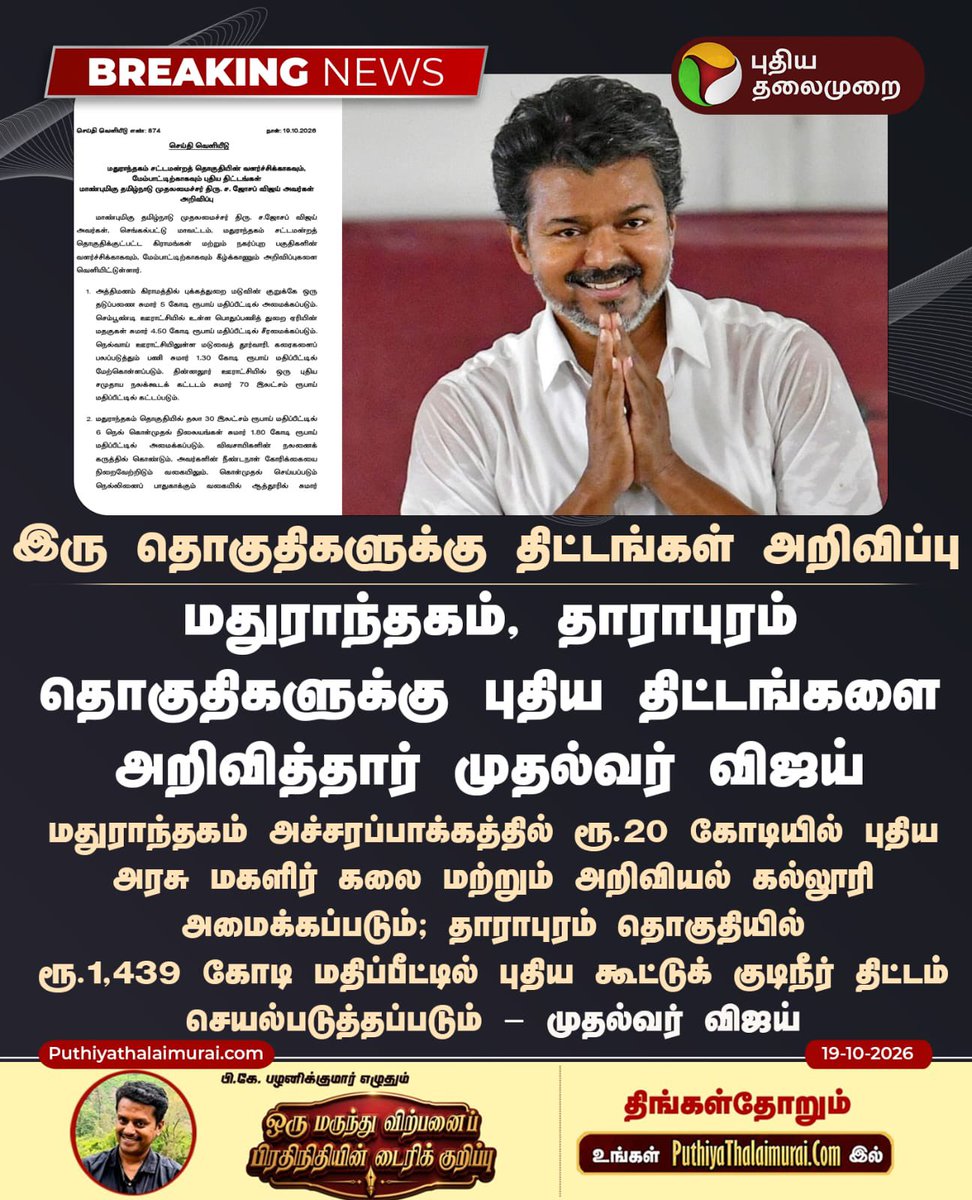
மேடைக்கு மேடை பெண்களைப் பற்றி தரக்குறைவாகவும் இழிவாகவும் பேசும் ஆபாசத்தி��் ஊற்றுக்கண்ணே, ஆபாசநிதியே! மாற்றம் வேண்டி தவெகவிற்கு வாக்களித்த எளிய வீட்டுப் பிள்ளைகளை இழிவாகப் பேசப் பேச, தாராபுரத்திலும் மதுராந்தகத்திலும் மக்கள் அளித்த தீர்ப்பைத் தொடர்ந்து வழங்கிக் கொண்டே இருப்பார்கள்.
ஆபாசத்தையும் அவதூறையுமே அரசியல் பிழைப்பாகக் கொண்ட பரம்பரையின் ஆபாச வாரிசே! தவெகவிற்கு ஆதரவாகச் சமூக வலைத்தளங்களில் செயல்படும் பெண்களை இழிவுபடுத்தும் Generational Abusers-ஐ பொ��ை போட்டு வளர்க்கும் அவர்களின் தலைமையே! பெண்களை இழிவாகப் பேசுவதையும், குழந்தைகளின் மனதில் ஆபாச நஞ்சை விதைப்பதையும் தவிர வேறு என்ன தெரியும்?
Script இல்லையென்றால் உளறிக்கொட்டும் Dummy Daddy-யின் ஆபாச வாரிசுக்கு, Sofa Model, Dummy CM, Virtual Abusers — இவற்றோடு நள்ளிரவில் Insta-வில் repost செய்ய மட்டும்தான் தெரியும்!
Generational Abusers-ஐ தலைமை தாங்கி வளர்த்துக் கொண்டிருக்கும் ஆபாசநிதியே, எளிய வீட்டுப் பிள்ளைகளை இழிவாகப் பேசினால், மக்கள் மன்றத்தில் எஞ்சியிருக்கும் கொஞ்ச நஞ்ச மரியாதையையும் இழந்து திரிய நேரிடும் என்பதை எச்சரிக்கையாக அல்ல... அன்பா, cute-ஆ, soft-ஆ சொல்லிக்கொள்கிறோம்!
அதிகார கொட்டாரத்தை இளைஞர் கிளர்ச்சிக்கு அஞ்சி, தன் சொந்தத்தந்தை பெயரில் வைக்கப்பட்ட திட்டத்தின் பெயரை திருத்தியெழுத வைத்து, தங்கள் கொள்கைத்���லைவரின் பெயரைச் சூட்ட வைத்த உண்மையான சுயமரியாதை பட்டாளத்தின் வரலாற்றுச் சின்னம் கோவை பெரியார் அறிவுலகம் என்று சரித்திரத்தில் எழுதப்படும்!
🚨
To Virtual Warriors out here//
Spend Some Minutes for this post//
Tamil Nadu’s Electricity Crisis:
A Long-Standing Structural Problem
How delayed generation, inadequate transmission and years of underinvestment left Tamil Nadu struggling to meet rising demand.
Tamil Nadu’s electricity challenges cannot be understood by looking at a single government, a single power procurement decision or a single year. The roots of the problem can be traced back to the late 2000s, particularly the period around 2008, when electricity demand was rising but the development of generation and transmission infrastructure struggled to keep pace.
A 2012 report by The Times of India highlighted that Tamil Nadu’s installed generation capacity had increased by only 483 MW between 2001 and 2010, while neighbouring Karnataka and Andhra Pradesh had each expanded their capacity by more than 2,000 MW. Several thermal power projects announced during 2007–08 were also delayed.
This historical record raises an important question: Was Tamil Nadu preparing its electricity infrastructure for the future, or was it repeatedly trying to catch up with demand after shortages emerged?
•Early Warning Signs: By around 2008, Tamil Nadu faced a widening gap between electricity demand and reliable supply due to industrial growth, urbanisation, commercial activity and rising household use.
•Renewable Resources and Infrastructure: Although the state had significant wind power, reliable supply required timely commissioning of plants, adequate transmission lines and sufficient substation and transformer capacity for peak loads.
•Demand Projections: Union government forecasts for 2011–12 predicted a peak demand of 14,224 MW and annual energy needs of 87,222 million units, indicating the need for early capacity and infrastructure planning.The central issue was therefore not simply whether Tamil Nadu had electricity sources. It was whether the entire power system could deliver enough electricity, at the right time and in the right places.
The 2007–2012 period: delayed projects and infrastructure gaps
One of the clearest pieces of evidence comes from the Comptroller and Auditor General of India (CAG), which audited Tamil Nadu’s transmission infrastructure for 2007–08 to 2011–12. The audit identified substantial gaps between planned and completed infrastructure.
The audit attributed the shortfalls mainly to inadequate planning, land acquisition delays, right-of-way problems and delays in procuring materials.
These findings matter because power infrastructure is an interconnected system. Building a generating station is not enough if transmission lines and substations are not ready to carry its electricity to consumers.
Wind power existed, but the network could not fully utilise it.Tamil Nadu's renewable energy potential was an advantage, but the transmission system did not always keep pace with generation.
According to the CAG audit, as of March 2012, Tamil Nadu had 6,943 MW of installed wind generation capacity but transmission facilities to evacuate only 4,997 MW. The audit also reported that 559.03 million units of wind power were backed down during 2007–08 to 2011–12 because of transmission constraints.
The challenge was not just generating more electricity. It was also investing in the network needed to deliver that electricity reliably.This illustrates why infrastructure planning must consider generation, transmission and distribution together rather than treating them as separate problems.
The shortage became particularly visible in the early 2010s. A 2012 report described a demand-supply gap of around 4,000 MW, while noting that several projects announced during 2007–08 had not been commissioned on schedule. Subsequent infrastructure and operational difficulties continued to affect the sector. A later CAG report covering the period through 2014–15 highlighted inadequate transmission facilities for wind power and shortcomings in the systems used to procure and manage electricity.
These records suggest that the problem extended beyond a temporary shortage. It involved project execution, network expansion, procurement practices and the ability to anticipate future demand.
However, it would be inaccurate to attribute every later electricity problem to a single year or administration. Different governments made investments and policy decisions over time, and a full assessment would need to examine project commissioning, demand growth, outages, fuel availability and network expansion across successive periods.
The financial burden added another layer to the problem,Electricity infrastructure requires sustained capital investment. Generation projects, substations, transmission corridors, distribution upgrades and maintenance all require long-term funding.
In May 2026, The Times of India reported that Tamil Nadu's electricity utilities continued to face significant financial challenges, including accumulated debt and operational losses. The article also identified the need for improved operational efficiency, financial restructuring and faster implementation of distribution reforms.
Financial pressure complicates future investment as utilities balance operating costs, debt servicing, electricity purchases and infrastructure modernisation. The state’s electricity challenge must therefore be assessed on two linked fronts:
- Physical infrastructure: Is the network sufficiently developed to meet peak demand and accommodate new generation?
- Financial sustainability: Can the electricity utilities fund maintenance, expansion and modernisation without accumulating unsustainable losses and debt?
What Tamil Nadu needs to address now
The historical record points to several priorities for a durable solution.
1. Plan capacity ahead of demand. Electricity demand forecasts should guide timely investment in generation and network capacity.
2. Strengthen transmission infrastructure. Substations, transformers and high-voltage lines must be expanded in line with industrial and residential growth.
3. Improve renewable energy integration. Transmission capacity and storage solutions should develop alongside wind and solar generation.
4. Ensure timely project execution. Delays involving land, approvals, procurement and construction need systematic monitoring.
5. Improve financial transparency. Procurement costs, power-purchase agreements, transmission losses, project delays and capital expenditure should be subject to clear public scrutiny.
6. Publish measurable progress. Annual reporting should show planned versus completed capacity, expenditure, peak-demand performance, outages and the reasons for any shortfall.
Conclusion: The problem is older than today's headlines
Tamil Nadu's electricity challenge has a documented history stretching back to the late 2000s. Contemporary reporting identified slow generation-capacity growth and delayed projects, while the CAG's audit of 2007–12 found significant shortfalls in transmission-line and substation expansion.
Electricity security demands sustained investment, timely delivery, transmission capacity and viable utilities, not just emergency purchases. The issue is Tamil Nadu’s future infrastructure, not current procurement. From 2008, annual analysis of generation, transmission, delays and demand will reveal how the gap emerged and which decisions caused it.
Why is Tamil Nadu buying electricity from private power vendors?
Why does Tamil Nadu, with strong demand, utilities and renewables, still buy power from private sources? The gap between installed capacity and actual availability explains this; external purchases are not inherently failures, as markets can offer cheaper or more practical power. The real concern is whether such purchases are economically justified and planned, or stem from long-term planning weaknesses that create excessive market dependence.
The gap between electricity demand and dependable supply , Tamil Nadu's electricity requirements have grown with industrial development, urbanisation, commercial activity, agriculture and household consumption.
But the state's ability to meet that demand depends on several factors:
- How much generation capacity has actually been commissioned.
- How much electricity existing plants can reliably generate.
- Whether coal and other fuels are available.
- Whether plants are operating efficiently or undergoing maintenance.
- Whether renewable energy is available at the required time.
- Whether the transmission network can deliver electricity to demand centres.
Installed capacity is a rated maximum, not a continuous guarantee. When demand exceeds reliable supply, utilities use exchanges, bilateral agreements or short-term contracts to bridge the gap. Investigate whether generation, supply and transmission expanded fast enough for Tamil Nadu’s demand. Evidence from 2007–12 shows project delays and transmission shortfalls, explaining some reliance on purchased power, though their current impact remains unclear.
Delayed investment in generation capacity
When demand grows faster than the state's dependable generation capacity, the deficit has to be filled from somewhere.
Thermal power stations take years to plan, finance, construct and commission. If projects are delayed, the state may have to purchase electricity from private generators or other states while waiting for its own capacity to become operational.
This creates a potentially expensive cycle:
1. Electricity demand increases.
2. Planned generating capacity is delayed or proves insufficient.
3. The utility purchases additional electricity from the market.
4. If procurement happens at short notice, prices may be high.
5. The utility remains exposed to the same problem until adequate capacity and supply arrangements are available.
The CAG's audit of power-purchase agreements found that delays in the completion of central generating stations led to additional tariff costs of ₹2,381.54 crore for TANGEDCO, along with ₹2,099.48 crore in reported avoidable expenditure on shortfall purchases.
The immediate reason for the October 2026 power purchases
The latest situation provides a concrete example of why Tamil Nadu has been purchasing electricity from private suppliers.
According to The Times of India on October 12, 2026, TNPDCL signed agreements for:
- 1,500 MW of round-the-clock power from October 12–31, at ₹31.99–₹34.49 per unit.
- 2,000 MW to meet evening demand, at ₹33.37–₹37 per unit.
The report attributed the shortage to an approximately 4,000 MW reduction in availability from central generating stations due to scheduled annual maintenance, lower wind generation and unusually high electricity demand. Officials also said the procurement tenders were floated at short notice because they had expected demand to fall after October 10.
October 2026 short-term procurement rates
Round-the-clock power₹31.99–₹34.49
Per unit (kWh) ,Evening peak power₹33.37–₹37
Per unit (kWh),These are reported contractual rates for the specific short-term arrangements, not the average price of all electricity purchased by Tamil Nadu.
These prices make the timing of procurement a legitimate subject for scrutiny. However, the rates alone do not prove wrongdoing: gas-based generation, short delivery windows and a shortage of available offers can raise market prices considerably. The central question is whether the utility could have anticipated the shortage earlier and secured adequate supplies at lower rates.
Why is electricity being purchased through private vendors instead of directly from generators?
Electricity procurement can involve several different arrangements:
- Direct power-purchase agreements: The utility contracts with a generating company.
- Power traders: Licensed intermediaries arrange electricity transactions between generators and buyers.
- Power exchanges: Electricity is bought through organised markets where prices vary according to demand and supply.
- Short-term tenders: The utility invites suppliers to provide electricity for a limited period.
- Long-term contracts: The utility commits to purchasing electricity over a longer period under agreed contractual terms.
The use of a trader or private supplier is not inherently improper. Traders can help aggregate supply, arrange transactions and connect buyers with generators. The question is whether the chosen route delivers electricity at a competitive and transparent price.
A historical CAG audit identified a specific problem in Tamil Nadu's procurement arrangements. TANGEDCO purchased electricity generated by certain co-generation and biomass plants through power traders instead of procuring it directly under an appropriate tender process. The audit estimated that this resulted in additional expenditure of ₹254.05 crore for the transactions examined.
That finding does not establish that current purchases follow the same pattern. It does, however, demonstrate why the procurement chain deserves scrutiny.
For every significant purchase, the public should be able to establish:
- Who actually generated the electricity?
- Was the electricity purchased directly or through an intermediary?
- What was the generator's price, and what additional charges applied?
- How many suppliers participated in the tender?
- Were lower-priced, technically feasible offers available?
- Why was the selected procurement method preferred?
Did failures in long-term planning make short-term purchases more necessary?
A power utility must forecast demand months and years ahead. It must estimate peak consumption, assess existing plant reliability, plan maintenance schedules, contract adequate supply and build transmission infrastructure.When these processes do not align, the utility may become dependent on short-term purchases precisely when electricity is most expensive.
The October 2026 report is particularly relevant here,
officials said procurement tenders were issued at short notice after the utility expected demand to decline, but demand remained unusually high.
Electricity demand fluctuates throughout the day. Renewable generation varies with the weather. Thermal plants require maintenance, and some generating units may be unavailable unexpectedly. Transmission constraints can also prevent available electricity from reaching consumers.
A sensible electricity strategy therefore combines:
- State-owned generation.
- Long-term purchases from other generators.
- Central generating-station allocations.
- Renewable energy.
- Storage and flexible generation.
- Short-term market purchases when necessary.
The objective should not be to eliminate all private purchases. It should be to reduce avoidable dependence on expensive, last-minute procurement while maintaining reliable supply at the lowest reasonable total cost.
TamilNadu has experienced long-standing challenges involving delayed generating projects and inadequate transmission expansion. Second, more recent procurement episodes demonstrate that the state can face sharp shortages when central supply falls, wind generation declines and demand remains high.Tamil Nadu's reliance on private electricity purchases should be understood as both a supply-management issue and a long-term infrastructure question.