We have a new paper out: "Tab the Lab: A Typology of Public Sector Innovation Labs!" We've created a typology to help understand and compare psi-labs, focusing on their impact, governance, and networks: cc
@ZHAW_IVM@IIAS_IISA
https://t.co/oCV4WPKz6t
Popper used to begin his lecture course on the philosophy of science by asking the students simply to ‘observe’. Then he would wait in silence for one of them to ask what they were supposed to observe. This was his way of demonstrating one of many flaws in the empiricism that is still part of common sense today. So he would explain to them that scientific observation is impossible without pre-existing knowledge about what to look at, what to look for, how to look, and how to interpret what one sees. And he would explain that, therefore, theory has to come first. It has to be conjectured, not derived.
@DavidDeutschOxf
A modern version of the Galton Box invented by Sir Francis Galton in 1894, built to demonstrate the Central Limit Theorem - showing how random processes gather around the mean.
New in @PMReview_
Reward exploitation or exploration? The effects of local government sustainability strategies and performance information on citizen evaluation: Public Management Review: Vol 0, No 0 https://t.co/KDKE82H1JA
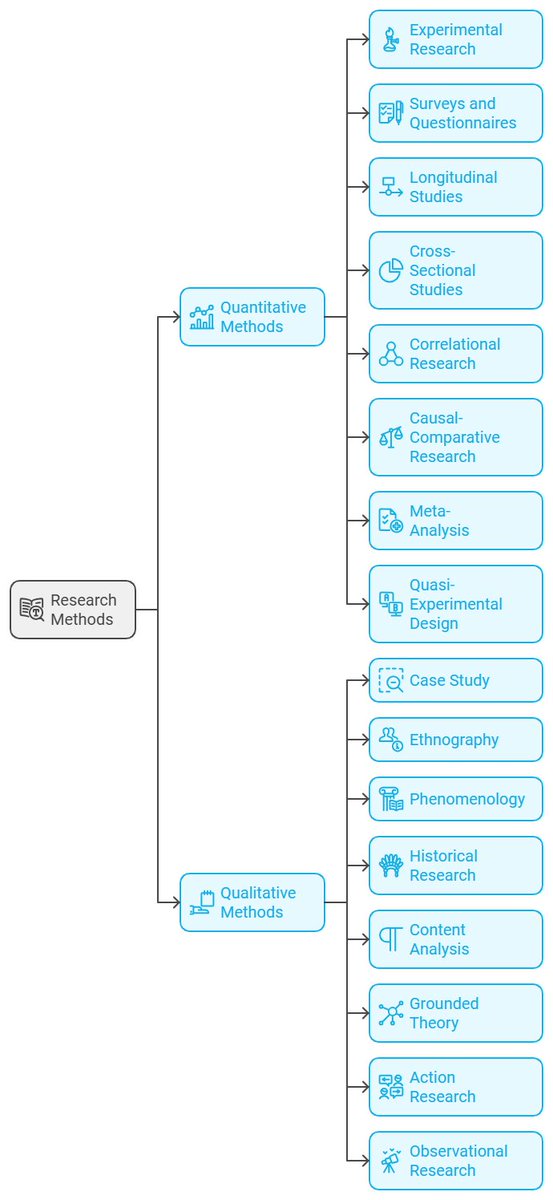
PhD Students - What are the different research methods you can use?
Here is a list of 16 research methods you can use for your research.
𝐏𝐫𝐢𝐦𝐚𝐫𝐢𝐥𝐲 𝐐𝐮𝐚𝐧𝐭𝐢𝐭𝐚𝐭𝐢𝐯𝐞 𝐌𝐞𝐭𝐡𝐨𝐝𝐬
𝟏. 𝐄𝐱𝐩𝐞𝐫𝐢𝐦𝐞𝐧𝐭𝐚𝐥 𝐑𝐞𝐬𝐞𝐚𝐫𝐜𝐡: Manipulates variables to determine cause and effect.
𝟐. 𝐒𝐮𝐫𝐯𝐞𝐲𝐬 𝐚𝐧𝐝 𝐐𝐮𝐞𝐬𝐭𝐢𝐨𝐧𝐧𝐚𝐢𝐫𝐞𝐬: Collects data from a large number of respondents using structured questions.
𝟑. 𝐋𝐨𝐧𝐠𝐢𝐭𝐮𝐝𝐢𝐧𝐚𝐥 𝐒𝐭𝐮𝐝𝐢𝐞𝐬: Observes the same subjects over a period of time to detect changes.
𝟒. 𝐂𝐫𝐨𝐬𝐬-𝐒𝐞𝐜𝐭𝐢𝐨𝐧𝐚𝐥 𝐒𝐭𝐮𝐝𝐢𝐞𝐬: Analyzes data from a population at a specific point in time.
𝟓. 𝐂𝐨𝐫𝐫𝐞𝐥𝐚𝐭𝐢𝐨𝐧𝐚𝐥 𝐑𝐞𝐬𝐞𝐚𝐫𝐜𝐡: Investigates the relationship between two or more variables without manipulating them.
𝟔. 𝐂𝐚𝐮𝐬𝐚𝐥-𝐂𝐨𝐦𝐩𝐚𝐫𝐚𝐭𝐢𝐯𝐞 𝐑𝐞𝐬𝐞𝐚𝐫𝐜𝐡: Compares two groups to identify the cause or effect of differences.
𝟕. 𝐌𝐞𝐭𝐚-𝐀𝐧𝐚𝐥𝐲𝐬𝐢𝐬: Combines results from multiple studies to identify trends or common findings.
𝟖. 𝐐𝐮𝐚𝐬𝐢-𝐄𝐱𝐩𝐞𝐫𝐢𝐦𝐞𝐧𝐭𝐚𝐥 𝐃𝐞𝐬𝐢𝐠𝐧: Resembles experimental research but lacks random assignment to control and experimental groups.
𝐏𝐫𝐢𝐦𝐚𝐫𝐢𝐥𝐲 𝐐𝐮𝐚𝐥𝐢𝐭𝐚𝐭𝐢𝐯𝐞 𝐌𝐞𝐭𝐡𝐨𝐝𝐬
𝟗. 𝐂𝐚𝐬𝐞 𝐒𝐭𝐮𝐝𝐲: In-depth study of a single subject or group to explore an underlying principle or situation.
𝟏𝟎. 𝐄𝐭𝐡𝐧𝐨𝐠𝐫𝐚𝐩𝐡𝐲: Studies cultural groups in their natural environment through participant observation and interviews.
𝟏𝟏. 𝐏𝐡𝐞𝐧𝐨𝐦𝐞𝐧𝐨𝐥𝐨𝐠𝐲: Focuses on individuals' subjective experiences and interpretations of the world.
𝟏𝟐. 𝐇𝐢𝐬𝐭𝐨𝐫𝐢𝐜𝐚𝐥 𝐑𝐞𝐬𝐞𝐚𝐫𝐜𝐡: Examines past events to draw conclusions about the past and project potential future outcomes.
𝟏𝟑. 𝐂𝐨𝐧𝐭𝐞𝐧𝐭 𝐀𝐧𝐚𝐥𝐲𝐬𝐢𝐬: Systematically analyzes the content of communication to interpret patterns and meanings.
𝟏𝟒. 𝐆𝐫𝐨𝐮𝐧𝐝𝐞𝐝 𝐓𝐡𝐞𝐨𝐫𝐲: Generates a theory based on data collected from fieldwork observations.
𝟏𝟓. 𝐀𝐜𝐭𝐢𝐨𝐧 𝐑𝐞𝐬𝐞𝐚𝐫𝐜𝐡: Involves iterative problem-solving led by individuals working with others in teams or as part of a "community of practice."
𝟏𝟔. 𝐎𝐛𝐬𝐞𝐫𝐯𝐚𝐭𝐢𝐨𝐧𝐚𝐥 𝐑𝐞𝐬𝐞𝐚𝐫𝐜𝐡: Observes subjects in their natural environment without interference.
Subscribe to the Complexity podcast's season on 'The Nature of Intelligence' from your favorite podcast app. Here's our first episode!
https://t.co/RvvwRFWhQT
What is #intelligence?
Depending on whom you ask, artificial intelligence is either going to solve all of humanity’s problems, or it’s going to kill us. Business leaders are getting ready for it to “disrupt” entire industries, and educators are re-thinking how to teach in the age of ChatGPT. It can feel like artificial intelligence is going to transform everything about the way we live. But in order to understand how to think about AI, it’s useful to take a step back.
In this episode of The Nature of Intelligence, we discuss what it means to call anything “intelligent”. What makes humans intelligent? And how do machines compare?
@MelMitchell1@blamlab@AlisonGopnik
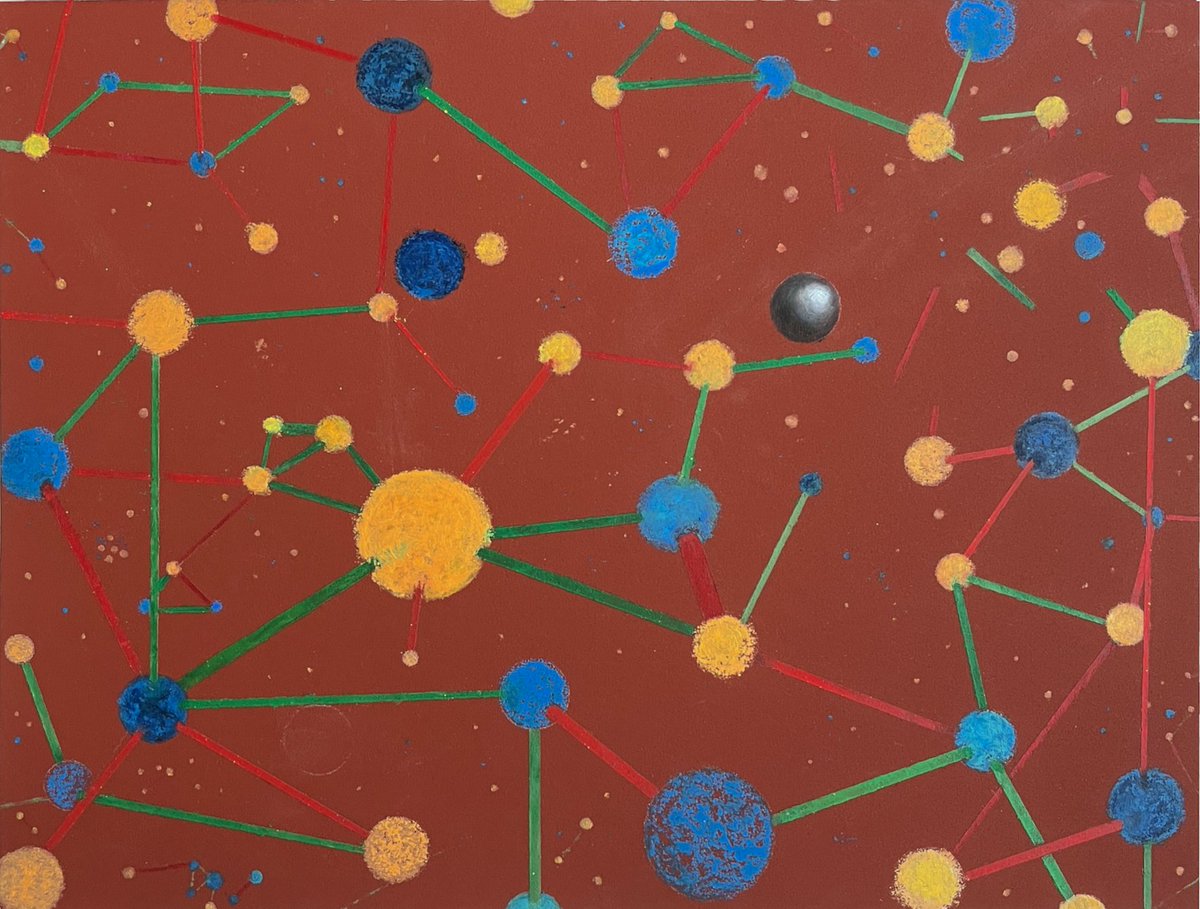
Our beliefs about topics such as climate change or politics do not exist in isolation. Each belief is related to other beliefs we hold, as well as to perceived and actual beliefs of people around us.
In a new paper in Psychological Review, Jonas Dalege, Mirta Galesic, and Henrik Olsson develop a new Networks of Belief theory, incorporating work from psychology and statistical physics to study the internal and external dynamics of beliefs.
https://t.co/ek7QFPeoBk
"Accountability as a function of power relationships in public governance networks" by Peter Eckersley, Katarzyna Lakoma, Pete Murphy, Tom Caygill, & Charlotte Pell shows how public accountability relationships are shaped by the distribution of... https://t.co/eJlzhaBEg2 (1/n)
Our book Pathways to Positive Public Administration is out now! Open Access w/ @ElgarPublishing Thanks to all the contributors, and a big thank you to @paustinlucas@nabatchi & Paul 't Hart who made this a truly fabulous experience 🙏
https://t.co/zKcrH9ginE
Wie geht es unseren🇨🇭Lebensräumen und der Biodiversität wirklich?
Sehr informativer Überblick von @mwlaeubli zum Stand der Wissenschaft mit @WSL_research und @biodiversityCH
Fördermassnahmen wirken, aber es braucht mehr und eine schnellere Umsetzung!
https://t.co/0PoqdRYTXu





![Rainmaker1973's tweet photo. The truth
[✏️ Visualize Value] https://t.co/I1HKRLnTTN](https://pbs.twimg.com/media/GXMyUVRWYAAQO_l.png)