University College Dublin School of Education @SchoolofEdUCD is hiring! 👇
Lecturer/Assistant Professor in Educational Psychology (PERMANENT, full time)
📅 Closing date: 4th March 2024
Go to https: https://t.co/KSu1ZMFWE1
Search for job ref: 016942
Please repost 🙏
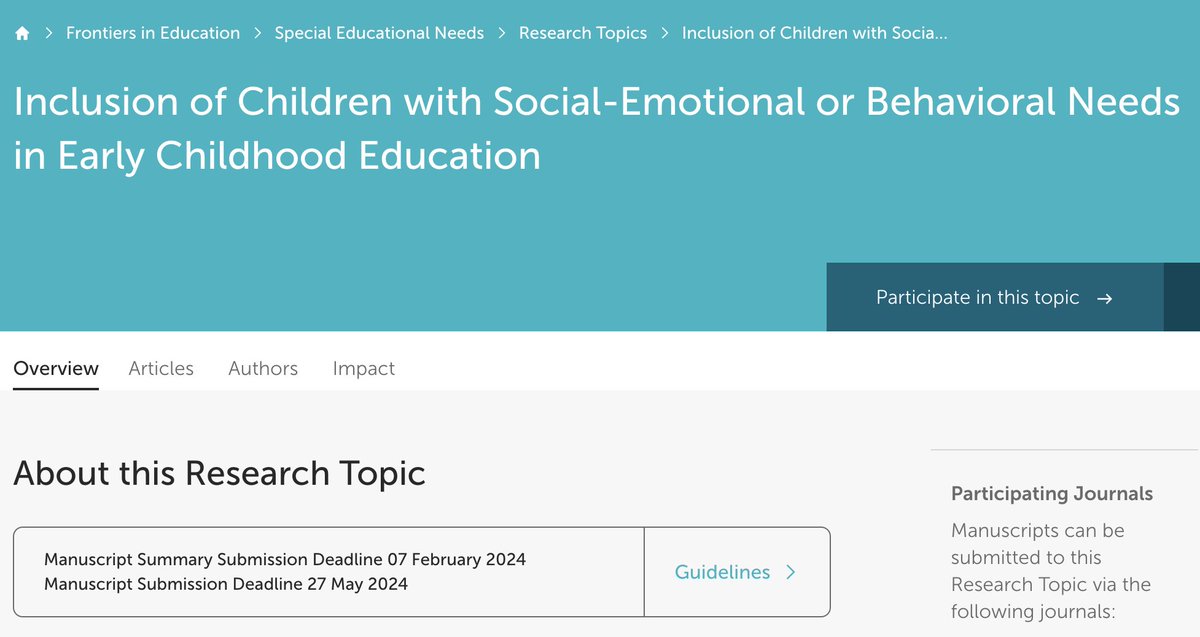
📣 New - call for papers: Frontiers in Education Research Topic
Inclusion of Children with Socio-Emotional or Behavioural Needs in Early Childhood Education
Manuscript summary deadline: 7th Feb 2024
https://t.co/OHolVjawdf
👧👩🏫 Children’s School Lives: ‘Repetitive and overloaded subjects’ reducing the enjoyment of learning
😖 The increased stress and anxiety children feel as they progress through national school is mirrored in a decreased love of learning, according to new @SchoolofEdUCD research.
The latest report from the 'Children’s School Lives' (CSL) study, a landmark UCD-led project following 4,000 children across 189 schools in Ireland, found that as children progressed through primary school their enjoyment declined due to what they “saw as repetitive and overloaded subjects”.
The research showed children have a strong preference for subjects taught in more creative or child-friendly ways, and that the more a child enjoys a subject, the more they engage with it.
But as workload increased in preparation for secondary school, interest in subjects dropped as children got bored or confused by their curriculum.
This is reflected in there being a strong preference in young children for homework between senior infants and first class but a growing resistance to homework as they got older - particularly among boys.
The report said parents of children in more senior classes noticed an increasing incidence of resistance to homework, with some feeling “more strongly that homework is an unnecessary source of stress for children in school and they should not get too much of it”.
In both older and younger primary school children, homework was difficult to manage in busy families where both parents were working or involved in multiple school pick-ups and extra-curricular activities.
Similarly, some children reported an impact on their enjoyment of learning as they progressed in primary school due to higher levels of stress and anxiety over assessment.
In terms of testing, parents reported children in the early years of primary school do not feel worried about assessment but that this changed as they moved into more senior classes, with some saying it sometimes led to children faking illness.
A third of children interviewed between second class in 2019 and sixth class in 2023 said they typically felt anxious about their performance before and after standardised tests. Another third said they typically felt anxious sometimes.
Most children however expressed a strong preference for informal assessments from their teachers.
Led by Professor Dympna Devine and Associate Professor Jennifer Symonds, and assistant professors Seaneen Sloan and Gabriela Martinez Sainz, from the UCD School of Education, and carried out on behalf of the National Council for Curriculum and Assessment, the CSL study aims to follow thousands of children through their primary education to learn in detail about their experiences.
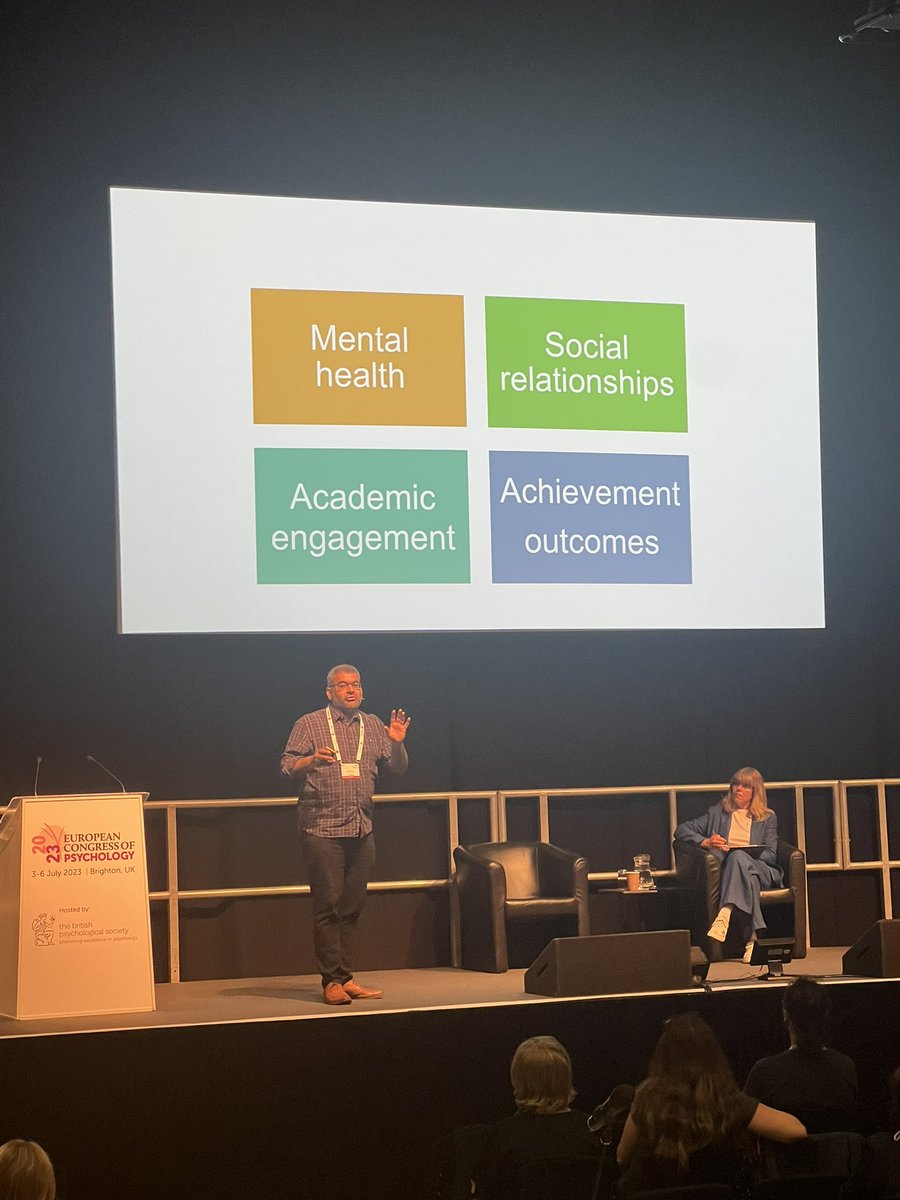
I’ve been waiting all week for Robin Banerjee @CRESS_research about social and emotional learning - and it didn’t disappoint - “It’s now about fixing the individual child, it’s the network of relationships in school” #SEL#ECP2023
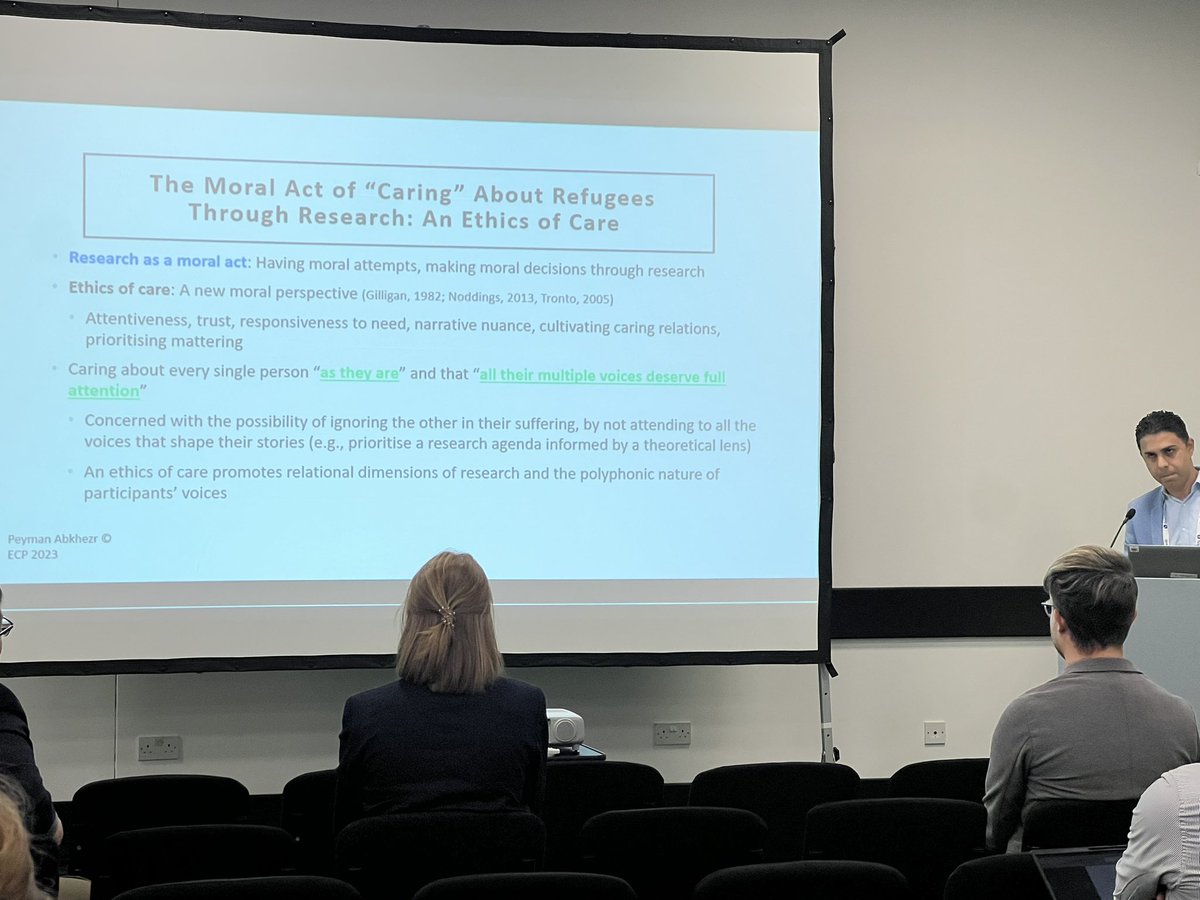
A responsibility to “care” and an ethics of care within voice research, an important contribution to discourses about voice research and our responsibilities as researchers #ECP2023@PAbkhezr
Really important step forward, psychologist talking about the role of #poverty and #inequality in mental health and the role of psychologists in not just understanding, but also changing, these social determines #ECP2023
Good to see this published today, our research on an often neglected but prevalent issue - ‘what happens to families when multiple family members have ADHD?’ @conormcguckin https://t.co/npiKgAmAZ2 #mdpieducation via @EducSci_MDPI
We need to broaden the discussion of woman’s empowerment beyond the struggles of white neurotypical woman to those experiencing multiple marginalisations - including neurodivergent women and their empowerment.
19th October 2022, 16:05-16:30 Dr Kate Carr-Fanning, University of Bristol “Empowering Girls with ADHD in Education”
Virtual ADHD Conference ‘Enabling Opportunities with ADHD’ 19th Oct Educators £30 Book now via
https://t.co/kk7Tb9jTVZ @BristolUni@adhd_girls@sencochat ☂️
The full lineup and topics of the Educators' day! Enabling Opportunities 2022 ADHD Conference! More information & registration - > https://t.co/ljJNsJjWto
@ADHDFoundation
@ScoilnetPPrim@EduIreland
@WeActIreland
@MusicLiteracyIE
Honoured to have been on this HSE working group. The Model of Care for Adults with ADHD was launched yesterday. It represents a step towards the kind of specialist care done ‘with’ people with ADHD that we need in Ireland #adhd#hse
Loving this year’s theme to International Persons with Disability Day -“leadership and participation of persons with disabilities”. You can’t have inclusion without leadership. Inclusive practice should be person-led #frierie#inclusion#disabilityrights https://t.co/oeDsb0ETGo
Important campaign- Let Us Learn Too – by children, young people and their parents / caters with SEN to ensure their views are represented in the DfE SEND Review. https://t.co/mW1Yhxu0nQ
Delighted our chapter is published @conormcguckin @KCarrFanning in Thinking Critically and Ethically about Research for Education @CarmelCapewell https://t.co/BWWiV9N26P