What an amazing way to visualize early human migration. Lovely map by @HarvardCGA. A great colour scheme and an appropriate map projection! Source: https://t.co/aD8kct1ucD
In nature, you’ll find diversity in behaviour everywhere you look. And yet, when animals display sexually diverse behaviour, the scientific community have historically been quick to sweep it under the rug. Take redshanks, for instance. 🐦
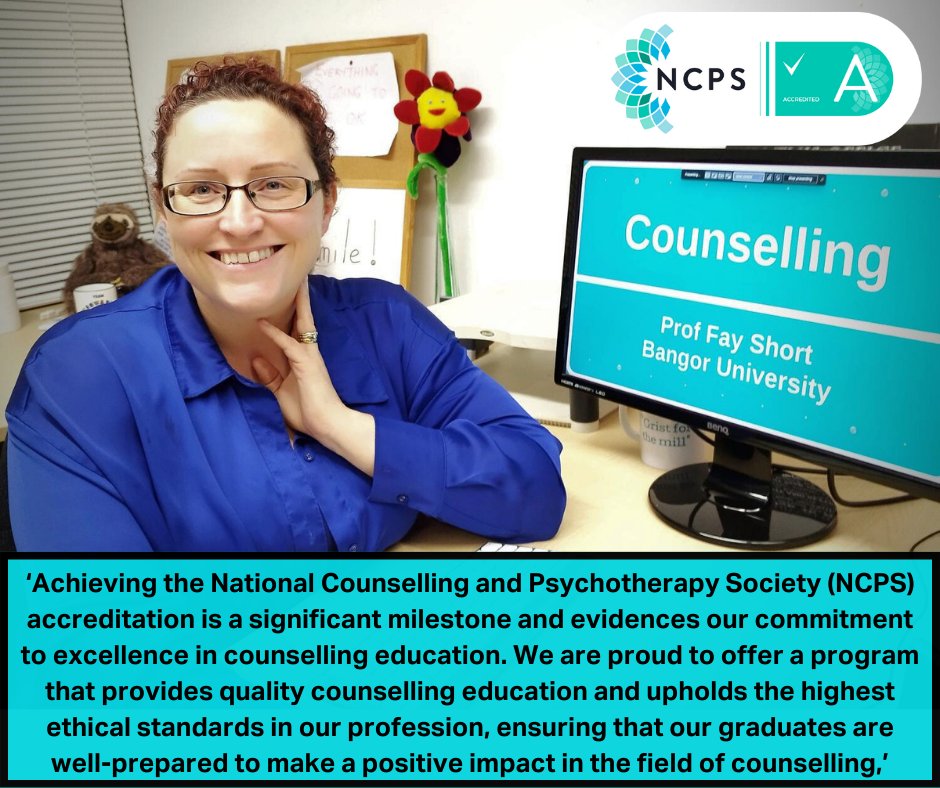
Professor Fay Short explains how one can become a counsellor in the UK. One of the routes is to study Psychology @BangorUni and then do an MSc in Counselling, when students can do an integrated placement working with clients. It's not too late to apply to study this September!
My daughter in year 6 is studying the Mayans this term.
The Mayans are heavily associated with chocolate.
So their school trip this term is to Cadbury's world.
That is exactly what primary school is all about.
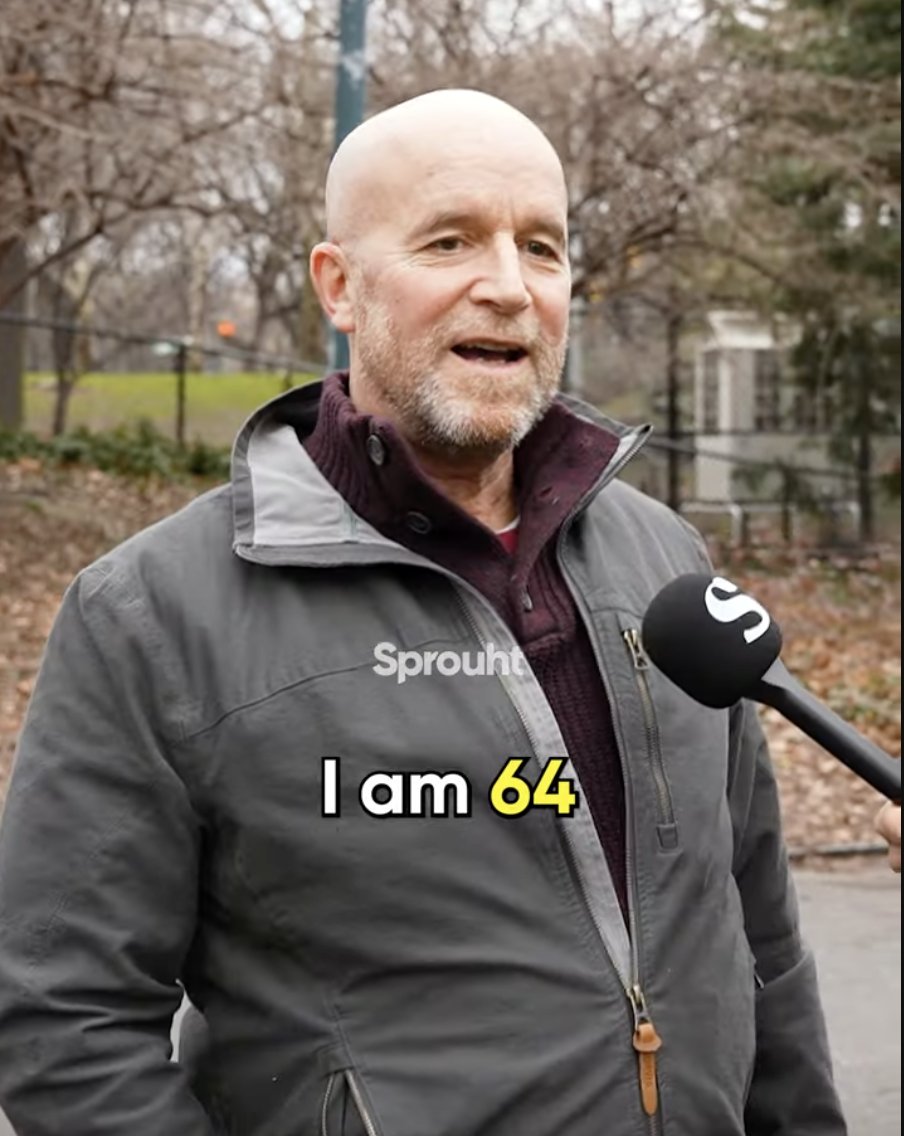
I found a guy on YouTube who asks 60, 70, 80, and 90-year-olds:
• Their biggest mistakes
• What they used to worry about
• One piece of advice for their younger self
Wildly enough, they all pretty much mention the same things.
Here are my top 7:
Are you Lumping or Splitting?
The brain strives to make sense of the world, and must categorize new experiences and encounters.
https://t.co/4ro6xrBULK
We are delighted that the MSc in Counselling course @bangoruni has recently achieved National Counselling and Psychotherapy Society @ncpscounselling accreditation. This accreditation provides recognition of the quality & professionalism of the University’s counselling programme.
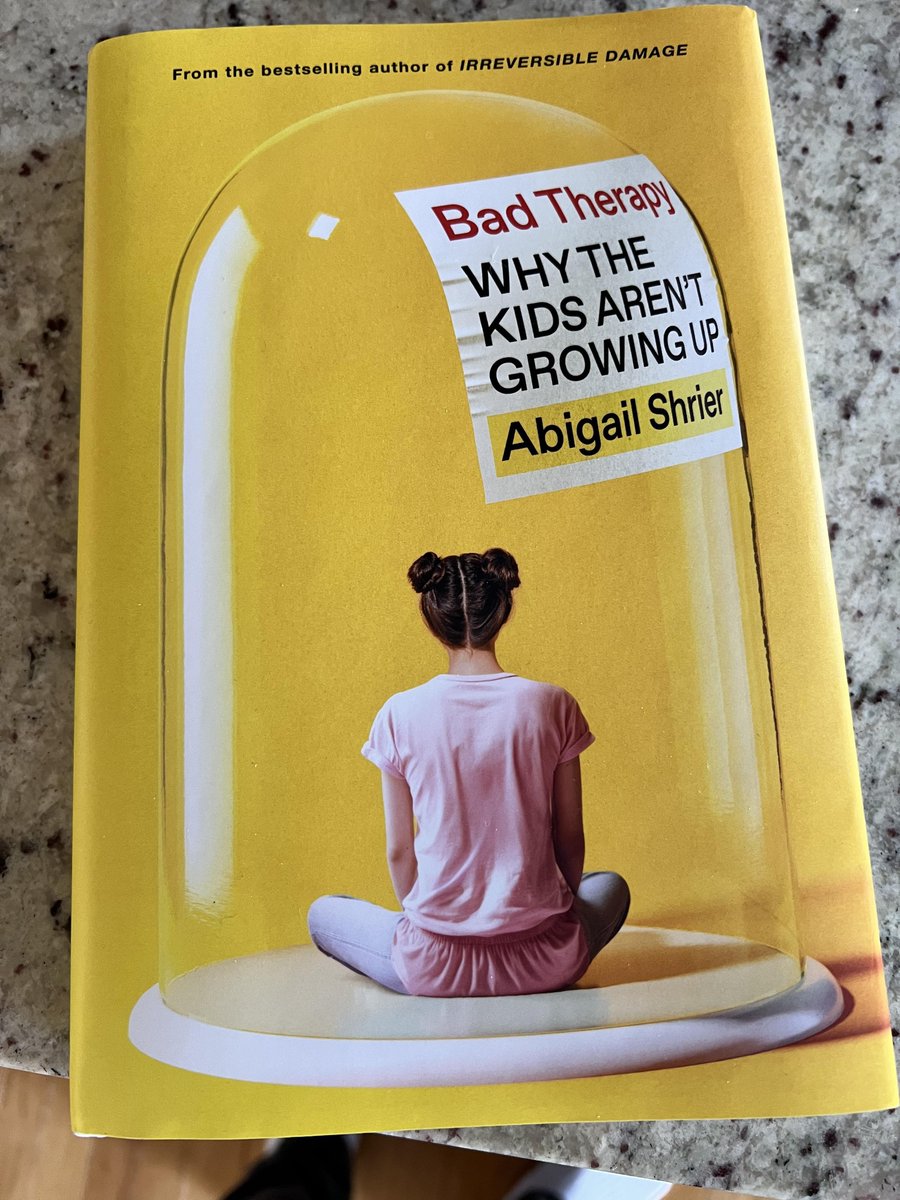
Just finished this book - Bad Therapy by @AbigailShrier
This is one of the most eye-opening books I've ever read. It's a must read for any parent, any teacher, and should be required reading for any school administrator as well.
The book dives into trying to figure out why kids are having so many mental health problems, when there are so many resources devoted to improving mental health outcomes.
Anxiety, depression, suicide, etc are all higher than they've ever been with kids, even though their lives are arguably better than ever before. It just doesn't make sense.
A few key takeaways from the book:
A constant attention on how kids are "feeling" or "thinking" is causing negative outcomes.
Constantly ruminating on your emotions and how you feel negatively impacts your mental health. If all you do is focus on your emotions, you are destined to be anxious or depressed.
We incessantly ask kids how they're feeling, if they're happy, how their mental health is, etc, and this is creating kids who think they're fragile instead of resilient.
Trying to solve every problem for kids has caused a generation who can't do anything for themselves.
We (Gen X) were told to "suck it up" or "you'll live" or "rub some dirt on it" all the time. Many of us came to the conclusion this is "bad parenting" because our feelings were neglected, and we vowed not to do this to our own children.
Because of that, kids immediately over-dramatize everything that happens to them, making mountains out of molehills, and thinking the world must revolve around their emotions and feelings.
You develop confidence and strong mental health by doing things, not by thinking or via therapy.
You can't think your way out of anxiety. You don't gain confidence by analysis of your thoughts or mental health issues.
You gain confidence and eliminate anxiety by doing gradually more difficult tasks, excelling at them, and realizing you are a competent, capable person.
The non-stop attention therapy gives to these small, common emotions we all feel blows them out of proportion to their seriousness (not talking about genuine disorders here, just normal anxieties that millions of people go to therapy to try to avoid).
One of the best ways to decrease your happiness is to chase it.
Our society constantly tells kids they should be "happy" and asks them if they are.
Happiness isn't a state you should be in 24/7. That's not realistic. Joy and bliss aren't permanent states - they are fleeting.
Contentment, stillness, and being even-keeled are much better goals to aim for mentally.
The happiest, most well adjusted kids come from families with loving parents that have strict rules for the household.
This one really set off the confirmation bias in me... I feel really blessed we have 2 well adjusted middle school kids who do great in school, are very respectful and well mannered, and we barely even need to parent them.
But for years, we were very strict with them. Bedtimes, family rules, how we do things, etc. The in-laws and lots of friends thought we were totalitarian.
In reality, we just had high standards. And it's really paying off right now. I found it really interesting that strict rules equals happy kids. Makes sense, though, as kids need to know what their boundaries are.
Constantly surveying school-age kids about their mental health causes more issues than it solves.
Mental health resources is big money. Districts need to validate all the resources allocated towards mental health, and they often do that via surveys.
Asking kids non-stop questions like:
- Have you thought about self harm?
- Have you thought about suicide?
- Have you been so anxious you can't get out of bed?
Etc, etc puts into their heads the idea that themselves, or many of their peers are broken and cannot function properly in the real world.
It normalizes situations that would be incredibly rare at any other time in history.
There's a lot of other takeaways, too, but I'll stop there.
It's a fantastic book. Go pick it up and read it. This isn't an affiliate thing or a promotion thing at all. I just really enjoyed it, and it will further shape the way I parent moving forward.