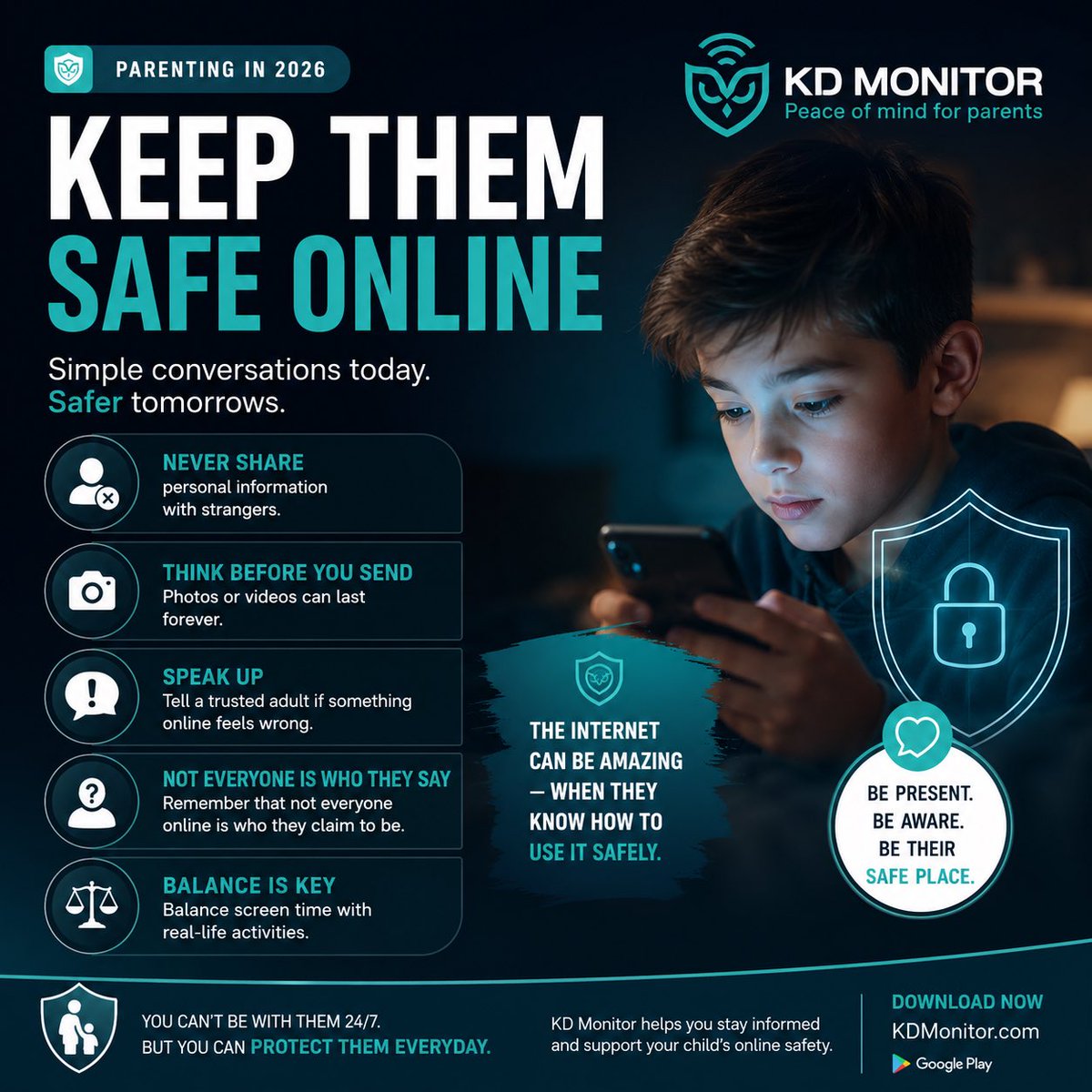
For Parents By Parents. Protecting children’s Android devices in 2026. Daily activity insights for parents.
⬇️ Download The KD Monitor App via Google Play
The Moment We Realised Parenting Had Changed ...
One evening in early 2025, we noticed something many parents are now experiencing.
Our child had just received an Android tablet for Christmas, just like many children.
They were sitting in the same room as us …
But their real social world was happening somewhere else.
It was - Inside their tablet.
Talking with friends while gaming. Chatting and texting with other children they had never met in person.
Joining voice chats.
Playing online with people from different countries.
At first, it seemed completely normal.
But over time we began to notice small changes.
⚠️ Staying online later.
⚠️ Frustration after losing games.
⚠️ Mood changes after gaming sessions.
⚠️ Less interest in offline activities.
Nothing dramatic.
Just small shifts that made us realise something important.
A big part of our children’s lives now happens inside their devices. As parents, we didn’t want to control everything they did online.
We simply wanted to stay aware of what was happening in their digital world — make sure they are safe and help protect them if something changed.
That’s the very main reasons we created the KD Monitor App for Android devices.
As parents, we wanted to help other families stay aware of their child’s online world in 2026.
📱 The KD App provides clear daily insights reports into device usage, gaming behavior, and any potential online risks.
It gives you a easy to follow daily report all about your child's device usage and what games and apps they are using.
Because modern digital parenting isn’t about the impossible task of watching everything.
It’s about using technology to stay informed and staying connected to your child’s world — even when part of that world exists online.
If your child uses an Android device, you can learn more about the KD Monitor App by clicking the following link:
Download the KD Monitor App to Your Child's Android Device Via Official Google Play Store Link.
Sign Up & Start Protecting Their Device Today.
🔗 https://t.co/9LrnDonBuX
Helping Parents & Children With Added Android Device Security and Insights.
Social Media Rules for Under-16s Are Changing Fast.
Here’s What Parents Need to Know in 2026.
As a parent, keeping up with your child’s online world can feel overwhelming.
In the past year, major shifts in rules, platform policies, and kids’ habits have made the landscape look very different, especially for those under 16.
Here’s a clear, overview of what’s happening & how you can respond.
The Biggest Change: Australia’s Under-16 Ban (and Global Ripple Effects)
In December 2025, Australia became the first country to ban under-16s from holding accounts on major platforms including TikTok, Instagram, Snapchat, YouTube, Facebook, X, Reddit, Threads, Twitch, and Kick.
Platforms must take “reasonable steps” to block or deactivate underage accounts, with heavy fines for failures.
Early results were mixed:
Millions of accounts were removed or restricted.
Usage dropped initially.
By mid-to-late 2026, data shows activity climbing back toward pre-ban levels for many apps.
A significant majority of under-16s still access restricted platforms through workarounds (fake ages, selfies that pass weak checks, secondary accounts, private browsers, or borrowing older siblings’ logins).
Many have shifted more time to unrestricted messaging apps like WhatsApp and online gaming.
Other places are following:
The UK plans a similar ban (plus extra limits on livestreaming and stranger contact) expected around spring 2027, with overnight curfews for 16–17-year-olds.
Several countries (including the UAE) have raised minimum ages.
In the US, there’s no national ban yet, but settlements (especially with Meta) now require stronger age checks, default 2-hour daily limits on Facebook/Instagram for under-18s, night blocks, muted school-hour notifications, and better parental controls.
What Usage Looks Like Right Now.
Even with restrictions:
Social media remains extremely common. In many regions, most 12–15-year-olds still have or use profiles.
YouTube is nearly universal; TikTok, Instagram, and Snapchat stay popular.
Kids are spending more time communicating with friends/family online and experimenting with AI chatbots and tools.
“Almost constant” use of certain apps continues for a notable share of teens.
These patterns matter because early, heavy social media use has been linked in studies to higher risks of anxiety, sleep disruption, body-image issues, and (in some research) lower academic performance in maths & language skills.
Practical Steps Parents Can Take Today
https://t.co/H8J7QnDfOL early & often
Ask open questions: “What apps do your friends use most?” “Have you noticed any age checks lately?” “What do you like (or dislike) about being online?” Focus on values, kindness, privacy, sleep, rather than just rules.
2.Use the tools that exist
- Enable parental controls and family pairing features on devices and major apps.
- Set screen-time limits, downtime schedules, and content filters at the device level (Apple Screen Time, Google Family Link, KD Monitor App).
- Check age-assurance settings & report underage accounts when you find them.
3.Expect (and plan for) workarounds. Many kids find ways around bans.
Assume your child may still see content and focus on building critical-thinking skills: how to spot manipulation, when to step away, and why sleep and real-life friendships matter more than likes.
4.Create offline anchors Prioritise family routines, sports, hobbies, and face-to-face time. Offer alternatives so social media doesn’t feel like the only source of connection or entertainment.
5.Stay informed & flexible Rules and platform features keep evolving. Follow official sources such as your country’s eSafety or online-safety regulator, and reputable research organisations.
6.Model the behaviour you want. Kids notice when adults are constantly on their phones. Putting your own device down sends a powerful message.
Meta is guilty of harming kids—& now it’s starting to pay a real price. This landmark settlement, staggering in penalties & important changes, only heightened the urgency & need for the Kids Online Safety Act to become law now. https://t.co/p7cinkMewl
It's time to have that talk with your kids — the one about using protection when it comes to technology and how to stay safe online. Not sure where to start? We made a list for you: https://t.co/pBIGd7TopT
Going back to school should mean feeling safe, not fearing cyberbullying again. 🎒
Today marks the launch of the new EU campaign #NotOnOurFeed to prevent cyberbullying & support young people in addressing new online risks.
Follow along: 🔗 https://t.co/dvRDu66Lt9
Ever saw weird ads online?
With the Digital Services Act:
✅Ads must be clearly labelled
🚫Minors cannot be targeted
🚫Special categories of personal data are forbidden
Discover your online rights: https://t.co/OAUDfJ5Amp
#DSA
Consider others’ feelings – or other effects it may have on them – before posting or publishing information or images/video about them without their permission. This includes your own children and other family members #onlinerespect https://t.co/ewWn3y5vfh
How do you know if you're talking to AI or looking at AI-generated content?
From 2nd August 2026, new transparency measures under the EU AI Act mean you'll now see clearer signs when AI is involved.
If you're curious to know more: 🔗 https://t.co/zI54WxNZtP
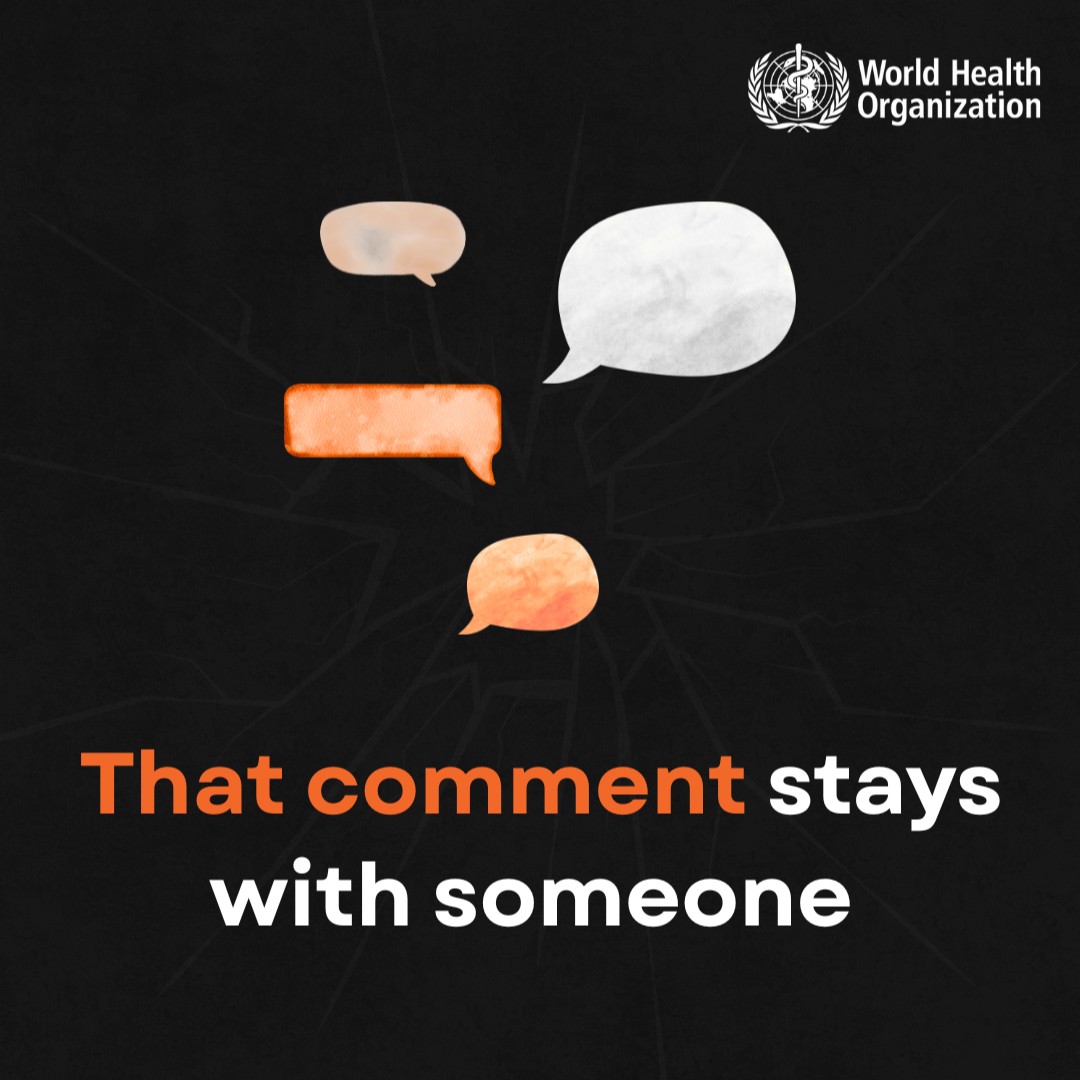
Words received online can have real, lasting impact on someone.
They can affect mental health and well-being.
Be respectful towards others.
Pause and think before you comment or share.
You don’t want to think about it, but your kids are sharing all sorts online. It’s awkward, but you need to talk about it.
Want to keep your kids safer online? We’ve got resources to help you take on the awkward topics – and to get them to think before sharing nudes: https://t.co/heAqIbcaGj.
🚨 Your child doesn’t need to leave the house to face danger anymore.
In 2026, many of the biggest risks to children come through the device in their hands.
Many parents know where their children are after school …
But do you know:
❓ Which apps they use?
❓ Who they talk to?
❓ How much time they spend online?
❓ Which games have hidden chat features?
The internet is a great place to learn, create, and connect, but it also brings risks that didn’t exist a generation ago.
Here are 5 simple steps every parent should take:
✅ Talk regularly about online safety without judgement.
✅ Keep devices updated and use parental controls.
✅ Know which apps and games your child uses.
✅ Encourage them to speak up if something online makes them uncomfortable.
✅ Set healthy screen time boundaries and lead by example.
Remember…
The goal isn’t to spy on your child. It’s to protect them while helping them become responsible digital citizens.
A few minutes of conversation today could prevent a problem tomorrow.
💙 If you’re a parent, save this post for later and share it with another parent who wants to keep their child safe online.
If your child uses an android device, download the KD Monitor App for Parents and receive daily updates and notifications about your child’s device usage and safety information.
Download the KD Monitor App directly to Your Child's Android Device Via Official Google Play Store Link.
Download to your child’s device.
Sign Up & Start Protecting Your Child and Yourself Today.
Google Play Store 🔗 https://t.co/ACLTd947A2
#OnlineSafety #Parenting #DigitalParenting #Android #InternetSafety #ChildSafety #ScreenTime #Family #Parents #OnlineProtection #StaySafeOnline
Parents warned over explicit WhatsApp group and advised to ensure that they know how to check and update their child's privacy settings, and report inappropriate content through social media and messaging platforms https://t.co/SapgvccEgY
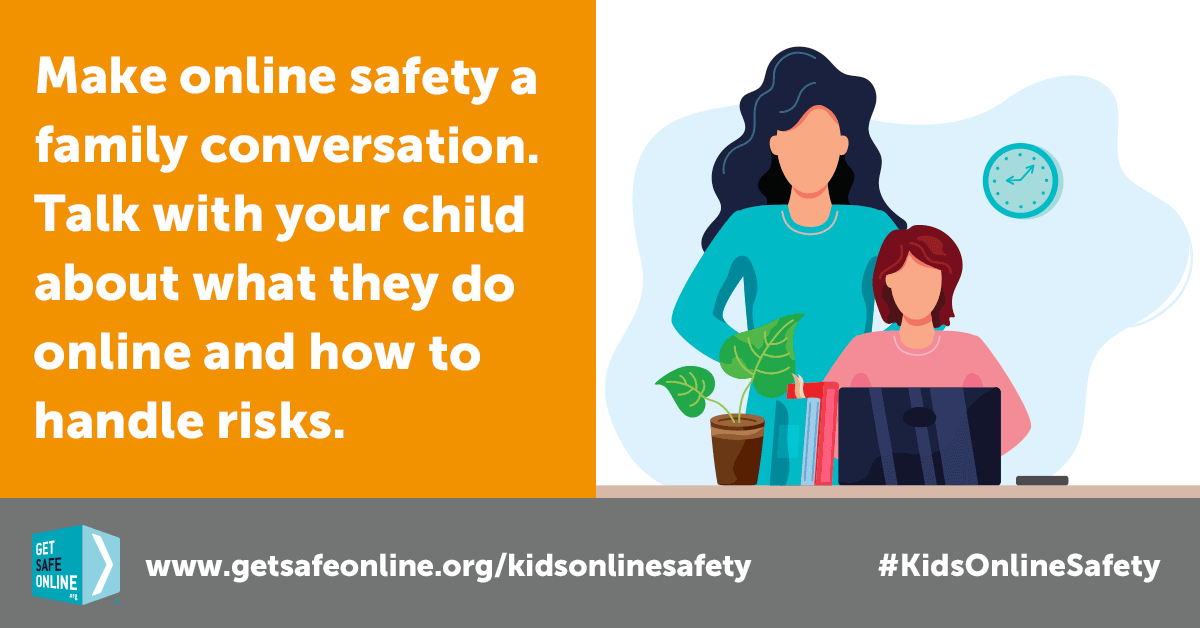
Make online safety a family conversation. Talk with your child about what they do online and how to handle risks #KidsOnlineSafety https://t.co/M0GZHbFpfN
When online, children are exposed to a wide range of risks.
According to the Special @EurobarometerEU on the Digital Decade 2026, 92% of Europeans say protecting children online should be an EU priority, calling for stronger protections.
Learn more: https://t.co/sNn20FJa3y
Europeans are worried about the risks children face on social media.
The new @EurobarometerEU shows that most citizens want the EU to do more to protect children online, from harmful content to the misuse of children's personal data.
Learn more: https://t.co/4Z42H8X4KD
Children are asking for a safer online world.
We asked Europeans aged 12–17 for their views on apps, websites, games & social media:
🚸80% support rules for loot boxes
🚸78% support age limits
🚸48% want controls on features like infinite scroll
https://t.co/NCxX9bTEbL
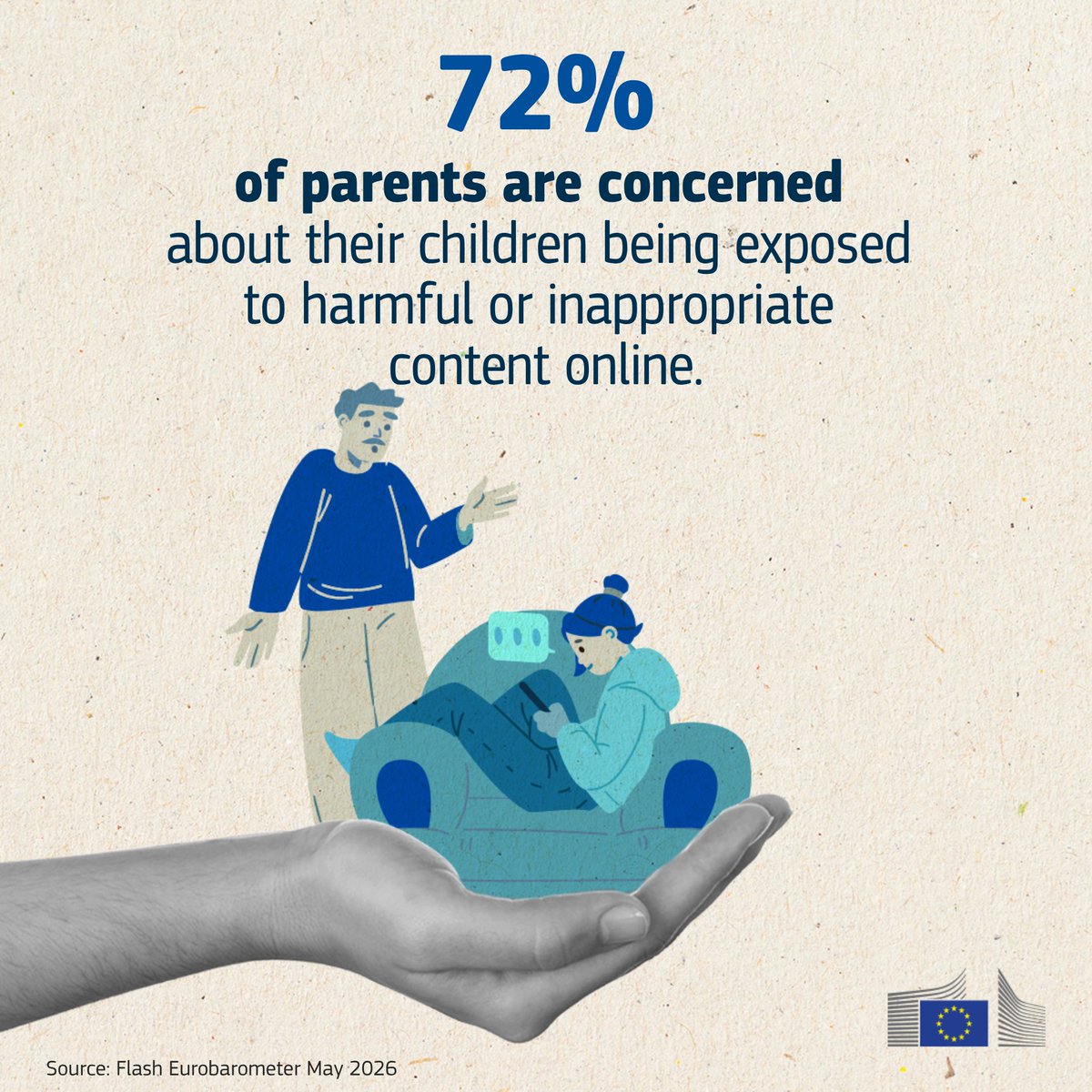
Parents are concerned about the impact of screens on their children:
🔹72%: worry about exposure to harmful content
🔹61%: children being contacted by strangers
🔹54%: the impact of screens on sleep
🔹51%: the impact on school performance
Learn more: https://t.co/YbzRheFPuf
In the EU, social media platforms are accountable for their addictive designs.
Our investigation of Instagram and Facebook shows Meta has not adequately assessed the risks of features such as infinite scroll, autoplay, push notifications, and recommender systems.
Meta can now exercise its right to defence before these preliminary findings are confirmed.
https://t.co/OpJ4B0nS2W
Renew Europe continues to fight for long-term solutions to protect children online with common rules & an EU child protection Center.
Temporary fixes aren’t the answer.
We welcome our success to protect end-to-end encryption.
@IJoveva@hildevautmans
https://t.co/nQn2D5CiIW
Children and teenagers are helping shape Europe's digital consumer laws.
Nearly 5,000 children and teenagers from across the EU shared their views on a safer, fairer online world, with stronger protections against harmful online practices.