If anyone is interested in player development, have a look at this link. If interested in booking a Motor Preferences' assessment DM me. We are America's first instructors trained by MPE.https://t.co/Yb9Zc8VZRG
The goal of Motor Preferences is to help athletes find positions where they're most balanced, can see clearly, and can perform at their best.
When an athlete isn't balanced, even slightly, movement may require more effort and energy.
And imbalance doesn't always mean someone is falling over. Sometimes it's small compensations that build up over time, potentially affecting consistency and increasing physical stress.
We're not trying to change what makes an athlete great. We're trying to put them in the best position to use what they already have.
Learn more about Motor Preferences and individual movement: https://t.co/NLEi9HEiRg
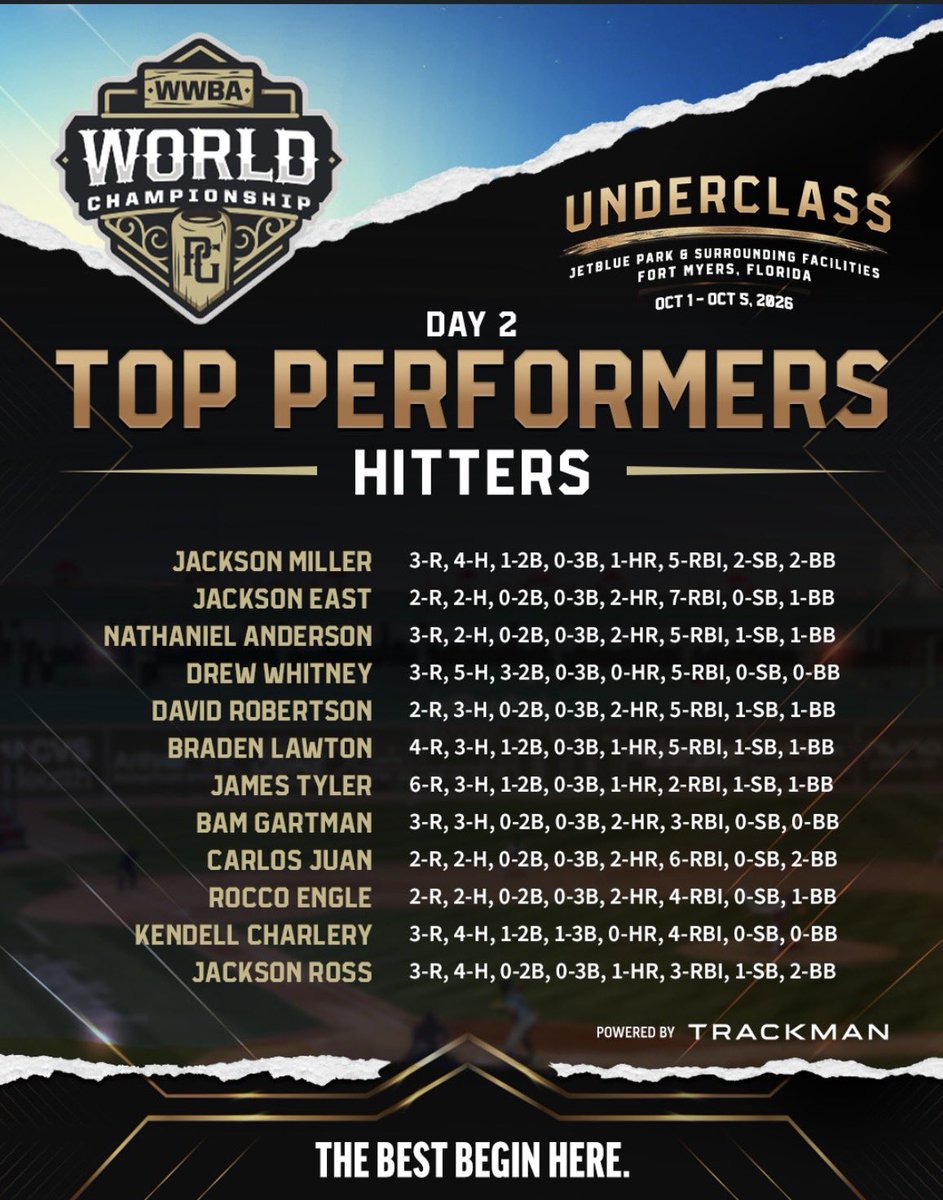
Thank you Coaches Dragum, Saunders and the rest of @IBShowcase_BB for the opportunity & support the last 2 seasons. Stacking days until spring 📈
Fall Stats (9 games):
.455 AVG | .818 SLG | 1.354 OPS
10 H | 1 HR | 3 2B | 1 3B | 13 R
@RMCJackets@KIMEPerformance@PrepBaseballVA
Northern Virginia coaches!
Our Level 1 Motor Preferences Clinic is coming to Centreville, VA.
Two days learning the foundations of MP, plus access to a community of coaches continuing to learn and apply these concepts.
Details & registration: https://t.co/t0fyOuhWC2
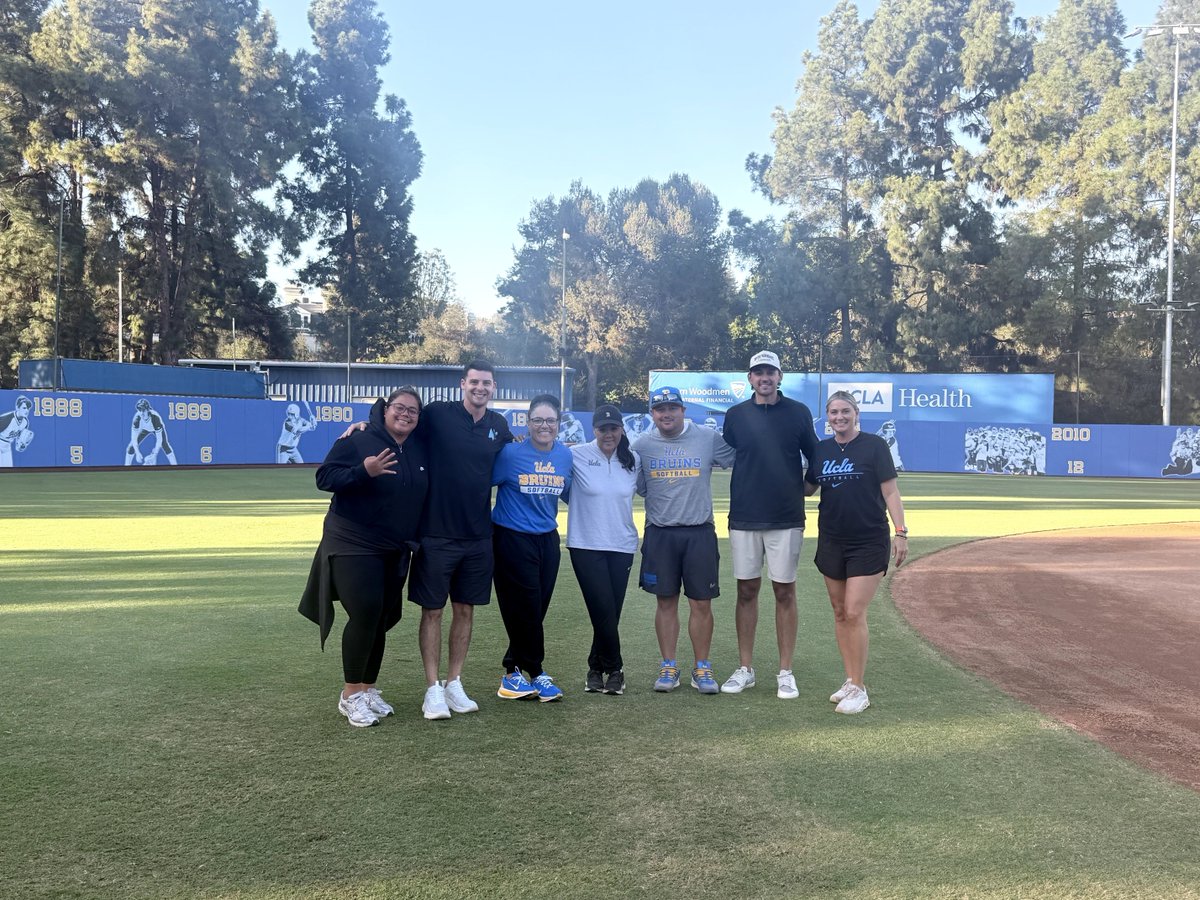
Back with UCLA Softball this week.
We assessed players, broke down video with the staff and went deeper into topics we introduced last year.
That’s one of the benefits of working with a program over time. You can move beyond introducing concepts and start having more specific conversations around the athletes they’re actually coaching.
Appreciate UCLA for having us back. #MPEFam
@UCLASoftball
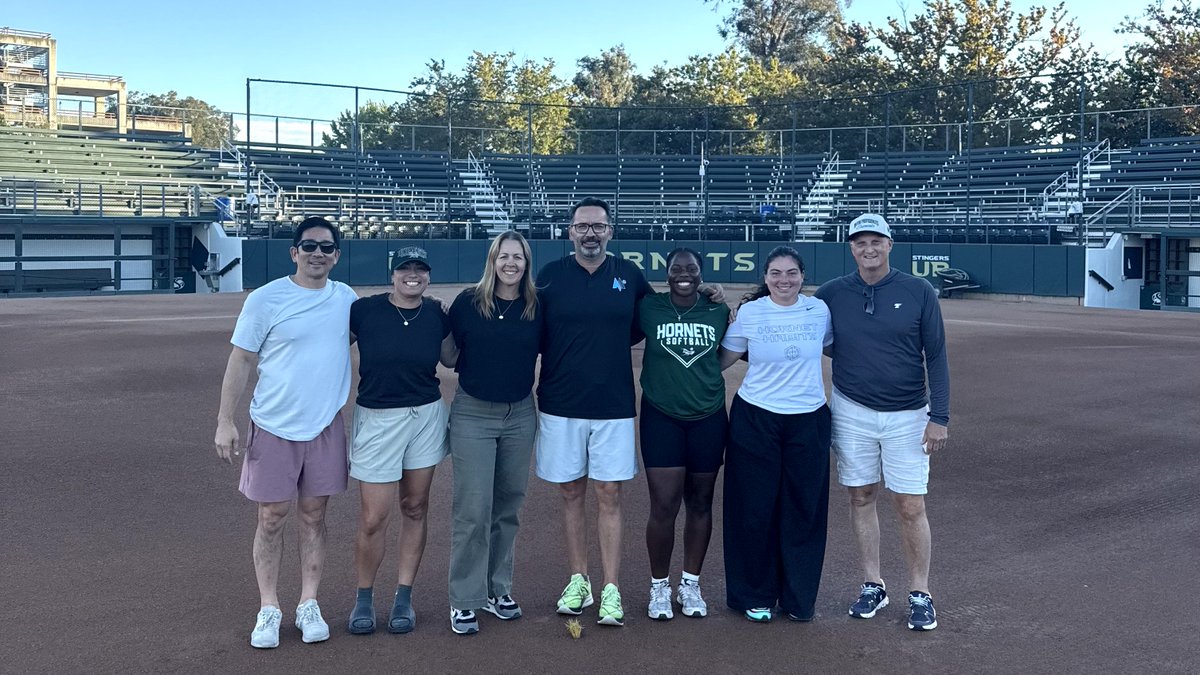
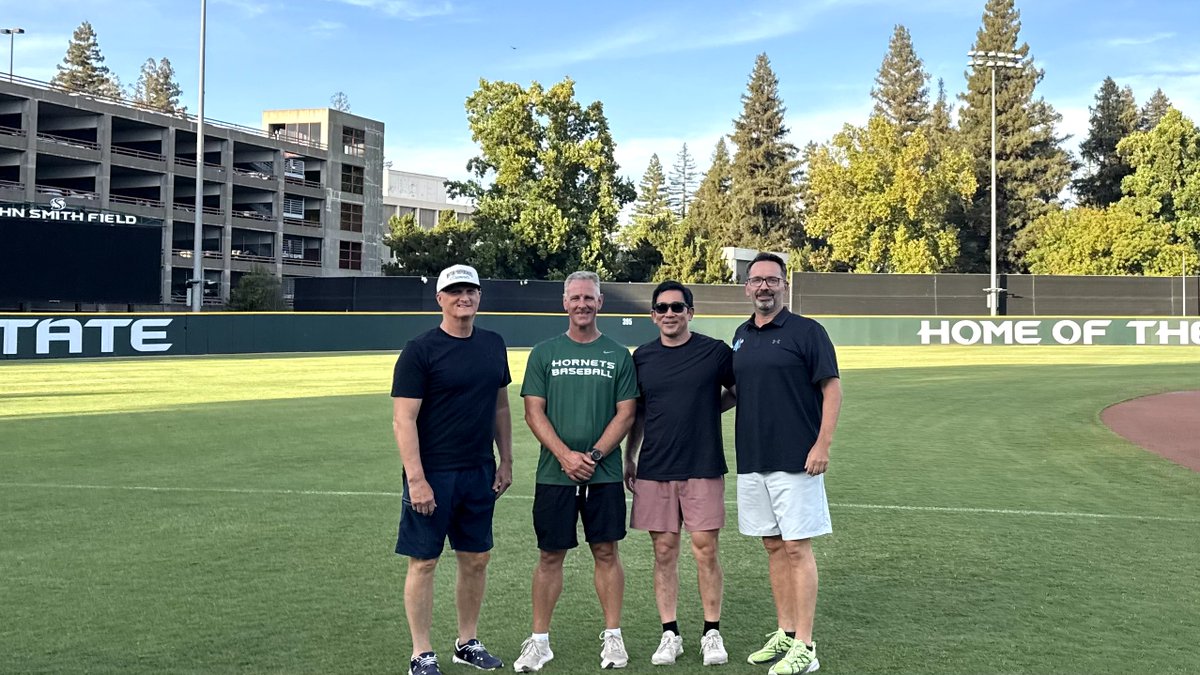
Back at Sacramento State working with Baseball + Softball 🐝
Player assessments and classroom sessions building on what we started last year.
A lot of what we do comes back to balance and coordination. The better an athlete can find both, the more opportunity they have to move efficiently.
Appreciate both staffs for having us back!
@SacStBaseball@SacStSoftball
#MPEFam
Think of Motor Preferences like a tool belt.
A tool belt helps organize which tools may be useful for the job and which ones may not be.
Think about a hammer and a screwdriver. You may be able to complete the same task with either one, but depending on the job, one is probably going to be more efficient than the other.
Same goes for working with players.
Motor Preferences doesn’t replace your coaching philosophy, your eyes, your experience, video, data or conversations with the athlete.
It gives you another piece of information to help understand which tools may make sense for the player in front of you.
Sometimes that may help explain why a cue works really well for one athlete and not another.
Sometimes it gives you another solution to explore when something isn’t clicking.
And sometimes it may confirm that what the athlete is already doing makes sense for them.
The more we can learn about the athlete in front of us, the more information we have to work with.
Sometimes athletes have a hard time trusting when something feels too easy.
We’ll have athletes tell us they feel free and easy. The ball is coming off better. Their metrics improve.
And yet they keep searching for more.
Almost like if their body isn’t working really hard, it doesn’t feel like they’re doing enough.
I get it. If I go for a run and finish without dripping sweat, part of me feels like I didn’t really work out.
There’s a certain sweat equity we associate with improvement.
But harder doesn’t always mean better.
That’s something we think about a lot with Motor Preferences.
If an athlete is performing well and telling us something feels natural or easy, that’s information worth paying attention to.