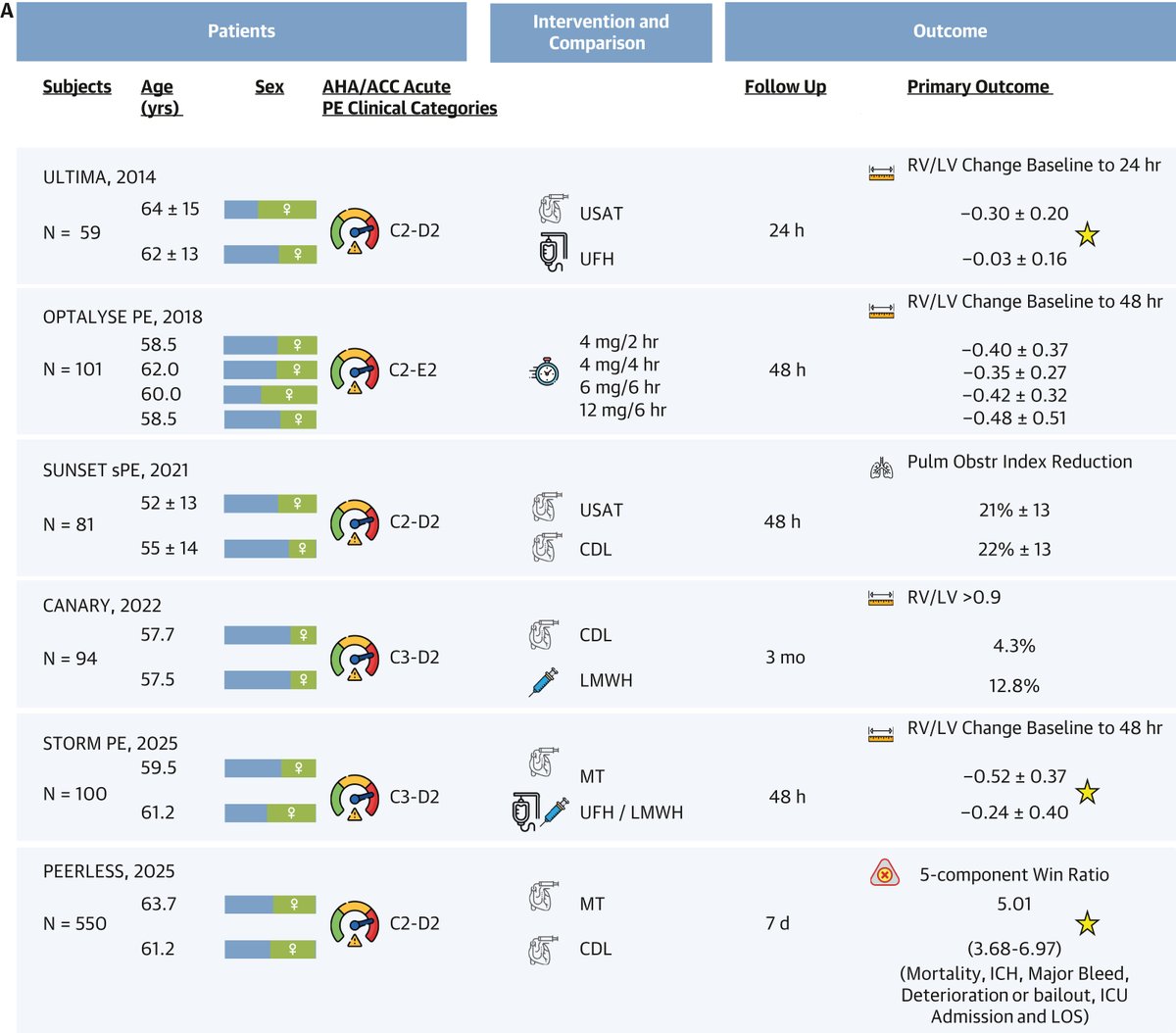
In patients with pulmonary embolism, ultrasound-facilitated, catheter-directed fibrinolysis led to a lower risk of a composite of major adverse outcomes than anticoagulation alone. Full HI-PEITHO trial results and Research Summary: https://t.co/2EUkQM91GT
Similar ICH rates were observed for patients treated with DOACs and LMWH. No major ICH were observed in patients receiving DOACs. Read in Blood VTH: https://t.co/CfHrgqudnR
1/14
Why can't you use direct oral anticoagulants (DOACs) in patients with mechanical valves (MVs)?
DOACs have been one of the most important advances in my career. And yet, the presence of a MV is one of the few contraindications.
The reason highlights the unique nature of thrombus formation in those with a MV and provides insights into the evolution of human hemostasis.
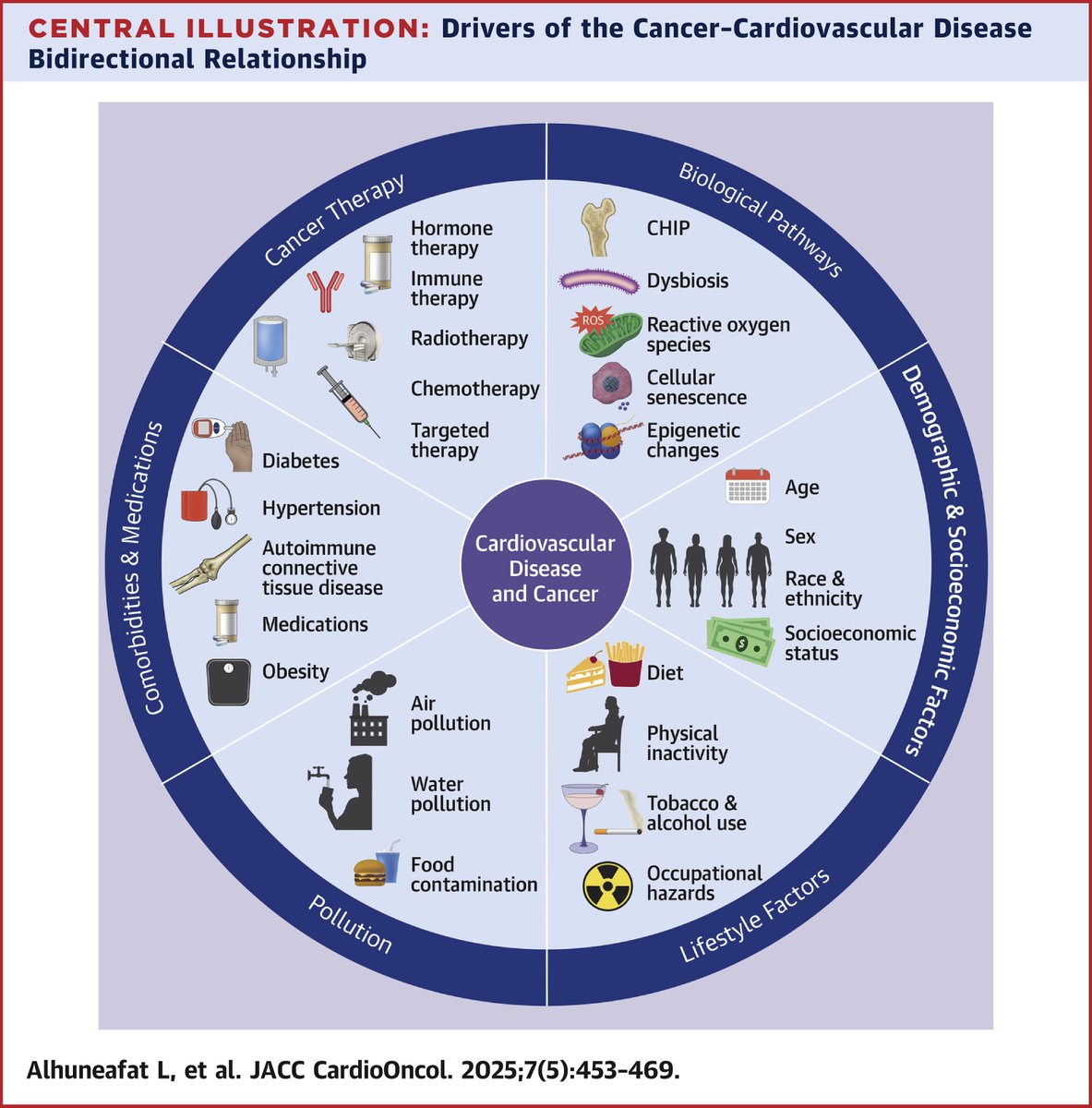
Cancer & #CVD share overlapping risk factors & biologic pathways, creating opportunities for integrated prevention. Inflammation, oxidative stress, epigenetic dysregulation & clonal hematopoiesis help drive both diseases https://t.co/rCIJHX4ydm #JACCCardioOnc#cvPrev@LAlhuneafat
Viscoelastic testing of whole blood identifies delayed clot formation and altered fibrinolysis. ROTEM parameters discriminate patients with BDUC vs healthy controls well but do not predict bleeding severity or bleeding risk. Read in Blood VTH: https://t.co/lgJOIKhCr6
Great to see this in print! 👇🏼👇🏼👇🏼
Prevalence of Potentially Inappropriate Apixaban Prescribing Within a Single‐Centre Tertiary Hospital - Creeper - 2026 - Australasian Journal on Ageing - Wiley Online Library https://t.co/5PJ84lJW2o
Catheter-based therapies are playing an increasingly important role in the care of pulmonary embolism. This article explores their place in the new guideline framework: https://t.co/onA8LAfWN7
#JACC#PulmonaryEmbolism#CathLab@GBarnesMD
Presented at #ACC26:
In patients with pulmonary embolism, ultrasound-facilitated, catheter-directed fibrinolysis led to a lower risk of a composite of major adverse outcomes than anticoagulation alone. Full HI-PEITHO trial results: https://t.co/itevLNqK0Z
Editorial: Advanced Therapy for Intermediate-Risk Pulmonary Embolism https://t.co/4YIifUjCwH
@ACCinTouch
We know much more about the treating thrombosis with blood thinners than about their main side effect, bleeding. We hope our manuscript describing over 350,000 patients will add add to our understanding of bleeding associated with the most commonly used blood thinners。
this work shows that #apixaban would not be a suitable agent for breastfeeding women during the postnatal period, while #rivaroxaban shows significant promise due to low infant exposure and warrants further investigation. https://t.co/AC3hWjPJ6T
The heartbreaking and untimely passing of beloved actress, Catherine O’Hara, reminds us why the work to diagnose and treat pulmonary embolism is so critical. PERT Consortium sends our deepest sympathies to Ms. O’Hara’s family and loved ones during this difficult time. 💔
https://t.co/NmqaCbYmdY
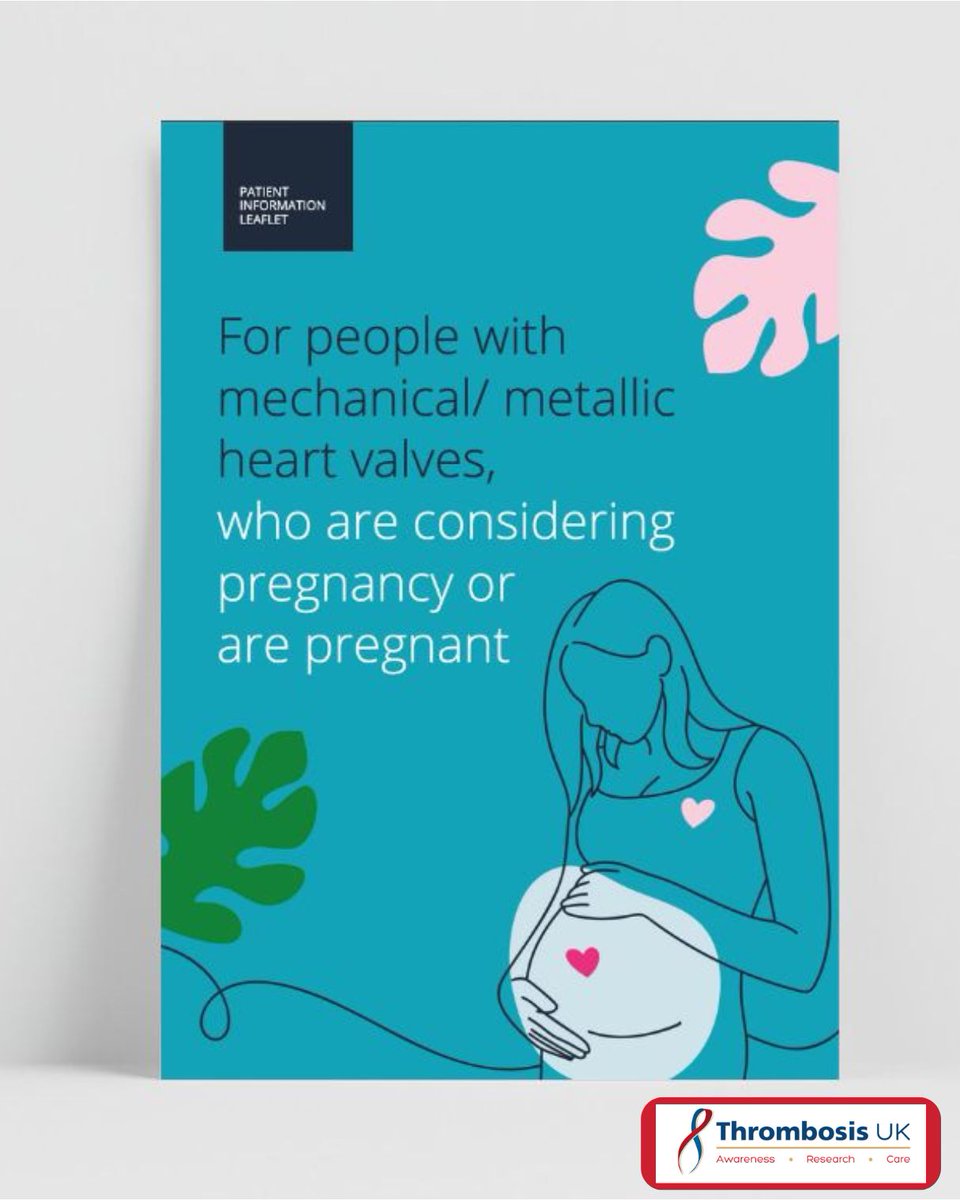
Thrombosis UK has co-created this leaflet for people with mechanical/ metallic heart valves, who are considering pregnancy or are pregnant. Please click the link https://t.co/UtvqDaT1wF
#TUK#ThrombosisUK#pregnancy
Now at poster 6058 - persistent symptom burden in survivors of stem cell transplantation. despite cure; many patients have notable fatigue, sexual dysfunction and sleep disturbance - areas for future improvement! #ASH2025#bmtsm#survivorship@MDAndersonNews
Very proud to present our work on clonal dynamics of relapse in FLT-ITD mutant AML post HCT. Three relapse archetypes emerging: FLT3 persistence, loss and ITD/TKD change - all with their own therapeutic implications. #ASH25#amlsm#bmtsm@MDAndersonNews@sanamloghavi