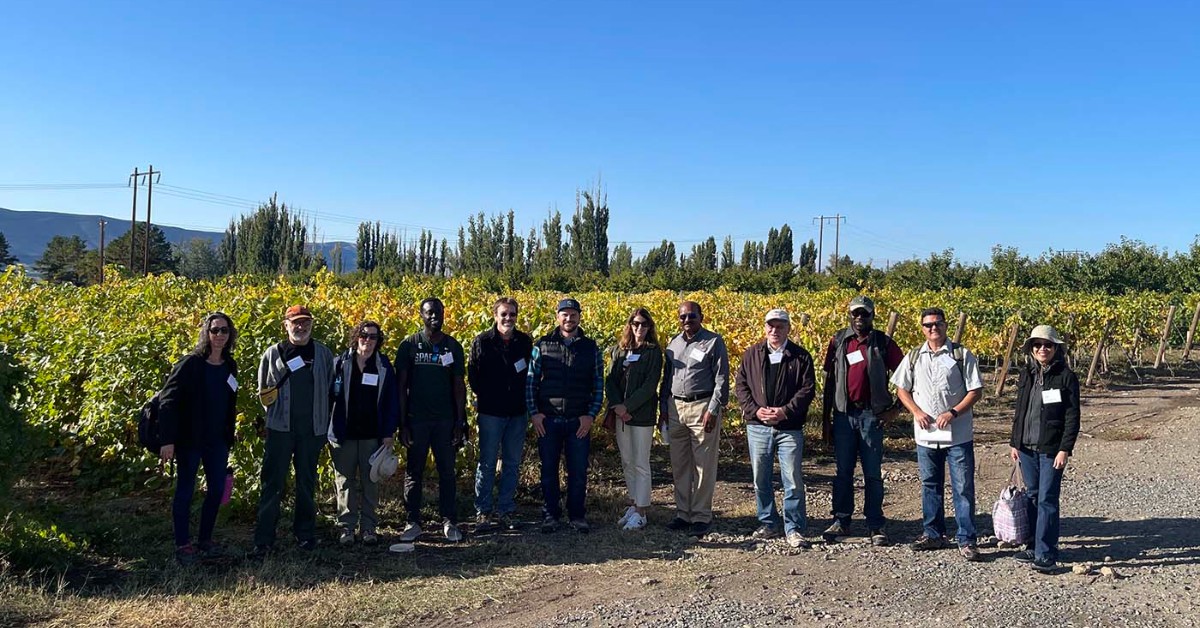
#Grapevine viruses represent a grave threat to the west coast #WineIndustry.
To better understand these viruses and improving their management, a National Academies expert committee recently visited vineyards and @WSU_IAREC in Washington.
Learn more: https://t.co/4mHLV1jyQi
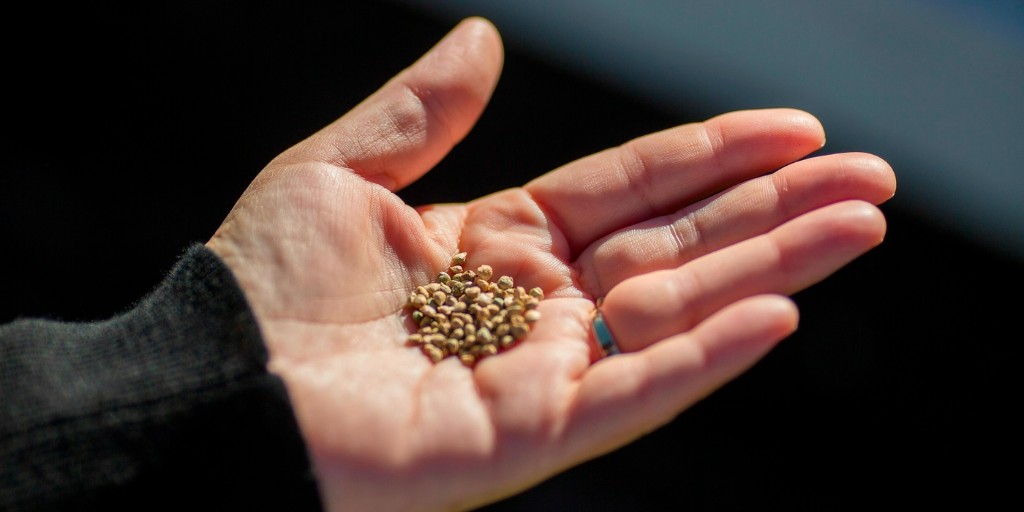
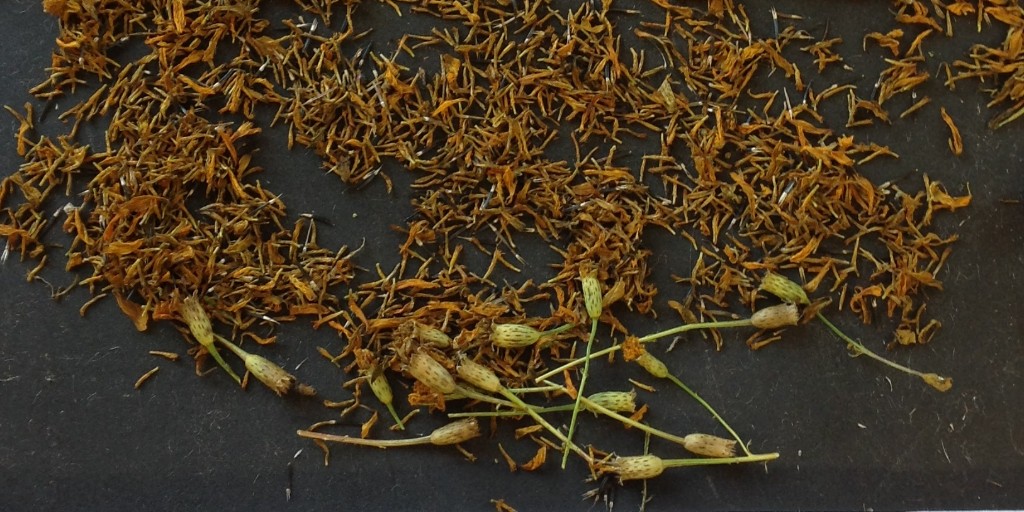
Our recent report has helped spur actions from the @USDA and other groups to address the national #NativeSeed shortage.
Learn about recent efforts to to support #resoration and #conservation efforts for #NativePlants by increasing our native seeds supply: https://t.co/2KpJXIiQn2
Catch up on the latest chronic wasting disease news in today's CIDRAP CWD Newsletter, with stories on a national academy's plans to review the state of knowledge about modes of transmission and geographic spread, and more
#chronicwastingdisease#CWD
https://t.co/FQOgrnDRqo
#ClimateChange is responsible for an increase in the intensity and frequency of #wildfires, but wildfires also produce #emissions that further contribute to climate change.
Learn about our recent workshop on emissions from wildfires from @CarbonBrief: https://t.co/5Xl3D0qo0C
#GeoAI may help to automate the understanding and prediction of patterns, events, behaviors, and relationships in #geography.
Learn about the future of #mapping with #AI and implications for digital resilience at our May 22 meeting: https://t.co/AOAOwGo2yj
Our recent report has helped spur actions from @USDA as well as state and local groups to build a more robust native seed supply.
Learn about recent efforts to address the #NativeSeeds shortage and support #resoration and #conservation efforts: https://t.co/SpQEct5Wig
Climate change impacts air quality which can cause breathing problems and even respiratory illnesses in some people.
Read our #BasedOnScience article to learn about the impacts of #ClimateChange that contribute to decreased #AirQuality: https://t.co/Oz9blsksDJ
No model is always correct but climate models have become remarkably successful at predicting future conditions over the past few decades.
Visit our #BasedOnScience page to learn what current #climate models project about #ClimateChange: https://t.co/W2atvWfSci
"In the wake of wildfires, floods and droughts, restoring damaged landscapes and habitats requires native seeds."
Learn about our new report on addressing our nation's inadequate supply of #NativeSeeds in an article from @NPR: https://t.co/Od3p5GSu15
Our new report concludes that the current supply of #NativeSeeds is insufficient to meet demands for ecological restoration and other revegetation efforts.
Read our recommendations for building a more robust native seed supply and industry: https://t.co/5I1FsPoNGW
At a recent National Academies lecture, @ENERGY's Shalanda Baker discussed the crisis of #EnergyInsecurity and addressing long-standing inequities to pave the way for an equitable #EnergyTransition.
Read our new feature story to learn more: https://t.co/Ge6TocHJC9
#groundwater is unseen but critical to the lives of billions of people who rely on it for drinking #water and crop irrigation.
Visit our #BasedOnScience page to learn the importance of measuring changes in groundwater and how #satellites are helping: https://t.co/YV9VzW0ToR
The U.S. Department of @ENERGY is prioritizing #equity and place-based strategies in its efforts to drive a just #energytransition.
Join us December 8 for a discussion with DOE's Shalanda Baker on #energyjustice in the transition to #cleanenergy: https://t.co/ZZ6oVcWKTy
Extreme #climatechange scenarios could significantly worsen impacts and implications for society without proper planning.
Join us December 8 to explore the geographical dimensions of these scenarios and the role of new data sources and analytics: https://t.co/Qe4XfY3mIn
Climate change can cause breathing problems and even respiratory illnesses due to decreased air quality.
Read our #BasedOnScience article to learn the impacts of #climatechange that can contribute to poorer #airquality: https://t.co/BqaLts5w8M
No model is 100% correct, but over the past 50 years climate models have become remarkably successful at predicting future conditions.
Visit our #BasedOnScience page to learn more about #climate models and what they predict regarding #climatechange: https://t.co/Xd2CMltqEp
Science is one of many factors that can help inform decision-making alongside considerations such as cost, convenience, and values.
Read our #BasedOnScience page to learn more about the role of scientific evidence in decision-making: https://t.co/KLDsDX3FY0
Millions of different #microorganisms live in and around our bodies but only a few make us sick. Many #microbes are helpful or have no effect at all on our #health.
Learn more about the importance of microbes for our health and our planet: https://t.co/cGg5y36v5w #BasedOnScience