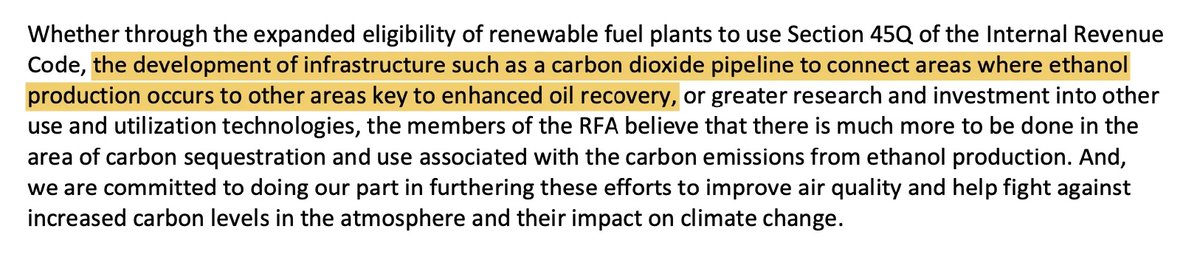
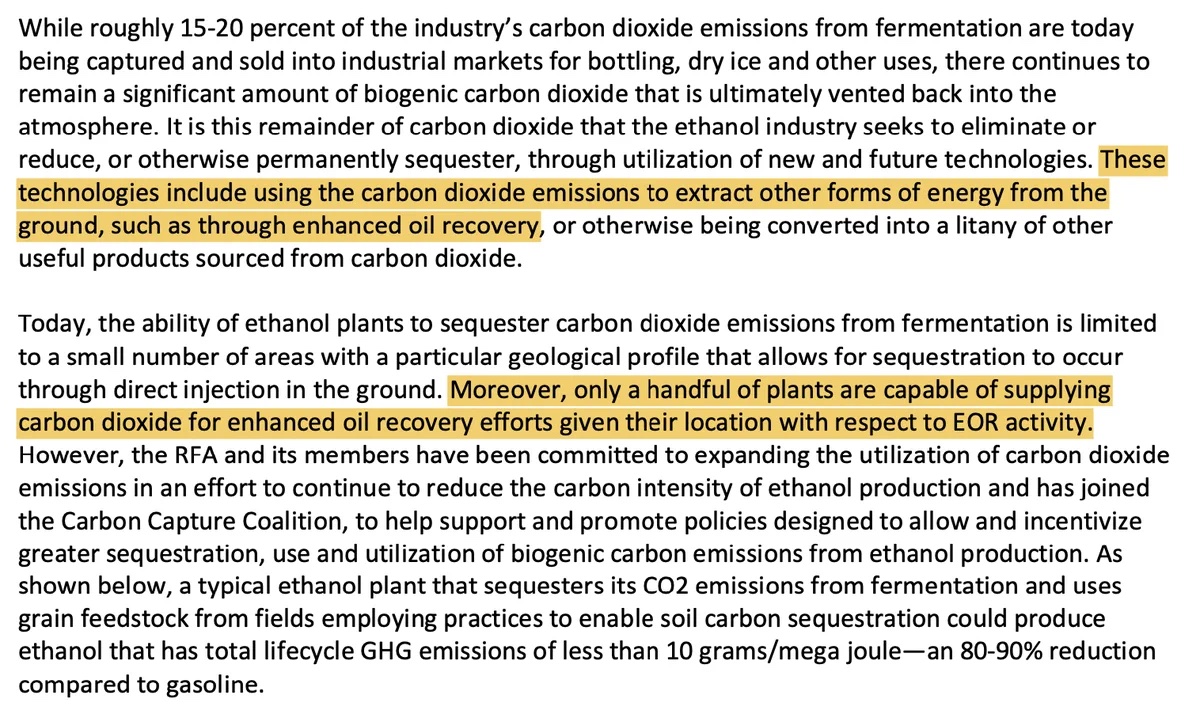
It's worth repeating—the #ethanol lobby is promoting CO2 pipelines specifically for its use in enhanced oil recovery.
Ethanol and oil interests are united for liquid fuel dependence against EVs.
More ethanol = more oil.
Here it is, in their own words:
https://t.co/BXVVzgqRFe
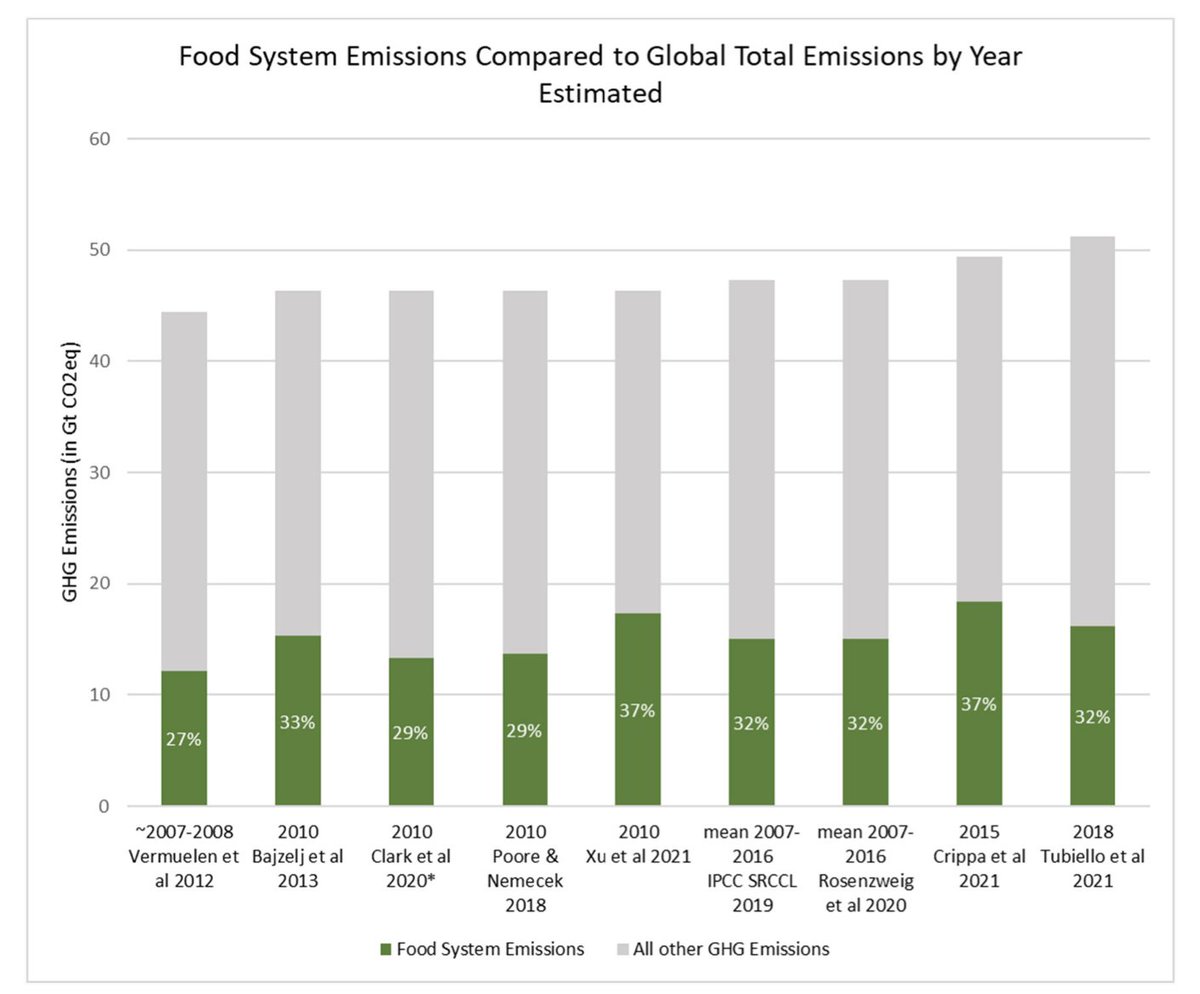
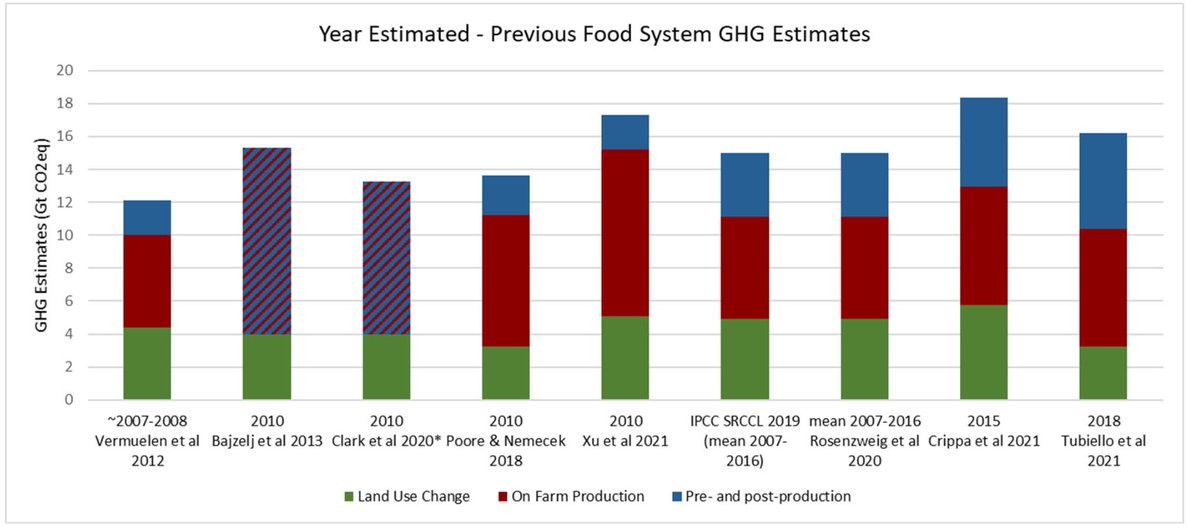
The embargo on former advisee @colgan_kimberly's doctoral dissertation just lifted, so I can now share with you this nifty and timely figure she created!
Recent estimates of global food system greenhouse gas emissions range from ~1/4 to 1/3 of total emissions.
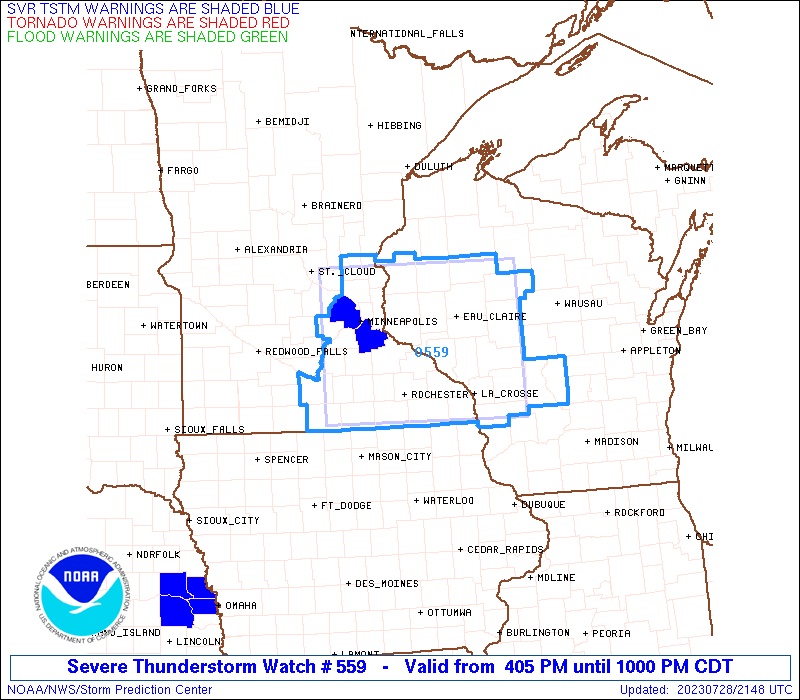
Quick question, @NWSSPC, @NWSTwinCities, @NWSWPC, or anyone else: Why are two counties in WI (Adams and Juneau) included in the watch despite being entirely beyond the light blue polygon? I've noticed this in more than a few recent watches. I must be missing something. 🤔 #mnwx
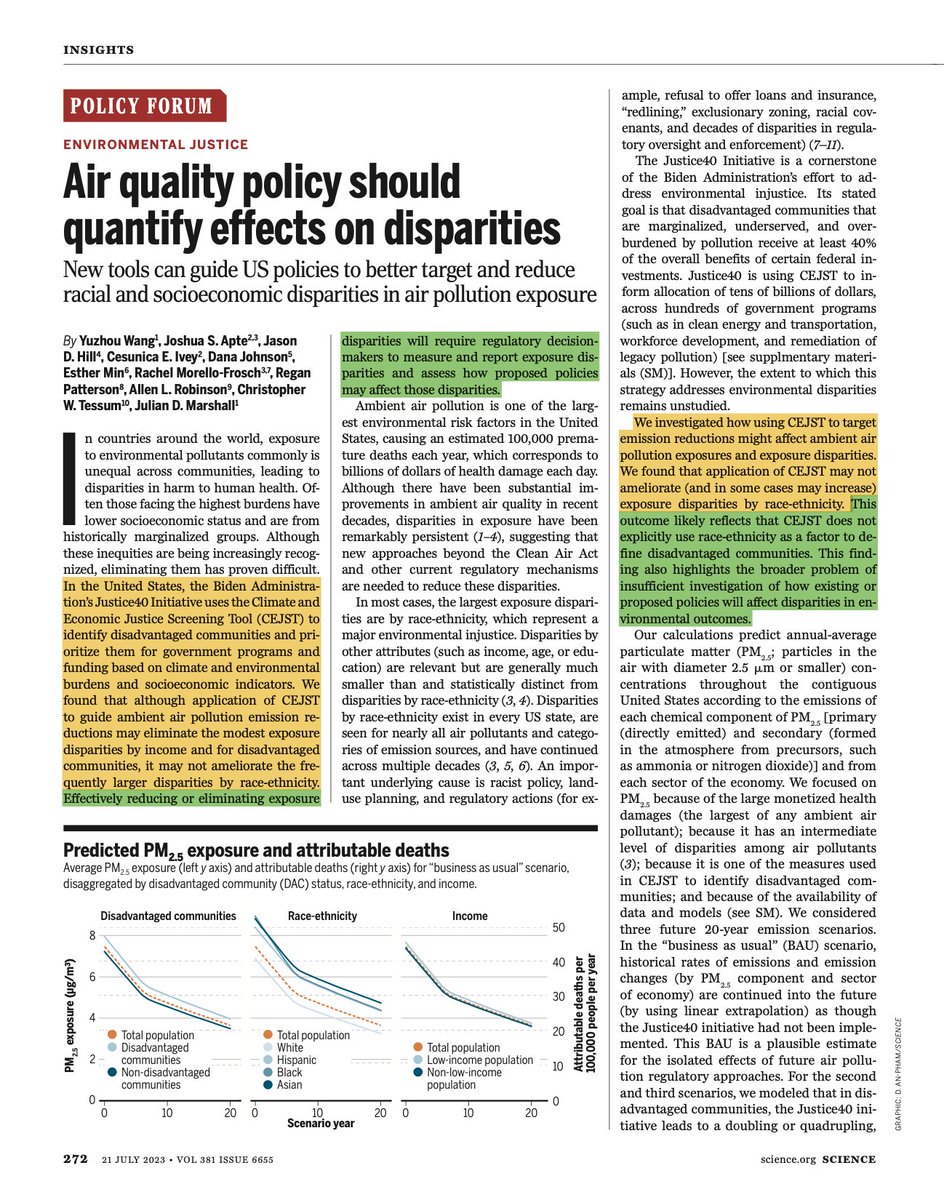
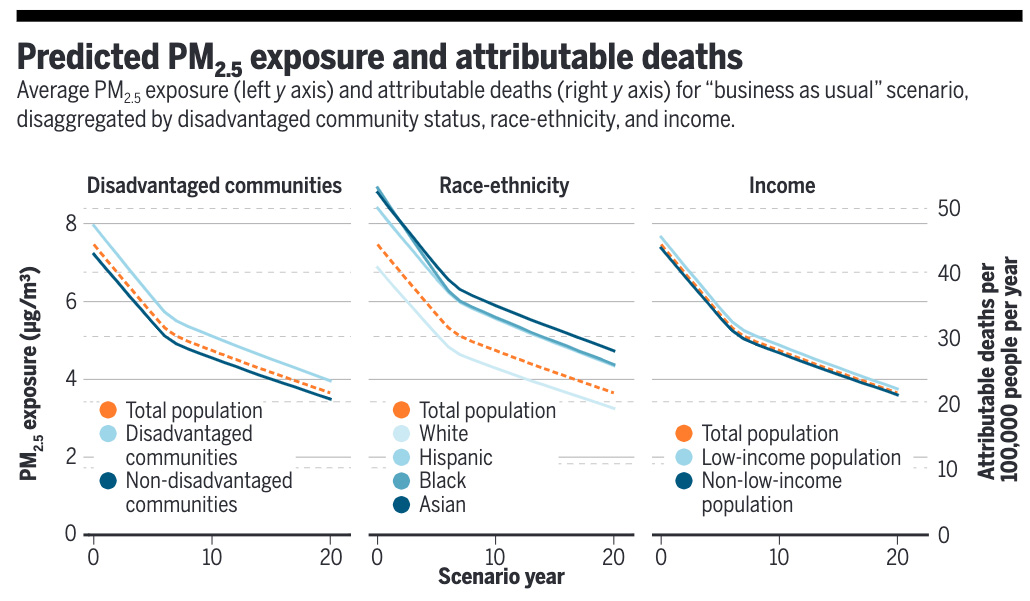
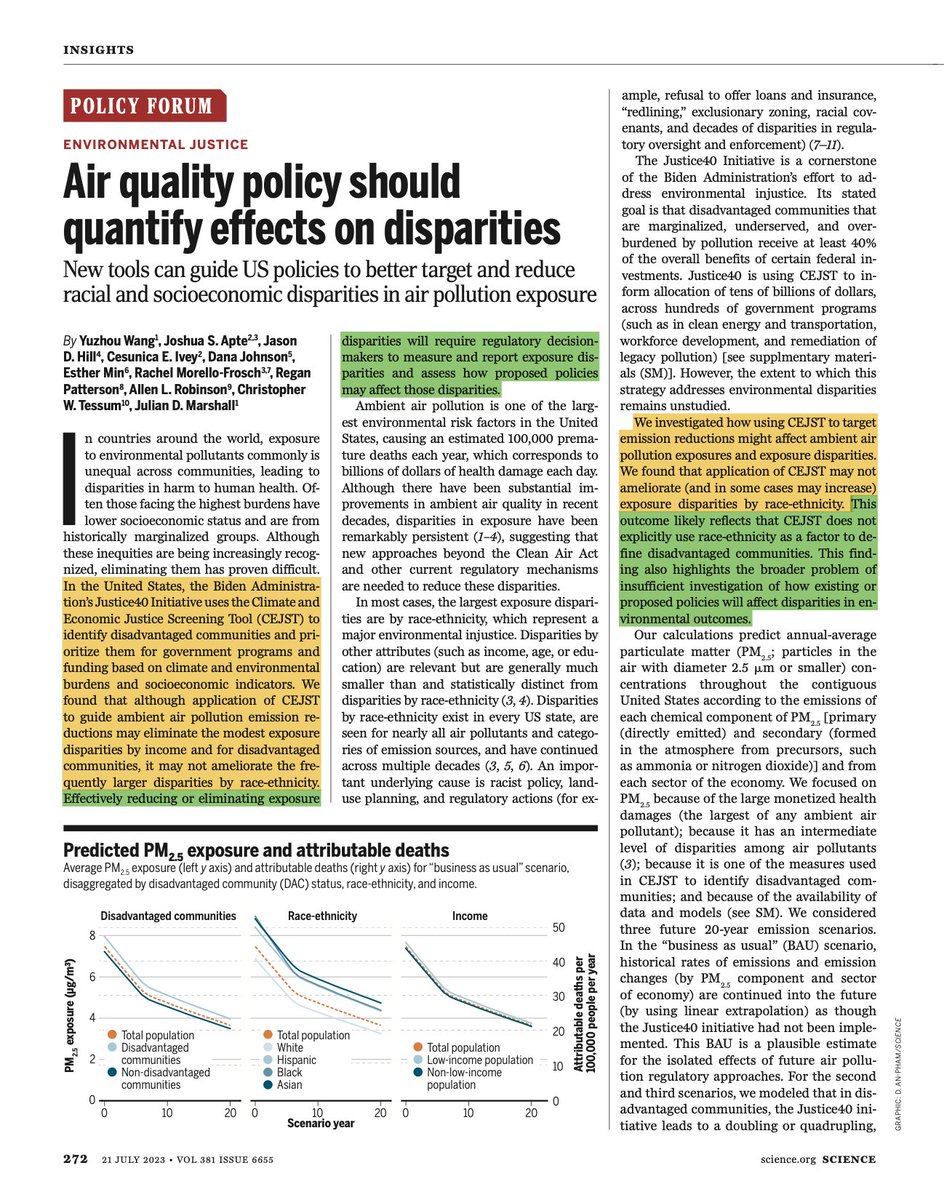
A new #SciencePolicyForum evaluates the Biden administration’s Climate and Economic Justice Screening Tool and its ability to reduce racial and socioeconomic disparities in air pollution exposure. https://t.co/A3BJpuUSd2
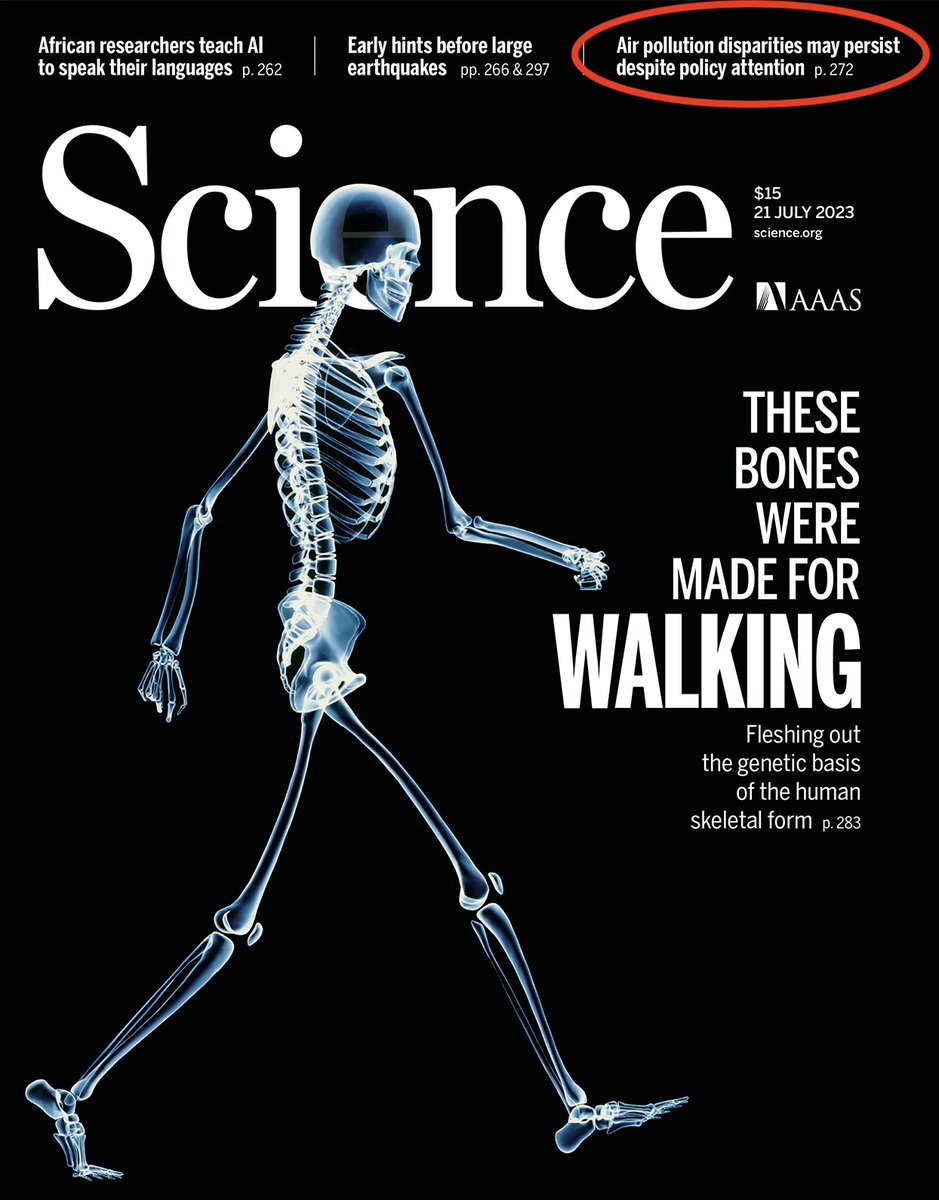
📢 New paper! This week's @ScienceMagazine Policy Forum.
"Air quality policy should quantify effects on disparities"
New tools can guide US policies to better target and reduce racial and socioeconomic disparities in air pollution exposure.
Read here: https://t.co/FwHAStpCVy
🔥📢 New paper!
"Air quality policy should quantify effects on disparities"
New tools can guide US policies to better target and reduce racial and socioeconomic disparities in air pollution exposure.
Read in @ScienceMagazine: https://t.co/XbAbYFwR27
Coverage of our new paper on #Justice40: "Air quality policy should quantify effects on disparities" in @ScienceMagazine.
"Exclusion of race in federal climate justice screening tool could worsen disparities, analysis says"
From @drewcostley at @AP.
https://t.co/QdVDDMwg4H
Recent estimates of future (2050) business-as-usual global food system #GHG emissions range from 10 to 20 Gt CO2e—a 2x difference! Notably, not one of these studies includes post-farm gate emissions. New from PhD dissertation of @colgan_kimberly.
Estimates of recent global #foodsystem#GHG emissions by stage (land-use change, on farm, or pre and post-production). Emissions year is first in each label. Study publication year is second after author names.
From PhD dissertation of @colgan_kimberly.
The embargo on former advisee @colgan_kimberly's doctoral dissertation just lifted, so I can now share with you this nifty and timely figure she created!
Recent estimates of global food system greenhouse gas emissions range from ~1/4 to 1/3 of total emissions.
As far as I can tell, the dwarf trout lily (Erythronium propullans) is the only species, plant or otherwise, endemic to Minnesota. Is this correct, @mndnr, @BellMuseum, or anyone else?
Can we achieve sustainable development while protecting the environment? How do policies that support ecosystem services help achieve this goal? I’m excited to announce our new publication in PNAS that explores these questions: https://t.co/jK4UJI81CL (1/12)
Reducing fossil fuel use is essential to stopping climate change. ⭐️Farming matters, too.⭐️
Food production alone could lead to a global temperature increase of more than 1.5°C by 2050 and of nearly 2°C by 2100, even if fossil fuel use were to end today.
https://t.co/jTXGjX2Kaq