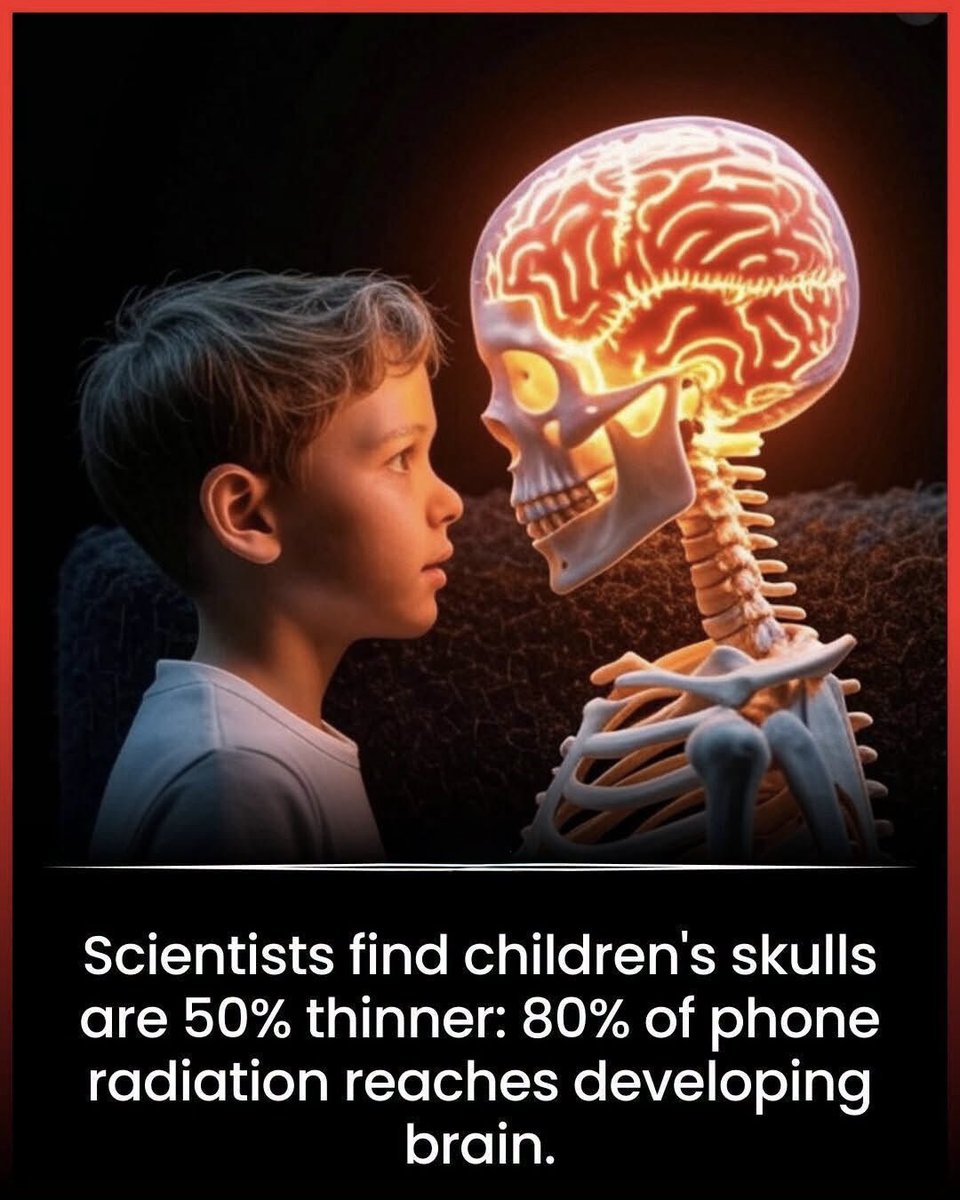
🧠 Children May Absorb More Mobile Phone Radiation Than Adults
Research found that children may absorb higher localized doses of radiofrequency energy from mobile phones than adults under certain conditions.
This is partly related to differences in head size and developing brain anatomy. However, scientists have not established that everyday mobile phone radiation causes brain damage or learning difficulties in children.
Parents can take simple precautions by encouraging speakerphone use, hands-free devices, and shorter calls.
Understanding children's exposure is important, but scientific evidence must remain separate from speculation.
🚨 Your Fingers Are Smarter Than You Think…
Think your fingers wrinkle because they soak up water? That’s a myth.
After a few minutes underwater, your autonomic nervous system quietly tells blood vessels in your fingertips to tighten. This shrinks the skin from underneath—creating wrinkles on purpose.
Even more surprising? Doctors use this as a quick nerve test. No wrinkles can signal a problem.
And those lines aren’t random… studies in Biology Letters show they actually help you grip wet objects better—like built-in traction.
So those wrinkled fingers?
Not a flaw… a hidden advantage.
Source:
Kareklas, K., Nettle, D., & Smulders, T. V. Biology Letters.
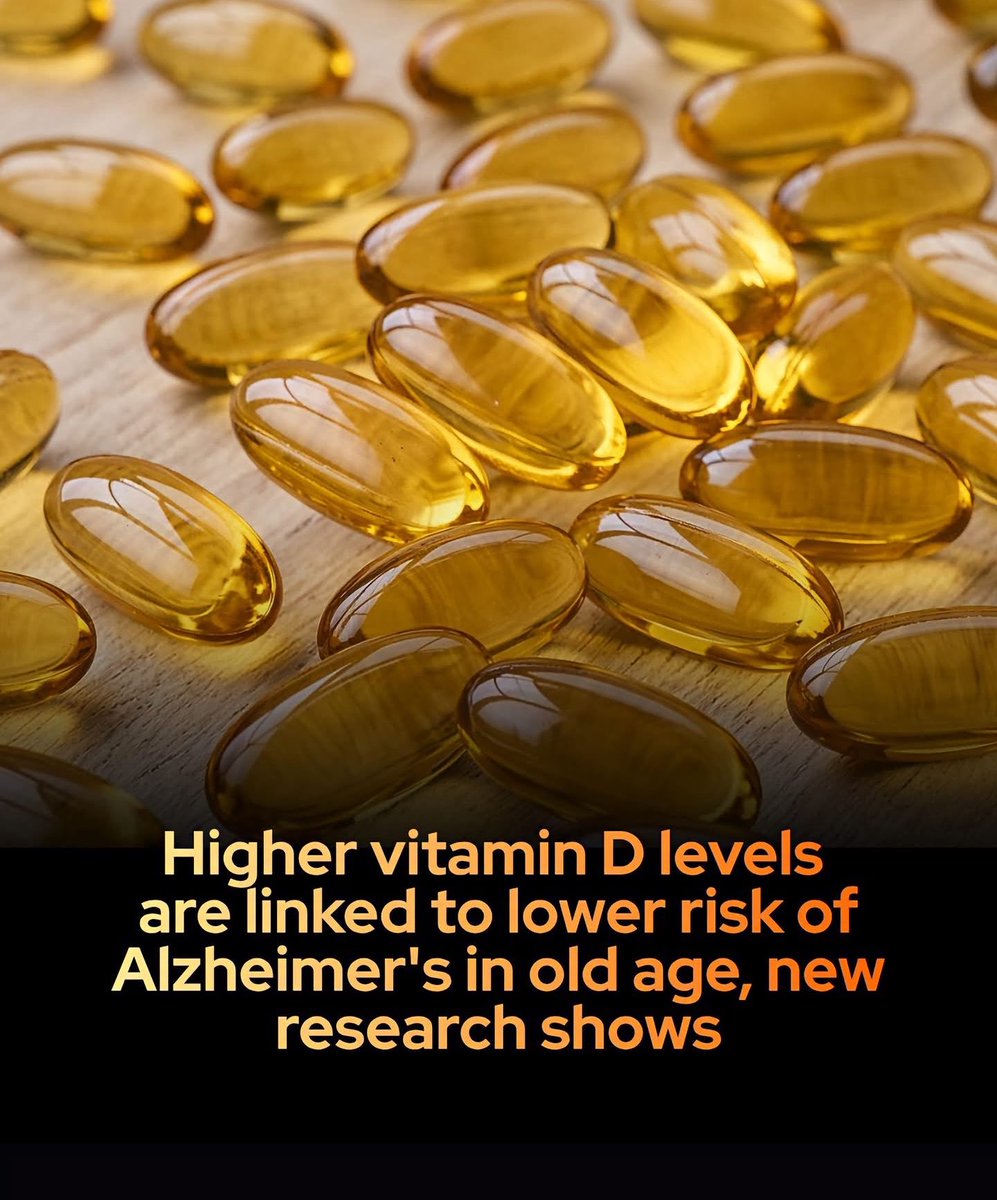
A cheap, everyday vitamin was just linked to protecting the brain against Alzheimer's.
Researchers at the University of Galway in Ireland, working with Boston University and the long-running Framingham Heart Study, measured vitamin D in the blood of 793 adults who were dementia-free and, on average, just 39 years old.
About 16 years later, a subset had PET scans that show proteins building up in the brain. People whose vitamin D had been above 30 ng/mL in midlife had less tau, the tangled protein that spreads through the brain in Alzheimer's disease.
There was no link with amyloid, the other main Alzheimer's protein. About a third of the group had low vitamin D, and only 5% were taking supplements.
The findings, published in Neurology Open Access, point to midlife as a window when an inexpensive, easily changed factor might matter for brain health decades later. That's a big deal for a disease that affects an estimated 7.4 million Americans aged 65 and older.
That said, this is an association based on a single blood test, and it measured brain proteins rather than who actually developed Alzheimer's.
Also, a one-year trial in France found that supplements didn't lower tau in people over 70, which suggests timing may matter. The researchers want clinical trials in younger adults to test whether raising vitamin D earlier in life really changes what happens in the brain.
source: American Academy of Neurology. (2026, April 1). Is vitamin D associated with lower levels of Alzheimer's biomarkers? [Press release on Mulligan, M. D., McGrath, E. R., et al., Neurology Open Access].
The plastic in your takeout container fuels colon cancer by starving out one of your gut's bodyguards.
Researchers at Central South University in China gave mice a chemical treatment that triggers colorectal cancer, then fed some of them polystyrene nanoplastics, particles about 50 nanometers wide.
Polystyrene is the plastic in foam takeout boxes, cups and lots of food packaging. The plastic-fed mice developed far more tumors. Tagged with a glowing marker, the particles were seen piling up inside the cells lining the colon and damaging their tiny finger-like surface.
The plastic also depleted Faecalibaculum rodentium, a gut bacterium that makes propionate, a compound that helps protect against tumors, and it ramped up Th17 cells, a type of immune cell that drives inflammation.
The study, published in Molecular Cancer, matters because colorectal cancer is rising fast in younger adults, and scientists are hunting for reasons why. The American Cancer Society expects about 158,850 new U.S. cases this year, and nanoplastics are now found almost everywhere, from bottled water to human blood.
That said, this was done in mice whose cancer was triggered by chemicals, at doses likely well above what people normally take in, and the protective bacterium is a rodent species. Still, it shows a clear pathway from plastic to gut microbes to cancer, and the authors say the microbiome could become a target for blunting pollution-linked cancer risk.
source: Jiang, F., Jiang, Z., Zhang, P., et al. (2026). Polystyrene nanoplastics promote colorectal tumorigenesis via gut microbiota-metabolite-Th17 cell axis. Molecular Cancer.
Research shows cancer risk cancels it out literally any benefit of alcohol.
It doesn’t help your body. It‘s literally killing you.
An expert team led by Kevin Shield of the University of Toronto, with researchers from Columbia University and elsewhere, reviewed more than 7,200 scientific articles on alcohol-related diseases and injuries.
They combined those findings with large national health datasets to estimate lifetime risks at different drinking levels. They found no overall protective effect at any amount.
Risk rose for both men and women above one drink a day, and at 14 drinks a week, the equivalent of two a day, about 1 in 25 people would be expected to die from alcohol-caused disease or injury.
The idea that moderate drinking is good for your heart has been popular for decades. Small amounts may slightly lower the risk of some heart problems, but the researchers found that cancer, liver disease and other harms outweigh it.
The report was commissioned to inform the latest US dietary guidelines, and an accompanying editorial says its findings were sidelined.
source: George, S., Naimi, T. S., Keyes, K. M., Rehm, J., Justice, A., Shield, K. D., et al. (2026). Alcohol intake and health study: No protective effect at low levels, with mortality increasing to 1 in 25 at 14 drinks per week. Journal of Studies on Alcohol and Drugs, 87(4), 621.