Need some coffee? So did the pre-colonial indigenous people studied by Wichita State anthropologist Dr. Crystal Dozier. On #IndigenousPeoplesDay, we celebrate Dr. Dozier's work exploring the everyday lives of those who came before us. Read more: https://t.co/rPDJQhCwqn
(1/3) October online seminars are now open for registration. Thinking about turning your dissertation into a book? Want to take a “dive” into underwater #archaeology? We’ve got you covered this October, and both seminars are RPA-certified. https://t.co/pq1vZJtfsz
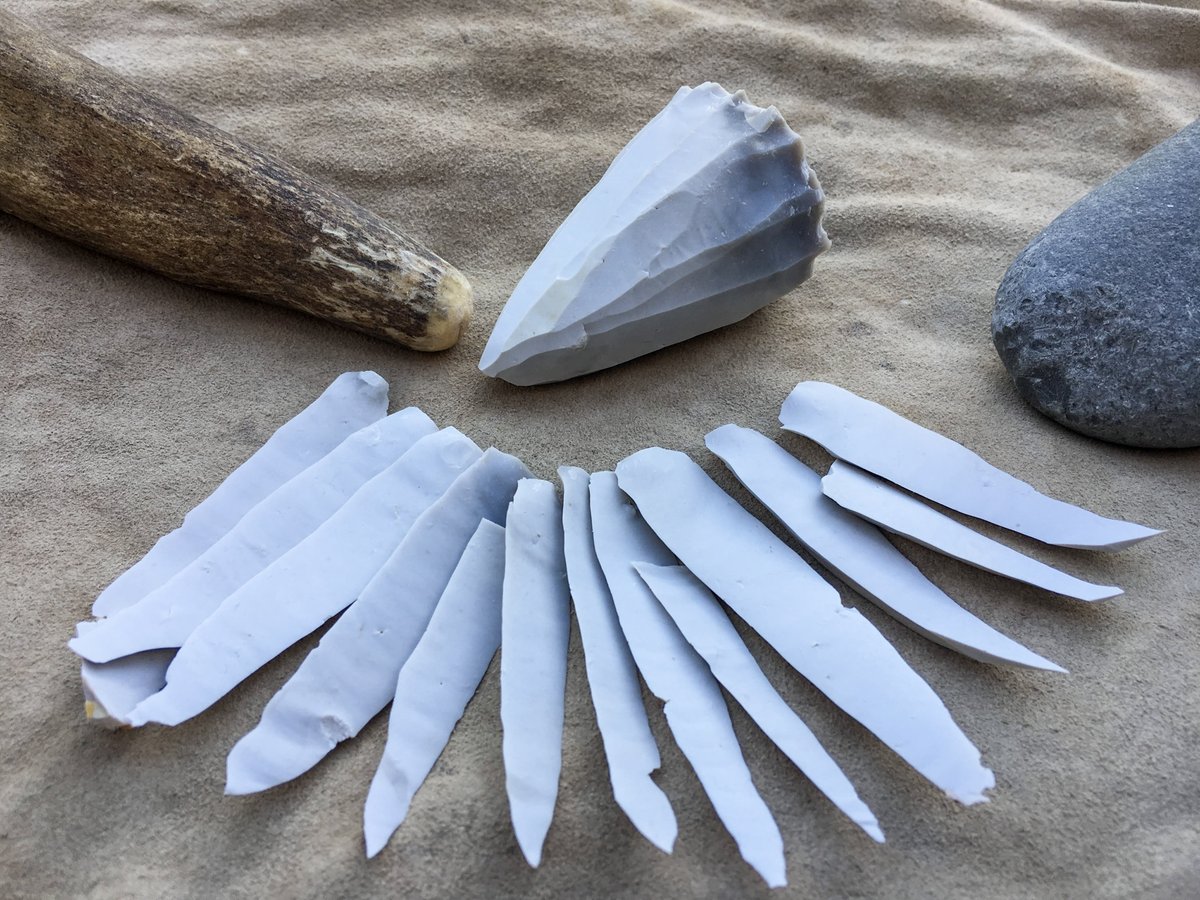
Laminar blade production is an effective way of maximising the available raw material with a high ratio of straight, sharp edges per kg of flint. Its a technique that appears around the start of the Upper Palaeolithic in Europe & continues into the early Neolithic #flintfriday
I am often asked if there were gender specific activities in prehistory. Its a tricky question to answer with limited evidence either way. In my opinion, skill & ability is rarely gender specific, so it shouldn't be portrayed as such in living history displays & reconstructions
With yesterday's meeting we have distributed a total of $5500 since the launch of the initiative all thanks to mutual aid! We will start sharing anonymous stories from people who request funds to raise awareness of the struggles young archaeologists face✊ https://t.co/bQCtDmfJII
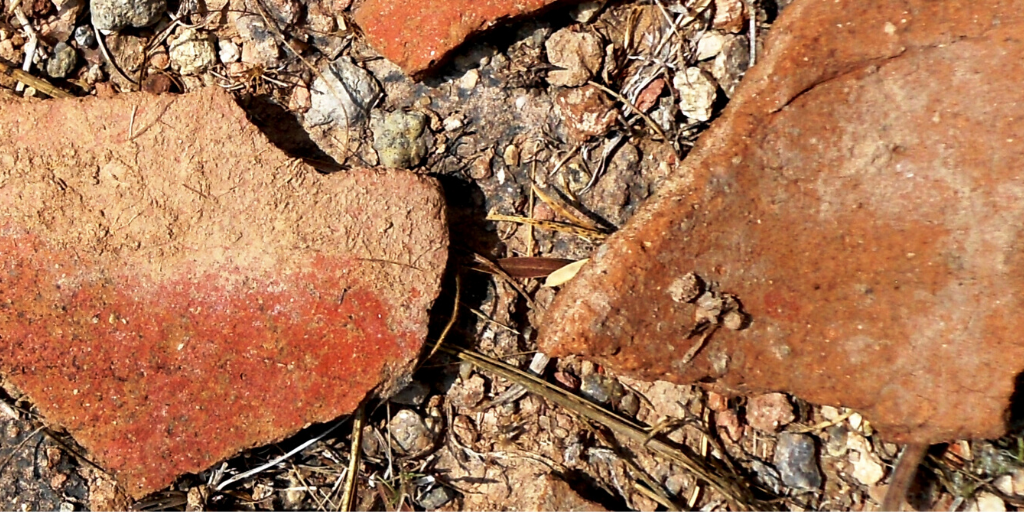
Tim Weston, historic preservation archeologist, chose this vessel as his favorite artifact.
“Such artifacts are rare in this part of the country. The unique thing for me is that if you look closely, you can see the potter's fingerprint on the face.” #kansashistory
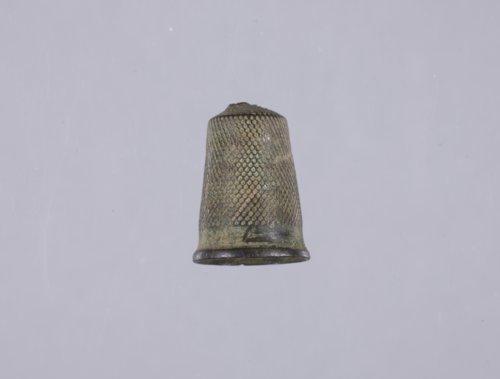
Tricia Waggoner, public outreach archeologist, shares this bell made from a metal thimble.
“This thimble is an excellent example of how American Indian people were taking new trade items and thinking about them as raw materials rather than finished products." #kansashistory
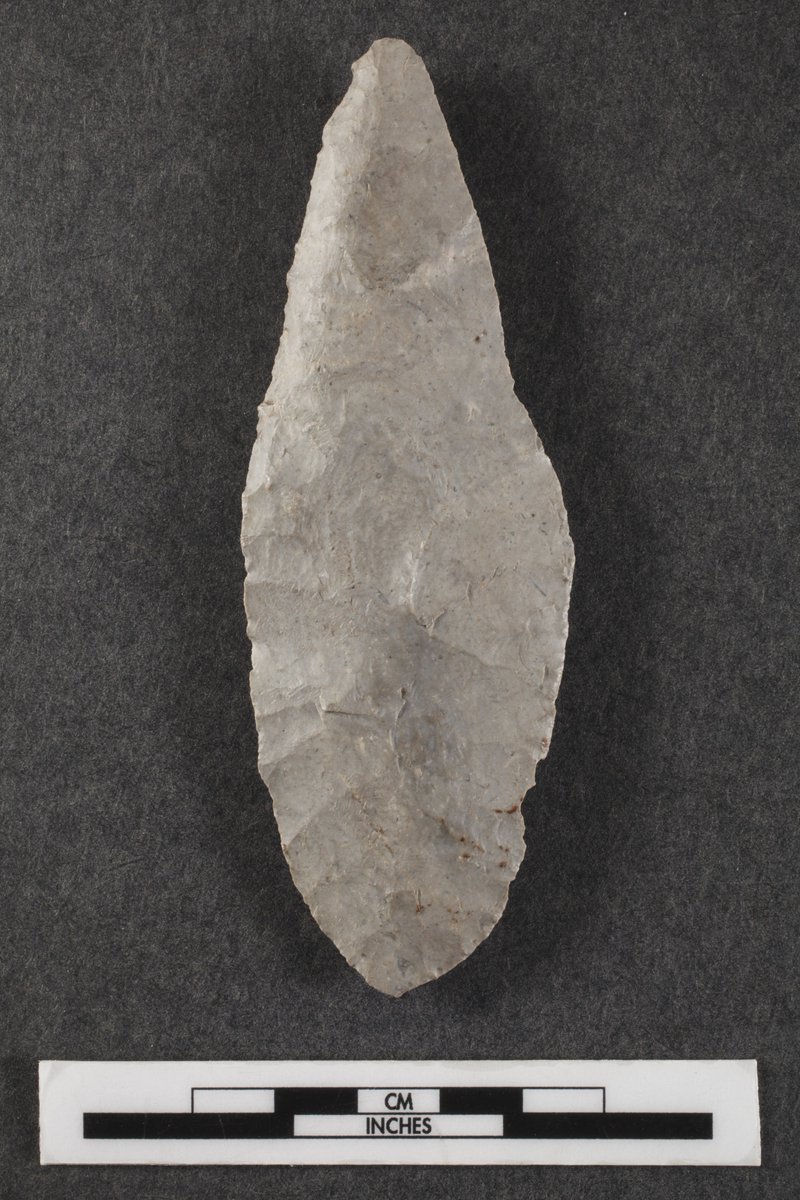
Eric Skov, contract archeologist, chose this artifact from Wabaunsee County:
“This artifact is a good demonstration of how archeologists understand stone tool technology. The bevel, or edge, of a knife is formed by sharpening it.” #kansashistory
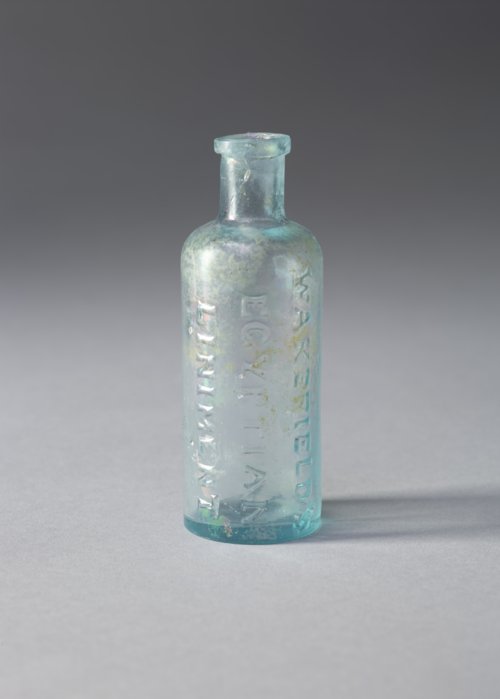
Nikki Klarmann, public outreach archeologist, shares this bottle:
“I find the variety of cure-alls that were available during the 19th to early 20th century fascinating. They promise a cure for several ailments. The ingredients would surprise many doctors!” #kansashistory
This week archeologists from the Kansas Historical Society will share their favorite artifacts, and on Wednesday, July 15, we will answer your questions for #AskAnArchaeologist Day! #kansashistory#kansasarcheology
Photo credit: Matt Gush