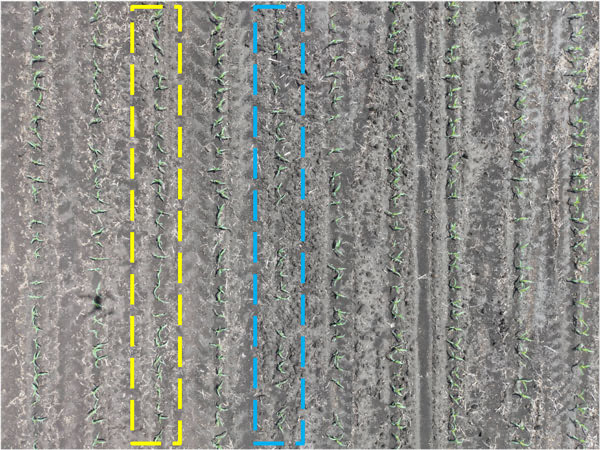
Drone technology is helping Kansas growers improve early-season scouting by identifying stand variability, weed pressure, and waterlogged areas faster. https://t.co/2G20qrnyxo #kstateagronomy
Weed control in sorghum isn’t getting easier—but the toolbox is evolving.
K-State Agronomy breaks down the three herbicide-tolerant sorghum systems available in 2026, including how they work, where they fit, and what to watch for when it comes to resistance and stewardship.
If you’re managing grass pressure or evaluating sorghum in your rotation, this is a timely look at what’s available and how to use it effectively.
Read more:
👉https://t.co/mJScJu8J5r
Wheat plot tour season is here.
Starting May 11, across Kansas—see new and upcoming varieties in the field, compare performance, and talk with K-State specialists.
Find a stop near you: https://t.co/t1dWsYahQZ
Nothing beats getting out in the field and talking through what’s actually happening this season.
That’s exactly what the Southwest Spring Field Day is about. Join us on May 21 at the K-State Southwest Research-Extension Center in Garden City to walk through current research, ask questions, and connect with the people doing the work.
Starts at 4:00 p.m. — meal included.
Come see it for yourself.
🔗 https://t.co/3QUCrl2cZJ
Wild garlic and wild onion may seem harmless, but they can impact crop and forage quality. This week’s World of Weeds explains how to spot them and what management options work best. https://t.co/rdPGXesJwR #kstateagronomy
This week’s eUpdate covers timely tips for Kansas producers, from cotton planting and prescribed burning to grassland management, emerging pests and spring weed control. Catch up on the latest research and recommendations here: https://t.co/9QUP1qW2TM #kstateagronomy
Big congrats to Dr. Lucas Haag on his promotion to full professor in agronomy at Kansas State University.
Out here in western Kansas, we know the value of hard work and practical impact—and this recognition reflects just that. We’re proud to see K-State faculty, including Dr. Haag, advancing research and supporting the communities we serve every day.
Here’s to all the faculty earning promotions and tenure this year—well deserved. https://t.co/zOrEOeK19Z
#WKREC #KState
All wheat varieties in the Hutchinson trial have now reached first hollow stem. Producers should ensure cattle are removed from wheat pastures to avoid yield loss. https://t.co/c8O2NwJgzT #kstateagronomy
Big congrats to Dr. Sandy Johnson 👏
Named an Undergraduate of Distinction by @UNLincoln Animal Science—recognizing a career dedicated to producers, research, and the beef industry.
Proud to have her at K-State making an impact every day. 💜 https://t.co/PnQO8VWJuB
#KStateAg #KStateExtension
Bring more life to your landscape 🌼
K-State horticulture expert Matt McKernan shares how native plants can boost biodiversity, attract pollinators and even reduce water and maintenance in your garden.
Read the story and get planting ideas: https://t.co/pmABebxNBl
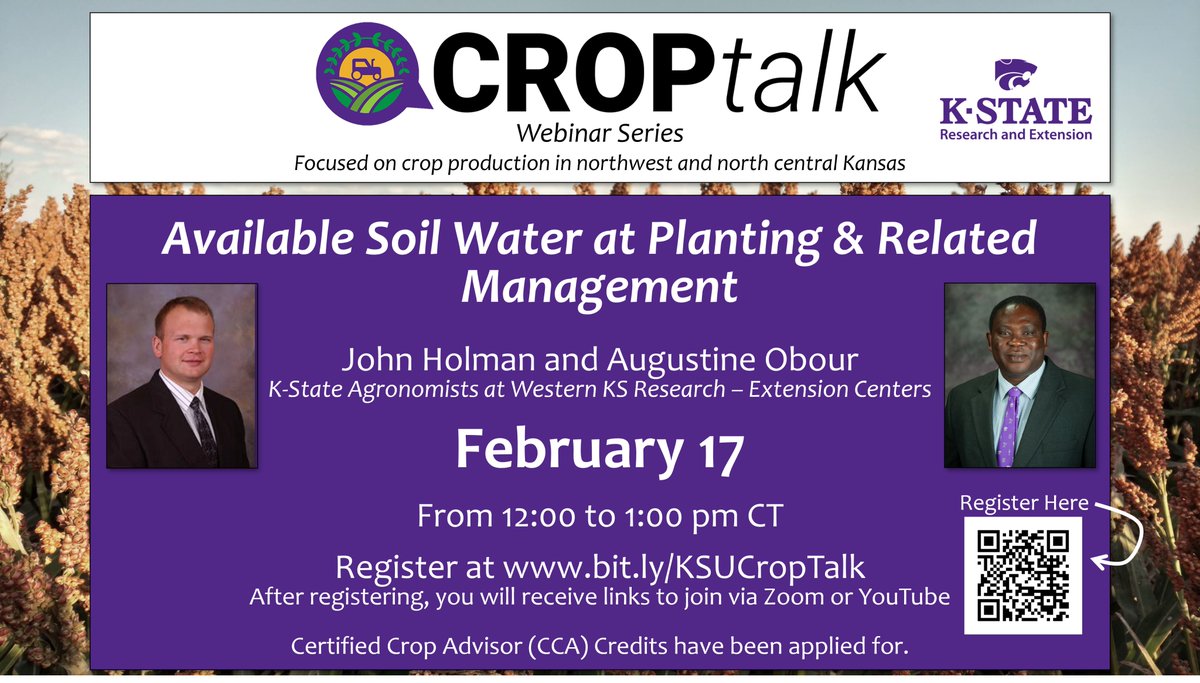
'Available Soil Water at Planting and Management Decisions Related to This' is the topic on K-State CropTalk today! Join us from 12 - 1:00 pm CT. Speakers:
@ksudrylandsoils & John Holman, K-State Agronomists Register to link to join via Zoom or YouTube: https://t.co/2UQzETnn6f
The latest K-State Agronomy eUpdate is here. This week: EPA dicamba approvals through 2027, frost-seeding legumes into cool-season forages, the updated 2026 Kansas Crop Planting Guide, winter outlook insights, and upcoming schools.
https://t.co/emjpo33dwJ #kstateagronomy
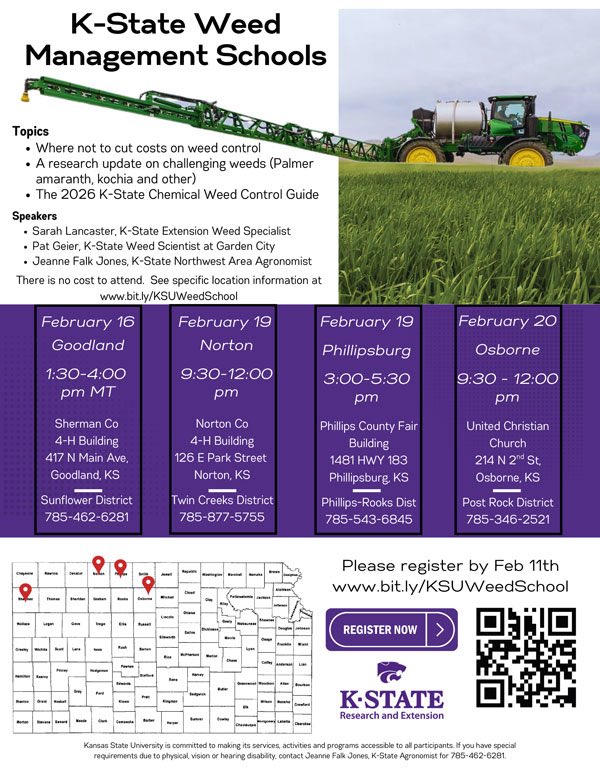
K-State Weed Management Schools run Feb. 16-20 across northwest & north central Kansas. Get updates on Palmer amaranth, kochia, cost-effective control strategies, and the 2026 Chemical Weed Control Guide. https://t.co/5DaweELeXL #kstateagronomy