What controls reactivity: aromaticity or substrate deformation?
Our study shows that substrate deformation is the key driver of reactivity and pathway selectivity in N-heterocyclic silylenes and germylenes.@Himanshu_S_Chem@KumarVanka1@JyotiSharma9496
https://t.co/wuEyXxzuUf
Our manuscript on complete cleavage of C-N triple bond of isocyanide by a silylene is now published in @JACS_Au congratulations to @PratikshaGhanw2 & others for the collab with comprehensive calcn and device apply. Thanks @ANRFIndia@csir_ncl@INFLIBNET
https://t.co/UioumNELGC
What controls reactivity: aromaticity or substrate deformation?
Our study shows that substrate deformation is the key driver of reactivity and pathway selectivity in N-heterocyclic silylenes and germylenes.@Himanshu_S_Chem@KumarVanka1@JyotiSharma9496
https://t.co/wuEyXxzuUf
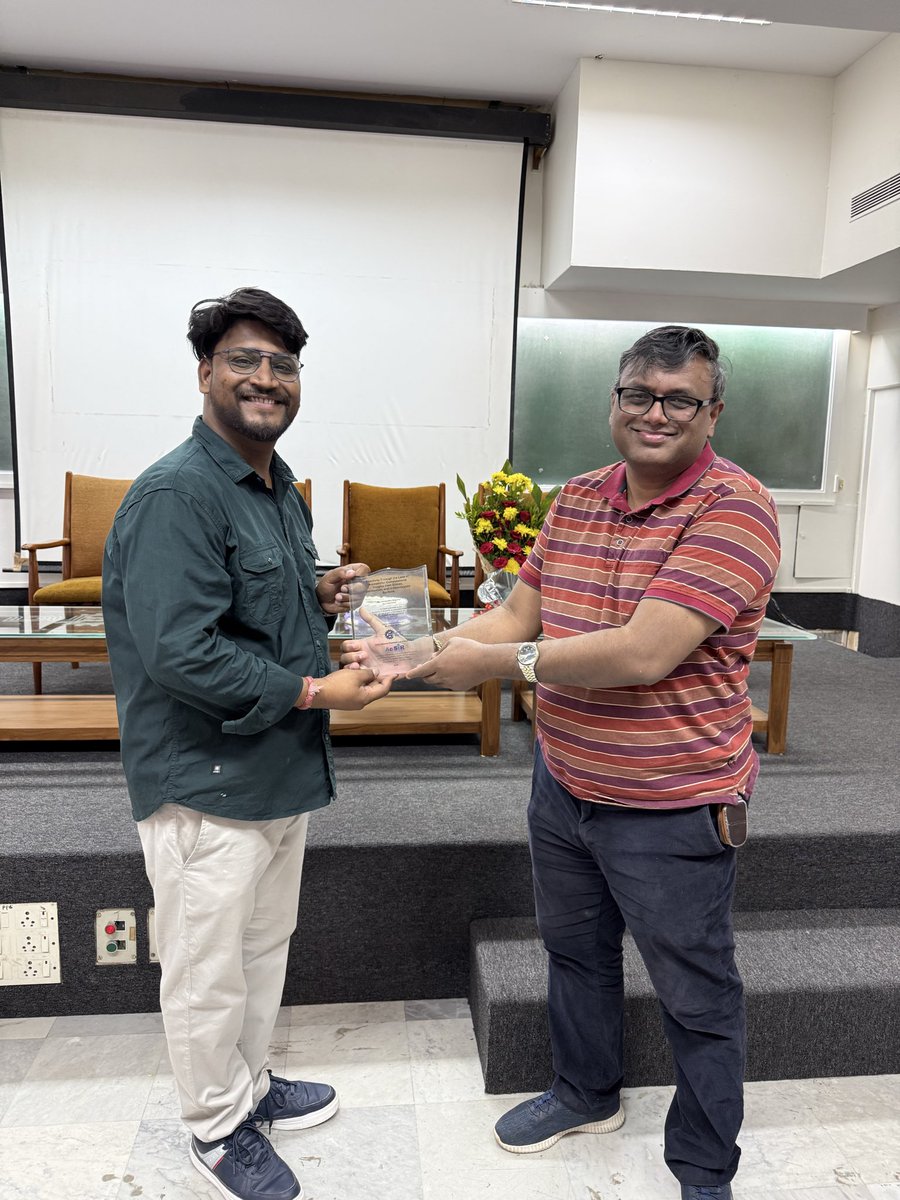
16th PhD from Boltzmann Lab
Congratulations to Dr. Himanshu @Himanshu_S_Chem for successfully defending his PhD thesis. @csir_ncl 🎉
Best Wishes for your future endeavours. @KumarVanka1@AcSIR_India 👍🏼👍🏼💐
Unveiling the reactivity of N-heterocyclic methylene hydrazines - our latest work published now in Dalton Transactions. A super collaboration thanks to @kaajl@Himanshu_S_Chem, arindam, Arup, Prabhakar, @rajeshgonnade & @KVCompChemNCL Funding: @ANRFIndia https://t.co/Ewtdgah0HW
Not created by nature, not consciously designed by humans, yet functioning as a unidirectional molecular machine. Our computational study reveals that Ziegler-Natta catalytic systems exhibit emergent machine-like behavior. Read our latest manuscript here!
https://t.co/YbdU0Urgjv
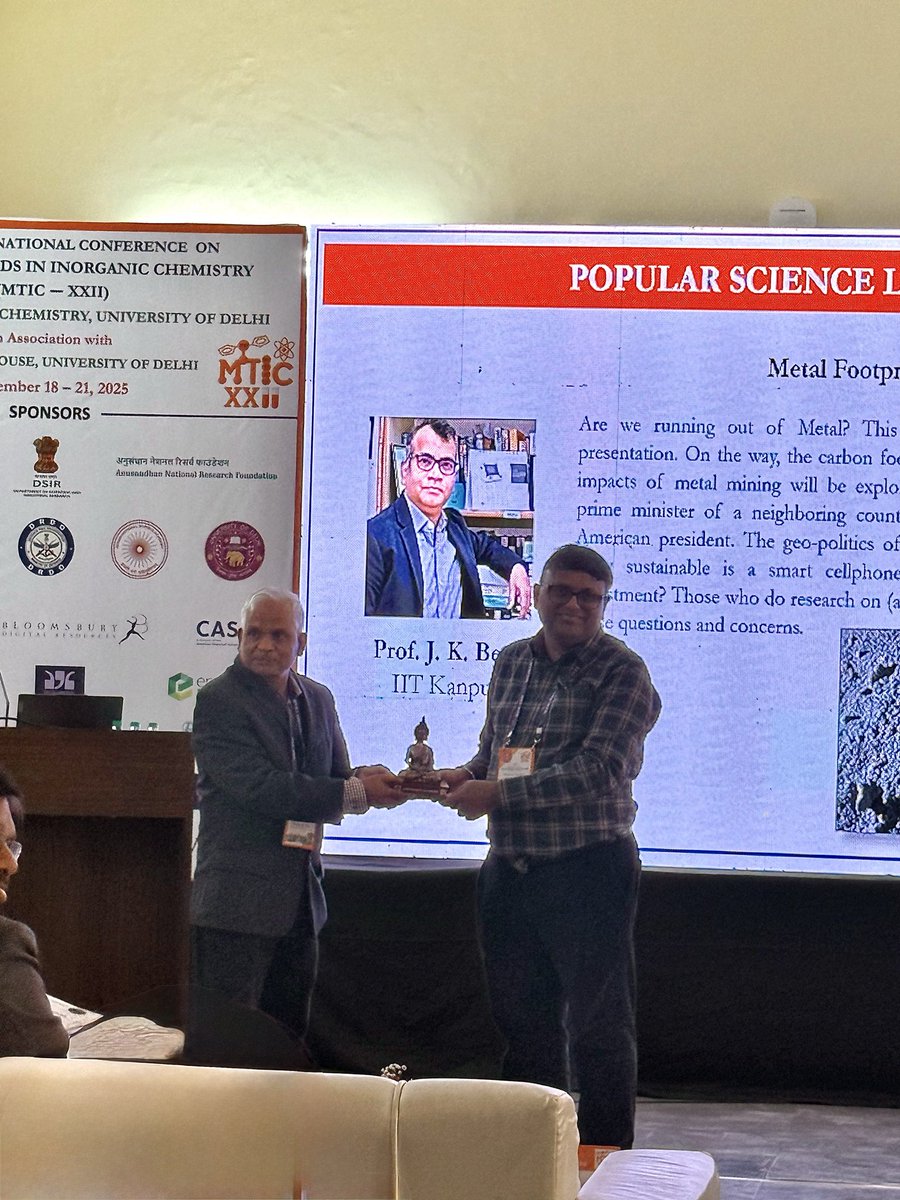
Delivered a keynote lecture on some exciting Ziegler-Natta catalysis at Modern Trends in Inorganic Chemistry (MTIC 2025), held at Delhi University.@KumarVanka1@csir_ncl