Your cortisol is not just making you feel bad.
It is making you biologically older.
Metabolically sicker.
Immunologically weaker.
Cognitively slower.
One chronically elevated day at a time.
Full breakdown — every system affected, every intervention explained.
Free on Ultramed 👇
https://t.co/sa8a5Z21bc
If this thread hit home, take the Protection Pattern Quiz.
It will show you which unconscious pattern may be keeping your nervous system stuck in stress mode:
• overthinking
• people-pleasing
• perfectionism
• emotional shutdown
Your body isn't broken.
It might be protecting you in a way you never consciously chose.
Here's the link: https://t.co/uxpct9lgg1
The mistake is thinking cortisol is only a hormone problem.
For many people, it is a protection pattern.
Your body keeps producing threat because some part of you learned that relaxing, being seen, needing help, or feeling desire was dangerous.
That is the part hacks do not reach.
The deeper issue isn’t cortisol alone.
It’s the protection pattern that keeps your body stuck.
For some people it’s overthinking.
For others it’s people-pleasing.
For others it’s perfectionism.
Which one do you notice most in yourself?
High cortisol is not just a chemistry problem.
It is the body remembering danger before the mind knows what it is afraid of.
That is why the deeper work is not just calming yourself down.
It's finding the protection pattern that keeps teaching your body to expect threat.
If someone you love is stuck in anxiety, send them this.
Follow @Lorwen108 for more insights on the journey to authenticity.
Repost if this helped you. 🙏
Cortisol stays high because your nervous system learned a protection pattern:
• people-pleasing
• overthinking
• perfectionism
These patterns once helped you survive.
Now they keep your body trapped in survival mode.
Take my free Protection Pattern Quiz to find out which one is secretly keeping your cortisol high:
https://t.co/uxpct9lO5z
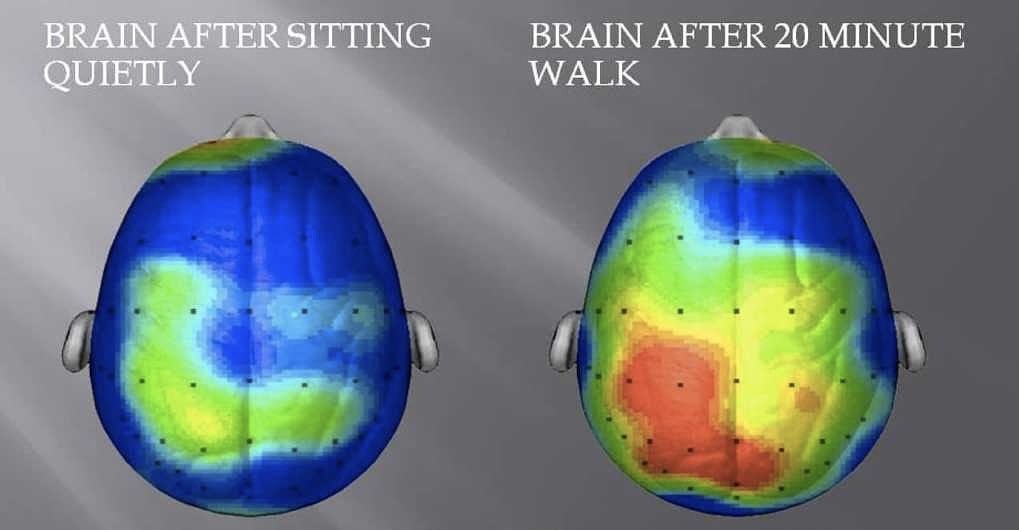
8. Nature exposure — calm the salience network.
Nature scenes reduce stress reactivity, improve mood, and lower rumination.
Best use:
20+ minutes outside.
Green space if possible.
No podcast.
Let your nervous system receive nature.
7. Humming – stimulates the vagus nerve and restores calm.
Vocalization engages breath control and can stimulate vagal pathways via laryngeal/pharyngeal activity.
Chanting and tonal singing increase social safety.
Best use: hum on long exhales for 1–2 minutes.
6. Try a whole body Sigh.
Research shows that when we sigh our heart rate goes down. And, you feel instant relief.
Best use: 60–90-second intervals, any time of day.
5. Soften the eyes.
Threat states narrow our visual attention.
We get “tunnel vision."
When you soften, or widen your gaze, it reduces that defensive narrowing and sends a safety cue through the body's orienting system.
It helps shift the freeze response to a broader perceptual field.
Anxiety is associated with attentional bias. Practices that broaden attention reduce perceived threat intensity.
4. Draw or doodle often and randomly.
When we externalize our feelings by putting them on paper, we reduce cognitive load and downshift limbic reactivity.
Drawing engages visuomotor networks and sensory-motor integration and can help you tolerate uncomfortable emotions.
Research shows that it reduces amygdala activation. When you can name the feeling and express it, you've gotten it out of your head.
3. Stop the fight-or-flight response through breath-- in seconds.
Long exhales increase respiratory sinus arrhythmia (RSA) and vagal calming. Your entire body relaxes, and visual clarity is restored.
This often increases HRV and shifts autonomic balance away from the fight-or-flight response.
2. Get sunlight in first 30 minutes upon awakening.
Cortisol naturally spikes 30-60 min after waking — to fuel the day.
Without morning light, the spike never crashes. It stays elevated by 2 PM.
Your brain is bathing in cortisol it should've cleared hours ago.
Your feet contain ~200,000 nerve endings.
When they touch grass, soil, or sand, your brain receives a flood of sensory information from the body.
That sensory input pulls attention out of rumination and back into physical awareness.
Direct contact with the earth lowers cortisol and reduce stress-related inflammation markers.
That’s why barefoot walking can feel so regulating.