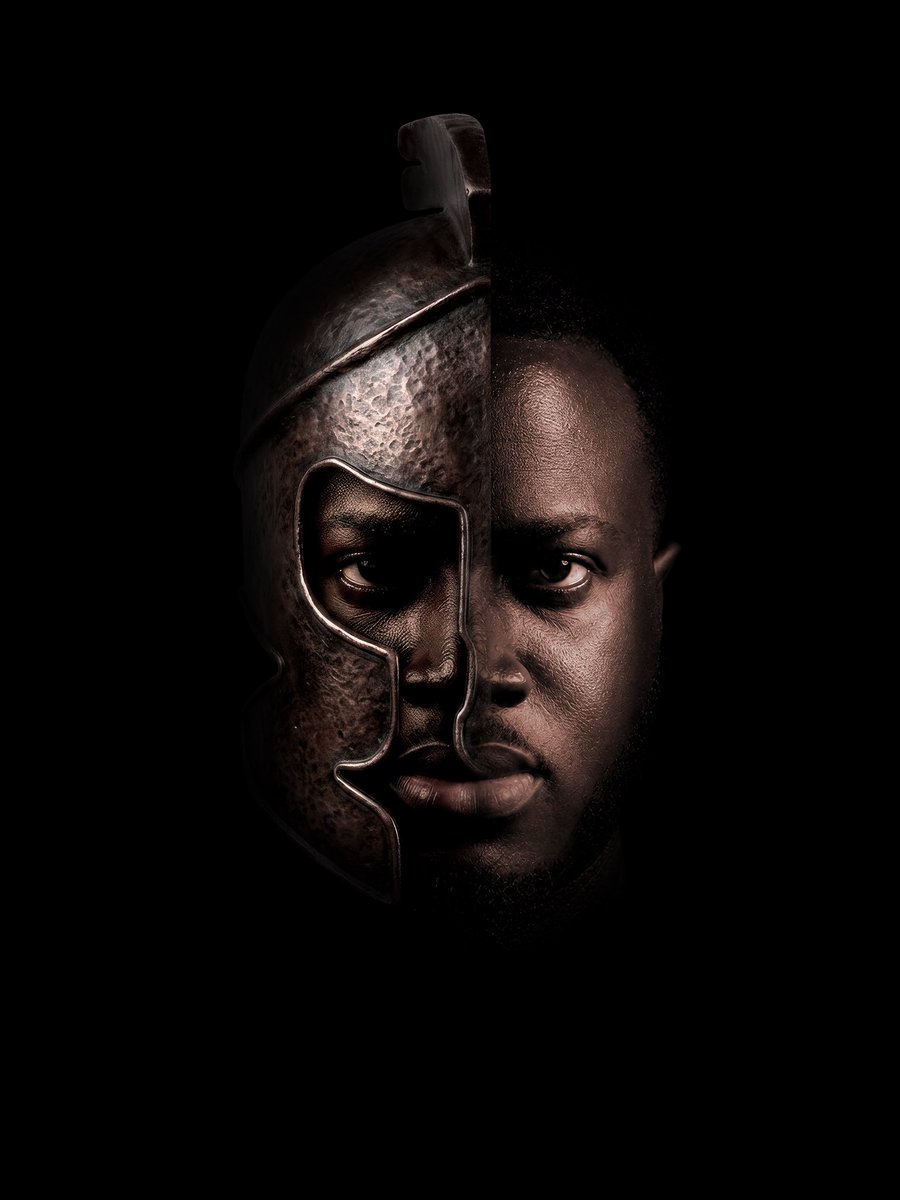
On Episode One, I worked on the Mensvic Hotel logo. While working on this I almost thought they didn't have a logo till I decided to Google them and check their website.... I would admit, I was quite disappointed. I mean, it's Mensvic Grand Hotel! And this is their logo! Damn!
The United States of Africa?
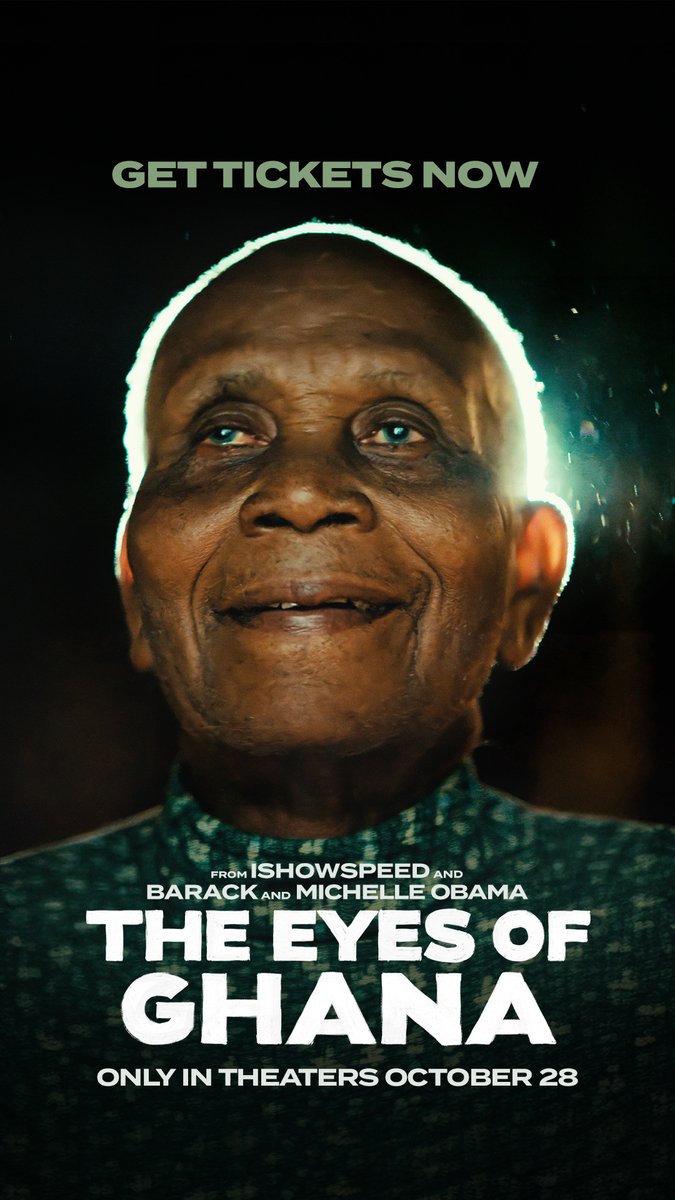
Presented by @ishowspeed, executive produced by @barackobama and @michelleobama, and directed by two-time Academy Award winner @bgprooudfoot, THE EYES OF GHANA follows the story of Chris Hesse – the personal cameraman to the first president of Ghana, Dr. Kwame Nkrumah. Only in theaters October 28. Get tickets now. Don’t worry Ghana, Canada, and London, news of screenings near you will be announced shortly!
Dates for Ghana and UK screenings coming soon.
@theeyesofghana | @ishowspeed | @bgproudfoot | @breakwaterstudios | @michelleobama | @barackobama
Guyy i'm getting huge Nii Kwate Owoo -You Hide Me (1970) vibes.
A wild parallel too because like almost 57 yrs after his doc exposed British museums locking away african artifacts, this modern film too is unlocking archives to Ghana's lost footage. I love cinema charle 😭❤️🇬🇭
A modern-day legend!
27 years ago, Ronald Sakolsky donated $5,000 to Yin Yuzhen, a Chinese woman fighting desertification. Over two decades, she grew over 50,000 trees with the funds.
Now, Ronald Sakolsky has come to China to witness this miracle with his own eyes.
finallyyy an empath male lead that kdramaland have been so deprived of! and ofc yang sejong is the perfect fit for it💕
loved to see ma gangwook who is open to being vulnerable and easily shows empathy & respect to yeori!
#SpookyInLove#SpookyInLoveEp4
The ‘C’ in A&C Mall isn’t just a letter. It stands for Cecilia, Dr. Andrew Asamoah’s late wife and partner of 55 years.
They got married when she was 19 and he was 23 and they’ve been all over the world together.
Watch full interview here https://t.co/YzjnXSERKr
#KafuiDeyInterviews
Can you imagine spending 192 hours trapped in the most absolute darkness, without water, without food, and feeling the cement crush your bones and your hopes? 😭💔
Hernán Gil lived through the worst human nightmare firsthand after the brutal earthquake. When rescuers were no longer looking for survivors but for bodies, the impossible happened.
His heartbreaking testimony of how he managed to cling to life at the edge of madness will send chills down your spine.
Hernán Gil, 43, worked as a security guard in the basement of a residence in Catia La Mar when the earth shook with a magnitude of 7.5 and the building collapsed on top of him. He didn’t run. He got under a table and a chair, and that instinctive move was what kept him alive for eight full days.
Outside, rescue teams from seven countries dug tirelessly. It took more than 100 hours of work until they opened a three-meter tunnel and reached him. Gil came out with a dislocated collarbone, some bruises, but conscious and speaking.
From his bed at Hospital de Clínicas Caracas, he said that in the darkness he never stopped talking to God. "I know it was a miracle," he said.
His wife, Gusbimar González, and his children were already waiting for him on the other side of the video call.
Hernán Gil’s story is a raw yet beautiful reminder that life can change in a second, but also that the human will, connected to faith, is capable of breaking any law of physics. Trapped in hell, he found heaven.
July 4, 1776, and June 19, 1865, tell two very different stories about freedom in America.
On July 4, 1776, the Declaration of Independence was adopted, announcing that the thirteen American colonies were separating from British rule. The document included powerful words about liberty and equality, but at the same time, hundreds of thousands of African people remained enslaved across the colonies. For enslaved Black people, independence did not mean freedom.
Many enslaved men, women, and children continued working on plantations, farms, and households while the new nation debated the meaning of the very freedom it had declared. Their labor helped build the economic foundation of the United States, yet their own rights were denied.
For generations, enslaved people resisted in many ways. Some escaped, some created secret networks of communication, some preserved African traditions, and others fought through legal challenges, writings, and activism. Free Black communities and abolitionists also pushed the nation to confront the contradiction between its ideals and the reality of slavery.
During the Civil War, President Abraham Lincoln issued the Emancipation Proclamation, which took effect on January 1, 1863, declaring enslaved people in Confederate controlled areas to be free. However, freedom did not immediately reach everyone.
In Texas, one of the most remote Confederate states, many enslaved people remained unaware of their freedom or were prevented from exercising it.
On June 19, 1865, Union General Gordon Granger arrived in Galveston, Texas, and announced General Order No. 3, informing the remaining enslaved people there that they were free.
That day became known as Juneteenth.
The journey from 1776 to 1865 represents nearly 90 years between the promise of independence and the legal end of slavery in the United States. Even after emancipation, Black Americans continued fighting through Reconstruction, segregation, and the Civil Rights Movement to secure the freedoms promised generations earlier.