The goal isn't just “learn AI.” It's:
Becoming the kind of person who can stay calm under pressure, solve difficult problems, and build things that businesses will pay for.
We'll be spending a lot more time trying to understand the outputs of language models. A few thoughts, tips & tricks:
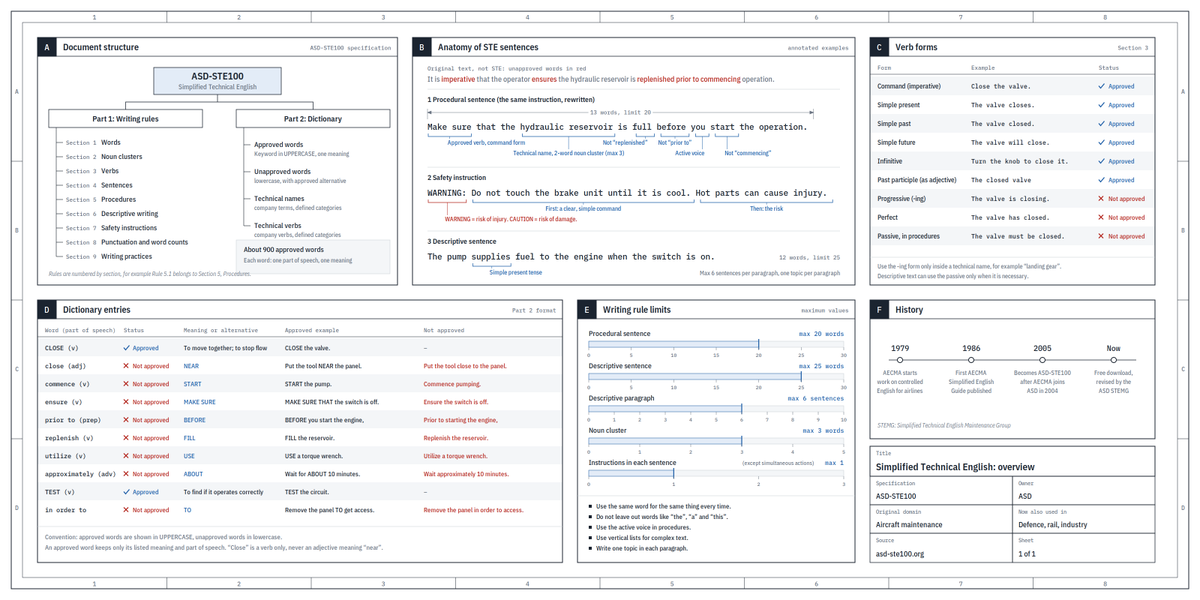
Writing. Something I've had success with: Ask your LLM to explain something in ASD-STE100, it's a controlled language specification originally developed for aerospace maintenance documentation. LLMs well-versed in this language and it comes with heavy constraints on clean writing style that I often find a lot more readable. Sometimes I've tried to soften it a bit e.g. ask for "80% of the way to ASD-STE100" because the spec is quite stringent. But even better:
Diagrams / images. Instead of writing, ask your LLM to create a diagram. These can be a lot easier to process, parse, and understand. But even better:
Web pages. Ask for output "in HTML" to get a beautiful, interactive webpage. LLMs are getting really good at frontend and can create beautiful experiences, animations, etc. But even better:
Explainer videos. The output format I am most bullish on is fully custom / bespoke explainer videos generated on any arbitrary topic. Experiment with things like "Create a 3b1b style video explainer on X. Use my ElevenLabs API key for audio narration". (you'd need an API key for the latter or you can ask your LLM to find you decent free alternatives that use your local compute). This is actually starting to work!
In summary:
- As LLMs get better, they will do more and more of the legwork autonomously, and a lot more of our work will rise up the abstractions into oversight and understanding.
- Luckily, LLMs can help here too because as intelligence and code are increasingly abundant, you can ask for large, custom, discardable software artifacts (e.g. web apps, video explainers) that would have never made sense to create before. Push the boundaries here and you'll be surprised.
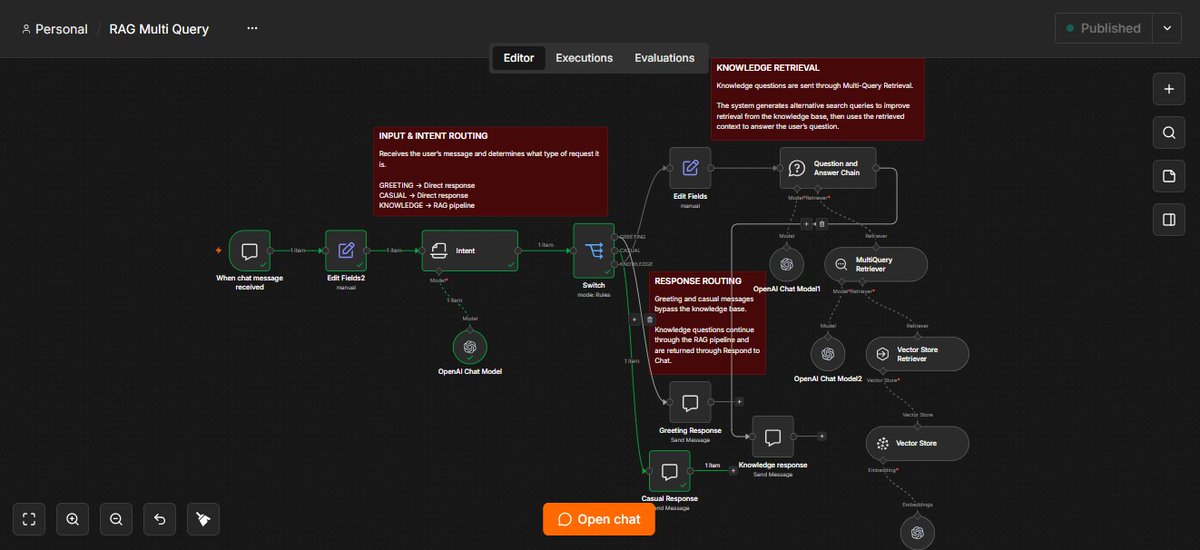
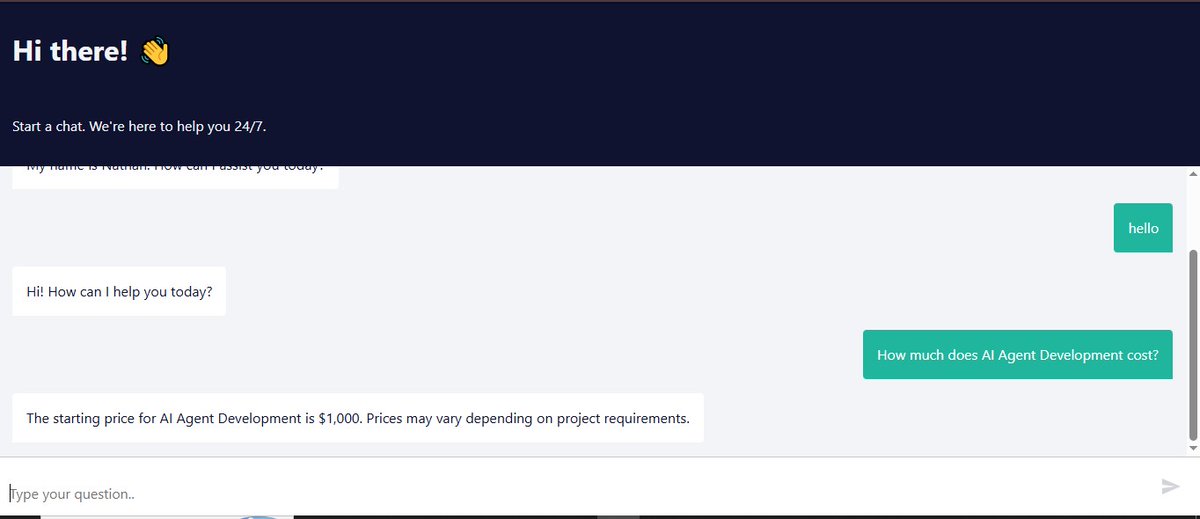
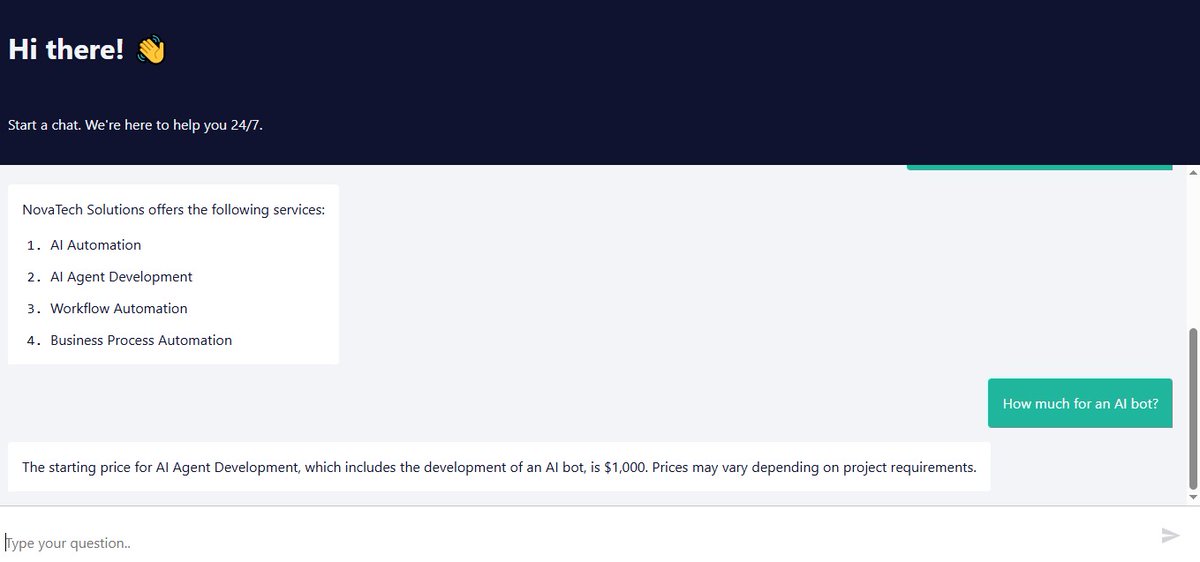
I built on my Multi-Query RAG chatbot.
Multi-Query improved how information is retrieved.
This time, I built an Agentic RAG chatbot in n8n using the ReAct idea: reason → act → observe → repeat.
Multi-Query RAG chatbot → Better retrieval
Agentic RAG → Reasoning + action
User queries can be ambiguous or poorly phrased.
Since RAG relies on semantic similarity between the query and documents in the index, a poorly phrased query can lead to retrieving the wrong context.
So I built Multi-Query RAG Chatbot in n8n to improve retrieval.
The agent can:
→ Understand the user's intent
→ Decide whether it needs the knowledge base
→ Retrieve information from Pinecone when needed
→ Use memory to maintain context
→ Handle casual conversation without querying the Knowledge Base
User queries can be ambiguous or poorly phrased.
Since RAG relies on semantic similarity between the query and documents in the index, a poorly phrased query can lead to retrieving the wrong context.
So I built Multi-Query RAG Chatbot in n8n to improve retrieval.