City-builder by week and urban farmer by weekend. All about creating places with people & growing great stuff. CEO at @bildedmonton. RTs ≠ endorsements
Myth: Existing taxpayers pay for new suburban development.
Who actually pays for the infrastructure in new communities?
Join University of Alberta’s Dr. Murtaza Haider and BILD Edmonton Metro’s Stephen Raitz as they break down how new communities are funded – and explain the role developers, homebuilders, and ultimately new homeowners play in paying for neighbourhood infrastructure, including roads, water and sewer systems.
Dr. Haider also explores why population growth matters to a city's long-term financial sustainability. As the cost of maintaining infrastructure and delivering services continues to rise, growing the tax base helps distribute those costs across more residents.
New neighbours mean new taxpayers – and a broader base to support the services and infrastructure our city depends on. https://t.co/igAeVmorN6
This is where we respect the past and plan for the future. The lands south of 41st Avenue have a long agricultural history and continue to support farming today. Responsible growth means recognizing that history while carefully planning for Edmonton’s future needs. It’s not simply about where growth happens, but how and when it happens — with thoughtful planning that respects the land and the people connected to it.
Learn more about Edmonton’s Future Growth Area: https://t.co/7g4fmmB648
This is where the feeling of home begins. For first-time homebuyers like Bella Hobbins, finding a place to call your own is about more than a house — it’s about putting down roots, building a future, and finding where you belong. As Edmonton continues to grow, creating more opportunities for people to find a home is an important part of building stronger, more connected communities. Because Edmonton’s future is shaped by the people who choose to call it home.
Learn more about the Future Growth Area and the future of housing in Edmonton: https://t.co/XXvoPLs0ox
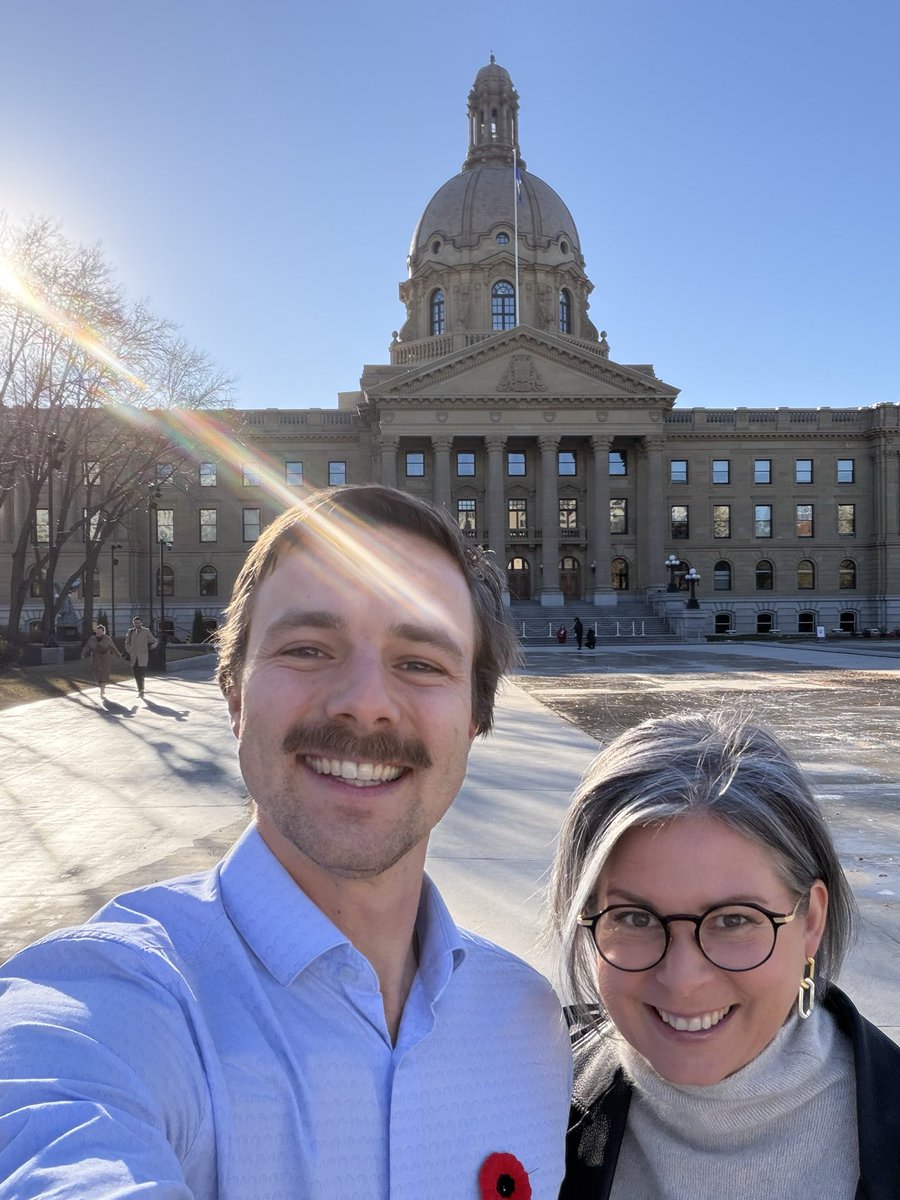
Great meeting with leadership at the Alberta Legislature this morning alongside Stephen Raitz. City building is province building, and we are here for it!
BILD in the News: @JulieKusiek the Team
“My new role will allow me to bring the valuable learnings and experiences I’ve had with Edmonton Public Schools, and build on decades of experience I bring in collaborative advocacy to take the next step of contributing to our community at a regional scale.”
Catch the coverage:
🗞️@ctvedmonton: https://t.co/d9VQnpGhHz
🗞️ @edmontonjournal: https://t.co/D6xGfPmv5S
Today, we’re launching BILD Edmonton Metro’s 2026 State of the Region report, a new look at where our region is growing, what we’re building and the forces shaping what comes next.
The report brings together a regional view of population growth, housing activity, consumer demand, land, infrastructure, approvals and development conditions across the Edmonton Metropolitan Region.
The data tells a compelling story: Edmonton Metro has momentum.
Communities across the region are welcoming new residents, housing construction is accelerating and the geography of growth is changing. But keeping that momentum going will take more than strong demand. It will take the right infrastructure, land supply, servicing, approvals and regional collaboration to ensure housing choice and affordability can keep pace.
Because people don’t make decisions about where to live, work or invest based on municipal boundaries. Growth in one community strengthens the region as a whole.
The State of the Region gives us a baseline to understand where we are today, track how the region is changing and identify the opportunities and barriers that will shape future growth.
Read the full 2026 State of the Region report: https://t.co/mUG9Q2vSeg
Sometimes the best move is not moving at all. 🏠
For Renovation Month, we sat down with Jeremy Pasieka of Awlridge Renovations to talk about how thoughtful renovations can help a home keep working as life changes.
From opening up a floor plan to improving accessibility, the goal is not to follow a one-size-fits-all checklist. It is to understand how someone actually lives and make the home work better for the next stage of life.
As Jeremy puts it, “You don’t just lose your house when you move. You lose your neighbours, the local businesses you’re familiar with, trusted doctors and your routine.”
A home that works for one stage of life may not work quite the same way in the next. Renovation can help bridge that gap, whether it is making space for a growing family, opening up underused rooms or adapting a home to be easier to navigate over time.
Read the full story: https://t.co/M9iDooQ3Hz
BILD Alberta Association, Canadian Home Builders' Association National
https://t.co/DNsY3nxW05
Edmonton's population is exploding, but is the city planning for what comes next?
@bildedmonton is calling for a long-term strategy to accommodate a region that could reach two million residents, and says Future Growth Area planning south of 41st Ave. needs to start now. #yeg
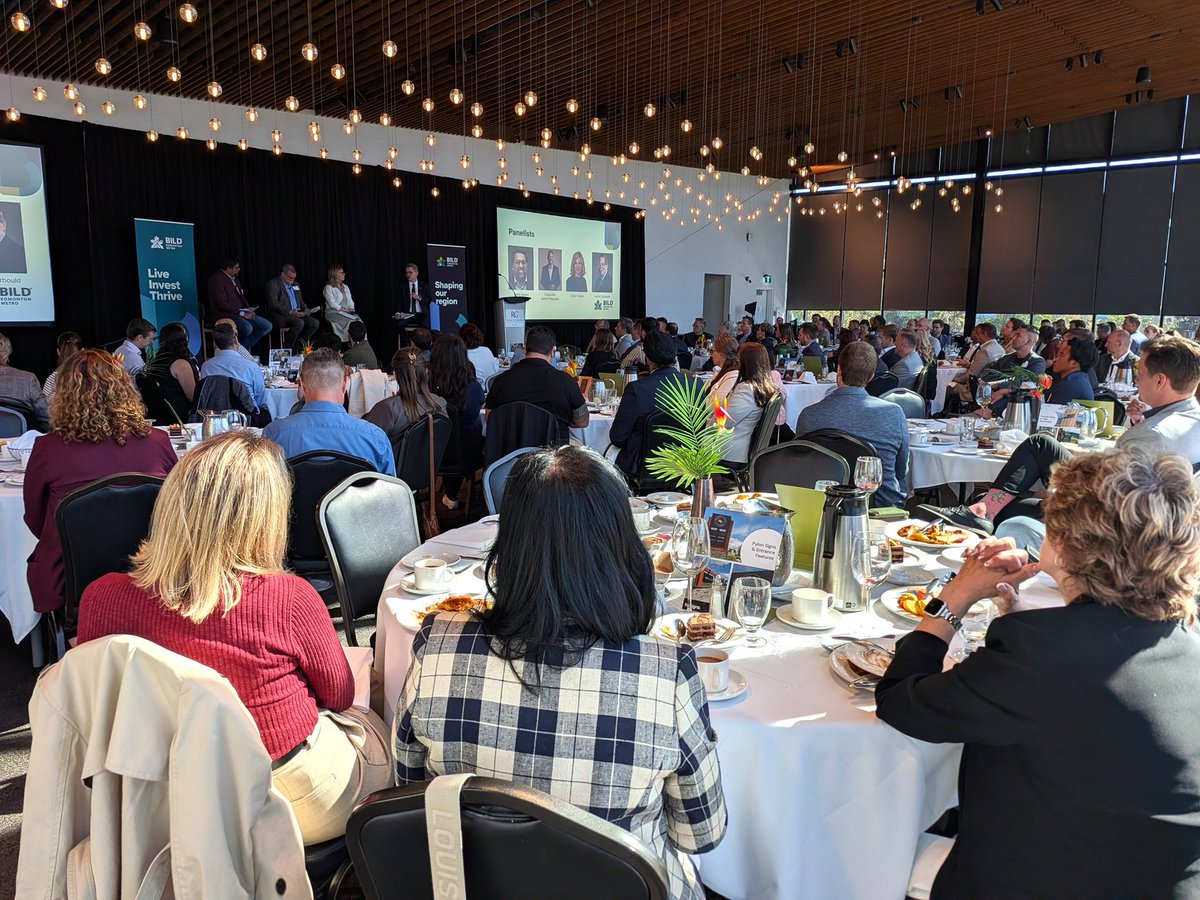
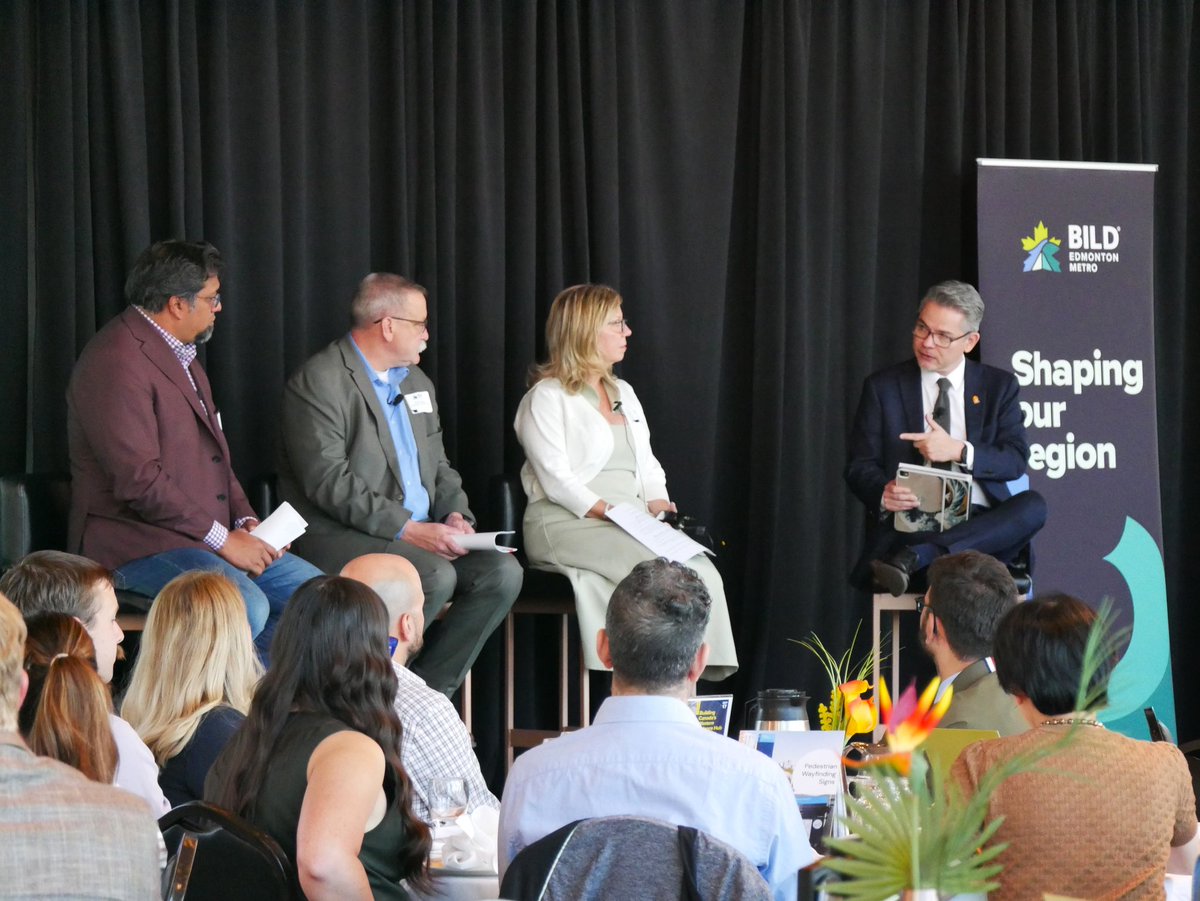
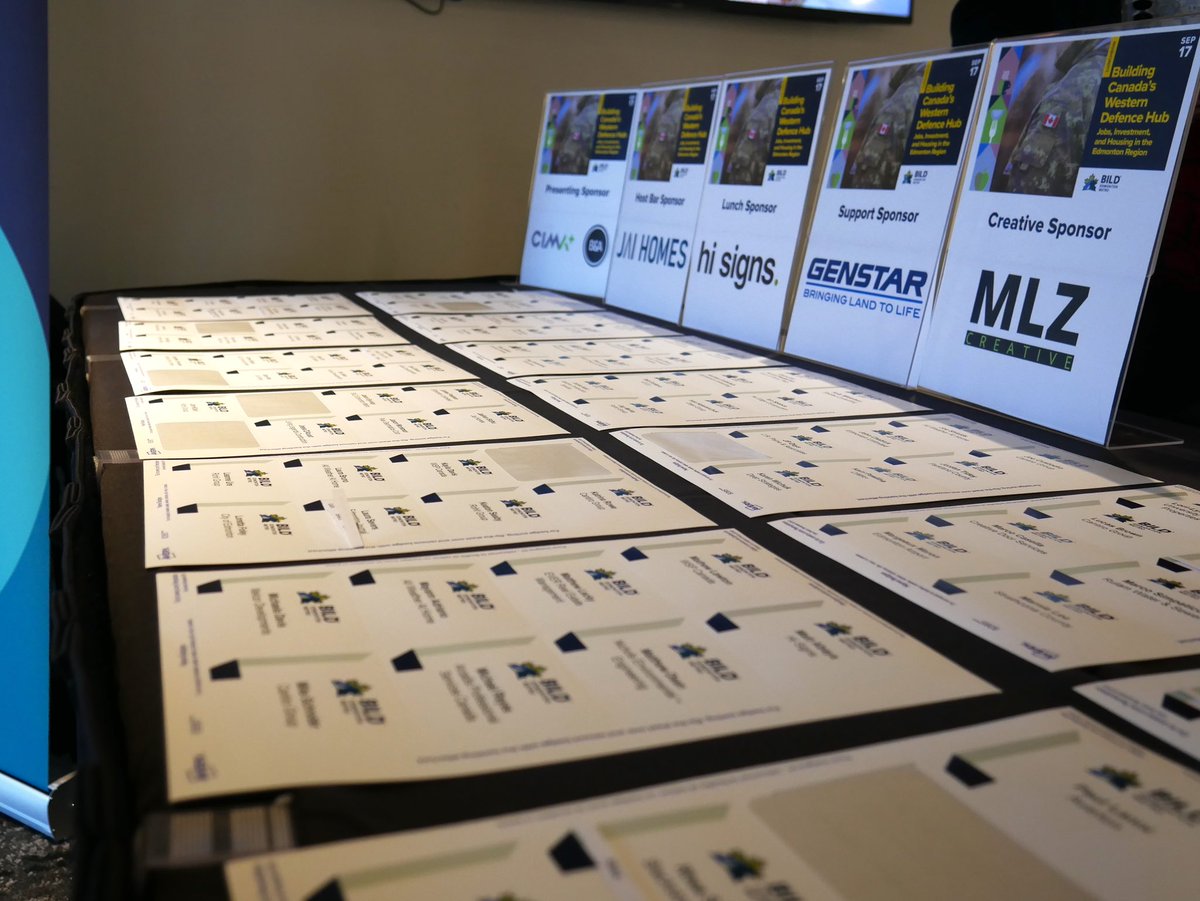
Today, BILD Edmonton Metro brought together leaders from government, economic development and industry for “Building Canada’s Western Defence Hub: Jobs, Investment, and Housing in the Edmonton Region.”
The topic comes at an important moment for the Edmonton Metro Region. We’re seeing momentum in population growth, business, investment and talent, while Canada is making significant investments to strengthen its domestic defence industry. With the launch of the Edmonton Region Defence Alliance (ERDA), our region is exploring how it can position itself to attract new defence and security investment — and, importantly, how we prepare our communities for the growth that comes with it.
For the building and land development industry, this conversation is about much more than defence. New employers need industrial land, commercial space, transportation networks and housing for the people who will power these businesses. The communities we plan and build today will help create the foundation for tomorrow’s investment, jobs and long-term prosperity.
That’s why regional collaboration, thoughtful planning, efficient approvals and infrastructure that keeps pace with growth are so important. Today’s discussion explored how governments, developers, industry and regional partners can work together to ensure Edmonton is prepared to capture new opportunities and build the communities needed to support them.
Thank you to our moderator, Rohit Gupta, President, Rohit Group, and our panelists Councillor Aaron Paquette, City of Edmonton; Daryn Edgar, CEO, Edmonton Global; and Andre Corbould, Managing Partner, Integrated. Strategic. Partners., for bringing their perspectives to this important conversation.
Stay tuned for the full story and video recap!
"Now is the time to focus on delivering the vision, not restarting the conversation."
BILD Edmonton Metro has submitted a letter to Urban Planning Committee supporting the City’s review of The City Plan at the 1.25 million population milestone.
The City Plan gave Edmonton the vision. Now is the time for the roadmap.
Our recommendation: develop a City Plan Implementation Strategy that better connects growth, housing, infrastructure, budgeting and investment decisions.
Edmonton looks different than it did in 2020. Growth is moving faster, housing demand is rising and the decisions being made today will shape how our city grows for years to come.
Read our letter to the Urban Planning Committee: https://t.co/CuE2GsamzV
Stephen Raitz VP, Policy & Advocacy at BILD Edmonton Metro and several members from our advocacy committees will be attending and speaking at the Aug 11th UPC on these topics.
We look forward to a productive conversation between Industry, the City, and community members.
Full interview here (15 mins). An excellent and thoughtful analysis of what happens when ideology and pre-conceived beliefs run up against household economic reality and actual commuting patterns. Limiting growth in cities doesn’t control growth it simply diverts it to the region
@MikePMoffatt@SabrinaMaddeaux Canada has spent decades trying to curb urban sprawl through policies like greenbelts, urban growth boundaries, and higher development charges, but what if those policies are having the opposite effect? @MikePMoffatt & @SabrinaMaddeaux break it down: https://t.co/hnKgfuPbMT
It's not that you run out of land; it's that you make that land artificially scarce, drive up the price, and only the richest families can afford to continue living in the city.
On toay's Classonomics @MikePMoffatt & @SabrinaMaddeaux examine the rise of "leapfrog development."
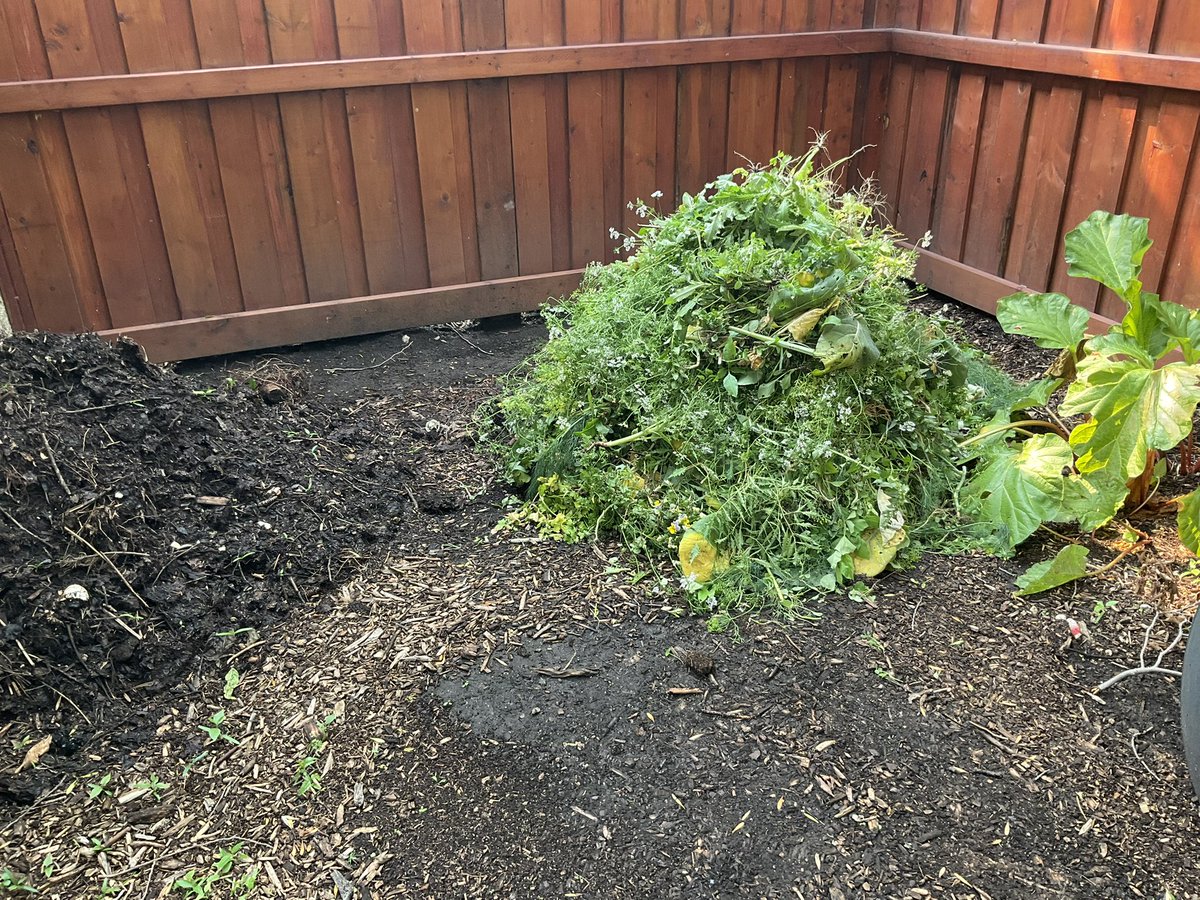
Check out WEED MOUNTAIN! After a full six hours of weeding the garden today, this 3.5 foot mound is the result. Nothing like endless weeks of rain to really let the weedy situation build up. Day off = job tackled. Garden has room to breathe now, as do I. Feels great. #yeggarden