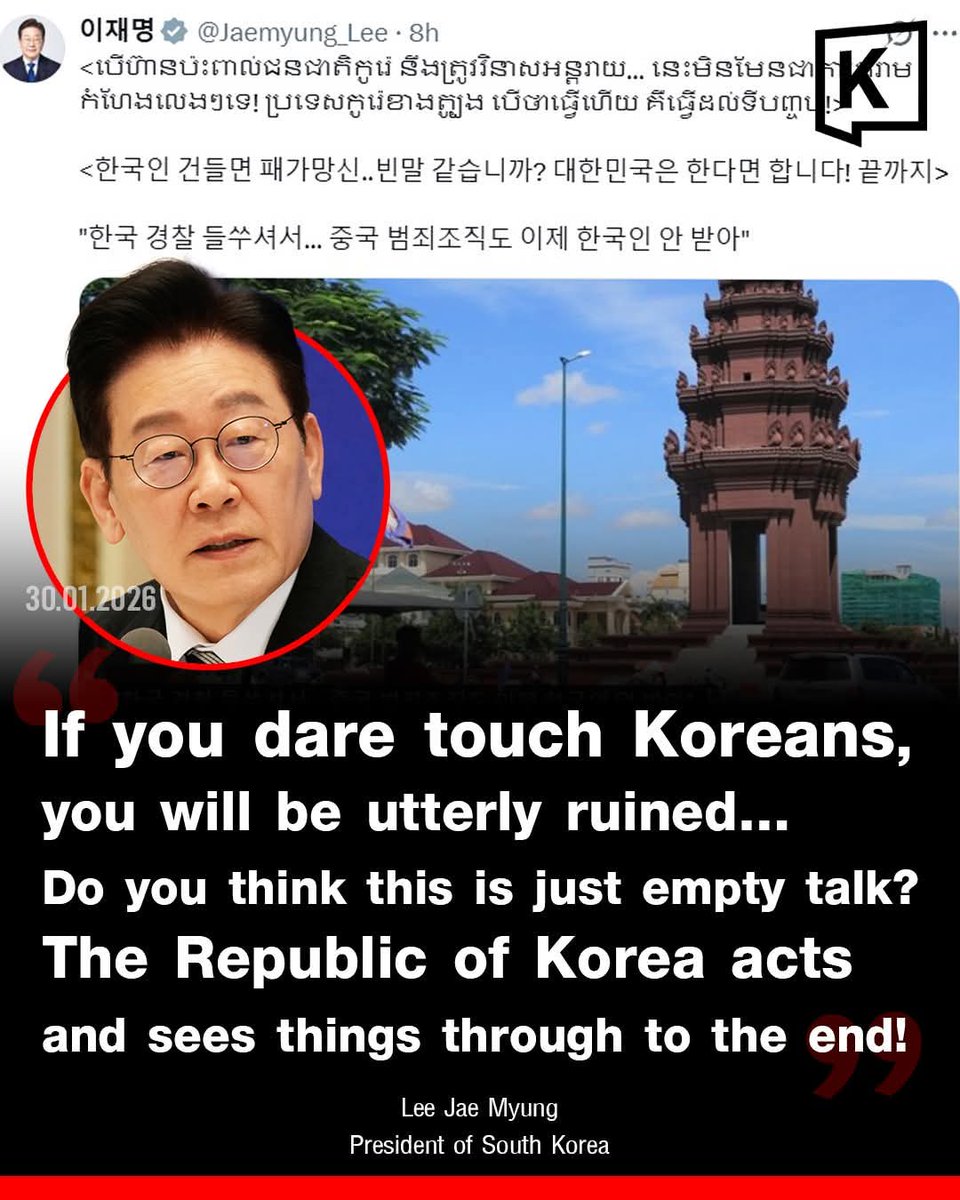
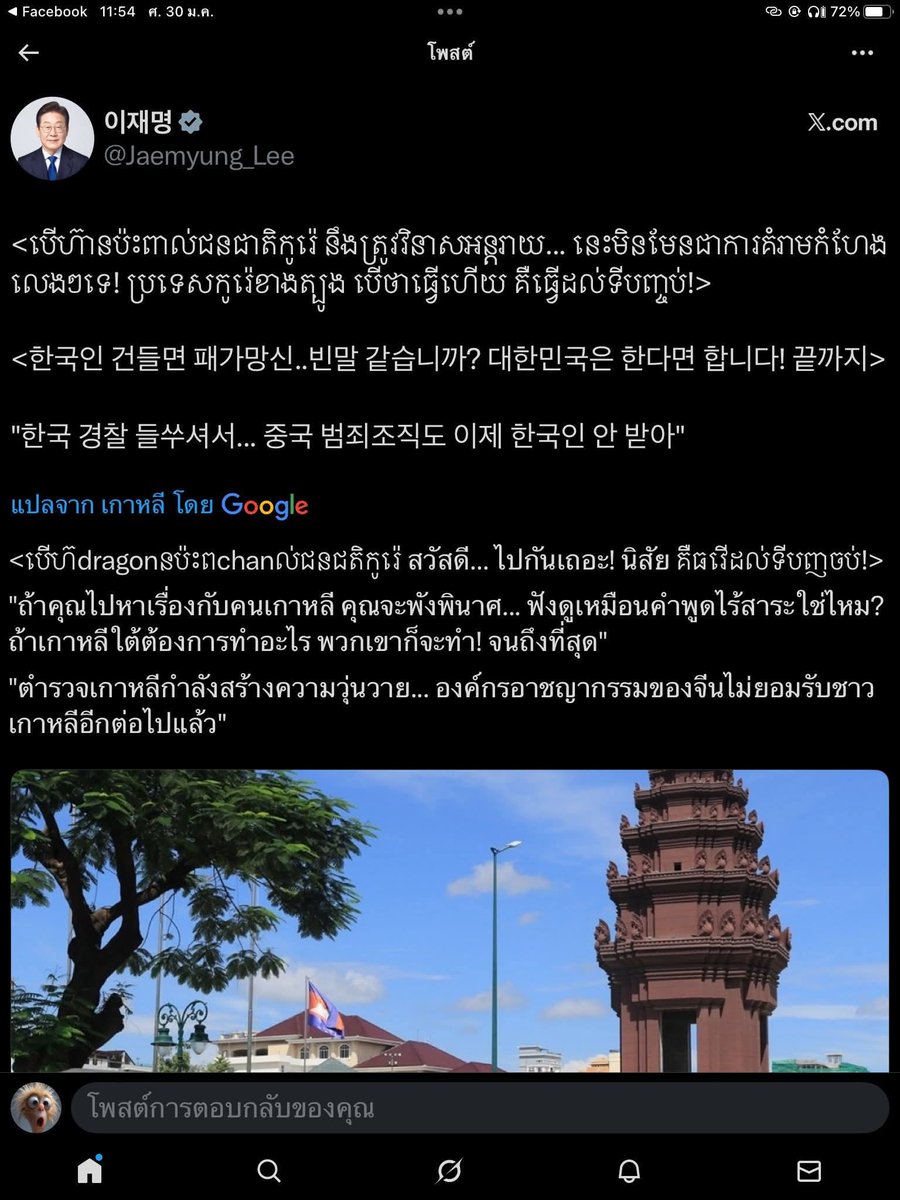
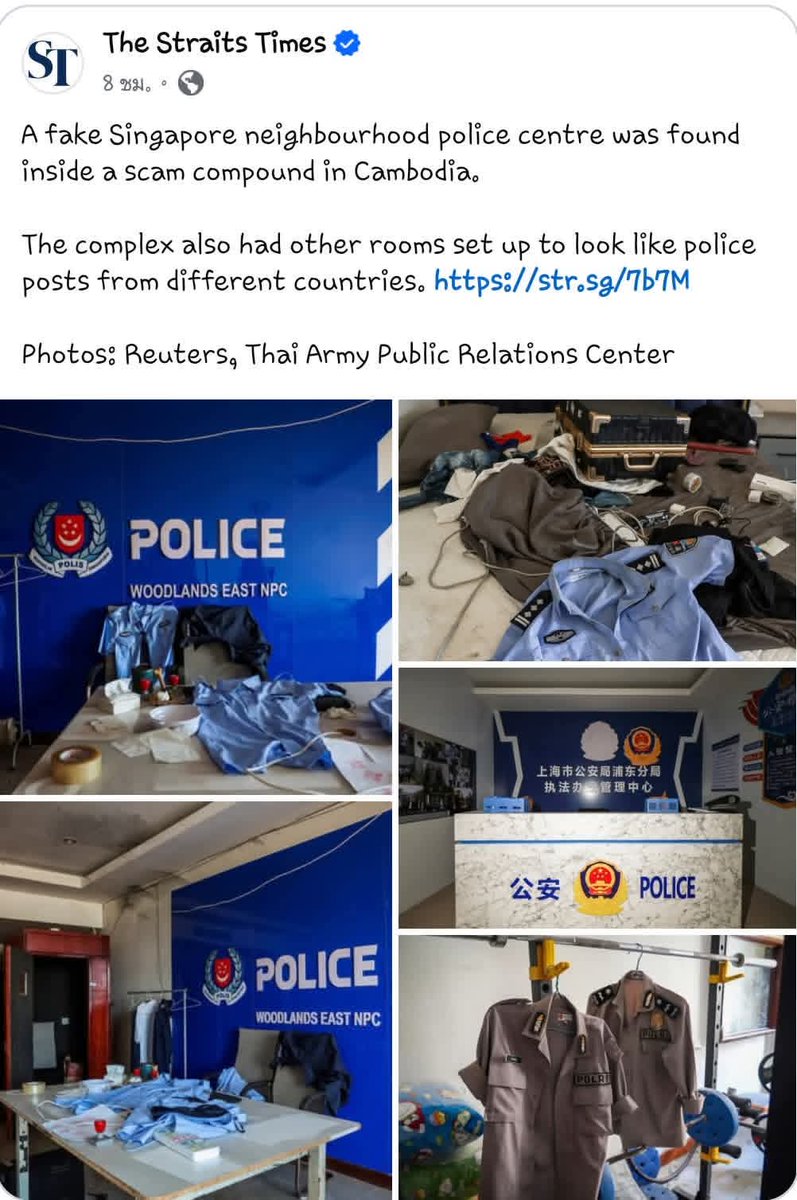
@non_nam_1126@Reaproy@jacobincambodia There’s ample footage and reports linking Cambodia to scam networks, yet you call it “discrediting.” This has been known for years. Denial won’t change facts. Only some with vested interests there still defend it.😂
@non_nam_1126@Reaproy@jacobincambodia Most people around the world don’t think the way you do. There has been evidence, data, and reporting long before this conflict. Even non-Thai foreigners can recognize what’s true. It’s mainly Cambodians and those with vested interests in Cambodia who try to discredit Thailand.
@xohldies@MNaniban4983@jacobincambodia 5️⃣ There are no direct source links for verification, which is a clear red flag. Reliable information should always be traceable to full original sources.
@xohldies@MNaniban4983@jacobincambodia 4️⃣ Some content is opinion, not factual reporting, such as commentary or analysis, which cannot be treated as verified facts.
@xohldies@MNaniban4983@jacobincambodia 3️⃣ It mixes multiple sources—comments, posts, and news from different times—making it look like one body of evidence when they are actually unrelated contexts.
@xohldies@MNaniban4983@jacobincambodia 2️⃣ Many statements shown are allegations, not confirmed conclusions. Credible reporting uses the term “allegations,” but this image presents them as established facts.
@xohldies@MNaniban4983@jacobincambodia 😂 I appreciate your effort to distort the news by cutting and pasting without proper sources, but here are the facts.
1️⃣ Outlets like Reuters, NYT, and WSJ are real, but this image only uses selective screenshots. Cutting parts of articles can distort the original meaning.
@QQQRealJoe@jacobincambodia Scammers use Thailand’s tourism reputation to gain trust but the contacts are often Chinese nationals deceiving other Chinese victims and then sending them to other countries. In other cases,some knowingly come for illegal activities,but later claim they were deceived when caught