I currently have three papers in review at "high impact" journals.
One of them has been sitting there for two years. In that time my daughter was born and learned how to walk, but apparently publishing a PDF was still not possible for me. For another one, after four months in review the editor told me they cannot find a second reviewer and asked me to suggest more reviewers. A third one sent me a message in 2026 saying the PDF I uploaded was larger than 10 MB and that I should please reupload everything to make the file smaller.
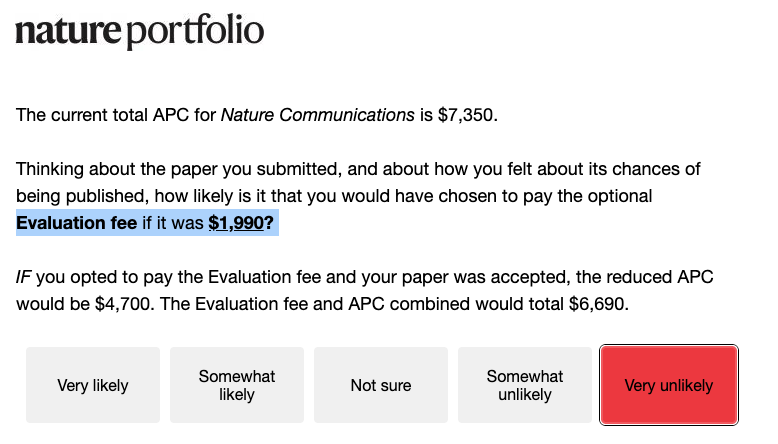
All of this just to eventually pay between 7,000 and 12,000 USD per paper so someone can officially approve that the science we do is "legitimate". Reminder: not a single reviewer will be compensated here.
I still don't understand how we as scientists can collectively be so smart when doing science and still tolerate a system like this when it comes to sharing our findings. We should move to preprints plus open review, whether human or AI, asap. So frustrated about it.
I'd suggest sharing your work on bioRxiv or medRxiv, reading and reviewing preprints when you can, and highlighting good research, especially if it is still a preprint. Try platforms like ResearchHub (that pay for peer review) and experiment with AI based reviewers for faster feedback.
Instead I read this as a proposed "revolutionary" measure:
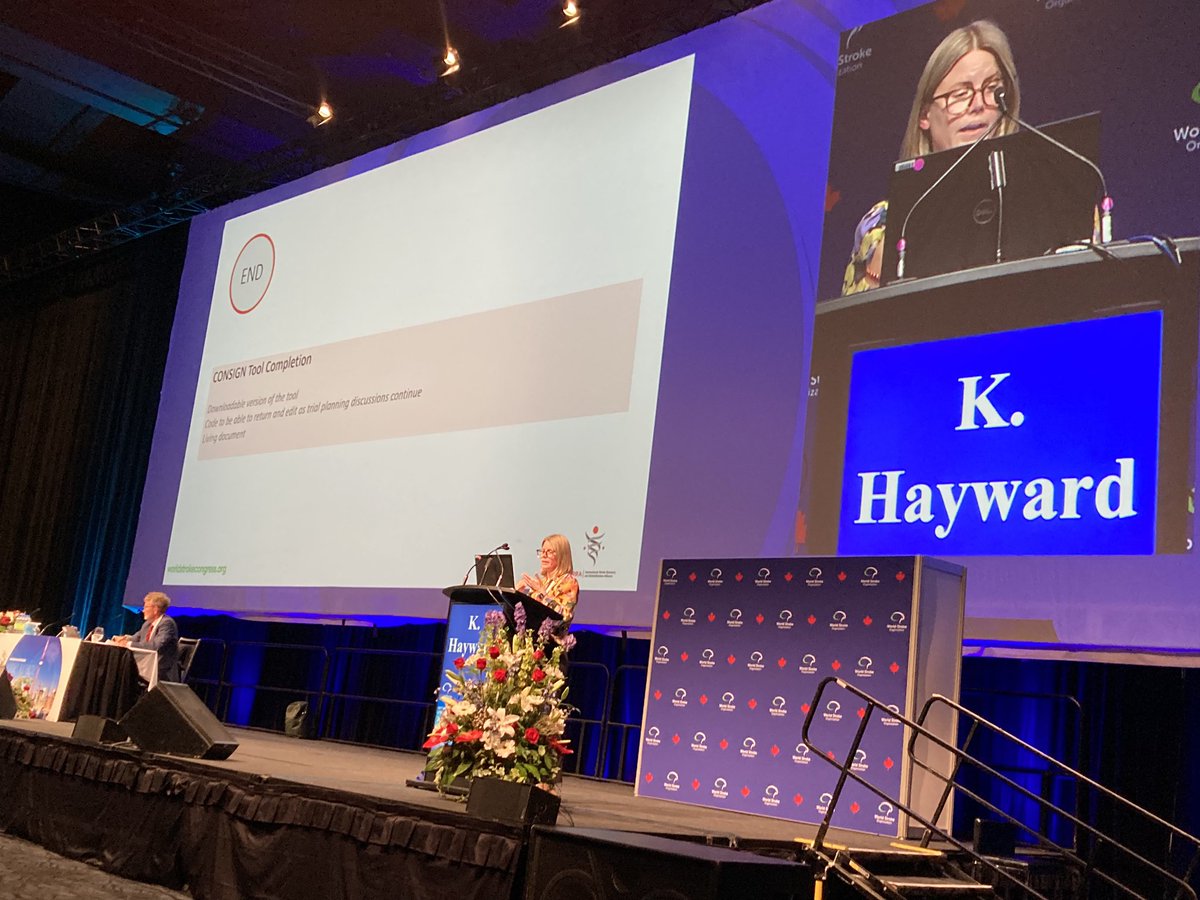
#ISC25 Session Report: Modernizing Stroke Trials for the 21st Century – Scale, Strategy, and Technology
In this #BloggingStroke post, @nkrothapalli4 shares highlights from this session moderated by Jordan Elm and Craig Stuart Anderson. @kate_hayward_
https://t.co/nIYW30tO7H
Ich habe soeben die Petition für die Kampagne “Bundesweites Böllerverbot, jetzt!” unterschrieben. Gehe jetzt auf https://t.co/MV8xUUJcYj, falls du auch die Kampagne unterstützen willst!
This AHA scientific statement discusses the pathogenic mechanisms that link three prevalent cardiac diseases of adults:
➡️Heart failure
➡️Atrial fibrillation
➡️Coronary heart disease
These are three disorders that can lead to cognitive impairment and poor brain health.
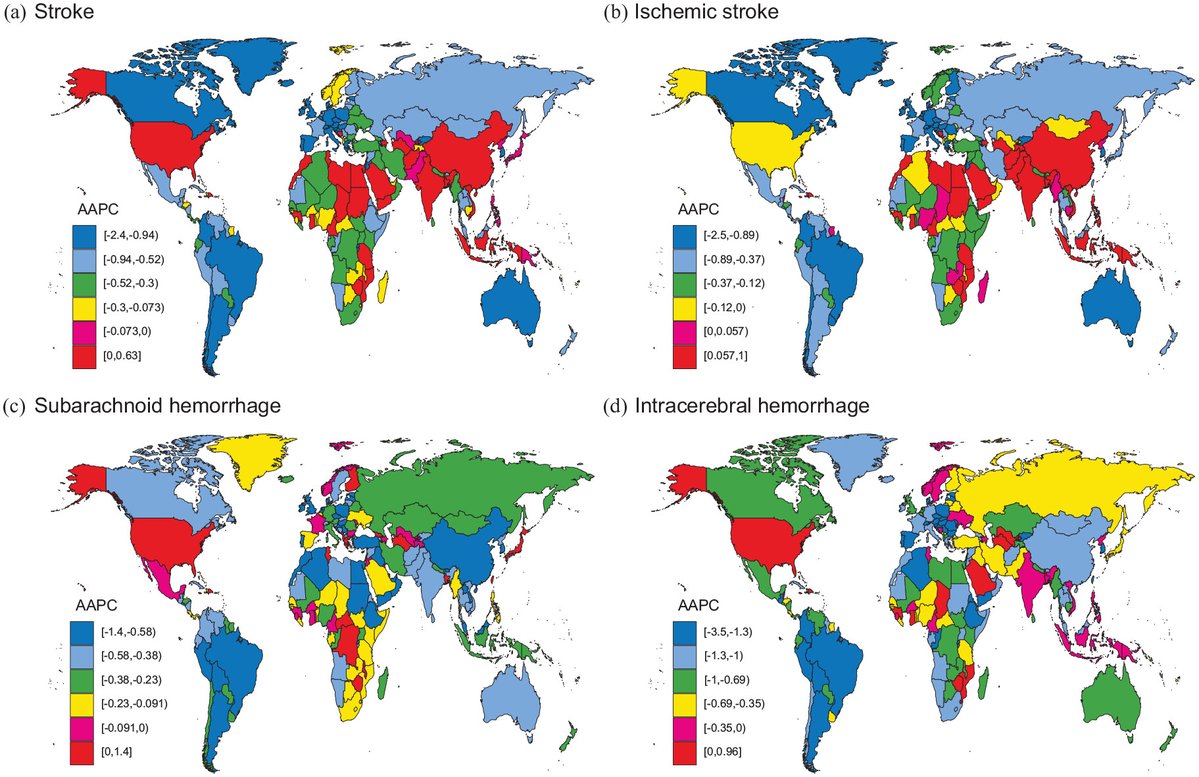
🩸🧠 What is the global, regional, and national burden of stroke?
📊 The global prevalence of stroke in 2019 was 1240 per 100,000
📉 Global rates have decreased over 30 years, but trends across countries varied significantly
https://t.co/xjYyniLiIo @CamStroke
🧠Stroke Recovery and Rehabilitation🧠
Prof. Sandra Billinger and Prof. Richard Zorowitz co-edit this section disseminating discoveries related to issues affecting #stroke survivors in days, weeks, month, and years, post-stroke.
🔗https://t.co/x3SFJnQqep
@Sandy_REACHLab
Just published @JClinEpi
We assessed how the overall quality of evidence (e.g. GRADE "moderate", "low" or "high" certainty) indicates if the future view on interventions changes.
https://t.co/OgRK92bNSm
EOI for the ISRRA 4th Stroke Recovery and Rehabilitation Roundtable OPEN: https://t.co/riQWk9Sc5C (close midnight 31/5/24 AustralianEST) The roundtables build consensus around pivotal areas that can deliver progression and growth in the field of stroke recovery & rehabilitation
Do measures of physical capacity and walking self-efficacy relate to frailty in older adults with difficulty walking outdoors? A secondary data analysis https://t.co/mxQK7F0FfJ
📚✨ Whether you are conducting research or using MAXQDA to create your literature reviews, this guide gives you a compact overview of how to work with literature data. Available in five languages. #LiteratureReview#MAXQDA
Read now: https://t.co/DKcIadz9yE
Out now - Control Design in Stroke Recovery & Rehab #SRRR3 consensus paper
https://t.co/ttf4ODCMSU
Planning a preclinical or clinical trial?
🟢Check out #CONSIGN tool to guide thinking https://t.co/vIEAZILagG
🟢See recommendations⬇️
All #SRRR3 papers 👉 https://t.co/JvEyPQZAfa
weil es uns Patient:innen und Angehörige im Gesundheitswesen einfach weiterbringt. Machen ist wie wollen, nur krasser. Warum machen wir das nicht mal? https://t.co/UoZkE90oaS