Thrilled to announce the debut our paper led by @ardollam, “Causal Processes in Psychology are Heterogeneous,” in JEPG. We propose the importance of working from the meta-theoretical position that subjects differ, sometimes markedly, in their experimental effects. 1/4
Oops, I forgot to tell you about the new paper. It is called "Causal Processes in Psychology are Heterogeneous" and it makes the case that we often fail to allow for between-subject variability in experimental effects. Follow this link: https://t.co/3ANb4K4nYA
To my fellow relationship scientists: a plea, call-out, and request for retweet.
I'm gathering information on empirical research related to the pandemic. I know about some studies, but surely not all. Please reply here (or via email) to alert me to relevant research. THANK YOU!
@ErikNook @AjayBSatpute @ColumbiaSCANLab@affectScience As someone who was there ten years ago and saw the live thesis presentation of this work, I am especially excited to read the paper!! 😊
@maireadkshaw The book "Intensive Longitudinal Methods" by Bolger and Laurenceau has a website with data files and code for multilevel analyses (https://t.co/NoadF5grd1). You might also try the AMIB dataset from the QuantDev group at Penn State (https://t.co/NoadF5grd1).
The best sources I’m aware of for learning #brms are:
* @paulbuerkner's papers and vignettes (https://t.co/fEYhcPXLNo),
* the San Forums (https://t.co/JjrHjdlAKG), or
* my books and blogs (https://t.co/DtQ6hjta0i).
What other educational material do you recommend for #brms?
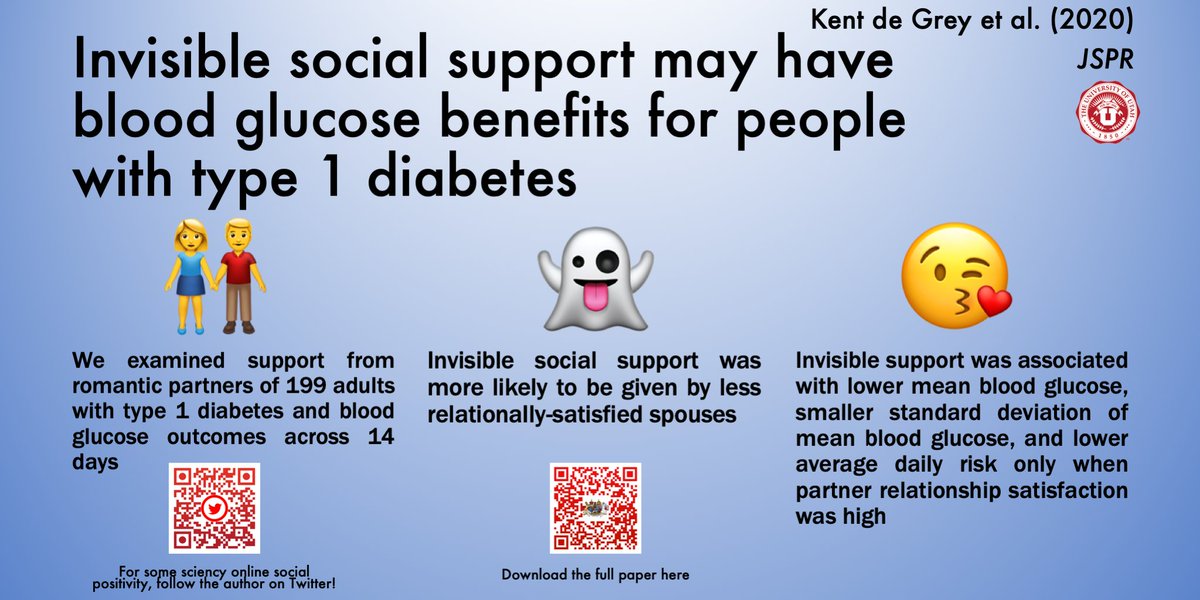
Our exploration of #socialsupport visibility in persons with #T1D is now available from @JoSoPerRel. We examine if #invisiblesocialsupport is related to #bloodglucose & look at possible correlates of support visibility. Here are some highlights: (1/11) https://t.co/kPI51zA431
1/ How can people best support each other during challenging times?
My paper in JPSP with Niall Bolger (@ardollam) and Tory Higgins reveals key ingredients of social support: https://t.co/EA51MPIeI9
THREAD