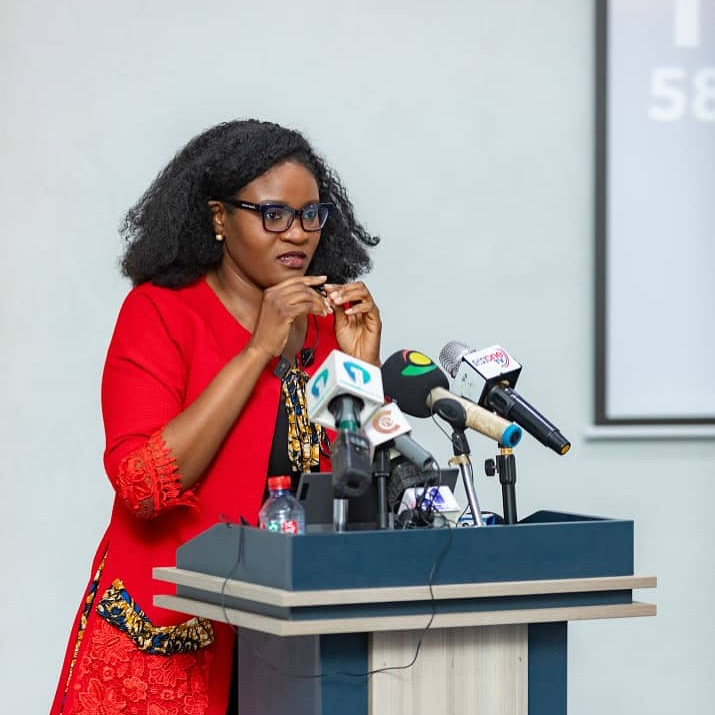
During the Freedom Tech track at the 2026 Oslo Freedom Forum, Farida Nabourema, Togolese democracy advocate and founder of the Africa Bitcoin Conference, explains how financial systems can become invisible sanctions against activists, nonprofits, and ordinary citizens.
She shares what that looks like from the inside: ten years in exile and countrymen imprisoned for years simply for sending money to support the pro-democracy movement. She explains how Bitcoin can be a tool for financial resilience under authoritarian regimes.
He didn’t just report the story. He changed its outcome.
At the Oslo Freedom Forum, Steven Kefas shares how speaking out about mass abductions in Nigeria forced action, saved lives, and made him a target.
Telling the truth is a powerful act in dismantling dictatorship.
Beyond asking for their release, we call on ECOWAS and all human rights defenders to speak up against this horrific situation until these prisoners are released.
#katutucenter#civilrights#cilvilrightsmovement
Thirteen political prisoners held in Lome Civil prison have been on hunger strike for more than a week, demanding their release.
It is the height of inhumanity to sentence citizens to prison unjustly and watch them pay dearly with their body for their release.
I grew up believing that the worst thing a government could do to its people was to terrorise them openly. I have since come to believe that the worst thing a government can do to its people is to make them forget that they are being governed against their interests at all. Terror, at minimum, produces the clarity of the enemy known. The rotating plutocracy produces something more devastating: a population that has been successfully convinced that its captivity is freedom, that its exhaustion is stability, that its dispossession is simply the way things are, and that the next election, like the one before it and the one before that, will be the occasion on which things finally, at long last, begin to change(…)
The citizens of these plutocracies, technically, have the power to speak. They have newspapers, imperfect and compromised but present. They have social media without the systematic surveillance dragnet that monitors every keystogram in my country. They can assemble, protest, petition, organise, without the immediate certainty of arrest that greets the same activities in Lomé or Harare or Asmara. They have an intellectual elite, sometimes a substantial one, educated, articulate, internationally connected, fully capable of the analytical work that produces political transformation. And the overwhelming majority of them do none of it. They speak, occasionally, and then they wait. They wait for the next election. They wait for the next candidate. They wait with a patience that looks, from the outside, indistinguishable from contentment, and that functions, in political terms, as consent.
The conclusion I have reached, after years of observation and conversation and reflection, is that the plutocracies are in fact worse. Not worse in the physical register, where the violent dictatorships retain their hideous distinction of bodies broken and voices silenced by direct force. But worse in the political and civilisational register, because they produce a condition of oppression that is almost impossible to fight precisely because it is almost impossible to recognise.
For one can only fight for liberation after acknowledging one’s condition of oppression.
Read full piece here: https://t.co/JJjCK6sMWw
Xenophobia is a direct indicator of social decay. In every African country where you see populations turning violently against foreign nationals, what you are actually seeing is a population that is drowning financially, struggling to find work, struggling to eat, watching their living conditions deteriorate with no credible explanation from the people responsible for governing them.
The foreigner becomes the easy explanation and excuse for a failing state.
What makes it particularly revealing is who they target. They never target the foreign corporations extracting resources at below-market prices. Not the foreign financial institutions whose conditionalities have gutted public spending for decades, not the foreign governments whose diplomatic protection keeps predatory local elites in power election after election. Those actors are too distant and too legally armoured, living behind gates in neighbourhoods that the angry and the desperate cannot reach. So they go after the ones they can reach: the street vendor from a neighbouring country, the migrant worker who is every bit as broke and as desperate and as abandoned by power as they are.
The poor man’s oldest and most reliable mistake is to see his enemy in his fellow poor person. It requires a macroscopic reading of how power actually operates to understand that the Malawian vendor and the South African unemployed youth are not each other’s problem. They are both products of the same system of extraction, the same manufactured scarcity, the same political class that needs them fighting each other precisely so they never turn around and face the right direction.
Xenophobia is never a spontaneous eruption of hatred. It is what manufactured poverty looks like when it finally needs somewhere to go.
Meet the African Minister Who Recruits for Israel @rdussey
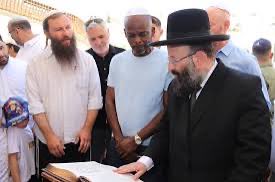
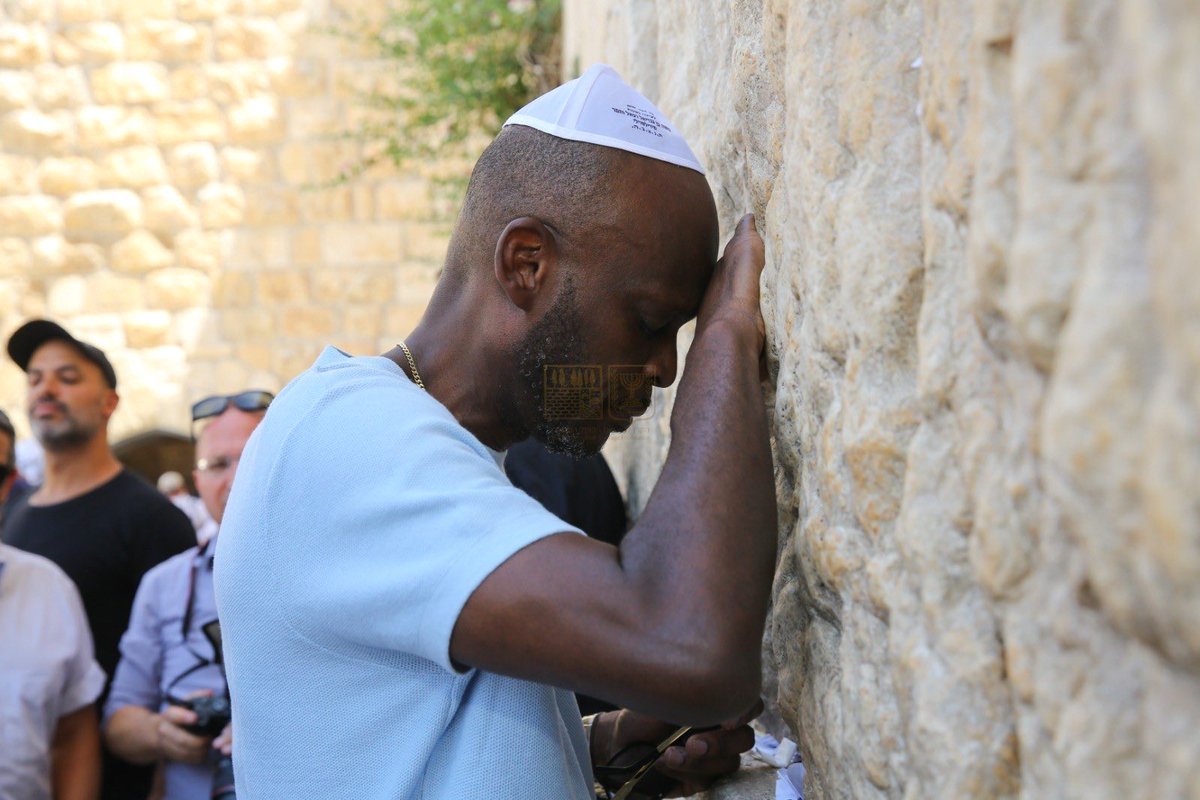
“ The African continent is booming, and Israel holds the solutions for African development.” These are the words of Robert Dussey, former catholic monk and now Togo’s Minister of Foreign Affairs since 2013, spoken at an AIPAC convention in Washington, before the most powerful pro-Israel lobby in the Western world, where he also declared Israel his second nation, and came, by his own admission, to “reassure Netanyahu of Togo’s total and constant support.”
This is what the sellout of a continent looks like. But this did not begin with Dussey, and it did not begin with Faure Gnassingbé. It began in 1963, when Sylvanus Olympio, the independence leader and first president of Togo, a man who had dared to build an independent monetary system and refused to submit to French tutelage was assassinated in a coup.
The man who replaced him, Nicolas Grunitzky, was of Jewish Polish-German descent, and his ascension to power opened a door that has never since been closed. Israel understood immediately what it had in Grunitzky, and more critically what it had in Gnassingbé Eyadéma, the military strongman who would eventually seize full power in 1967 and rule for thirty-eight years: a regime fighting for its own survival, willing to place itself entirely at the service of a foreign power, as long as that foreign power provided everything necessary to ensure that survival: arms, intelligence and diplomatic protection.
For years, while African people struggled under the weight of poverty, repression, and foreign interference, Togo became the most faithful African agent of this arrangement. The only African nation to consistently vote against resolutions defending Palestinian rights at the UN, the only African country to vote to recognize Jerusalem as Israel’s capital, and a reliable conduit for Israeli military technology, surveillance infrastructure, and diplomatic cover across the continent. Dussey evangelizes this policy traveling across Africa to recruit other governments into the same orbit of allegiance.
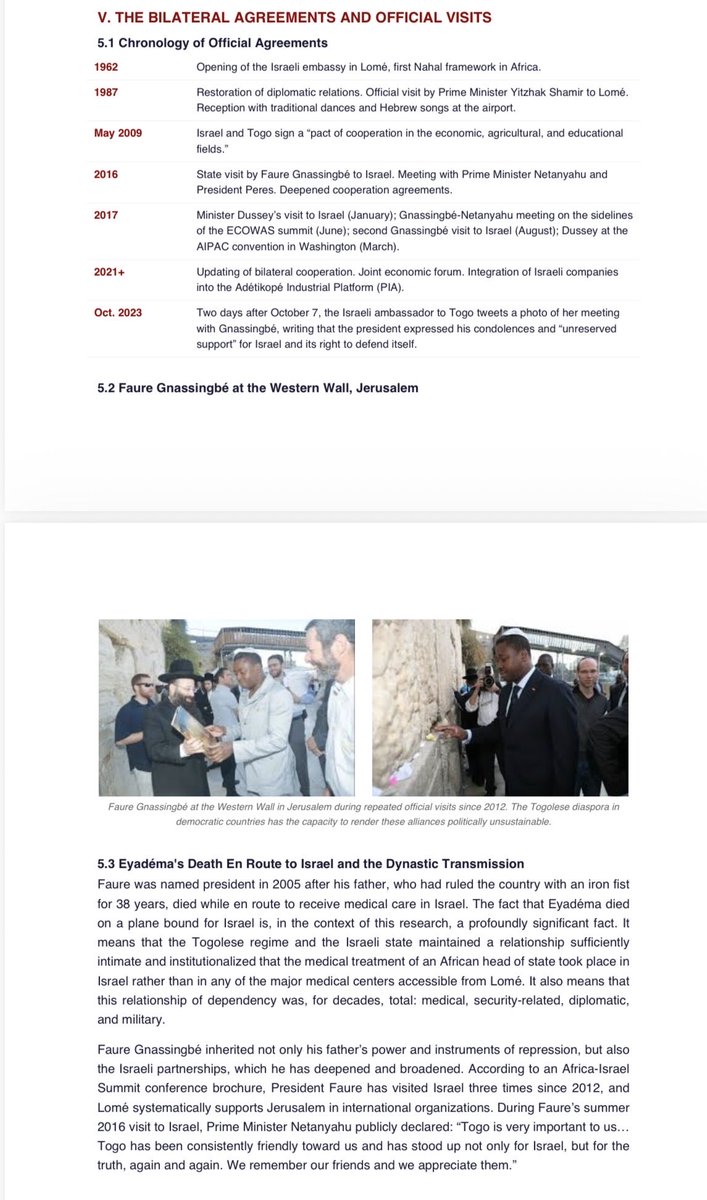
The exchange was never equal. Israel got votes, legitimacy, and a foothold on the continent. The Gnassingbé regime got weapons, surveillance tools used against its own journalists and opposition figures, and the quiet international protection that allows a dynasty to repress its people for 60 years without serious consequence.
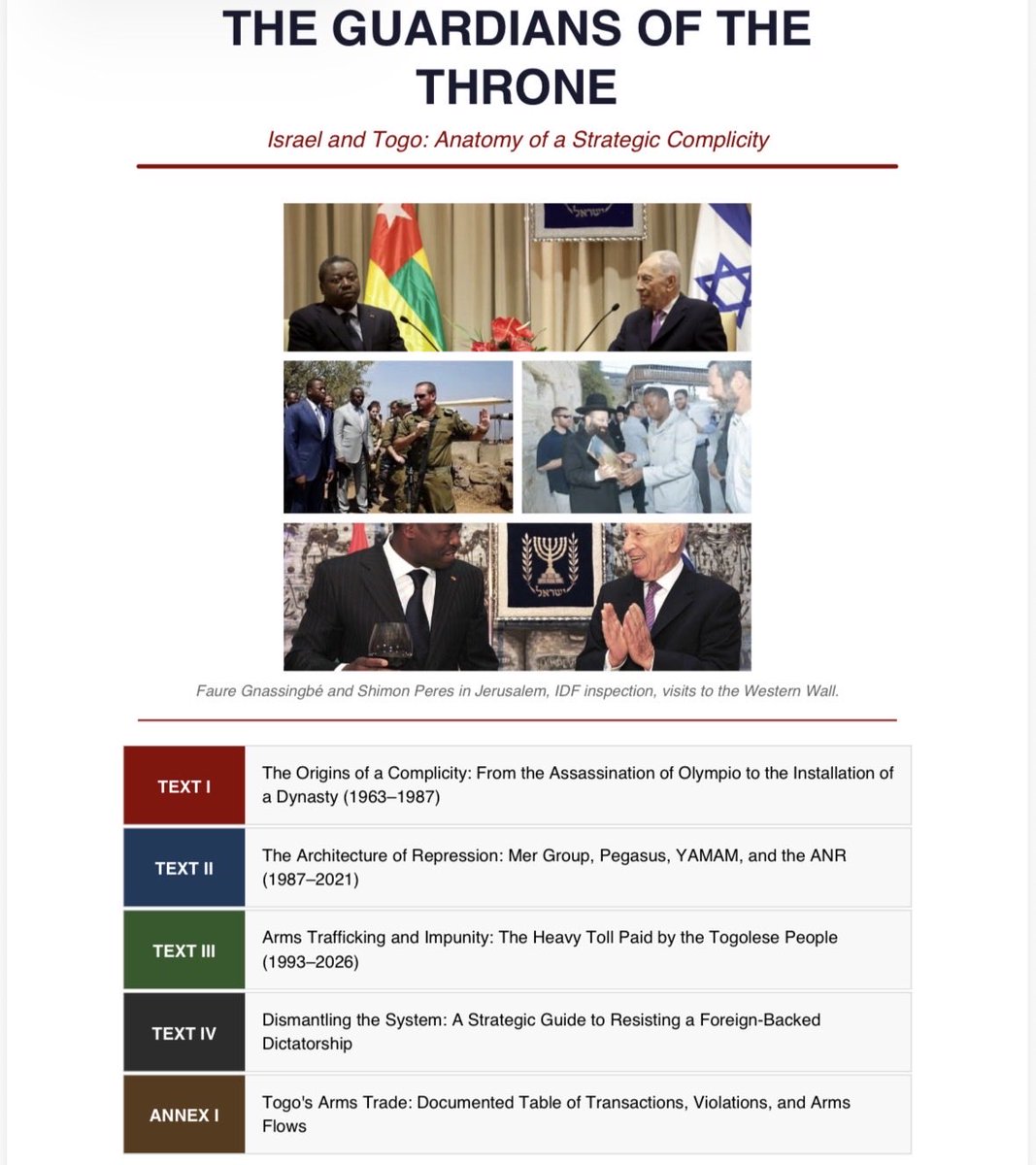
I documented this in full in my investigative documentary series “ The Guardians of the Throne”: four episodes tracing the strategic relationship between Israel and the Gnassingbé dynasty from its origins to the present day: the arms transfers, the surveillance networks, the financial arrangements, and the diplomatic machinery that has made Togo one of Israel’s most useful and most loyal African partners for over sixty years.
You can access the report here: https://t.co/koKWLGrqCt
A man may be a political animal, but there comes a time in a person’s life when true service must be the ultimate goal.
In the history of our country (continent), this is the time.
-PLO LUMUMBA
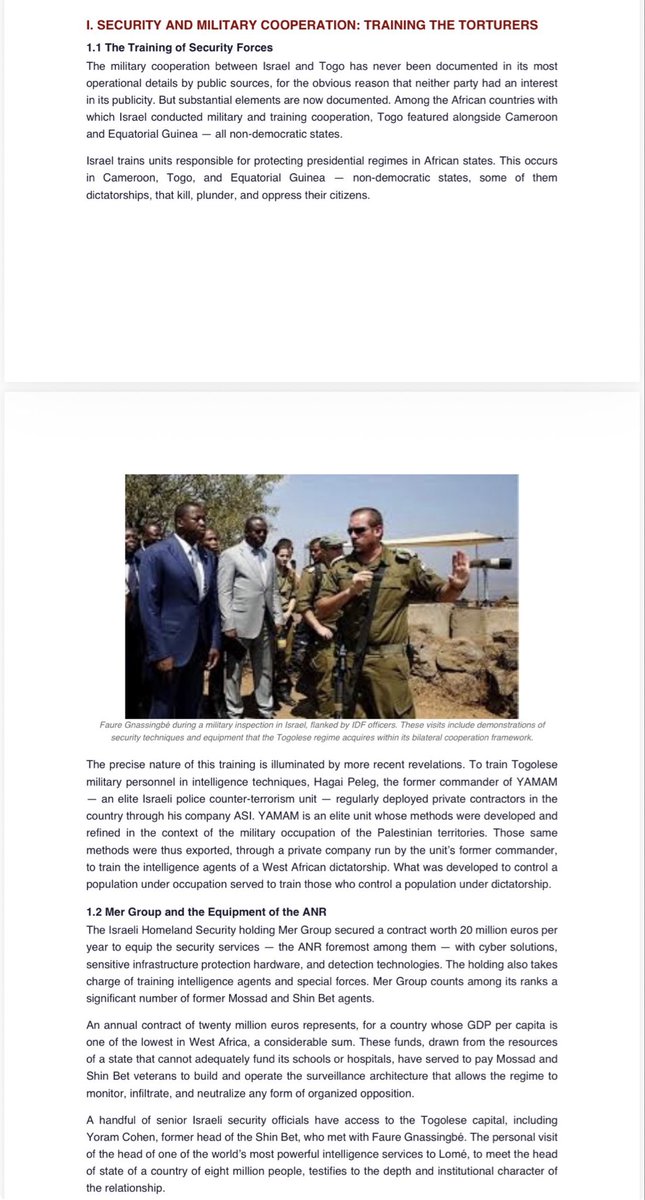
The Guardians of the Throne: A look into the Israeli sponsored dictatorial regimes in Africa!
When the world speaks of Israeli state oppression, the mind goes immediately to Palestine, to Gaza. But there is another case of the Israeli state that has been waiting in the dark for decades: that of my country Togo.
Since the 1960s, Israel has maintained active and profitable partnerships with some of the most brutal regimes on the African continent. But none of those relationships is more consequential than the one it has built and sustained with the Gnassingbé dynasty in Togo, the longest-running military dictatorship in African history, a regime that has held an entire people hostage for nearly six decades through a combination of brute force, institutional terror, and the quiet but indispensable support of foreign partners who have never had to answer for what they enabled.
https://t.co/dMbU33XEaa hosts the documentary series I wrote to pull that partnership into the light.
This is a 76-page investigation built from documented sources, and what it contains will be uncomfortable for anyone who prefers their geopolitics clean. It exposes the illicit arms trade that has kept the Gnassingbé military machine supplied and operational through decades of massacres, election fraud, and the violent suppression of peaceful protest. It documents the military training programs through which Israeli security forces have shaped and professionalized an army whose primary function has never been to defend Togo from external enemies, but to defend a dynasty from its own citizens.
It details the surveillance infrastructure, the intelligence cooperation, the technologies of monitoring and control that have allowed a regime to track, identify, arrest, and disappear its opponents with a precision that would not have been possible without outside expertise. And it follows the money, because none of this has ever been charity. Israel has been paid, generously, while Togolese people bled.
The series is divided into four parts. The first reconstructs the historical origins of this alliance, tracing it back to the earliest years of Eyadéma’s 1967 coup and the strategic calculations that brought two such unlikely partners into each other’s arms. The second maps the security and military architecture that Israel helped design and sustain, the weapons, the trainers, the systems, and the doctrine. The third examines the financial anatomy of the relationship, what it has cost the Togolese state, and who has profited. The fourth, because documentation without direction is just grief, offers a strategic guide for resistance, a sober and concrete analysis of what dismantling this structure will actually require.
Today, we celebrate women who speak up for social justice, inclusion, and the advancement of human rights.
Women whose voices continue to ring out for reforms and more favorable policies and practices.
Women who refuse to be silenced or embrace cowardice.
Today, we celebrate their grit, commitment, and dedication. We applaud their contributions and the revolution and results they have sparked.
And we hope that their efforts will continue to count for the greater good, becoming easier with more tangible results over time.