🔥BREAKING🔥
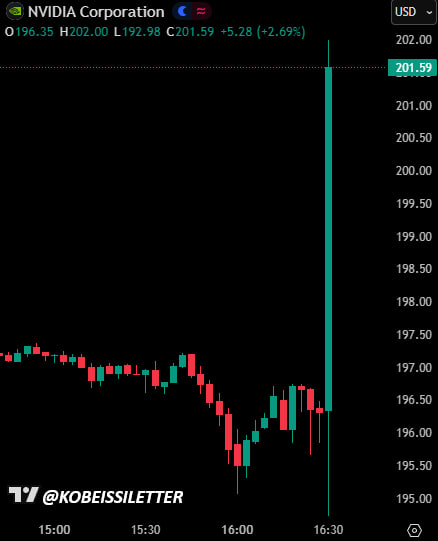
🚀Nvidia $NVDA SUPERA ENORMEMENTE LAS EXPECTATIVAS de su balance.
-Las GANANCIAS de la empresa se esperaban que sean de $65B y fueron de $68.1B
-Las GANANCIAS por accion se esperaba que fueran de $1.5 y fueron de $1.6.
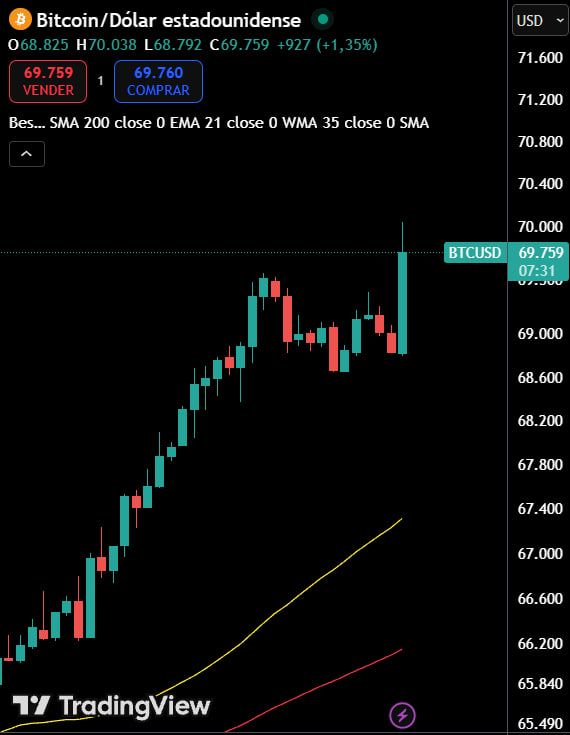
💥#Bitcoin SUBE y $NVDA, la empresa con MAYOR PESO en el SP500 se dispara.
2/ ⚡ Big Efficiency Win
Packaging time dropped from 2 hours → 25 minutes.
#Mesa is now in Release Candidate prep and moving toward code freeze — meaning the upgrade is getting closer to being finalized.
Testing (including zkApp upgrade tests) is ongoing.
1/ 🚀 Mesa Upgrade Progress (Community Update) @o1_labs Here’s a simplified breakdown of what’s happening with the Mesa upgrade across the @MinaProtocol ecosystem 👇
Native proving lifts the ceiling for zkGames.
Bigger circuits = more complex mechanics verified in a single proof.
Chunking = scalable battle resolution.
Faster proving = better UX.
This is the kind of infra shift that makes provable gaming viable!
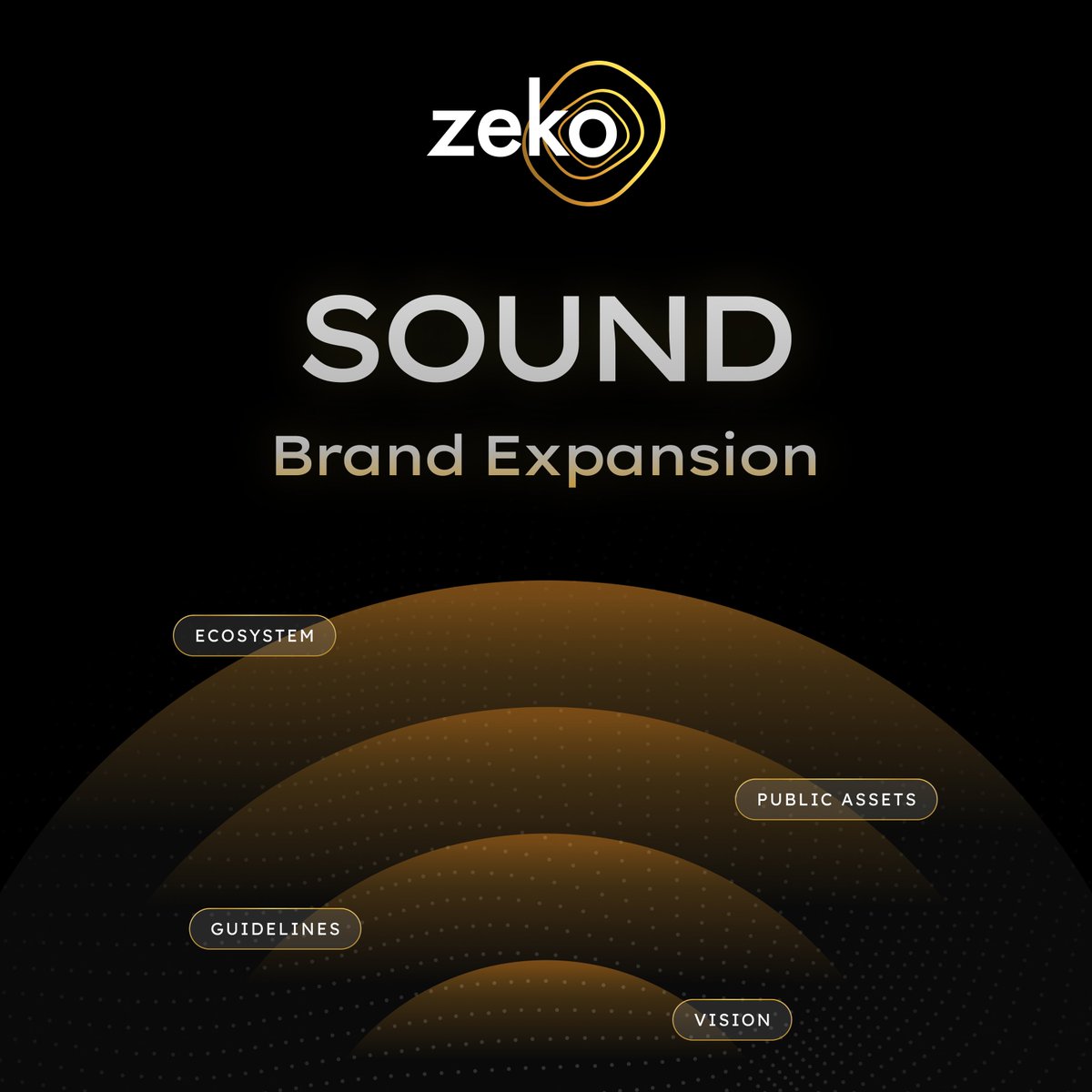
We launched our SOUND Brand page at https://t.co/Ub4fc6Z2cX with inspiration, style, and design guidelines that keep the Zeko vision coherent as our ecosystem expands.
This is source content for your own work to resonate. What will you create? #zkInternetRevolution
Check out o1Labs' latest headway👇
This prerelease brings native proving and enables chunking — meaning significantly larger zk circuits can now run in o1js.
~2× faster proving.
Up to 4× larger circuits.
More headroom for serious zkApps on Mina.
🚧Weekly Mina Dev Update
Mesa Upgrade Progress
- Pipeline optimization complete: packaging down from 2hrs to 25mins
- RC prep continuing toward code freeze
- Mixed-Mode Dry Runs (Legacy/Auto) with zkApp upgrades in progress
🖥️ OCaml Node
- Mesa feature code merged to develop branch
- Final PRs being merged ahead of code freeze
- Completed HF mixed mode dry-run 4; dry-run 5 started
⚙️ Rust Node
- Test Orchestrator Core Framework implementation underway
- Adding no-std proof systems support
- Planning Rust/Web node path to mainnet as a verifier node
🛠️ o1js / SDK
- Fixed Mina.faucet() API for zk captcha support
- Native Prover: Core cleanup complete; setting up package structure and CI
- o1js 3.0: Mesa zkApp tests written; Berkeley to Mesa migration pipeline in progress
- Proof Systems: 0.4.0 release in progress
Full update here: https://t.co/0PPMLk8jOr
Traditional systems struggle with this. They either process requests sequentially or risk race conditions. Zero knowledge actions and reducers change this.
On Mina, actions represent state transitions (like "pay this grant"), and reducers batch-process them while generating a proof that all rules were followed.
Together, actions and reducers work around race conditions, even when requests arrive simultaneously.
The challenge is when multiple requests hit the system simultaneously, you need to ensure:
- Only eligible requests were paid
- Budget limits were respected
- Payouts weren’t processed twice
Here’s how you could use ZK proofs to coordinate trustless payouts, without relying on manual processes.
Think grant programs and expense reimbursements, where payment requests are arriving at the same time.
The hard part isn’t sending the money... 🧵
Recursive zero-knowledge proofs on Zeko can compress verification of massive internet-scale state into kilobyte-sized proofs, turning trust into software, and filling a massive gap in the internet protocol suite. (demo app link 👇)
Devs: In the AI era, whoever builds & scales this verification layer first won’t just ship another app, they will monetize the default infrastructure for proving what is real across every platform.
Get started with this demo app, live on Zeko testnet: https://t.co/TPyPjgNWZ2
Mesa is coming—and it expands what zkApps can do.
We’ve shared a Mesa-compatible payout zkApp example showing how to experiment with new limits (actions, events, account updates) and prepare for redeployment using the o1js prerelease.
👀: https://t.co/DXOcjQISZC