Our new paper in @NatureChemistry expands what chemistry living cells can perform, using engineered enzymes for unnatural biosynthesis to generate and transfer nitrenes, producing previously inaccessible nitrogenous compounds. Check it out: https://t.co/8WUPuDpz5g
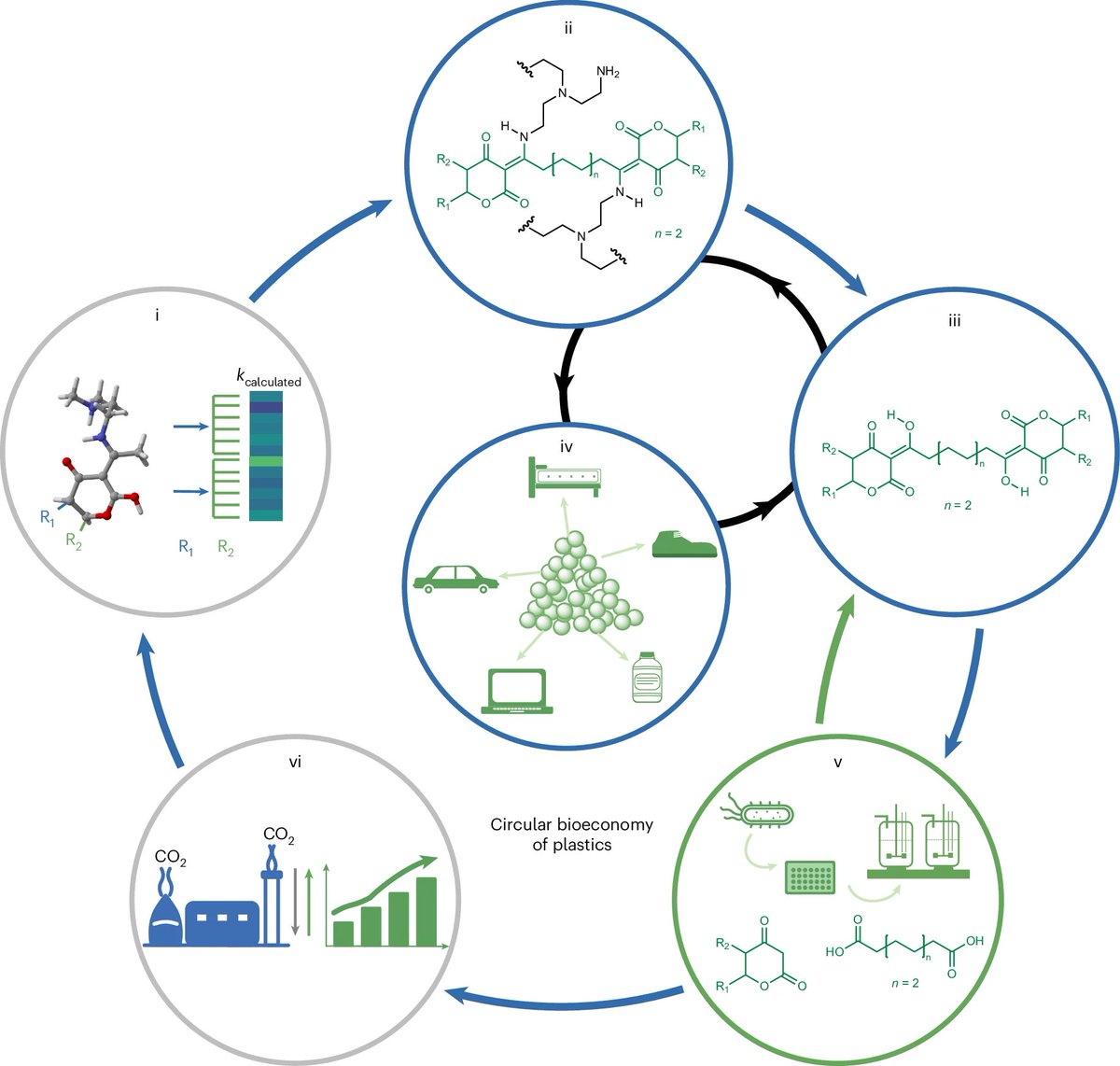
We're thrilled to share our new manuscript in @NatureBiotech, led by former postdoc Zilong Wang! We engineered #PolyketideSynthases to produce renewable monomers for plastics with programmable properties, enabling materials-by-design for a circular and sustainable future. 1/2
2/2 The team achieved titers of 1.84 g/L and showed that these #renewablemonomers can be used to create recyclable plastics with tunable thermal and mechanical properties.
Congratulations to the entire team on this incredible achievement!
Read it here: https://t.co/l1xbuxI9DE
We're thrilled to share our new manuscript in @NatureBiotech, led by former postdoc Zilong Wang! We engineered #PolyketideSynthases to produce renewable monomers for plastics with programmable properties, enabling materials-by-design for a circular and sustainable future. 1/2
Peter and Graham discovered that GuUGT73F15, an enzyme from licorice plants, catalyzes C3 β-O-glycosylation reactions with a remarkably wide range of triterpenes/sterols and UDP-sugars. This method can be used to synthesize libraries of saponins as candidates for improved drugs.
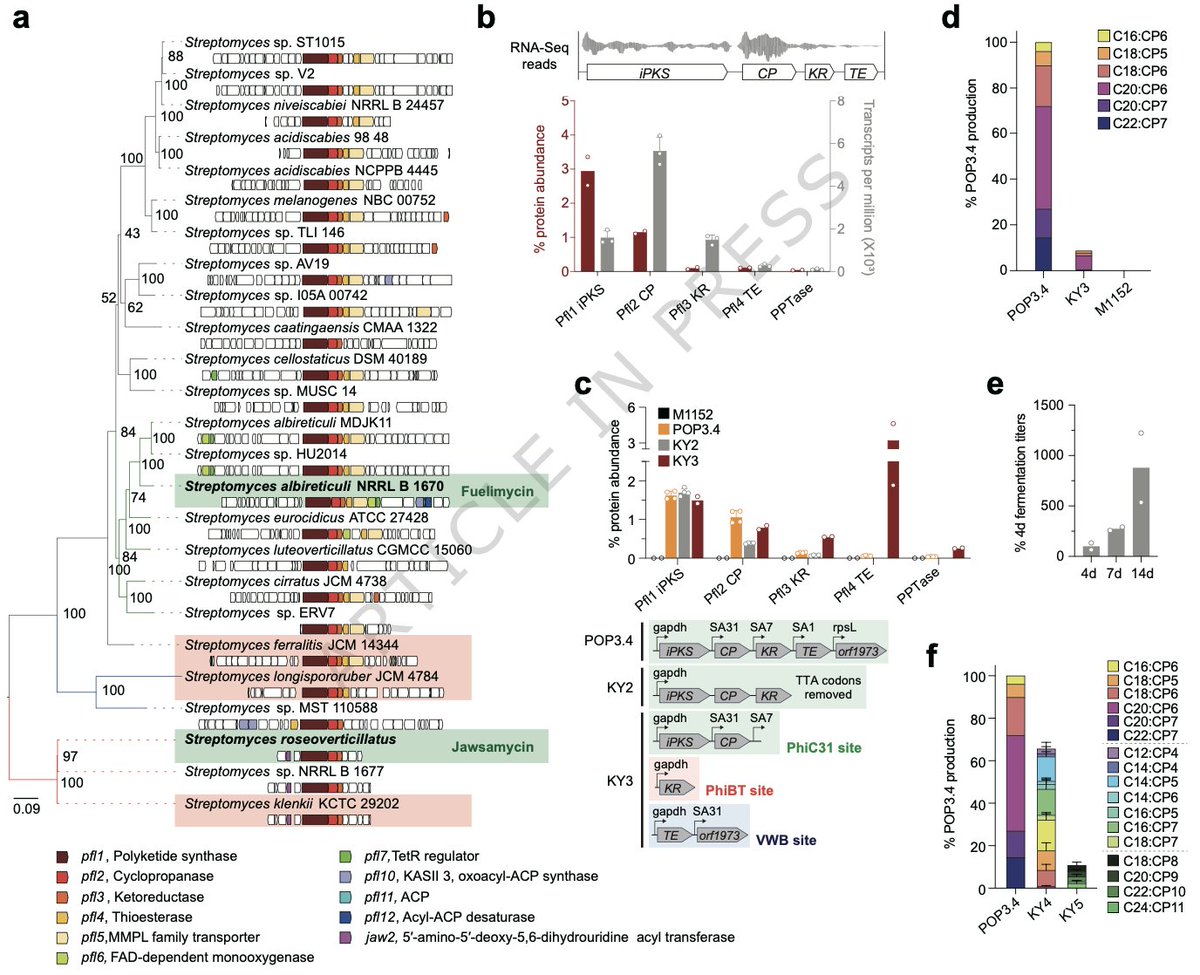
Excited to share our latest publication in @NatureComms! We developed a PKS-based platform for the controlled biosynthesis of high-energy fuel molecules with tunable cyclopropanation patterns. Congratulations to Dr. Kevin Yin for leading this work!
https://t.co/ueKVkK6t8L
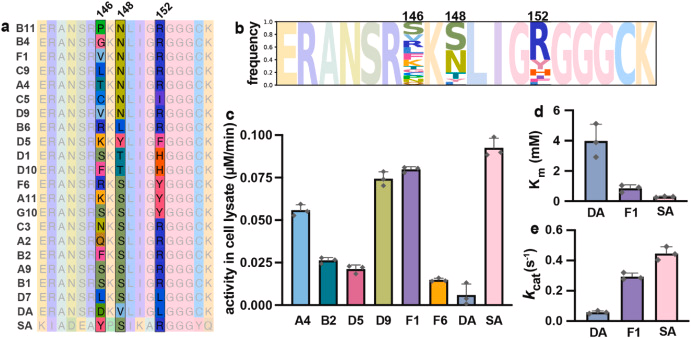
Happy to share our new paper out in #MetabolicEngineering! We developed a strategy to tie redox activity to the growth rate of E. coli. Growth coupling enables enrichment of high-activity variants from large mutagenesis libraries for protein engineering. https://t.co/j78HKJpXY7
Each year, the Keasling Lab gathers in Lake Tahoe to reflect on our progress, share goals, and think collectively about where our science can have the greatest societal impact. Proud of what we accomplished together—thank you to everyone who makes this work possible!
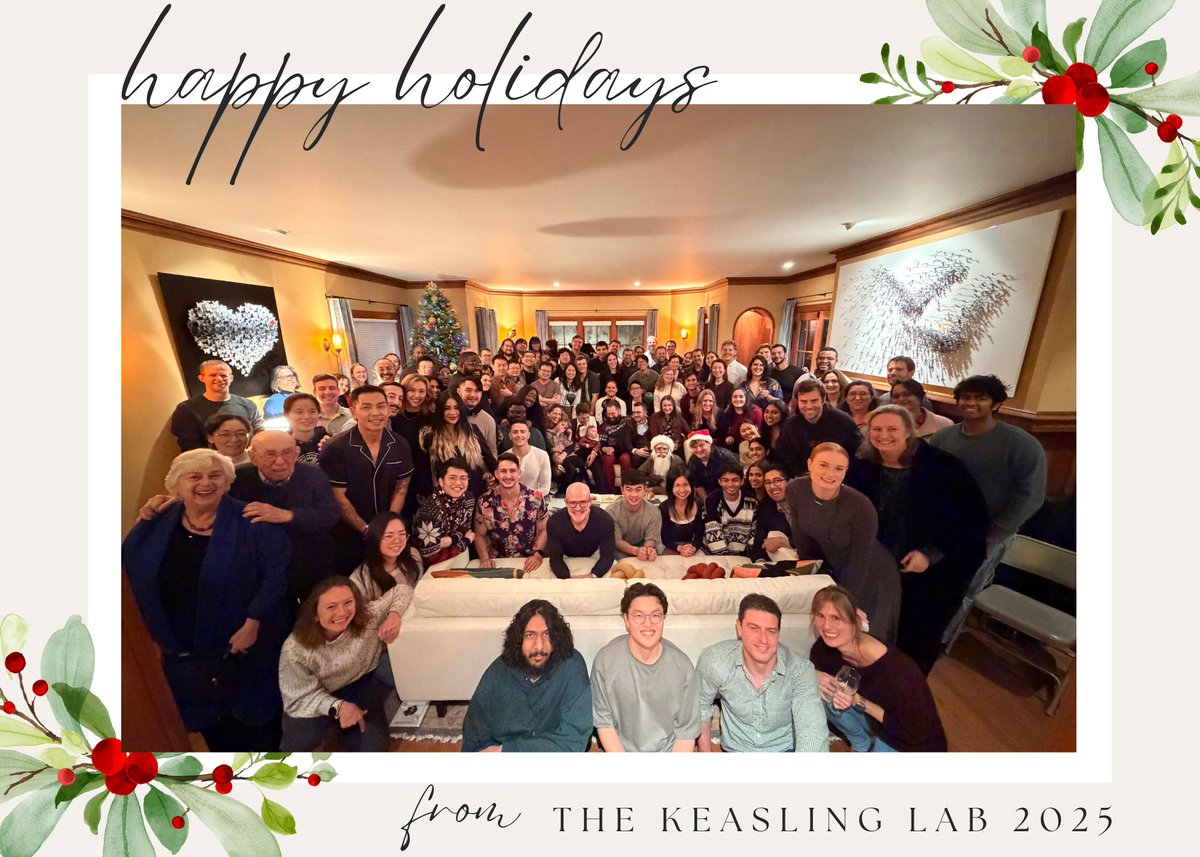
We are proud to have trained many generations of scientists, educators, founders, policymakers, and more! Happy Holidays from the Keasling Lab--with a record of attendees! 🎉 May 2026 be full of scientific achievements, education, and social impact. 🧬🌎
🧐: Can you find Jay?
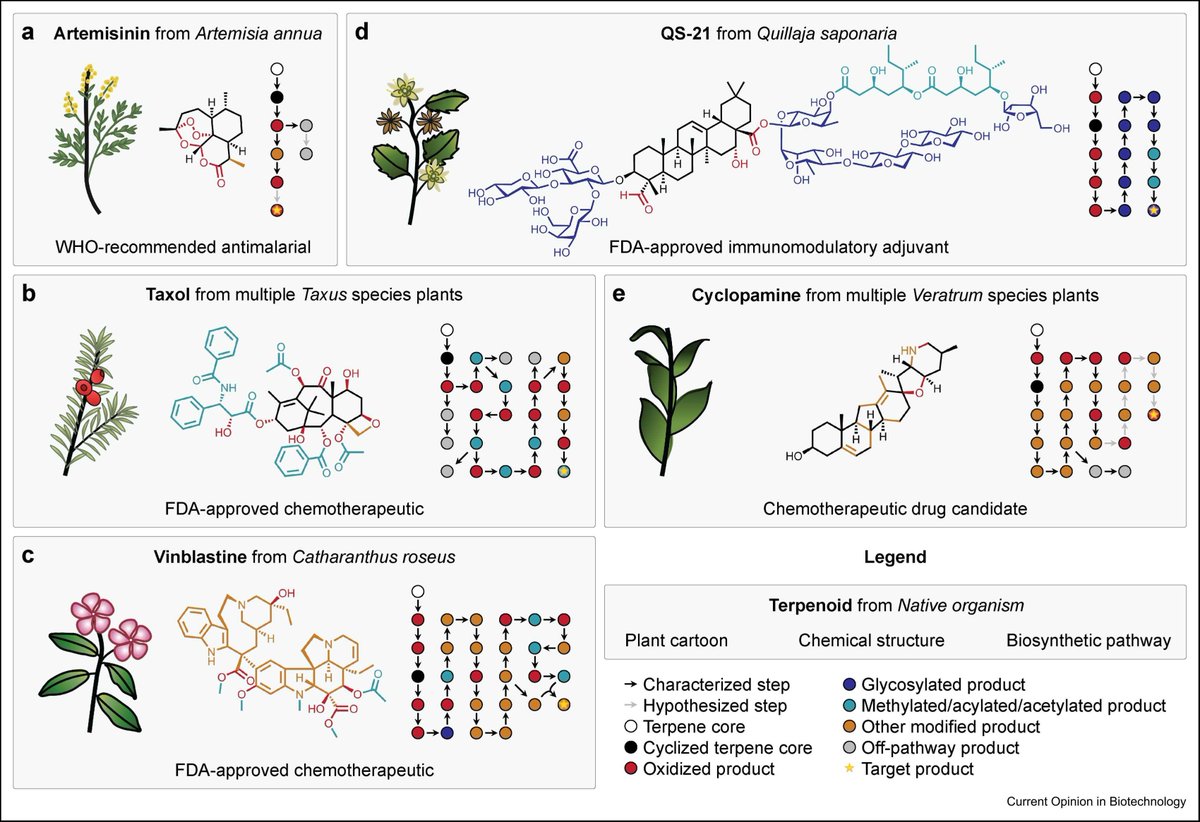
Our latest manuscript, led by @PeterWinegar et al., highlights key advances in microbial terpenoid biosynthesis and how emerging technologies will drive the next generation of designed, new-to-nature molecules. Read it now: https://t.co/HKja0oHz8P
Our lab's new paper is out!
We introduce ENTRAP-seq, a high-throughput in planta assay for multiplexed profiling of protein-coding libraries. Using ENTRAP-seq and machine learning, we discovered transcriptional regulators from ~1,500 plant viral genomes.
https://t.co/RTNWcYzXtO
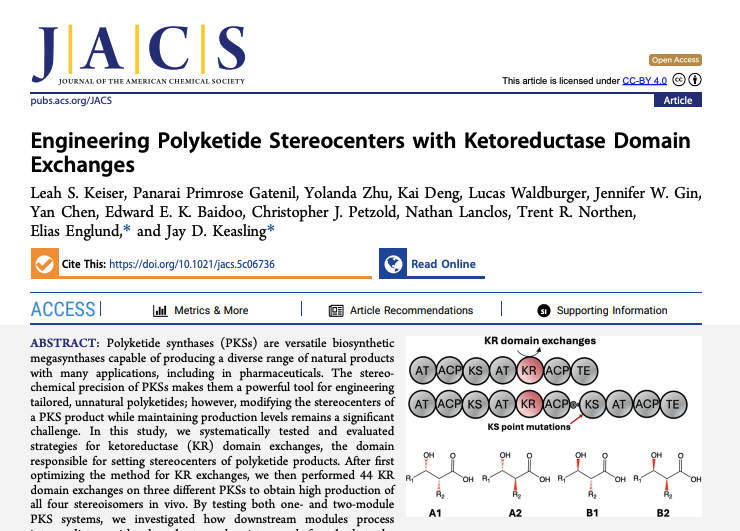
Excited to share the work of our PhD candidate, Leah Keiser. Leah engineered polyketide synthases (PKSs) to control stereochemistry. Her work provides insights into the biosynthesis of complex molecules with tunable stereocenters 👩🔬🧪Check it out: https://t.co/1JDjeTtVq1
We're excited to share FolDE, a low-N protein optimization method. In simulation, we found that FolDE is 55% more likely to identify top-1% hits than current baseline methods. FolDE is open and can be set up on a personal computer with a single command.
https://t.co/96bQi4EaTk
This work was led by @jacoberts in collaboration with @beneysenbach and @cathyji. It would not have been possible without funding from the United States federal government, via the NIH, NSF, DOE, and AFOSR.
We're excited to share FolDE, a low-N protein optimization method. In simulation, we found that FolDE is 55% more likely to identify top-1% hits than current baseline methods. FolDE is open and can be set up on a personal computer with a single command.
https://t.co/96bQi4EaTk
This method is now built into Foldy, our lab's open-source protein engineering platform. Other updates: Foldy uses Boltz-2x for structure prediction, runs ESM family models, and is deployable with a single command. Setup instructions: https://t.co/OsJ8wEbgvR