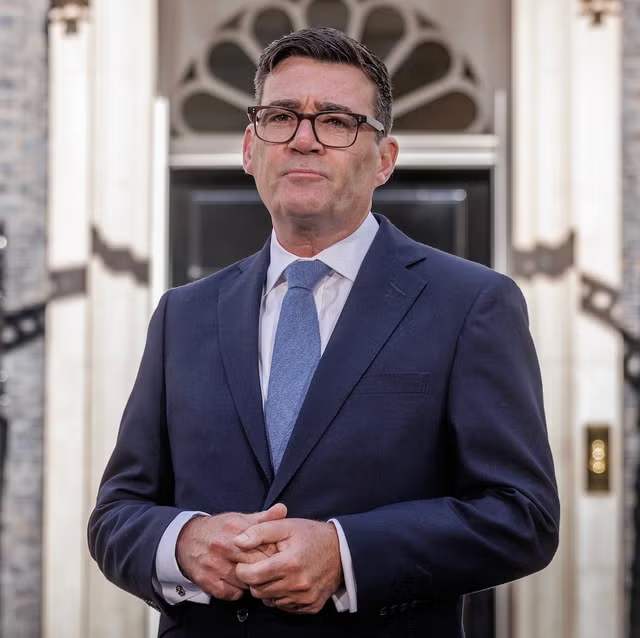
Andy Burnham has given strongest hint yet he’ll scrap plans to curtail jury trials in England and Wales, abandoning one of most significant overhauls of Keir Starmer’s government.
“I have my concerns about the plan to restrict a jury trial, partly from my personal experience, particularly in Hillsborough. So I want to really look in detail at that proposal, and my instincts are that we need to find ways of not reducing access to jury trial.”
https://t.co/r7hke5fE0h
Me when Republicans nominate Pranab Kumar Mukherjee Ram Nath Kovind Narendra Damodardas Modi in a statewide race against Karen WineMom in a blue wave year
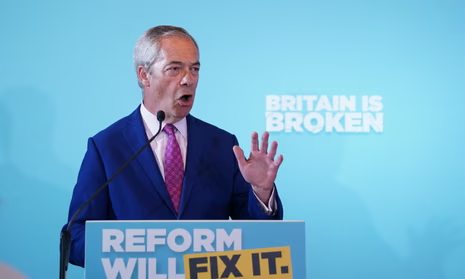
🚨 FARAGE’S U-TURNS ARE NOW GOING VIRAL! 🚨
The clips speak for themselves…
➡️ Says he doesn’t want a tax-funded NHS… then says he never said it.
➡️ Says he’ll abolish ILR… then says he won’t because people came legally.
➡️ Welcomes foreign students… then complains universities rely on them.
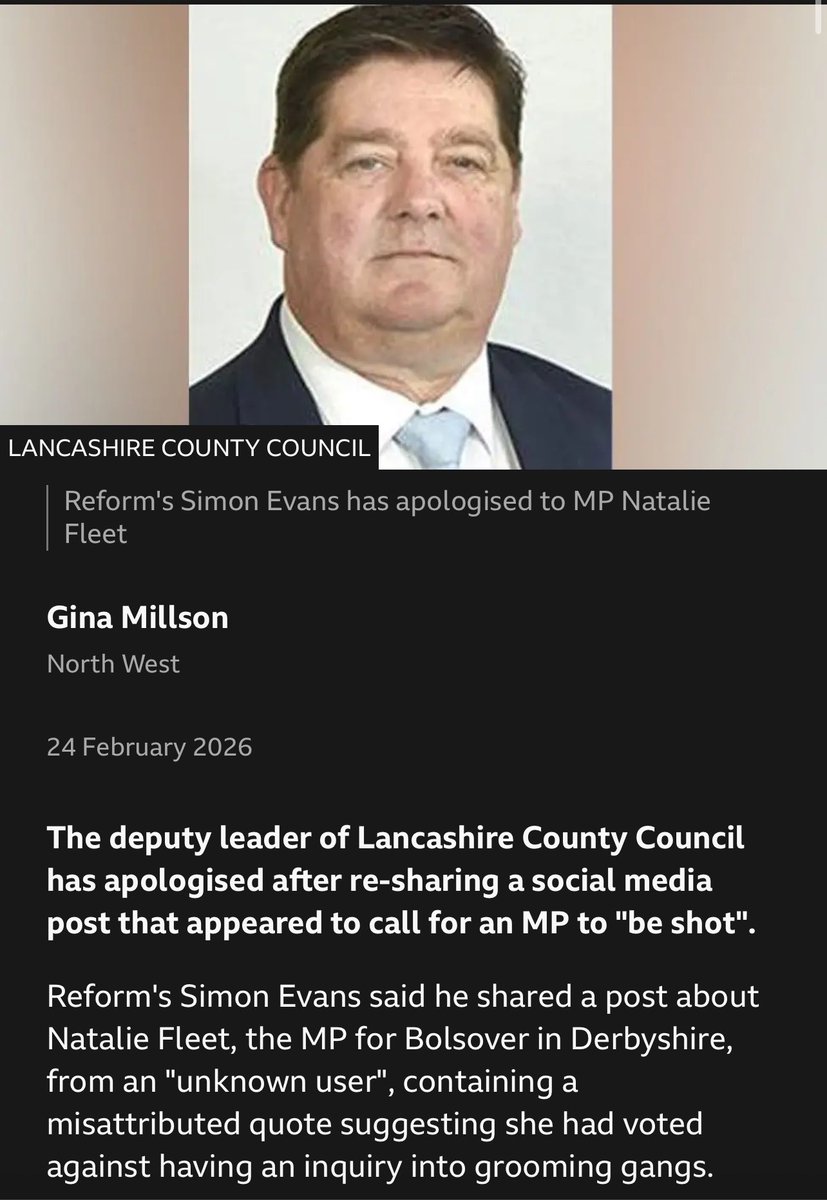
➡️ Demands a grooming gangs inquiry… then quietly drops the issue.
And that’s just the start.
At this point, which Nigel Farage are voters supposed to believe? 🤔🇬🇧
Reform are so confident they they are the most popular party in the country that they are directing all their resources into a by election where the opposition is a man wearing a bin on his head, while abandoning their candidate for the Manchester mayoral election.
Epic.
Breaking news;
Nigel Farage has told party insiders that if at any point it looks like he won't win- either in Clacton or as a general election gets closer: he'll step down immediately.
Party on red alert.
Doesn't want to be seen to have lost, will cite outside issues.
Which Reform MP would Burnham work with?
You have resigned, Richard Tice is under investigation for money-laundering and Robert Jenrick stands accused of illegal campaign donations.
In any case, you are committed to insurance based social care.
You have nothing to contribute.
Andy Burnham yesterday, before Robert Jenrick condemned a social care policy that doesn't yet exist:
"Please can we have a factual debate? Can we allow people to weigh up the different options… and then just come to a considered view based on those facts?
“I don’t think it should be too much to ask, because I think the public will give us their view. They’ll make it really clear what they feel they can accept and what they can’t.
“We won’t get to that point if there’s all of this stuff swirling around, and everyone frightened about everything. That just won’t get us there.”
If anything encapsulates how unserious and opportunistic Reform are, it's Jenrick saying he will fight Burnham's social care proposals all the way before the proposals have even been published.
What's eating away at Reform?
It's not one scandal. It's not one poll. It seems to be that voters are beginning to ask a different question.
For the past few years, Reform's political success has rested on a simple and often misleading proposition. That Britain is broken, the establishment has failed and only they can shake the system up.
That is a good message when people are frustrated with the status quo. But there comes a point in every protest movement when voters stop asking, "What's gone wrong?" and start asking, "What would you actually do instead?"
Those are two very different political tests. Reform are beginning to encounter that transition. Questions about donations, transparency and standards matter not simply because of the allegations themselves, but because they undermine one of Reform's biggest political claims. The claim that they represent a a clean break from the way politics has traditionally been done.
At the same time, the level of scrutiny has changed. It is one thing to make uncompromising arguments as a protest movement. It is another to convince people you are ready to run the Treasury, negotiate with allies, manage the NHS and make difficult trade-offs on tax, spending and public services. Their complete lack of delivery at a council level where they have power has amplified this.
Every answer creates new questions. Every promise demands a plan. Every slogan eventually meets reality.
That doesn't mean Reform's support will disappear or that Labour and Conservatives will see a two party system where they competed for office. The frustrations that fuelled their popularity are still very real. Immigration, economic stagnation, declining trust in institutions and pressure on public services have not suddenly gone away.
But political momentum is a fragile thing. The closer a party moves towards government, the less voters reward anger and division and the more they look for competence, consistency and credibility.
That is why this may well be a turning point for Reform.
They no longer can just try and persuade people that Britain is broken. Most voters already believe the country faces profound challenges. Its task now is much harder. It has to persuade people it knows how to put Britain back together.
Winning the argument about what's wrong with Britain is how you become a protest movement. Winning the argument about how to govern it is how you become a government. Reform are discovering those are two very different things.
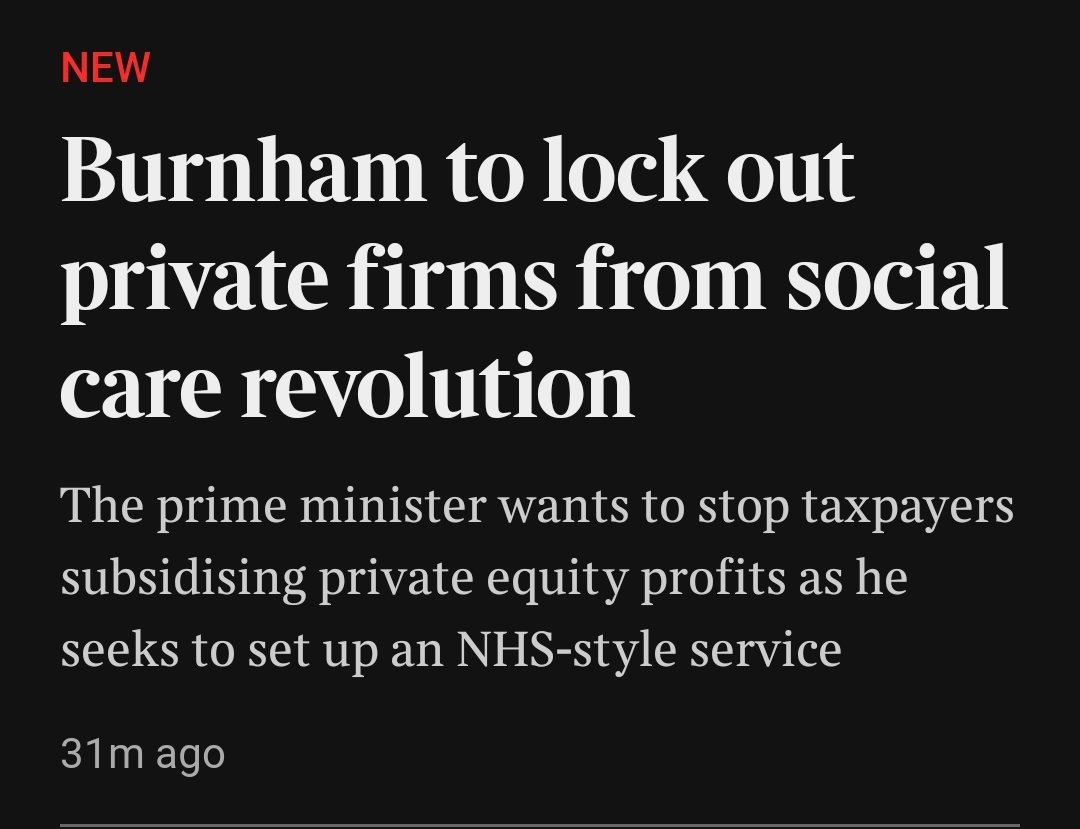
Fully welcome this planned announcement by the Government to exclude privately run nursing home chains from its planned radical shake-up of social care in England, meaning that taxpayers won't be subsidising private equity profits.
Let me tell you a little story.
In 2014, moderate Democrat Brad Ashford defeated a Republican incumbent in NE-02, one of only two Democrats to do so that year. Sadly, he lost in 2016 after failing to outrun Clinton by enough in a district Trump won.
In the 2018 blue wave, Ashford sought a comeback. NE-02 was now prime territory for Dems, full of suburban and urban voters who did not vibe with MAGA.
But progressive Kara Eastman disliked his moderate stances, and, backed by Justice Democrats, beat him in the primary by 3.3 points.
Tragically, despite Biden going on to win NE-02 by 6.5% just two years later, and 2018 being an enormous blue wave year that saw Dems win in places like OK and SC, Eastman lost by 2pts. She was unable to persuade suburban voters, who elected normie Republican Don Bacon.
THEN she tried again in 2020 and lost by 4.6 points, underperforming Biden in the district by more than **11 points.**
Don Bacon has thus been entrenched in the US House ever since, until now. He is retiring, which will probably let Democrats finally win this seat.
Andy Burnham's first week suggests he understands something that Westminster has forgotten.
People don't vote for governments because they understand macroeconomics. They vote for governments that make them feel somebody is finally on their side.
The headlines have been about cheaper energy bills, lower bus fares and support for pubs, clubs and high streets. None of those policies, in isolation, will solve Britain's long-term economic problems. But judging them purely on that basis misses what I think Burnham is trying to achieve.
This isn't just about policy. It's about political sequencing.
Too many governments begin by asking people to be patient while they pursue long-term reform. Burnham appears to be taking the opposite approach. Demonstrate that government can make everyday life a little easier first, then use that trust to tackle the more difficult reforms that inevitably follow.
That matters because people don't experience politics through GDP forecasts, productivity statistics or Treasury statements. They experience it through the bills they pay, the bus they catch to work and whether the local businesses they value are still there next year.
Of course, there is an obvious caveat. Britain still faces profound structural challenges. Weak productivity, an ageing population, housing shortages, strained public finances and difficult choices on tax, planning and public sector reform. No Prime Minister can avoid those forever, and retail politics is no substitute for serious economic reform.
But the reverse is equally true. Structural reform is politically much harder if voters don't first believe government understands the pressures they're under. Trust isn't built by telling people to wait for a better future. It's built by showing them that government can still improve life in the present.
Whether Burnham succeeds will ultimately depend on what happens over the next five years, not the first five days. But if his opening week is anything to go by, he seems to understand something many modern governments have forgotten.
Before you ask people to support difficult change, you first have to give them a reason to believe change is worth supporting.
@TomEDewey1948 I am amused that his successor as MP for Filton and Bradley Stoke is Claire Hazelgrove.
Unfortunately, the MP for Hazel Grove isn't called Claire Filtonandbradleystoke.