#STTT has achieved an outstanding # 2025 Journal #ImpactFactor – 81.2!! Publications increased in 2025, and so did the Impact Factor!
STTT received over 89,000 citations in 2025. Ranked #1 in #Biochemistry & #MolecularBiology! Over 26 million downloads this year!
We are grateful for your support & contributions to this achievement.
Visit: https://t.co/1O7wqH3f9n
How do noncoding variants drive disease?
This research highlight explores how nuclear context and 3D genome architecture connect genetic variation to regulatory rewiring, altered transcriptional programs, and clinical interpretation.
Read the paper https://t.co/Mx5TzcjDHh
Genome architecture provides an essential framework for understanding how noncoding variants influence transcriptional programs. This invited Research Highlight discusses how nuclear context links regulatory variation to gene control and disease biology. https://t.co/HjhM7Ja1z9
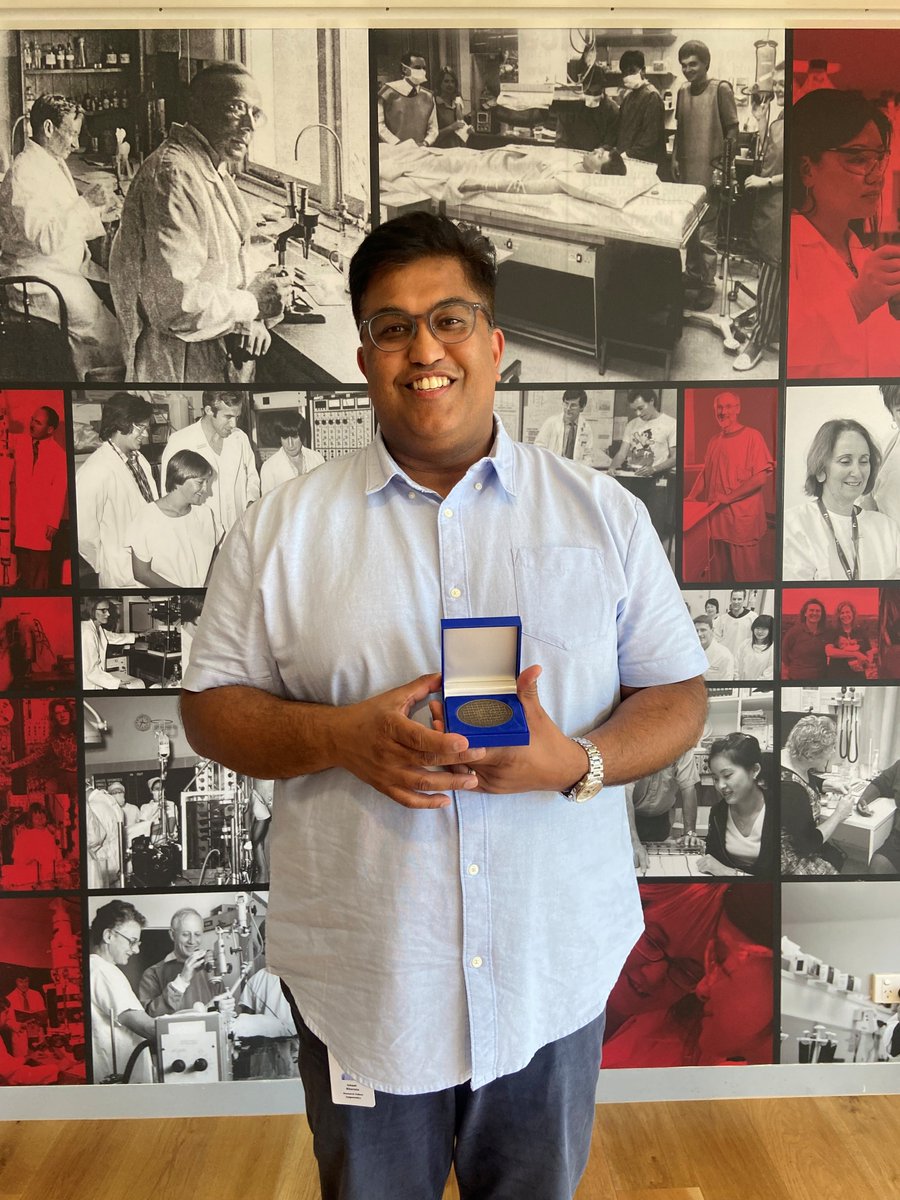
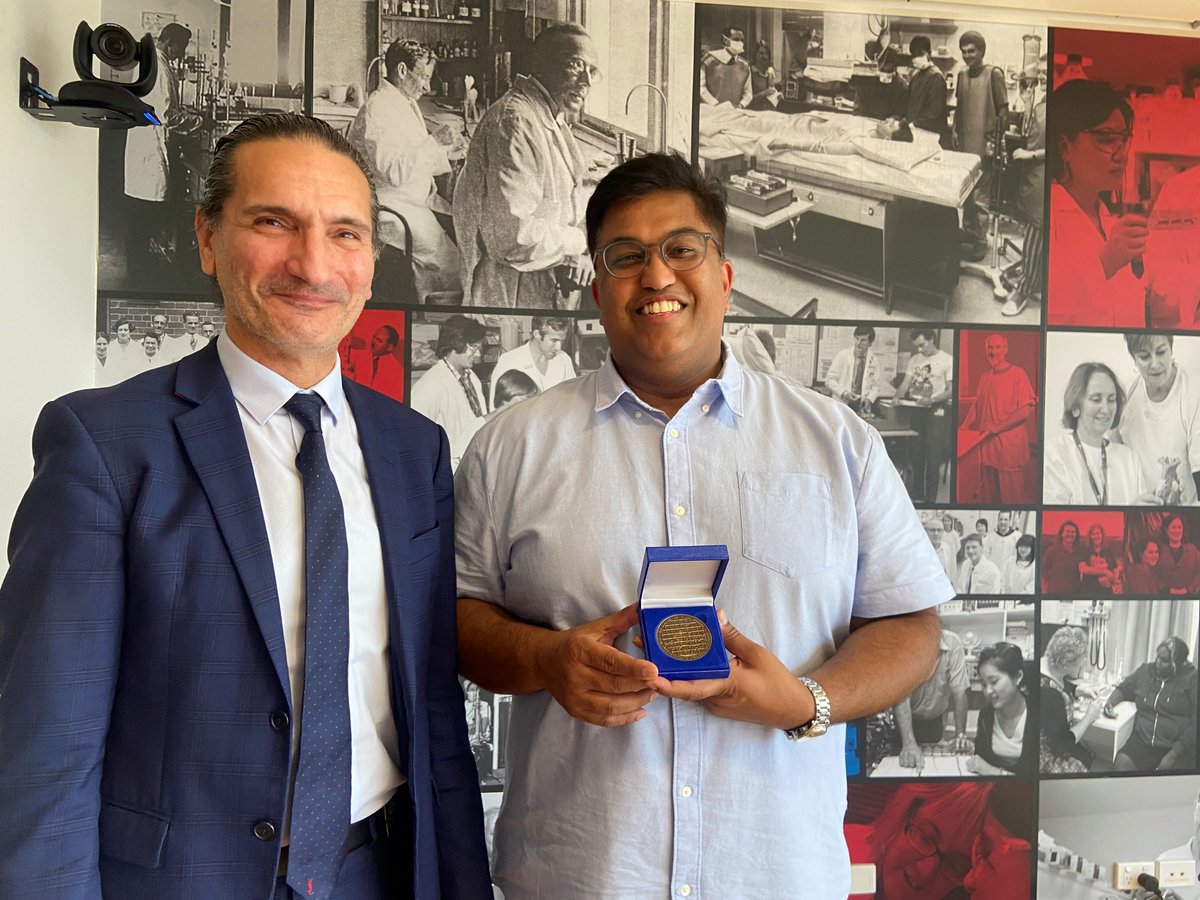
It’s our most prestigious prize– the Sir Laurence Muir🎖️& our 2025 winner, Dr Ishant Khurana, today showcased his pioneering work which led to this recognition. Undecided about a science career, he has found his home at the Institute & his area of exploration; human epigenetics❤️
Double-strand-break-free epigenetic programming for T-cell therapies. CRISPRoff/CRISPRon lets us dial durable, reversible gene expression without nuclease cuts. Proud to co-author with outstanding PhD (CSC) scholars, Lanxin Deng and Yujia Yang. https://t.co/uSFUc9CVoZ
Congratulations to Dr Keith Al-Hasani who won the prestigious Alfred Research Alliance Publication Prize for Basic Research and Dr Cheng Hwee Soh, Dr Joanna Gong and Haoyun Alexandra Fang who won Alliance Scientific Abstract Competition prizes.
https://t.co/N01I60lza3
Honored today to accept the Alfred Research Alliance 2025 Research Publication Award on behalf of @KeithAlHasani for our paper https://t.co/H0WPH4jzQG (IF 52.7, >45K Accesses). Proudly shown here with talented co-lead Monash PhD, Safiya Naina Marikar Supported by @BreakthroughT1D
We were honored to host Harukaze Iyama, an exceptional medical student from Kurume University School of Medicine 🇯🇵
Creative curiosity and determination remind us what can be achieved through collaboration across borders.
Together, we build the future of medicine and science.
@Nature 💡This reframes parts of the methylome not as static state but as a record of where a cell population has been. Those neutral, fluctuating CGs preserve a legacy of history that is ✅ recoverable from data, ✅ informative of tumour age, and ✅ actionable for prognosis. Important!
Honoured to receive the Springer Nature Editorial Contribution Award 2025.
Grateful to be part of a community committed to maintaining the highest standards in scientific publishing.
In a medical first, researchers report that they have implanted CRISPR-edited pancreas cells into a person with type 1 diabetes
https://t.co/JixmmcdRyN
In our collaborative project between Australia and Hong Kong, we identified DNA methylation biomarkers in cord blood at birth.
https://t.co/igk1tBSK3C
@DrRonaldMa1@SamElOsta1@IshantKhuranaAU@RamAbouZaki Johnny Assaf
From pregnancy to adulthood, our biology carries a roadmap for future health.
The HAPO study revealed that even modestly elevated glucose in pregnancy can increase risks for children later in life.
https://t.co/zqHTJoWydk
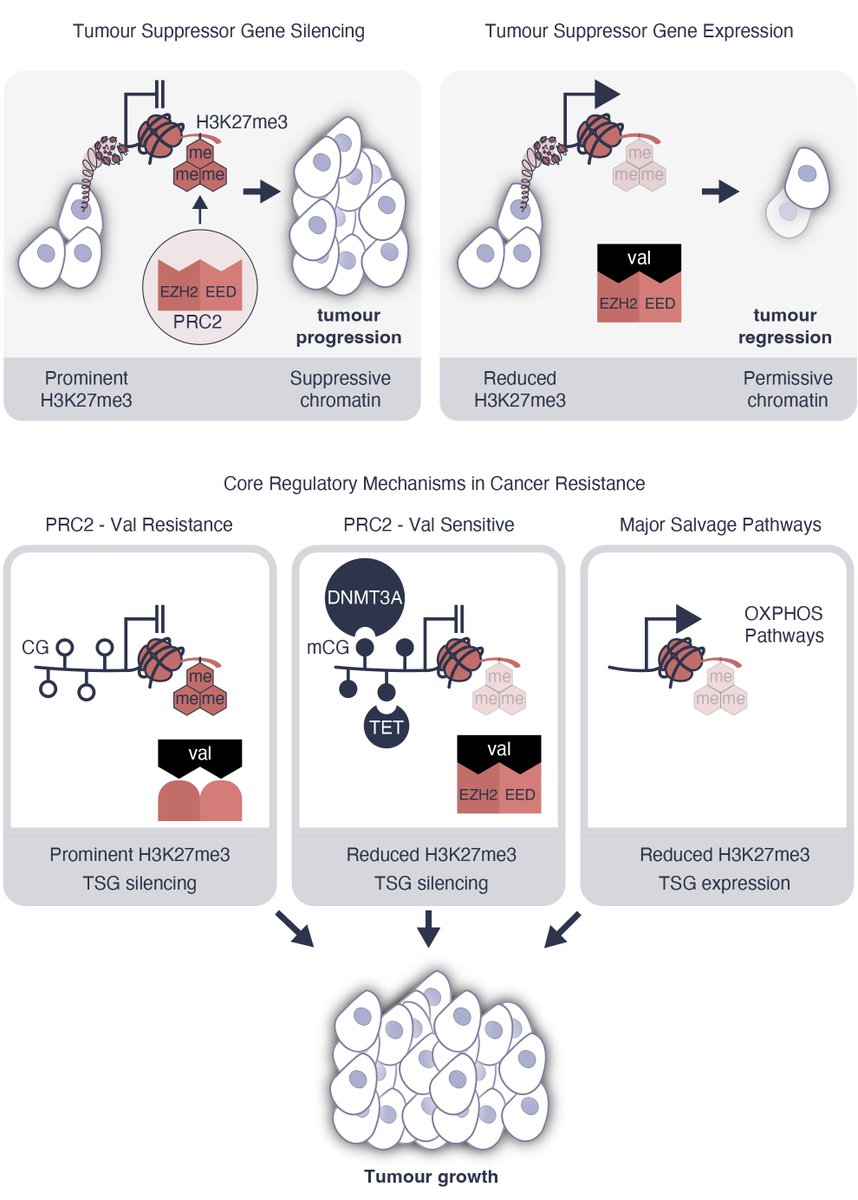
Mechanisms of action and resistance in histone methylation-targeted therapy.
Read about the recent developments using valemetostat, the first-in-class EZH1/2 inhibitor for use in adult T-cell leukemia/lymphoma (ATL).
https://t.co/QGJW10DsiP
New surgical procedures employing transplantation of chemically induced islets from a young adult in Nankai, China has shown just how far we have come from the first insulin injection in Toronto, 1922.
https://t.co/zpqbCMOlKx
@abouzaki_ram18
Happy Holidays from us to you.
The real gift this season is spending time with loved ones and celebrating the new year with friends.
We would like to wish you a wonderful holiday season filled with joy, health, and peace — from all of us at Human Epigenetics.