It feels like 102F at MSP now, on our way to 112F or so.
Dew point of 82 at Buffalo may be influenced by "corn sweat" (feels like 114F).
Welcome to the hottest day of the year
https://t.co/WDjjqwzO7e
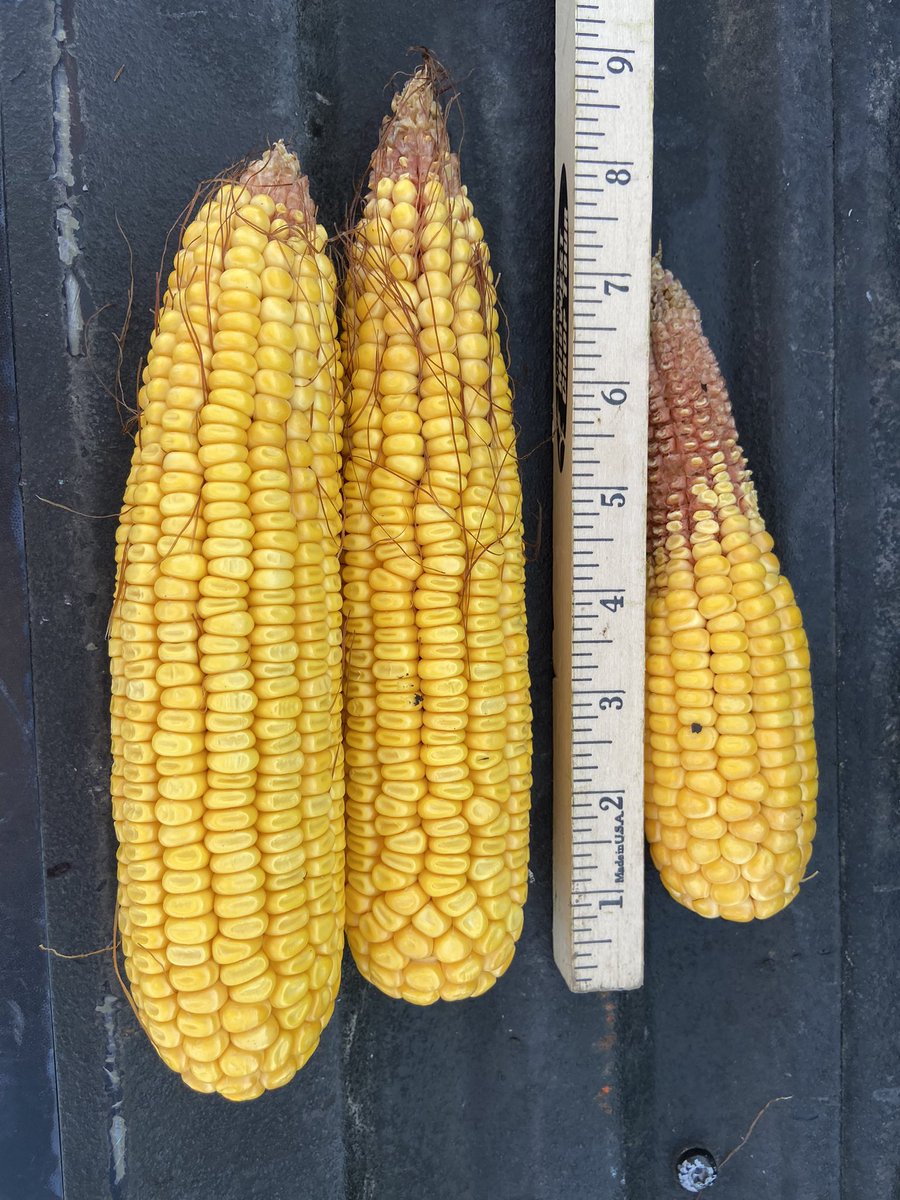
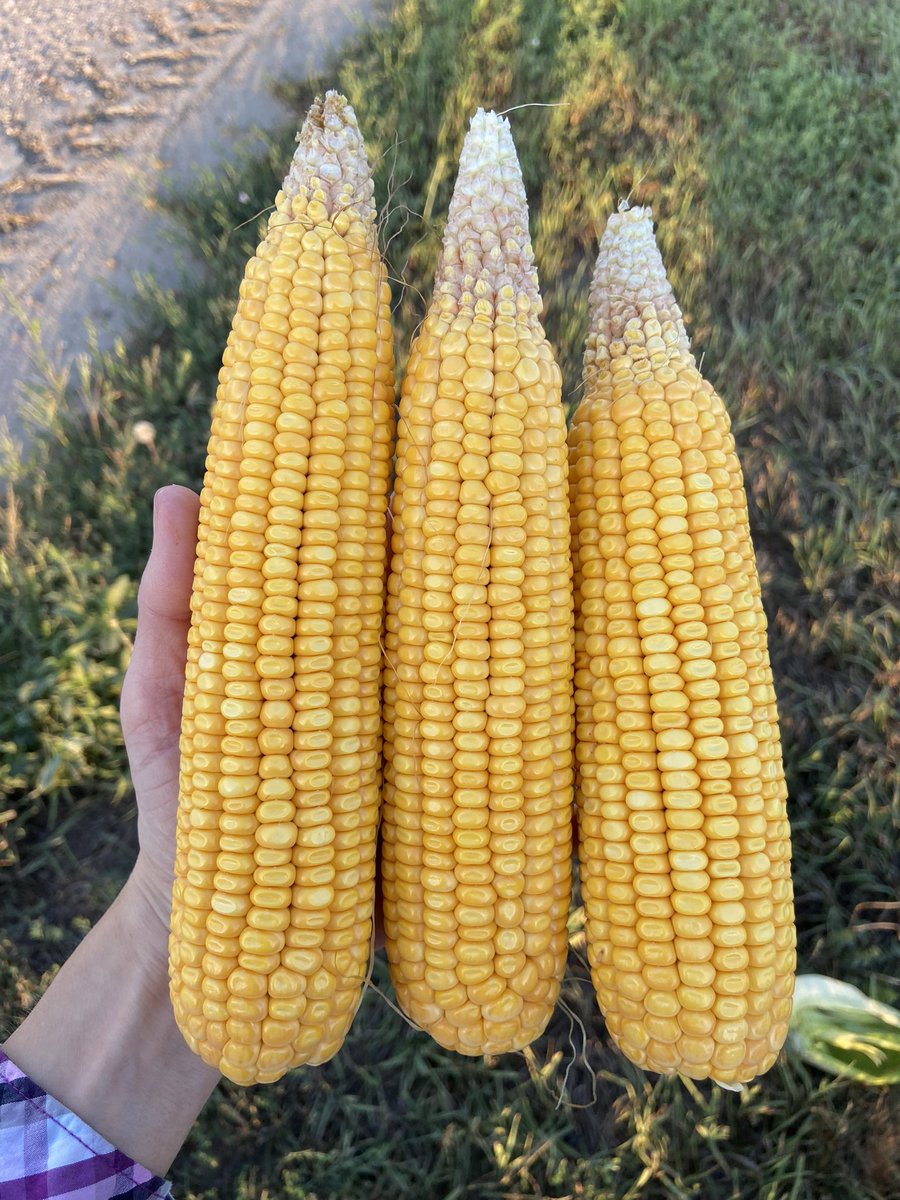
Four #corn stops near Hamilton and York Counties in Nebraska. Yield avg 197.5 bu/acre. That's only a couple above the last two years on this exact same route. So pretty consistent for a third year around here. #pftour23
#CropWatch23 One Word Wednesday (July 5):
N Dakota- Cooler
S Dakota- Cool
Minnesota- Dry
Nebraska- Missed
Kansas- Ideal
W Iowa- Refreshed
E Iowa- Ideal
W Illinois- Pollinating
SE Illinois- Replenished
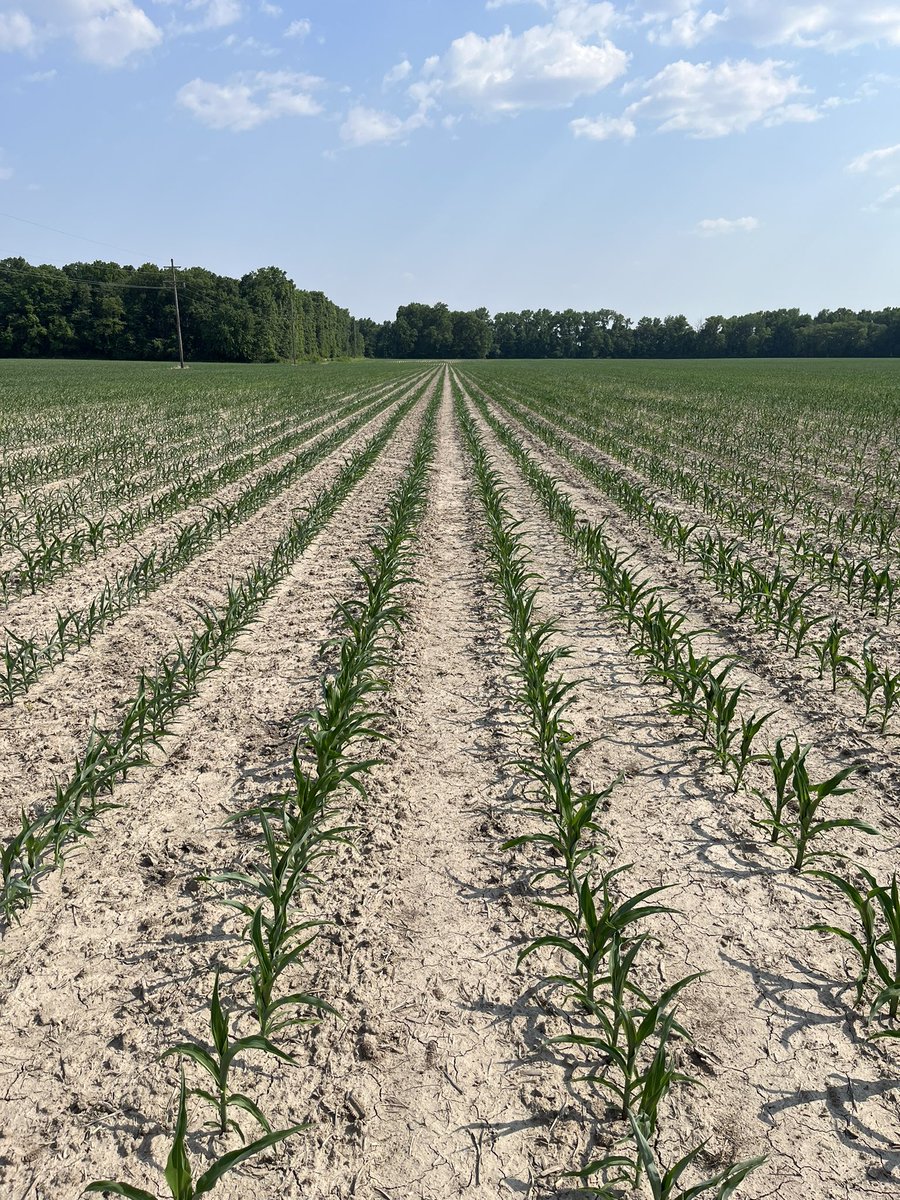
Indiana- Surviving
Ohio- Swampy
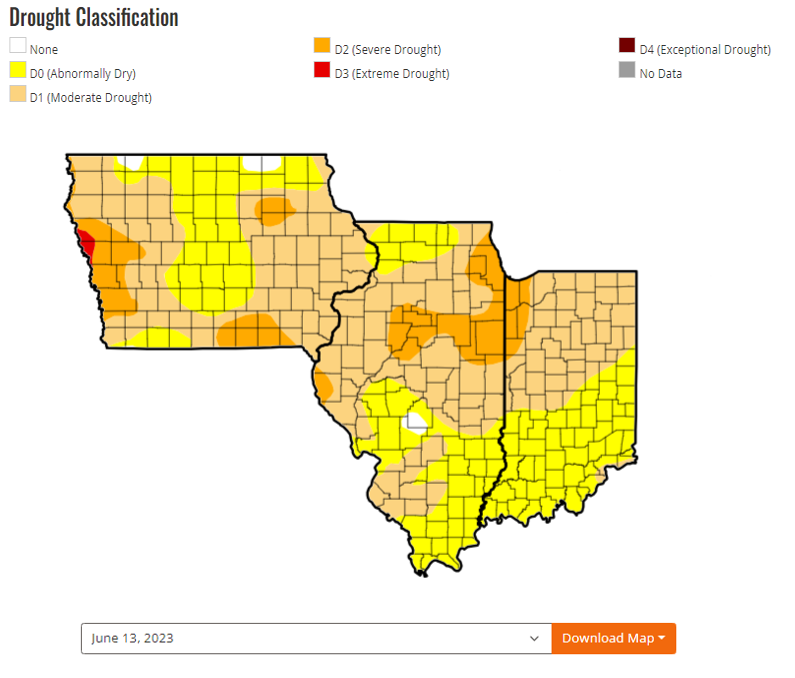
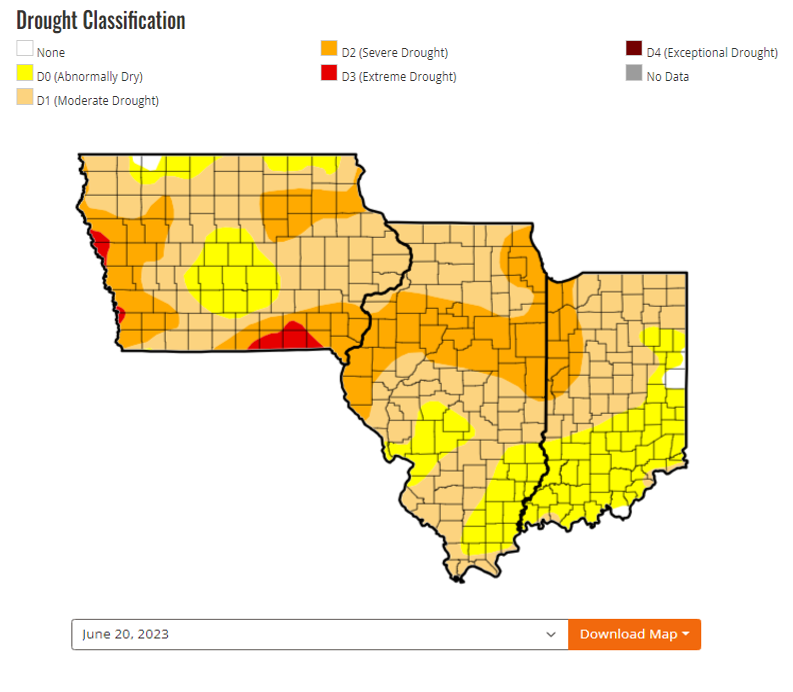
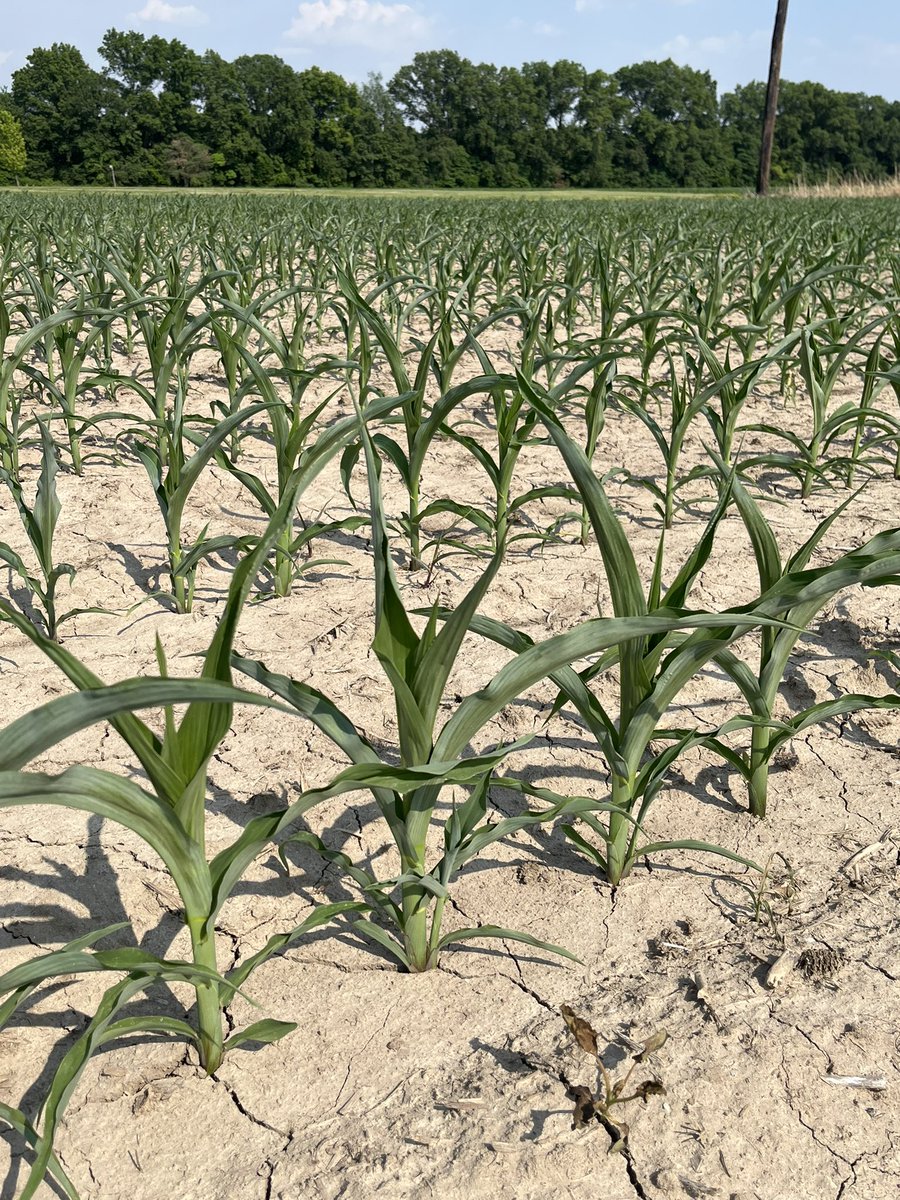
#Drought 23 strengthens its grip on Iowa, Illinois, & Indiana. If it wasn't dry enough, 100% of Indiana is now covered by D0 conditions. An expansion of the D2 area throughout Illinois & emergence of D3 conditions in Iowa could continue to squeeze the funds! @OntAg@NOAA
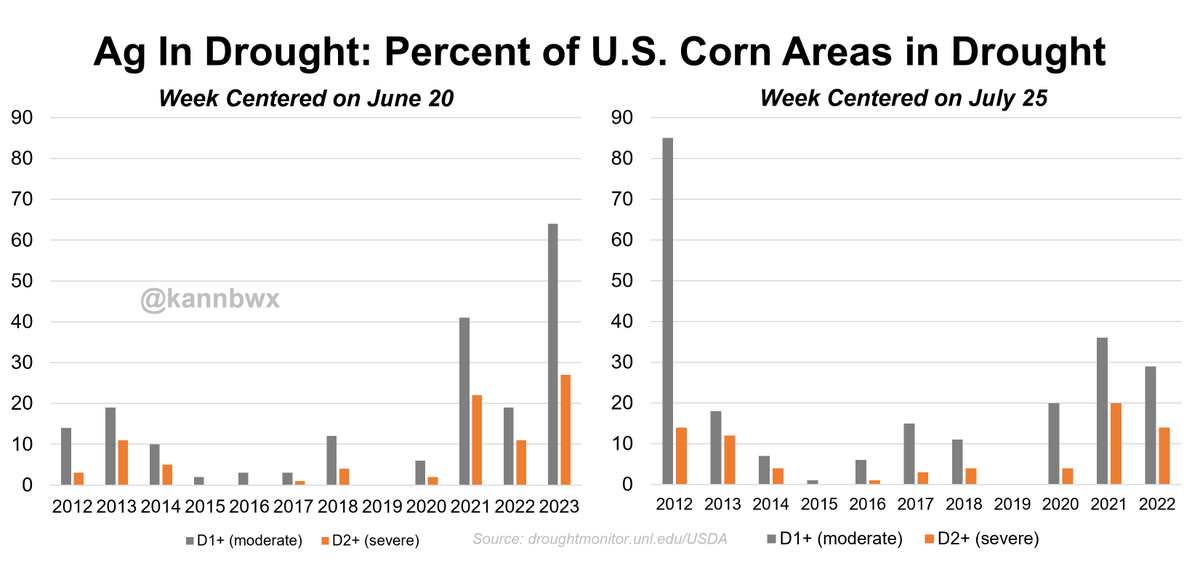
🇺🇸 64% of U.S. #corn areas were in drought as of Tuesday, up from 57% a week earlier and the most ever for the week (records date to and include 2012). Severe drought coverage jumped to 27% from 19% in the prior week.
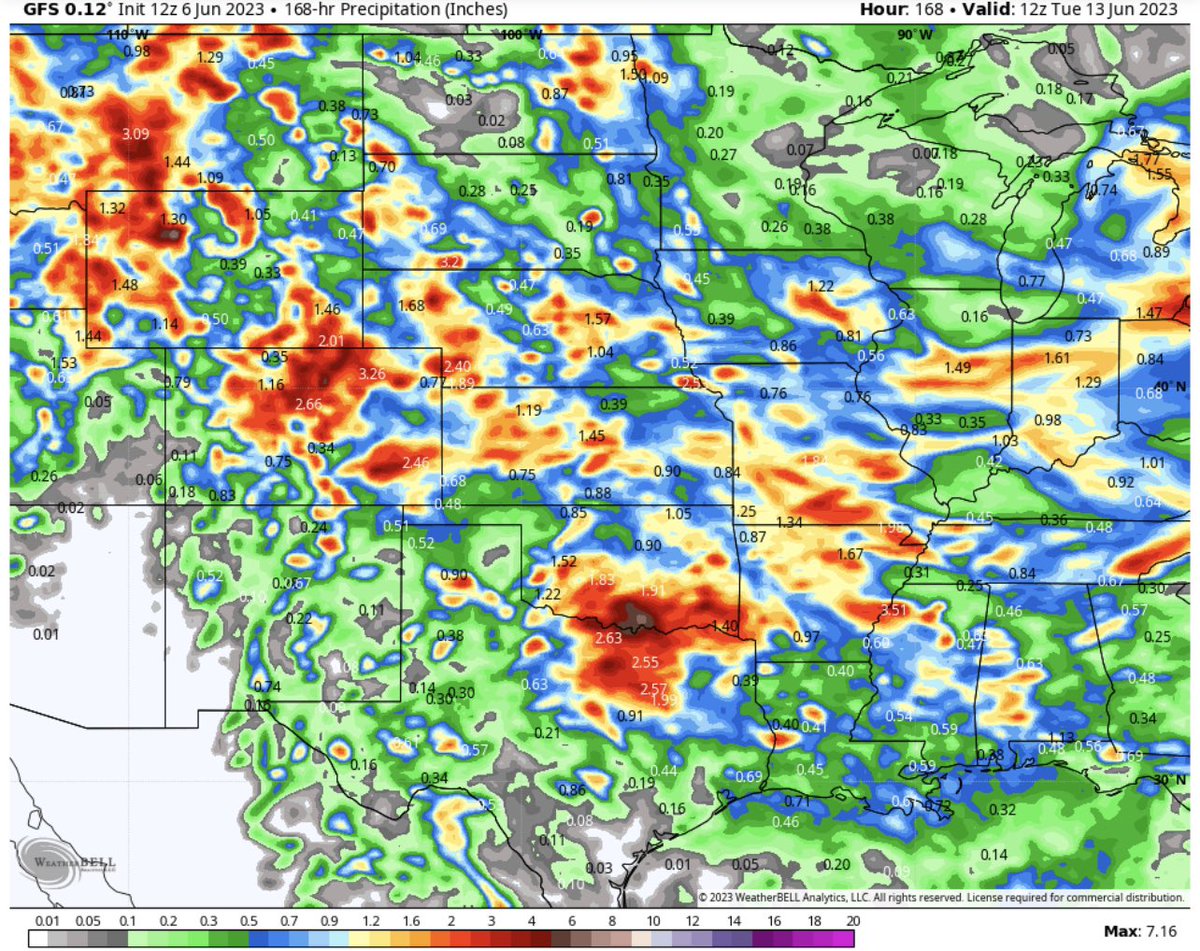
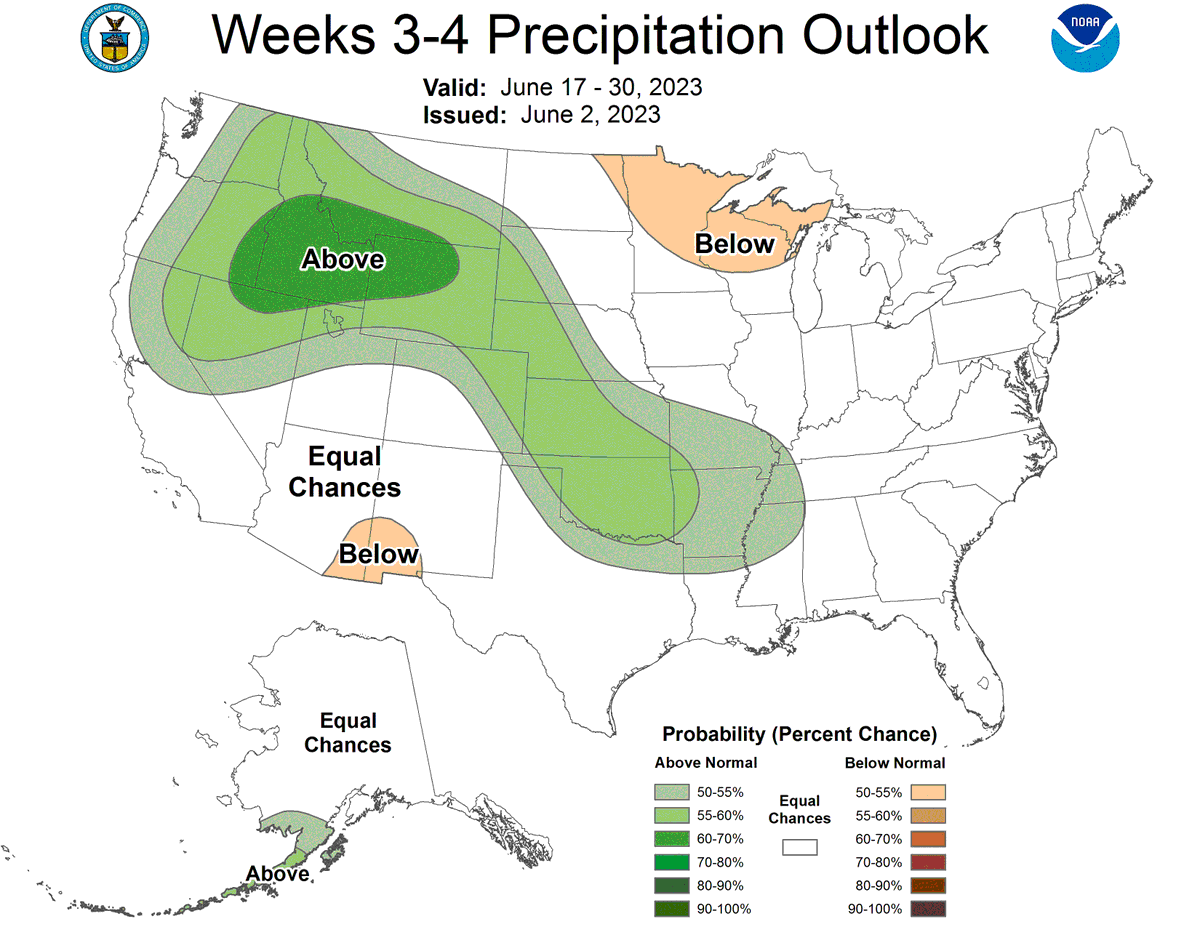
Interesting shift for the last half of June. Dryness coming to the south and southeast, then heat coming into the same regions. Does that mean hotter/drier into the Eastern Midwest or hotter/wetter? Is Gulf moisture going to coming up into the Midwest & not rain in the south?
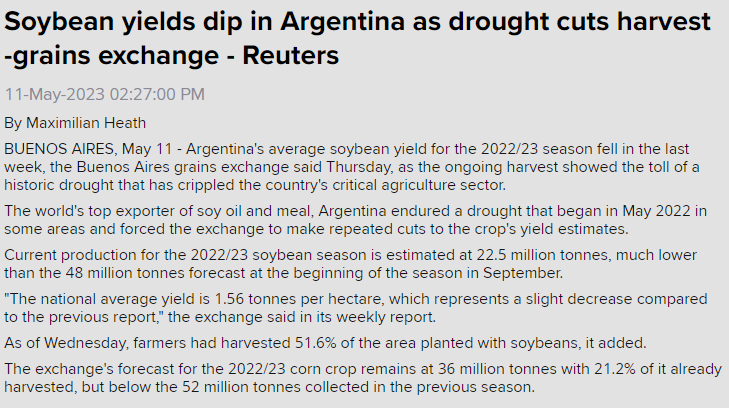
🇦🇷Buenos Aires grains exchange estimates yield for #Argentina's #soybeans at 1.56 tonnes/hectare (23.2 bu/acre) - the worst outright in at least 45 years. Production is seen at 22.5 mmt. Soy harvest is about 52% complete.
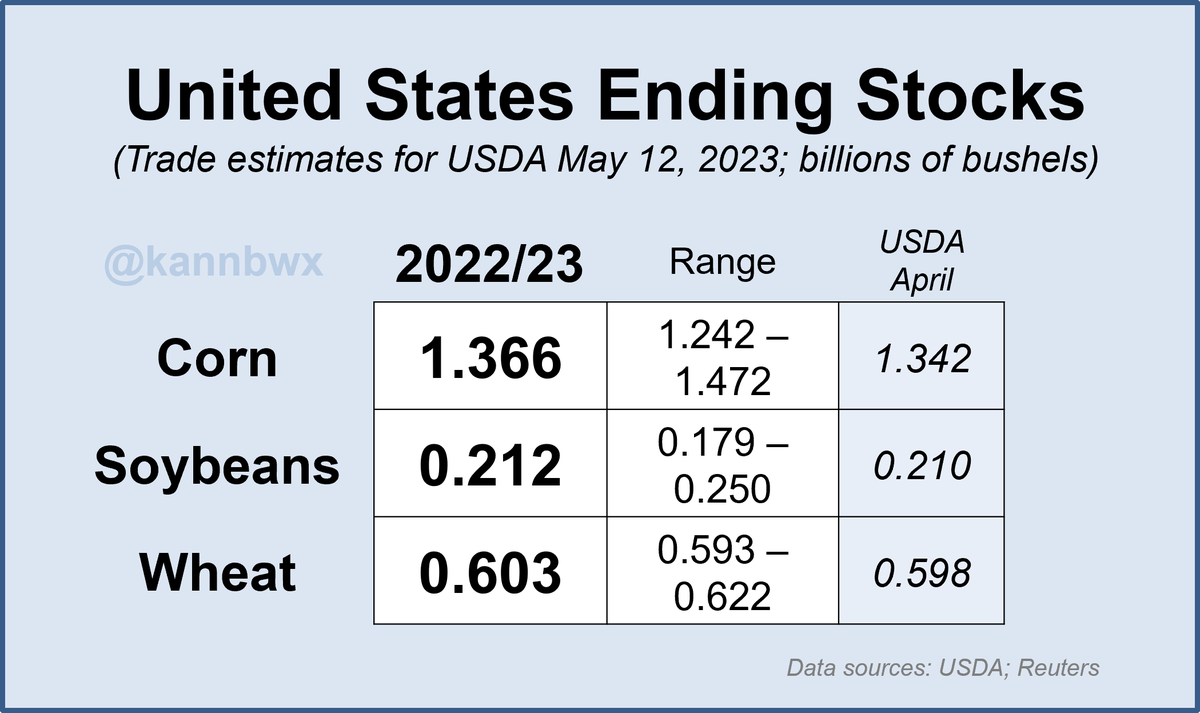
🇺🇸U.S. old-crop ending stocks are seen increasing on Friday, but very slightly for #wheat & #soybeans. The trade estimates vary widely for #corn, but the average estimate would represent the highest 2022/23 print since August.
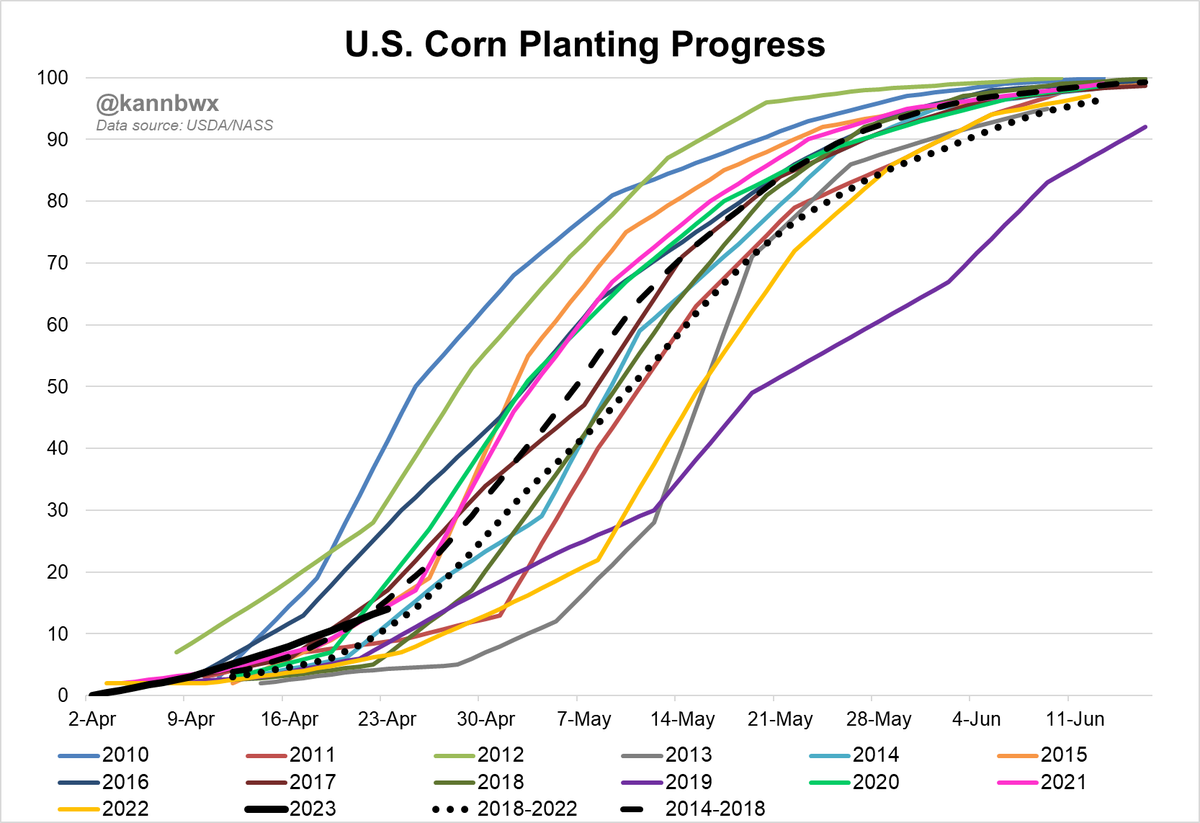
🇺🇸U.S. #corn planting progress is ahead of the recent average, but it is somewhat middle-of-the-pack compared with most recent years.
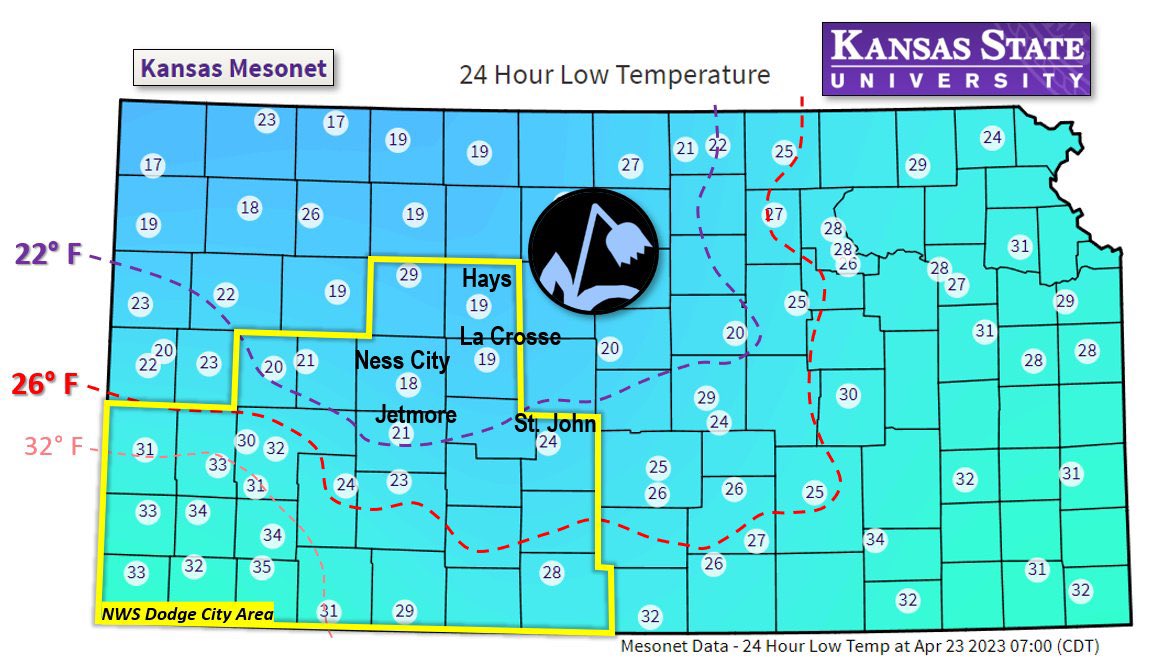
It is still early, though April is set for a cool finish across the whole Corn Belt, not usually conducive to quick, widespread planting.
Flooding in Grand Forks: The city took this picture yesterday (Sunday, April 23) Showing the Red at around 41 feet.
This is the Sorlie Bridge looking south.
This is incredible:
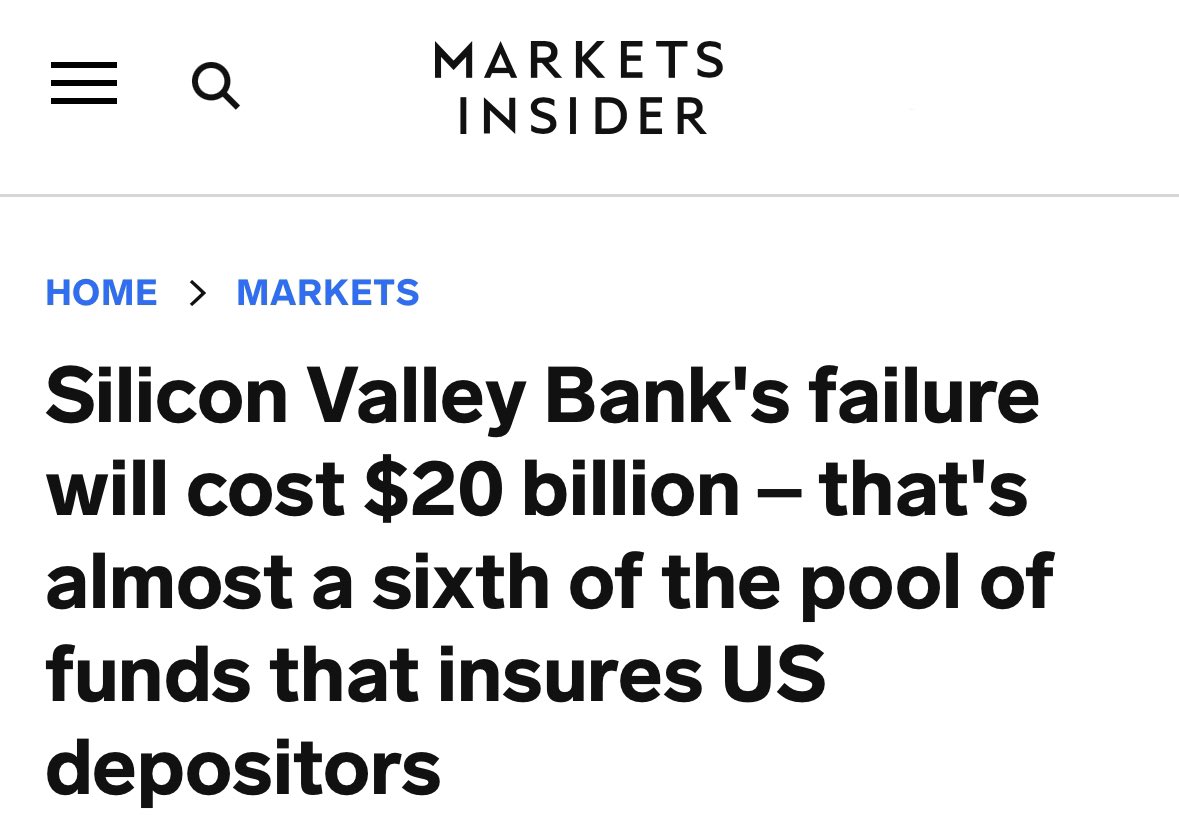
The FDIC said THEIR cost of Silicon Valley Bank’s failure is $20 billion.
Funds are coming from the Deposit Insurance Fund.
15% of the entire fund is being used.
SVB is the most expensive bank failure in US history.
We cannot afford this crisis spreading.