Our mission objective to provide high quality, high precision and highly sensitive methane measurement on a global scale requires unique technology at the heart of our instrument. @BallAerospace is making it possible for MethaneSAT to deliver data that no other satellite can.
And they’re back, very happy with results they’re seeing so far. Data from 16 loops over the target region is now on its way to the cloud, and we’ll be digging in deeper overnight.
This month we're testing the computational analytics at the heart of MethaneSAT using a pair of spectrometers installed on the .@NSF Gulfstream V jet. We'll be checking data against known facts on the ground, and how the tools handle weather and other variables.
Important piece from @JasonBordoff. #Methane is fast becoming a central business challenge for the oil and gas sector. Satellite data will only increase that pressure, but also provide a means to help operators *cut* their emissions.
"Achieving these goals requires an enormous amount of new data to measure and track emissions over wide areas and many locations. Until now, that’s mostly been done on a spot-basis, if at all."
https://t.co/fKMuiX4IJW
-- Steven Hamburg, MethaneSAT project co-lead
Today's satellites are revealing the methane challenge in Europe and elsewhere; data from MethaneSAT and other next-generation instruments is designed to help solve it.
THREAD: Remote methane sensing becomes more important than ever this week. Bi-partisan US House vote today restores @EPA oil & gas methane rules, clears way for new standards that Biden WH promised for thousands of existing facilities. Many in industry supported the resolution.
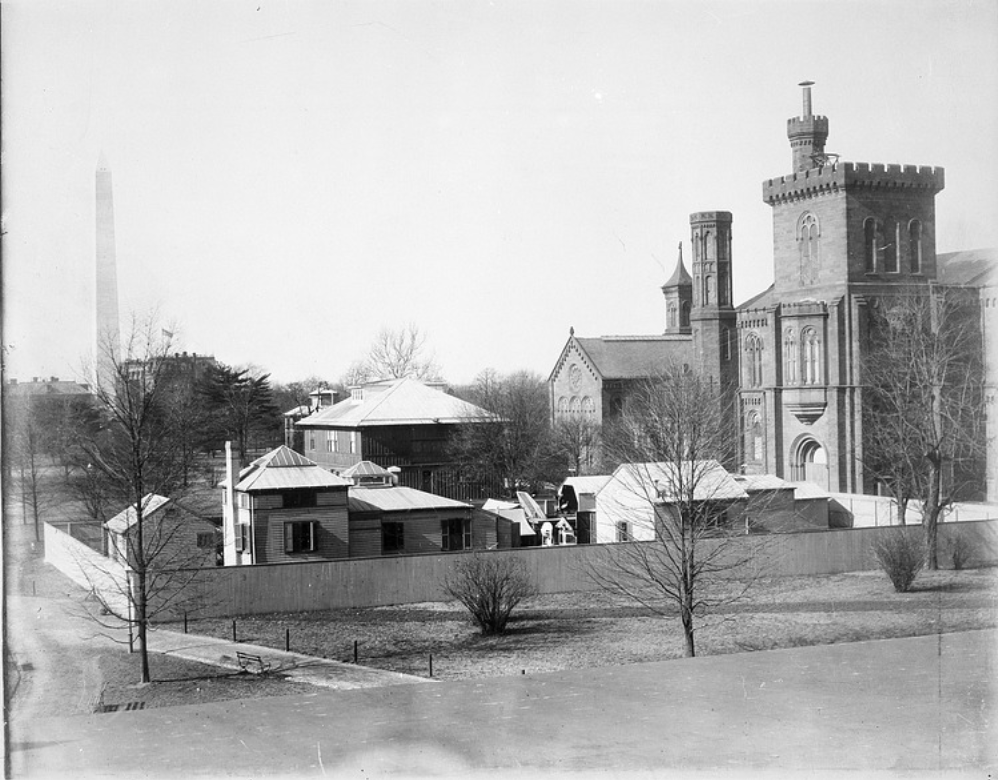
#TBT: In exactly one week, the @CenterforAstro will be 48 years old! Did you know that many years ago, we were headquartered on the National Mall, less than a mile away from the Washington Monument? In fact, our first operations were in a shed behind the @Smithsonian Castle.
#TBT: In exactly one week, the @CenterforAstro will be 48 years old! Did you know that many years ago, we were headquartered on the National Mall, less than a mile away from the Washington Monument? In fact, our first operations were in a shed behind the @Smithsonian Castle.
Did you miss last week's Science Update from @NSTA featuring TEMPO Team Scientist, Caroline Nowlan & our Ozone Garden partner, Danica Lombardozzi? #scied#AirQuality
Don't fret, you can find the recording in the video archive: https://t.co/zA8Q1sU87Z
Some wonderful sequences in this film showing how the EHT team travels to extreme (and beautiful) sites around the world to create an Earth-sized telescope to make the first black hole image. Can't wait to get back to the telescopes after a year away!
In 2019, @CenterForAstro and @epo_asiaa helped take the first photo of a black hole with the Submillimeter Array, one of many international telescopes comprising the @ehtelescope. Now, the Greenland Telescope supports this amazing research! #FunFactFriday https://t.co/JeBZu5VacL
Enjoyed terrific conversations at Day 1 of the @TEMPO_Mission Science Team Meeting yesterday, and looking forward to Day 2, starting in a few minutes. Thanks to everyone who dropped into my breakout room to chat about the Geddes group's Boston area Pandora Network @GsfcPandora.
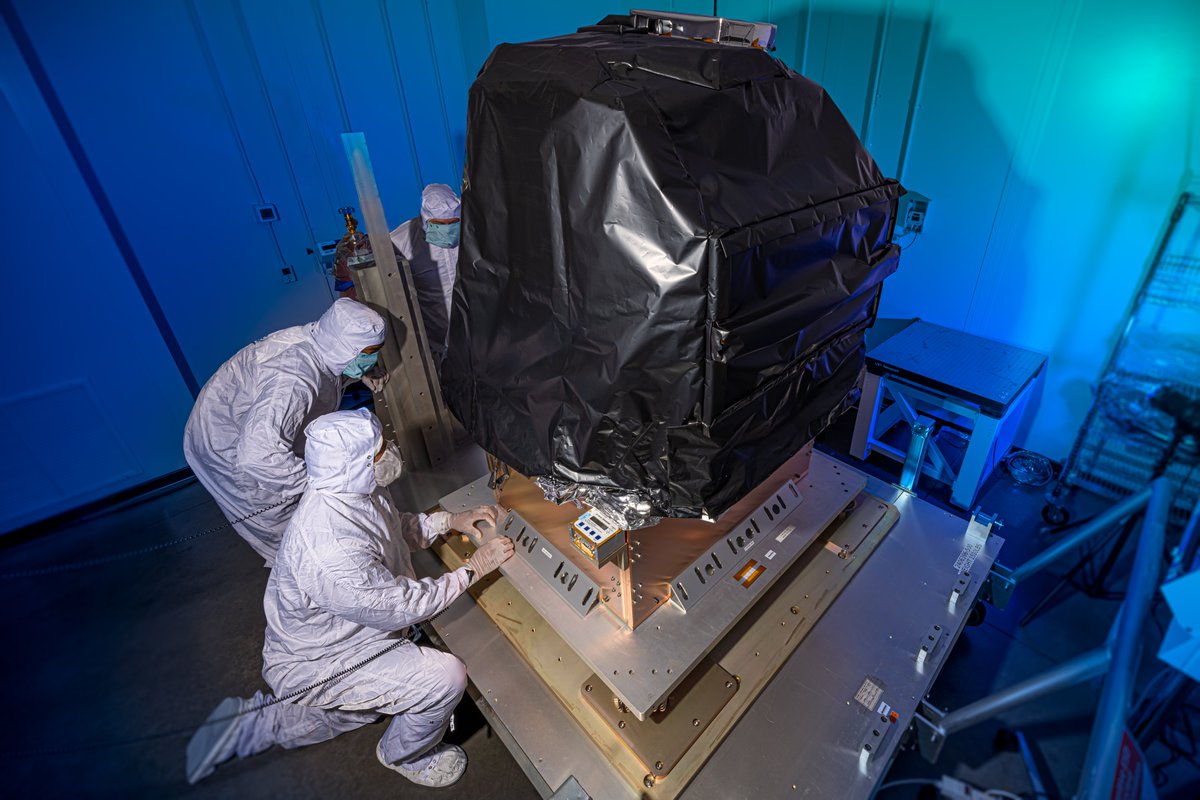
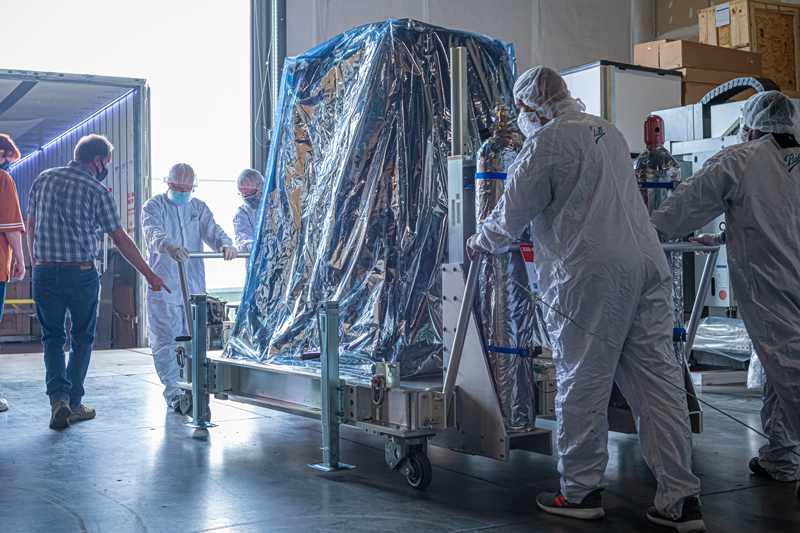
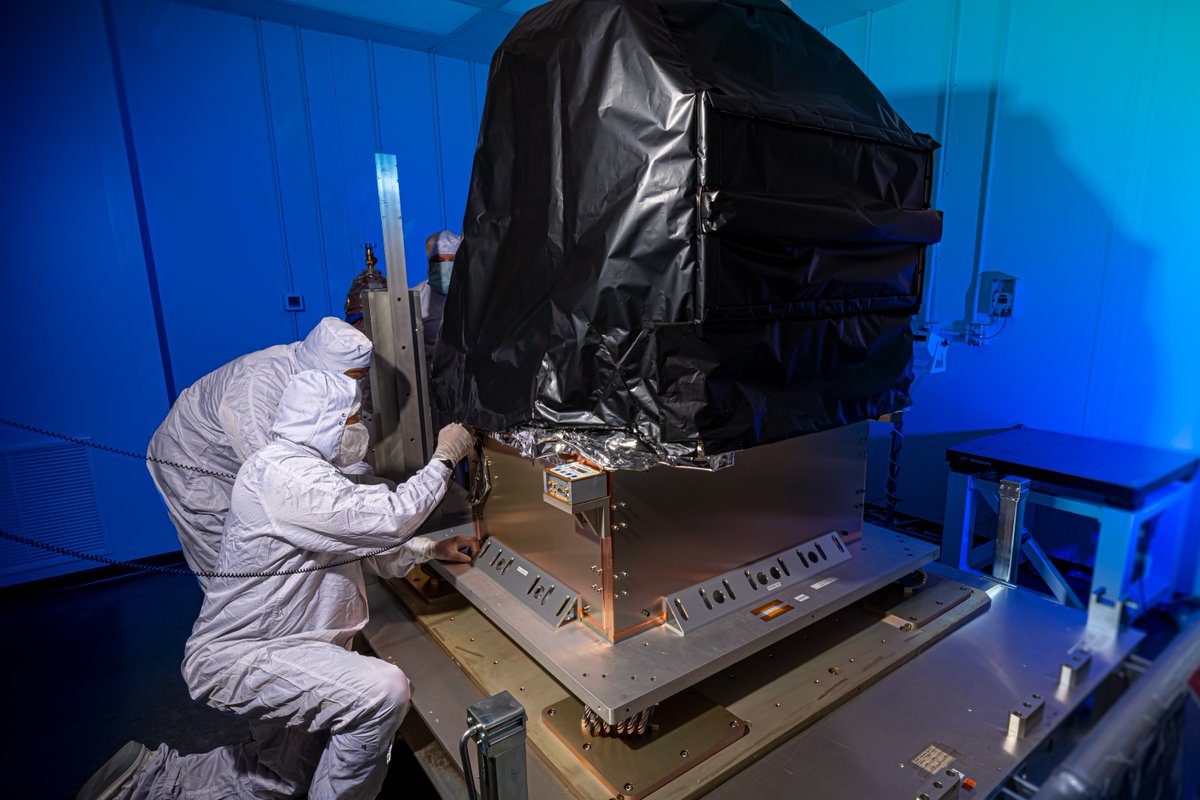
Did you hear the good news?!? We've made our way from @BallAerospace to @Maxar and are one step closer to integration onto the Intelsat 40e, our host 🛰️!
Learn More: https://t.co/IF76XndAqE
Great News: TEMPO will soon be integrated onto Intelsat 40e, the satellite it will be launched on! Upon launch, TEMPO will capture insight on rush-hour pollution; air pollution from oil & gas fields; ship pollution tracks; drilling platform plumes; & more! https://t.co/JJF9LijVnx
New! 🚨
Ball Aerospace has shipped #NASA’s Tropospheric Emission: Monitoring of Pollution (TEMPO) spectrometer to the spacecraft manufacturer for integration. TEMPO will make hourly daytime measurements of major air pollutants across North America.🌎
📰: https://t.co/L1IsFuz5Se
The TSIS-1 instrument on the @Space_Station measures the Sun’s full spectrum of energy. For the first time, scientists have used this new solar data in a climate model. Using the newer data changed how snow, ice and polar temperatures acted in the model.
Excellent article on methane satellites designed for a public purpose mission, explaining how MethaneSAT and .@carbonmapper will apply their distinctly different but complimentary capabilities toward a common goal: Driving down emissions faster.
New study led by @ilissaocko of @EnvDefenseFund shows that acting now to cut emissions fast could slow rate of warming up to 30%; cheapest solutions are in oil & gas. Author: "What the temperature will be in 2050 will be determined by what we do now."
https://t.co/8tCf5q8AmE