#GHOSTPONDS!!! The most under-promoted form of #pond conservation, but the *most successful* of them all! This formerly infilled pond, on a pig farm, was not there 2 years ago...look at it! >30 wetland plants & many very rare. Come on everyone!!!
Interested in doing a PhD on how microplastic (fibres) and natural particulate matter interact in rivers? Apply for a NERC funded PhD project hosted @UniofExeter in collaboration with @UK_CEH:
https://t.co/5tR2HYbSpr
🚨 Leadership Roles in Environmental Science! 🚨
UKCEH is hiring 4 Associate Science Directors to lead key science areas and shape our bold strategy tackling today’s environmental challenges.
🌍 Ready to make an impact? Apply by 25 Nov with the links below ⤵️
#UKCEHJobs
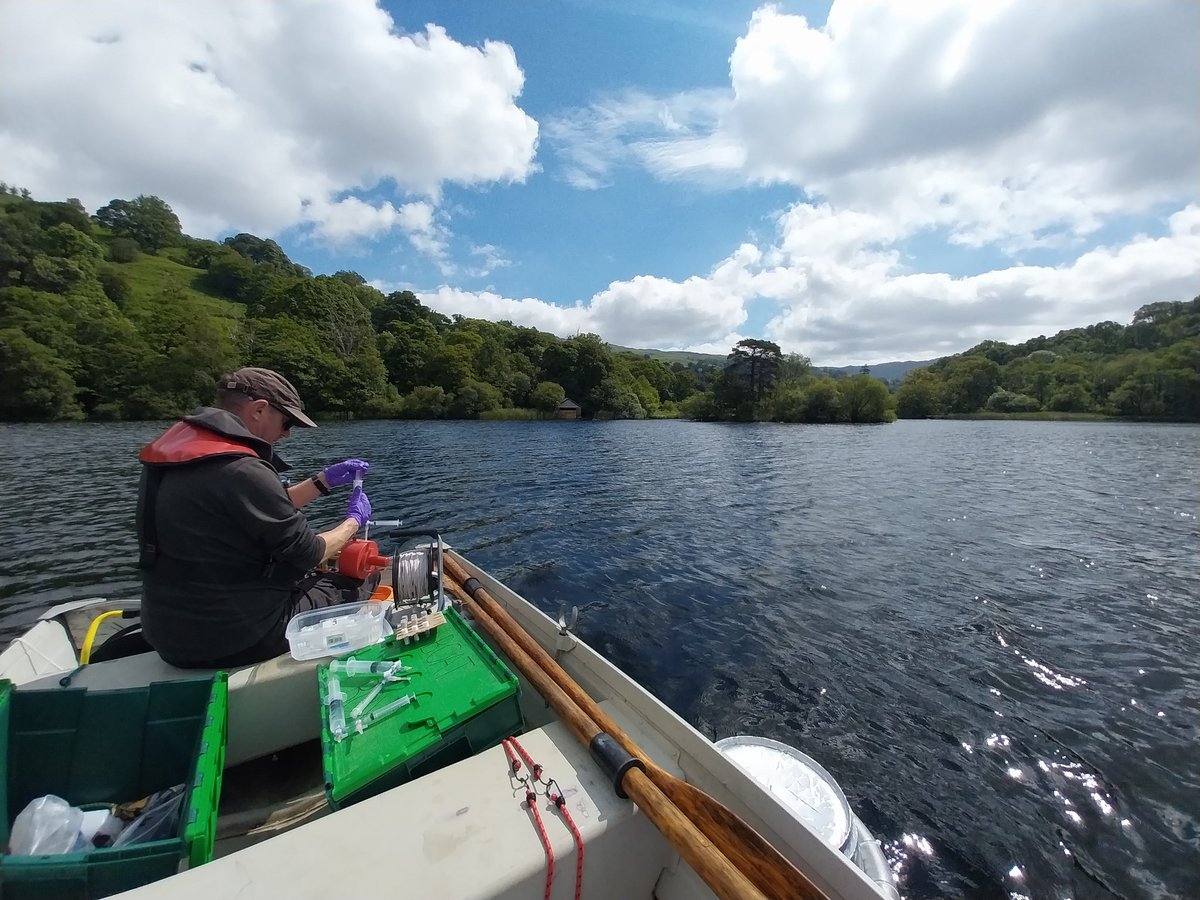
Thank you so much to @KellyQuesne for hosting me at @UKCEH_LakeEco I got to help out with some routine monitoring on Lake Windermere in the Lakes District & spent some time in the lab preparing samples for processing and using the flow cam to look at zooplankton samples!
I had such a great time presenting at the #CumbLakeRF today! What a fabulous day filled with great talks and discussions from various organisations and PhD students. A huge thanks to everyone involved and special mention to our organiser and facilitator @H_notts
Join us for a video series with our Agents for Change 📹
Leading scientists will share their missions, experiences out in the field and in the lab, and how innovative science is helping to realise a brighter future.
Watch the trailer and stay tuned🦋🦠
https://t.co/Rbyj0Xlokm
2 days on Windermere trialing multi beam image hydroacoustics to capture Arctic Charr spawning activity. We’re running a project later this month combined with eDNA approaches. We don’t have a single £ of funding but we do have an ace group of folk who make fab stuff happen.
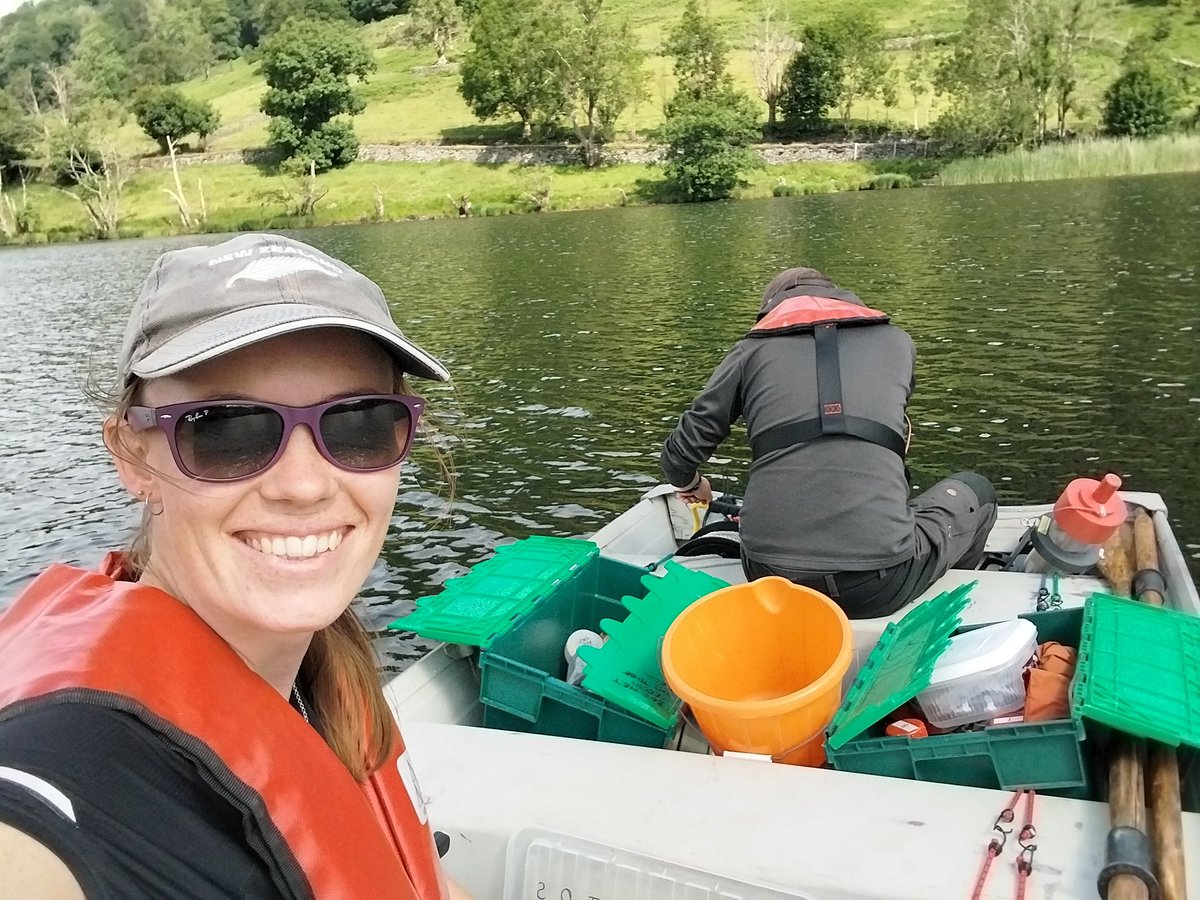
The @UKCEH_LakeEco team & I are enjoying the sun 🌞 as we collect H2O from Cumbrian #lakes to look at how #microbial communities are affected by different #nutrient concentrations, and how those communities use and process carbon dioxide and #methane in water. @Gareth_McShane_
Terrible news hearing that golden clam has been found just below the Lake Taupō outlet - is this an isolated population or part of a broader invasion front? https://t.co/6gUo2iPa2M
Interesting new paper in @NatureComms showing that global freshwater fish invasions are more likely where closely related natives are present, supporting Darwin’s pre-adaptation hypothesis #invasivespecies#rivers
https://t.co/acaxfevnOs
New Zealand’s marine biodiversity checklist has been updated in the latest NIWA biodiversity memoir, with an increase of 3,630 known living species since the turn of the century. 🦀🙌
We'll share more next year! In the meantime, find the memoir here ➡️ https://t.co/Jqm7yCauhZ
It has been great to be able to work again with one of my old PhD supervisors, Russ Shiel, on this book chapter. This is an amazing cover page for a chapter that covers a total of three pages! New Zealand's marine rotifers.
Had a fantastic time attending the Cumbrian Lakes Research Forum @UK_CEH#CumblakeRF yesterday. It was great hearing a range of talks and discussing some of the challenges facing freshwater management. Thanks to all the fantastic presenters and my colleagues for involving me!
Delighted to receive funding from #SpeciesRecoveryProgramme@DefraGovUK@NaturalEngland for our work supporting critically endangered populations of mussels in our West Cumbrian rivers. This will help us improve habitat & boost population nos. in partnership with @freshwaterbio