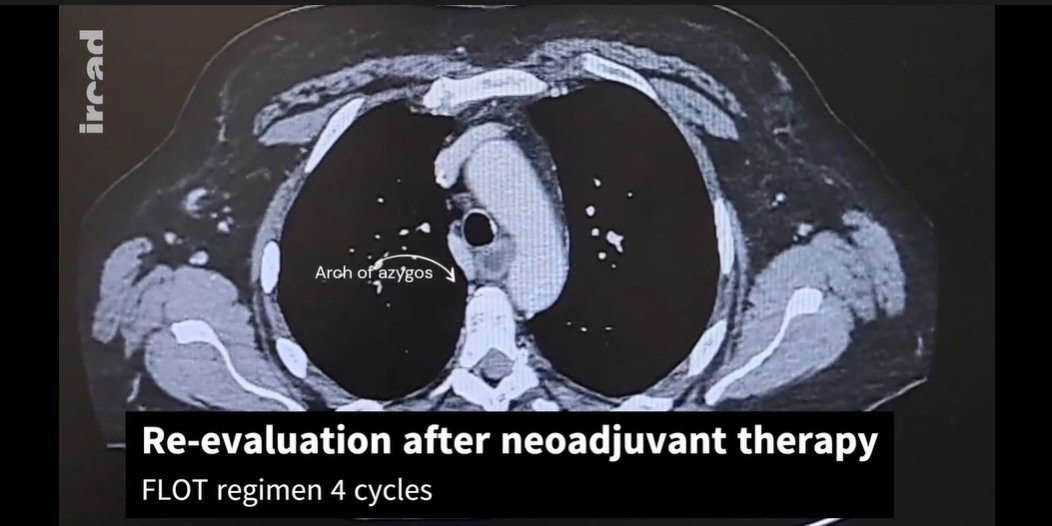
#NTM infections in the #pleural space discussed by Dr. Sunjay Devarjaran in our @BCMLungInst "On Air" #Podcast series and surgical management guide below:
https://t.co/IZ6e9PoQQW
Recently published in #JTCVS Techniques: Successful transcatheter closure of a congenital aorto-right ventricular fistula after Norwood procedure. Read the case report showing a coexisting Ao-RV fistula in a patient with HLHS: https://t.co/2qyIO67LMN
@NMCardioVasc
⚪️⚪️⚪️⚪️⚪️
Thoracic Surgery Pearl of the day:
⚪️Well-differentiated #Neuroendocrine Tumor #NET → #DOTATATE PET
⚪️Poorly differentiated neuroendocrine carcinomas → #FDG PET
⚪️Many intermediate-grade tumors benefit from both studies, as the DOTATATE/FDG mismatch provides prognostic information & can influence Tx
Pneumothorax after thyroid/parathyroid surgery is EXCEEDINGLY rare (0.1%) but linked to much worse mortality, respiratory complications, and ER/readmission rates
Read more in our latest paper in #TheLaryngoscope 👇
https://t.co/f4Z77qhj1k
What is the best strategy for determining when to remove a chest tube after spontaneous pneumothorax? "For now, the decision to perform a clamping trial remains provider-dependent," writes Gerald L. Weinhouse, MD. Full summary and comment: https://t.co/Ako0NvMIJQ
@LoganCoreyMD@stephchangMD Thank you, Dr. Corey, I entirely agree. This was conference content, so not my video to share. A great resource is @surgeonapp1, an extensive library of robotic cases w/ live sessions & step-by-step walkthroughs. You can log in with myIntuitive credentials:https://t.co/B44oH9lKo0
Seeing one of the most invasive operations in surgery- lung transplant via clamshell or sternotomy- move toward a robotic approach captures the innovation in this field. As a future minimally invasive thoracic surgeon, this was my highlight of #ISHLT. Thank you, Dr. Chang. 🫁
@AmCollSurgeons@nyulangone Dr. Stephanie Chang is indeed a gifted surgeon & leads the world in robotic lung transplantation. Watching her present video on the technique is like watching a beautiful concert, great football game or Broadway play- only someone is being helped! #truehero
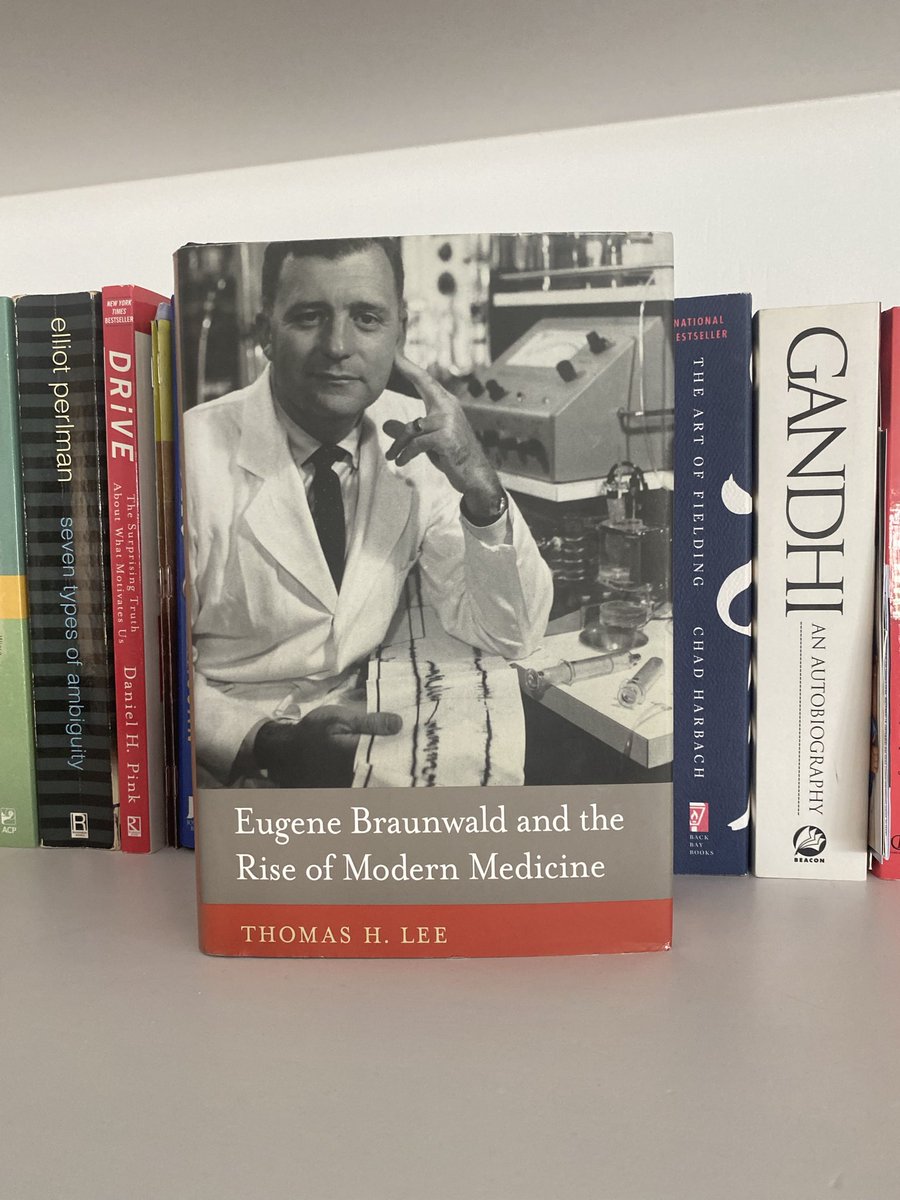
The world has lost one of the true architects of modern medicine: Eugene Braunwald.
He wasn’t just a towering figure in cardiology—he helped build the very institutions and intellectual infrastructure that define the field today, including shaping @BrighamWomens into the powerhouse it has become.
I had a brief but memorable encounter with Dr. Braunwald years ago.
We were seated next to each other on a flight from Miami to Boston. As he settled in, he immediately began editing one of what must have been thousands of manuscripts. I had been up late the night before and quickly fell asleep. At the time, I was a resident at the Brigham and had excitedly introduced myself to him before dozing off.
When I woke up, he was still working.
He turned to me and said, with a hint of humor:
“You seemed to have enjoyed a nice sleep.”
I felt a little sheepish. But mostly, I felt awe.
He was around 80. I was 30.
And the contrast wasn’t about age—it was about endurance and discipline.
His intellect was still sharp.
His standards still high.
His commitment still total.
If you want to understand the life behind the legend, I highly recommend the biography by @ThomasHLeeMD.
It captures not just what he accomplished—but how he thought, built, and led.
A giant in every sense.
The American Heart Association mourns the passing of the legendary cardiologist Eugene Braunwald, M.D., widely recognized as one of the most influential figures in the history of cardiovascular medicine. Over seven decades, his work reshaped the understanding and treatment of heart disease, leading many to call him the father of modern cardiology.
Braunwald was a lifelong contributor to the American Heart Association, helping advance its research and scientific mission, and was honored with some of the Association’s highest honors for his lasting influence on cardiovascular care and research. His influence extended well beyond his own discoveries, as generations of Association‑supported investigators, clinicians and academic leaders were trained by Braunwald or guided by the clinical trial standards and mentorship models he helped establish.
https://t.co/ieZuHYMyOP
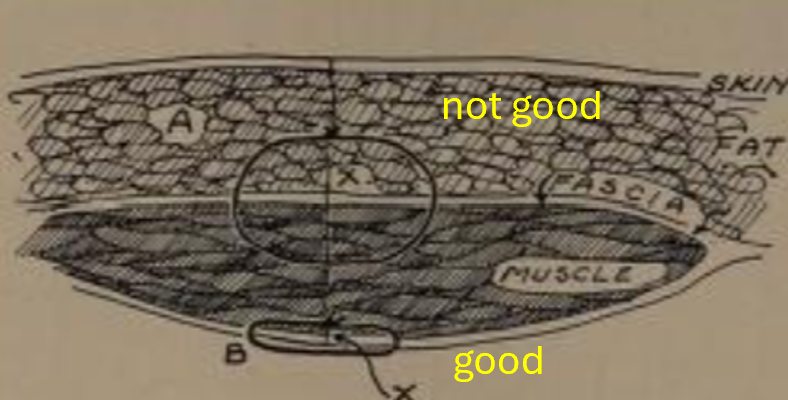
Short🧵regarding fascial closure:
I had a lot of fun with my 🧵on LOTR last week, but I must now return to my core content.
Let us briefly review why it is important to avoid catching too much subcutaneous tissue in our sutures when closing fascia.
Our paper on predicted heart mass ratio and its relationship with BMI among transplant recipients is now in press @annalsthorsurg@annals_short! Read more below:
https://t.co/9LjWQeNPhf
What does thoracic aortic aneurysm management entail? New video by @KyleEudaileyMD discusses pathophysiology, indication for surgery and optimal medical management for physicians and providers. Watch here:
#AortaEd @AorticHope https://t.co/DdqbdMt2oV
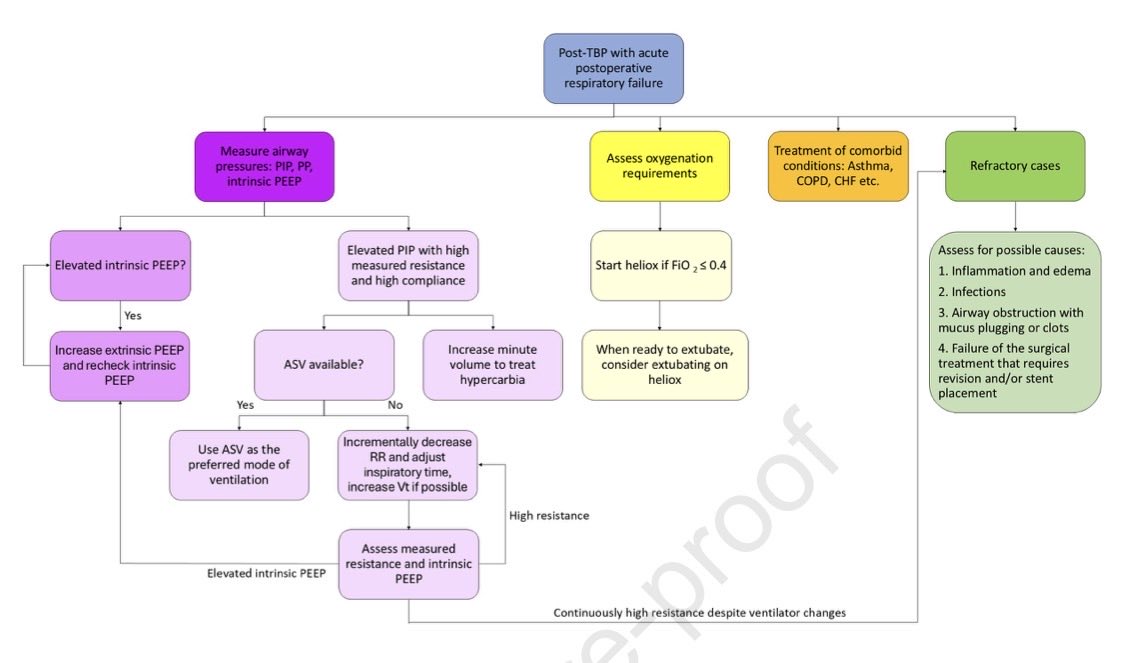
😖 Ever struggled to manage the vent after tracheobronchoplasty? 🫁
If so, learn “How I Do It” from Y Fraiha, @BOG_MD, & colleagues, out today in #journal_CHESTCritCare:
https://t.co/THnroMHZLC
#OpenAccess as always!
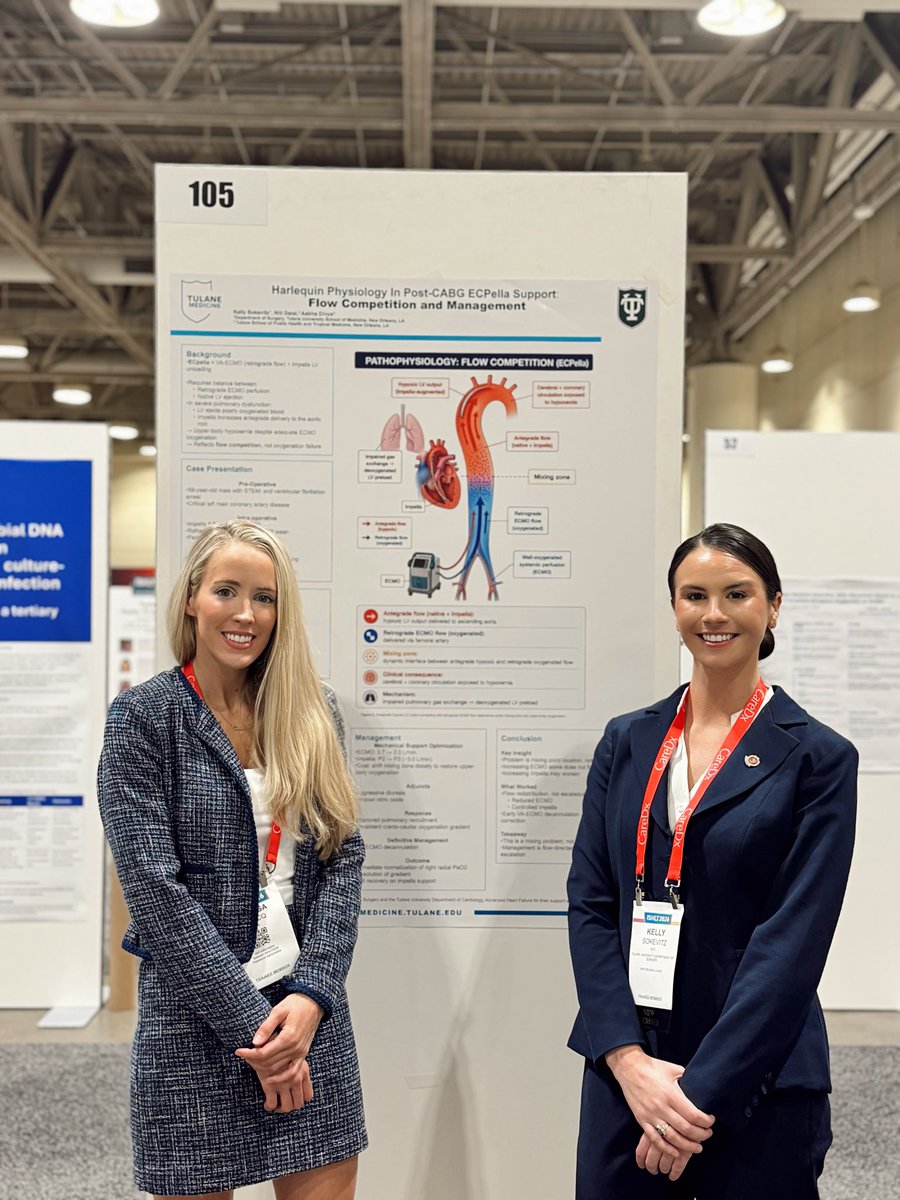
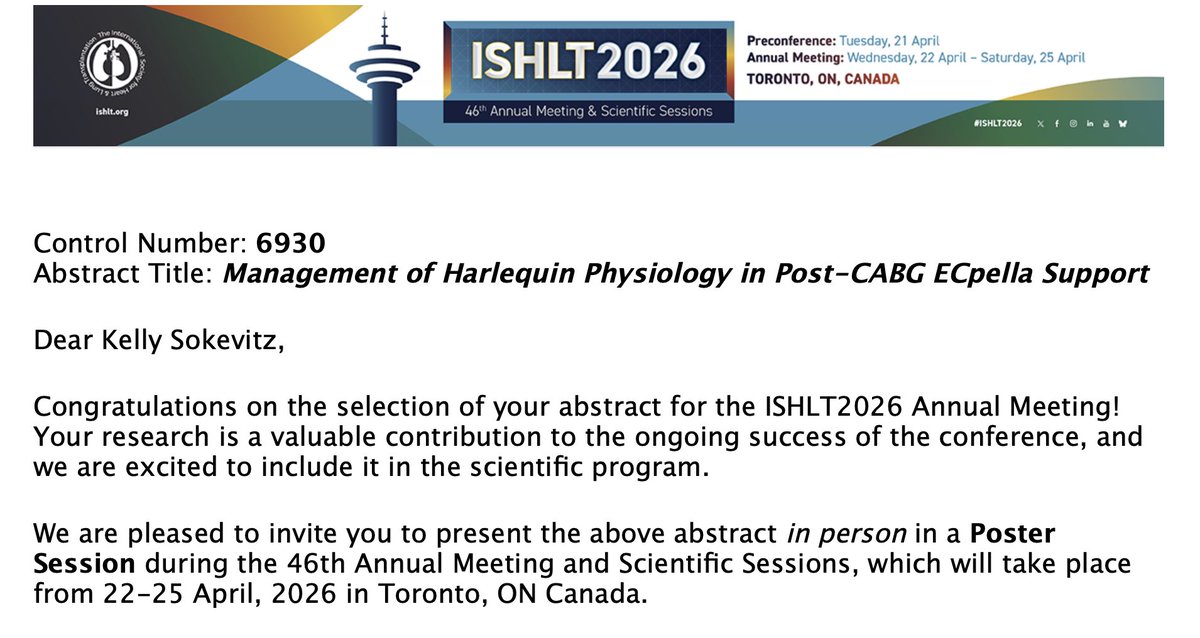
Looking forward to presenting at the International Society for Heart and Lung Transplantation 46th Annual Meeting in Toronto.
Representing @TulaneSurgery in the Cardiothoracic Surgery poster session on Fri 4/25. Grateful to Dr. @aabha_divya for her mentorship. #ISHLT2026@ISHLT