Power does not simply corrupt, it confuses. It wraps itself in honor, whispers in your ear like a trusted friend, and by the time you recognize its poison, your hands are already stained. Julius Caesar is not just a play about Rome; it is a play about every boardroom, every parliament, every moment a person stands before a crowd and says, “Trust me.”
The tragedy does not belong solely to Caesar. His death comes early, abrupt, like a knife slipping through the pages. The real unraveling is what follows, an empire of relationships fraying under the weight of doubt, guilt, and ambition. What Shakespeare explores here is not a simple power struggle. It is the sorrow of those who convince themselves they are doing wrong for the right reasons.
Mark Antony’s funeral speech is not just a turning point, it is a masterclass in rhetoric. “I come to bury Caesar, not to praise him,” he says, and with every word, he manipulates the crowd into fury. Shakespeare shows us how revolutions are born not in battlefields, but in language. How easily the public can be turned by grief, by suggestion, by a well-placed pause.
The mob, once convinced, becomes uncontrollable. Here, Shakespeare paints a chilling portrait of mass emotion, how quickly rational citizens dissolve into chaos. The killing of Cinna the poet, mistaken for someone else, is one of the most terrifying scenes not for its violence, but for its senselessness. It is where logic dies, and fear takes its place.
The tragedy of Julius Caesar is not in the fall of a dictator, but in the realization that even the noblest intentions can lead to ruin. Shakespeare does not take sides. He does not tell us who was right. Instead, he asks us to consider what we destroy in the name of ideals, and who is left to speak when the shouting is over.
In the final act, as the bodies fall and silence takes hold, what lingers is not triumph. It is the hollowness of victory. Brutus dies believing he has done what is honorable. Antony mourns him as “the noblest Roman of them all.” And yet, the empire continues its descent into tyranny. Was it worth it?
This play is not a warning about any one leader. It is a warning about the people who surround them: the advisors, the senators, the friends who believe they know what is best. It is about the stories we tell ourselves to justify impossible decisions. And how those stories, once unleashed, can write a future no one intended.
🎁GIVEAWAY
We've teamed up with Titleist to give away two dozen Pro V1 or Pro V1x golf balls, played by the likes of Justin Thomas, Ludvig Åberg and Viktor Hovland.
➡️TO ENTER:
Follow @HowDidiDo
Follow @TitleistEurope
Repost this post
Comment 'Quail Hollow'
🙌Good luck!
Indian billionaire Gautam Adani has been indicted in New York over a multi-billion-dollar fraud scheme, the Justice Department says https://t.co/u9cYFRQOTh
Neo Colonialism by Gujarati cartel:
The ADANI model. 👇🚩
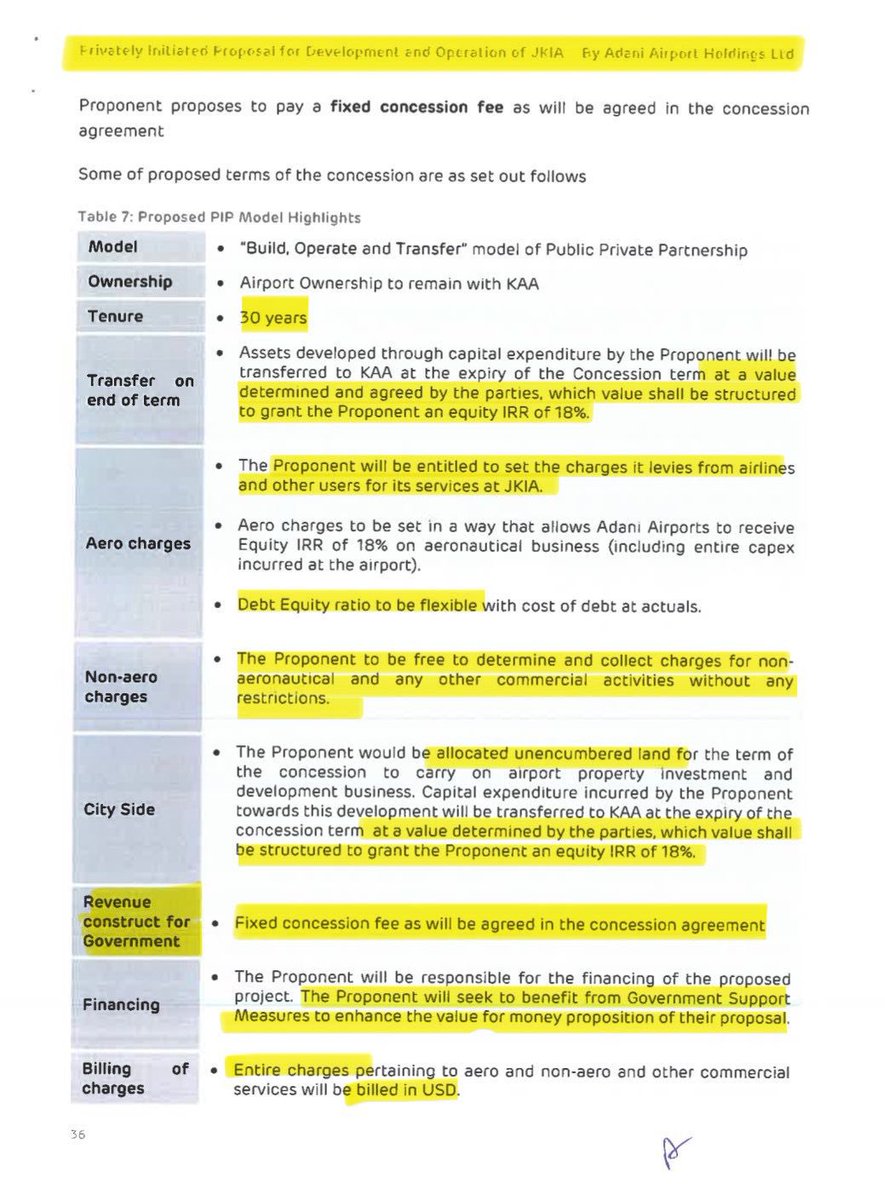
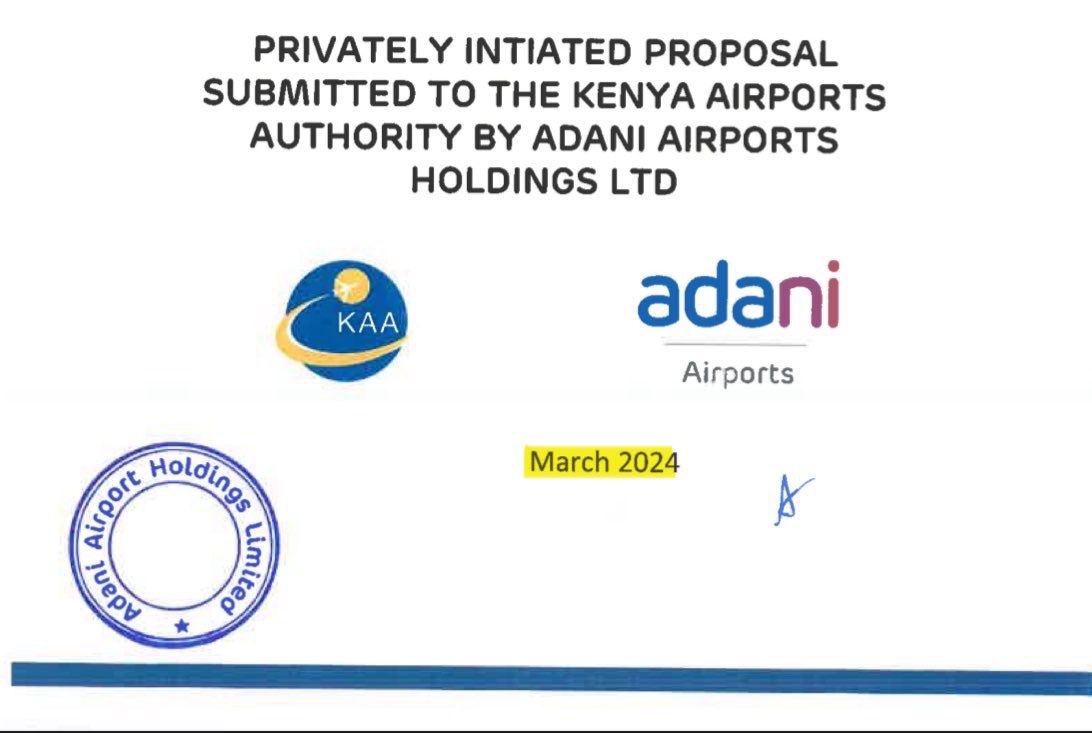
1. Offer the proposal for Infra developments suo motto.
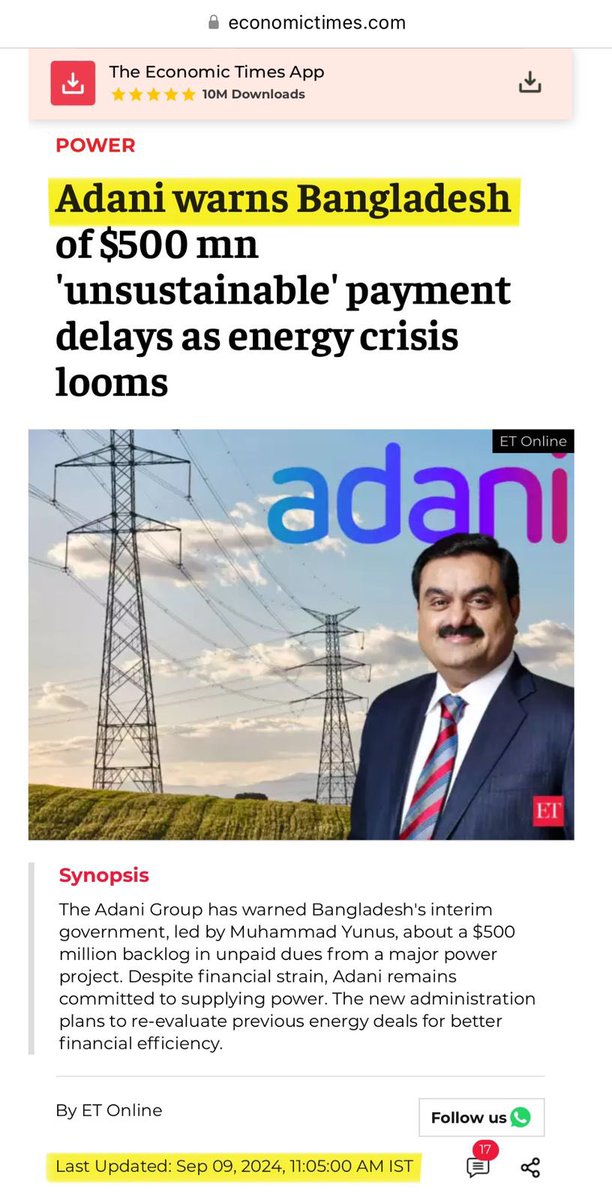
2. Promise the skies and the moons in these proposals, show rosy picture of revenue forecast. The conditions precedent to this are never elaborately discussed upfront and openly. Eg. Adani Group’s HEP projects in Western Ghats; its Greater Nicobar Island (GNI) shipment terminal project; sale of electricity to Bangladesh and now, the Jomo Kenyatta International Airport (JKIA), Nairobi, Kenya.
3. Get hold of the National Resources for a longer period, say two/three decades or even more.
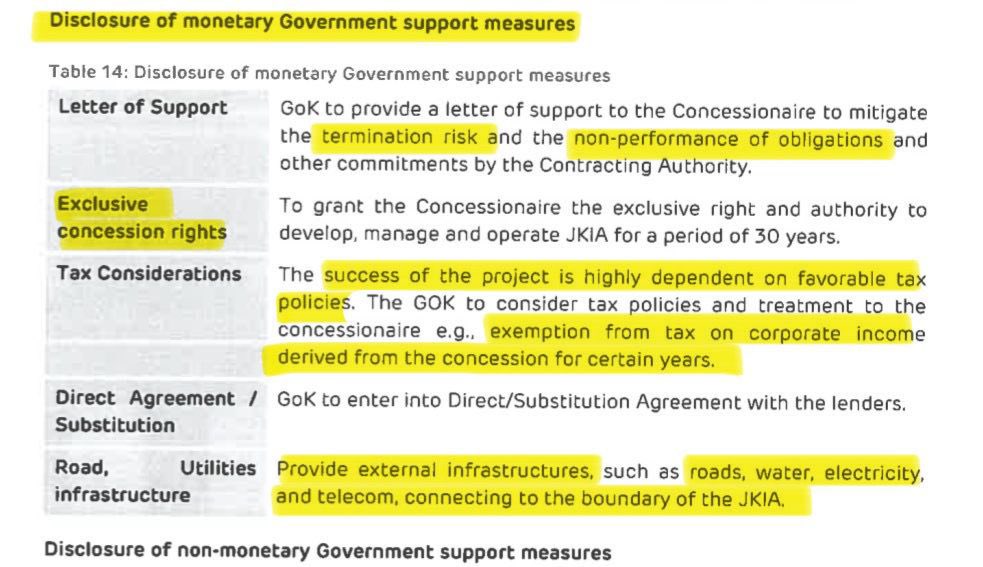
4. Secure maximum exemptions from payment of taxes, other statutory payments/levies and obtain maximum financial benefit under these special Contracts/ Concession agreements.
5. Don't pass the reduced cost of manufacture to the Consumers. Infact, the contractual provisions are exploited at each step to maximise the gains by bribing the Babus.
6. Include provisions for heavy charges and penal interests in the contracts, which can be later used to earn blood money and/or prolong the control over the national resources.
7. Levarage the long term control over public resources and Government backed contracts to borrow funds.
8. Gold Plate the expenditure to earn windfall gains (remember the procurement of coal shown through circuitous route❓), which is then invested in own companies, through complex transactions involving foreign funds, controlled by your own brother.
Do this very quickly with the help of agents on payroll (bribe❓) in the Government❗️
The pliable Media, the Regulators, Administration and even the Courts are there to cheer the Coloniser. The Media will not ask questions off these cartels or report their illegalities and anti-National acts, the Regulators will "hit the wall" in their probes, the Administration will play gobbledygook and the Courts will prolong the hearing, denying the justice effectively.
The Gujarat cartel has hijacked the Indian Government, its Administration. It is depriving the citizens and foreign Nationals of their rightful services, liberty and justice promised by the modern Democracies.
🚨 🇮🇳BREAKING - WHISTLEBLOWER REPORT: REGULATOR TIED TO ADANI BILLIONS
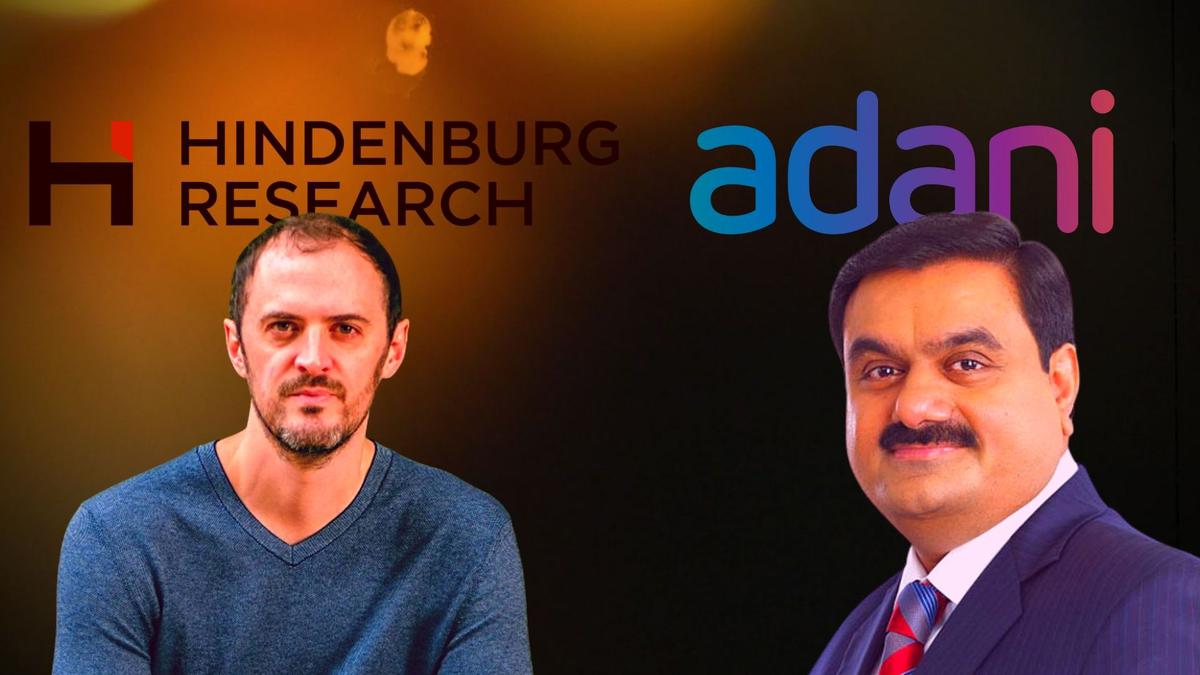
Whistleblower documents reveal that Madhabi Buch, head of India’s financial regulator, secretly held stakes in offshore funds tied to the Adani Group’s alleged billion-dollar money-laundering scheme.
Hindenburg Research, a U.S. firm known for exposing financial fraud, uncovered these hidden investments, raising serious concerns about the regulator’s ability to fairly oversee Adani’s billions.
Source: Yahoo Finance, Reuters
@pwanyama The problem is once there, they are held by very mischievous cabals and end up being hostage to vested intrest.
Hope she balances professionalism and politics of intercadre wars.