📹 جلالةُ السُّلطان المُعظَّم /حفظهُ اللهُ ورعاهُ/ يستقبل فخامة رئيس جمهورية #رواندا الصديقة بقصر الحصن العامر في #صلالة، بمناسبة زيارة فخامته الرسمية إلى #سلطنة_عُمان.
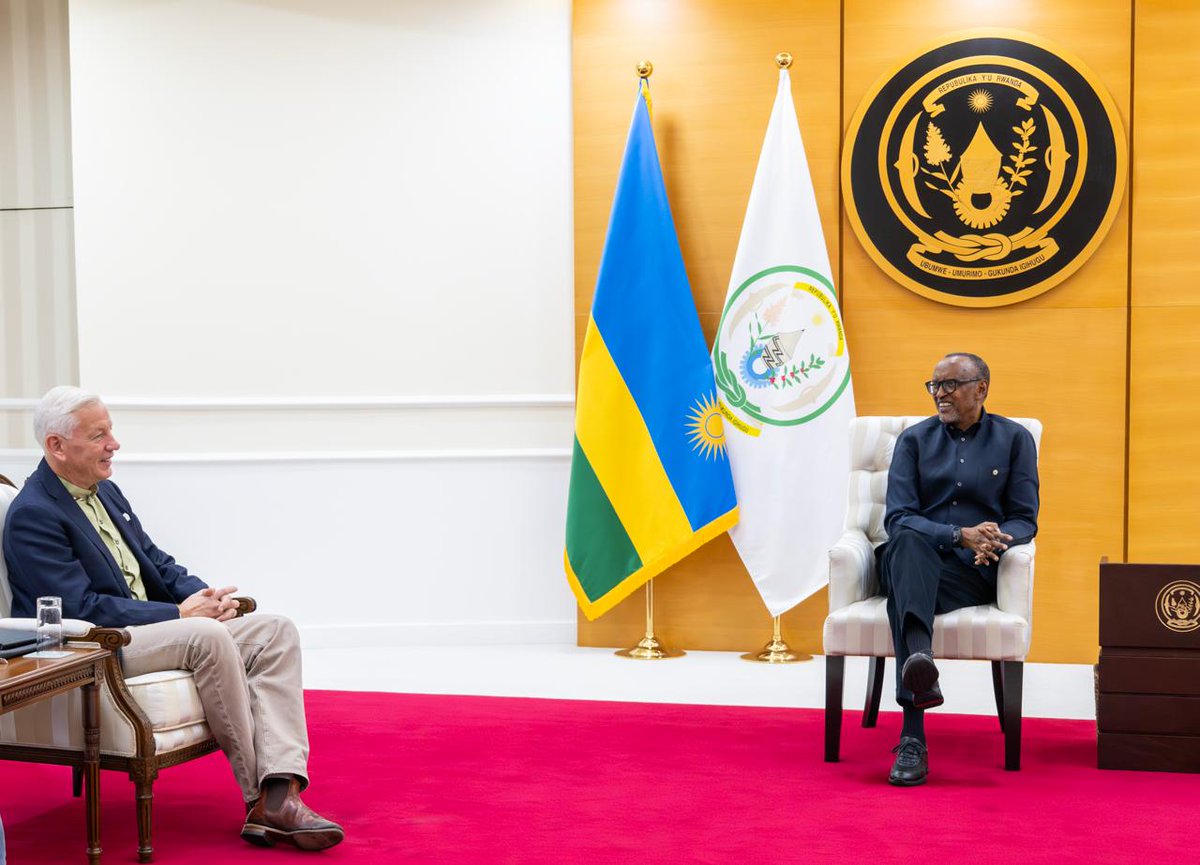
This afternoon at Urugwiro Village, President Kagame met with various namers who named baby gorillas during the 21st #KwitaIzina gorilla naming ceremony, including: Dominic Barton, Chairman of @RioTinto & LeapFrog Investments, Shaikha Al Nuwais, Secretary-General of UN Tourism @UNWTO, Paul Danforth, President at CAA Sports and Patrice @Evra, former team captain for both Manchester United and the France national team.
Ihere ijisho igishushanyo kigaragaza uko umushinga wo kuvugurura no kwagura umuhanda "Prince House-Giporoso-Masaka" uzaba umeze ku bice byo mu masangano y'ahazwi nka Prince House, mu masangano ya Giporoso, ndetse no kuva ku Cyamitsingi werekeza i Masaka.
“I promised to your President (President Kagame) six years ago to visit Rwanda…Every single day I’m here, everyday I am falling in love more and more.”
Former French International Footballer, Patrice Evra, on his experience in Rwanda. #RBANews#KwitaIzina21
My first day in Rwanda 🇷🇼 and I’m not disappointed at all!
Whenever I travel, I feel it’s important to understand the history of the country to truly understand its people. My visit to the Kigali Genocide Memorial was deep, powerful and emotional. ❤️🇷🇼
I want to say sorry for what happened to my Rwandan brothers and sisters. No words can ever change the past, but seeing what Rwanda has built and how the country continues to move forward is truly inspiring.
I met your President a long time ago, but after seeing and understanding more about Rwanda’s journey, I have an even deeper respect for the way these difficult matters have been handled.
Respect Rwanda. 🇷🇼❤️
The past must never be forgotten, and the future must always be protected.
#Rwanda #Kigali #NeverForget #Peace #Unity
Hello @Mwijukyeivan – we saw that post and the questions it raised, and we do not agree with the ethnic extremism expressed. One can have their opinion about Rwanda, but they should not misrepresent Rwandans or associate us with that kind of thinking. If the post was about Uganda, it should be kept Ugandan and not drag us into it. As you rightly point out, Rwanda does not subscribe to ethnic extremism, we have worked hard to leave this behind us. We do not need it and do not want it. Our national vision and efforts in the last 32 years have been about uniting Rwandans, and we will continue to safeguard this fundamental political choice.
I have been reflecting on the debate around how some of our young people dress, and I wonder whether we are asking ourselves the deeper questions.
When concerns are raised about increasingly revealing fashion trends, the conversation quickly becomes: “Why does the State want to police our bodies?”
But perhaps we should also ask: who is shaping these trends in the first place, and why?
Parents in different parts of the world have pointed out something interesting: clothes marketed to little girls are often shorter, tighter or more appearance-conscious than equivalent clothes for little boys of the same age.
Why?
Why are girls introduced so early to the idea that femininity is connected to displaying the body? And why, as they grow older, is that message reinforced through fashion, advertising, music, dance, films, music videos and social media, where the female body is so often presented through the lens of sexual desirability?
This is not an argument that the female body is inherently provocative. It is not. Nor should women and girls be made responsible for managing other people’s sexuality by simply being told to cover themselves.
The question is not what is wrong with the female body. The question is why our culture and commercial industries so persistently commodify it.
And there is another dimension to this conversation that matters to me: cultural identity.
For many years, much of what we wore was imported—not only the clothes themselves, but increasingly the ideas of what was fashionable, modern, attractive or desirable.
But modernity does not have to mean cultural erasure.
Across our continent, we can see powerful examples of societies that have made their cultural identity part of contemporary fashion. Nigeria, among others, has demonstrated how local fabrics, patterns, craftsmanship and aesthetics can be worn with pride and continuously reimagined for modern lifestyles.
That should challenge us too.
What does contemporary Rwandan fashion look like when it is confident enough to draw from who we are, while remaining creative, youthful and open to the world?
This is not about freezing culture in the past, prescribing one acceptable way of dressing, or rejecting influences from elsewhere. Culture has always evolved. The question is whether we are participating in that evolution as creators, or simply consuming what others create for us.
Industries manufacture aspiration. Algorithms amplify it. Celebrities normalize it. Markets profit from it. And when we do not produce enough of our own cultural references, other people’s definitions of beauty, desirability and modernity can very easily become our own.
So before reducing every conversation about these trends to “the State wants to control our bodies,” perhaps we should encourage our young people—girls and boys alike—to exercise something even more important than the freedom to choose: the critical thinking to interrogate the choices being presented to them.
Who benefits from this trend?
Who defined this as desirable?
Why is sexual visibility so disproportionately expected of the female body?
What parts of ourselves are we losing when we imitate without questioning?
And what could we create if we looked at our own culture not as something belonging to the past, but as material for the future?
Freedom is not only the ability to choose. It is also the ability to understand what is shaping our choices—and the confidence to create alternatives of our own.
Big brother just turned ‘the floor is lava’ into an elite rescue mission 😂
Little brother never even touched the ground.
What a legend!
Writer: Daniyal
This is what happened today😅😅
It was an honor to meet the president of Rwanda His excellency Paul Kagame at The Africa Mindset Reset Forum hosted by Africa School of Governance.
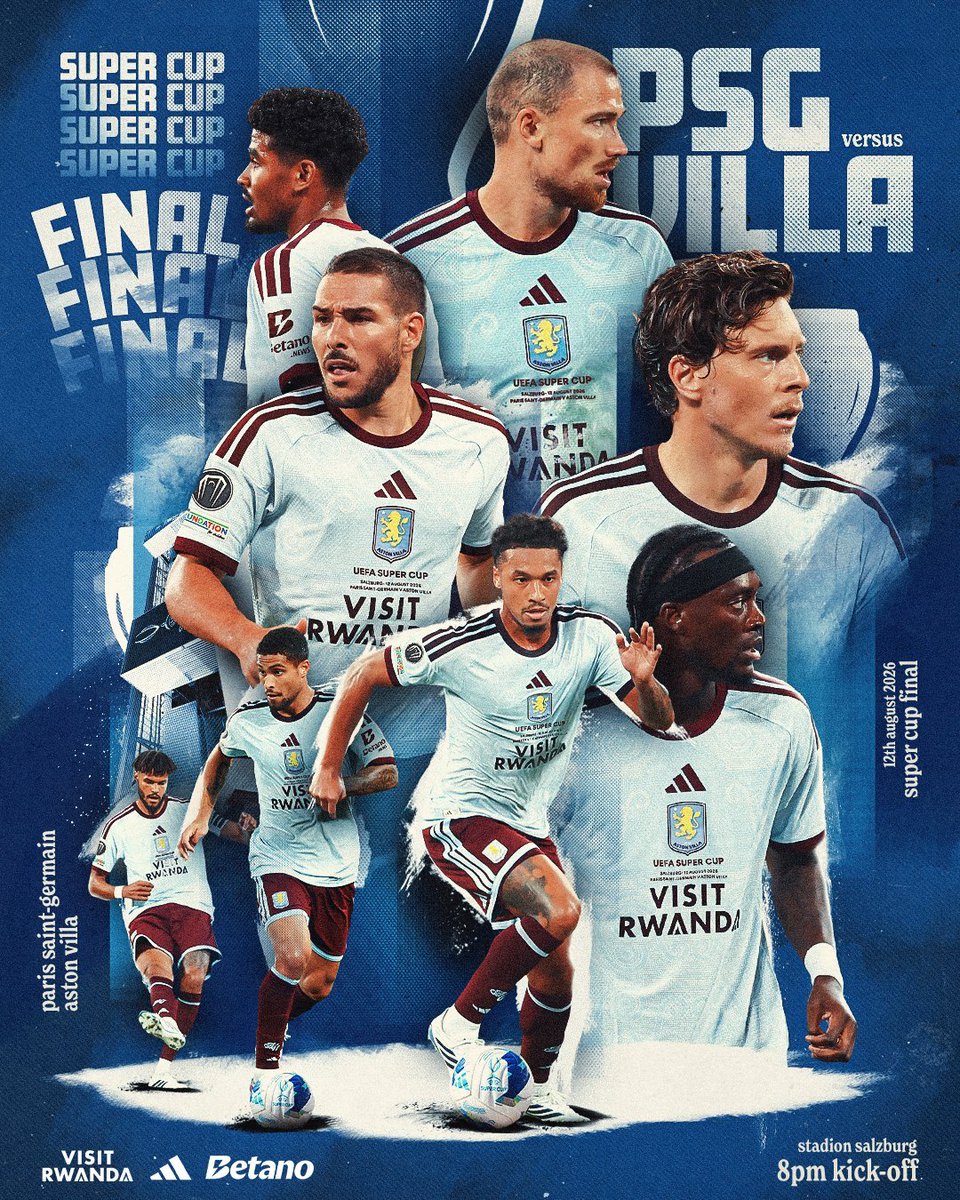
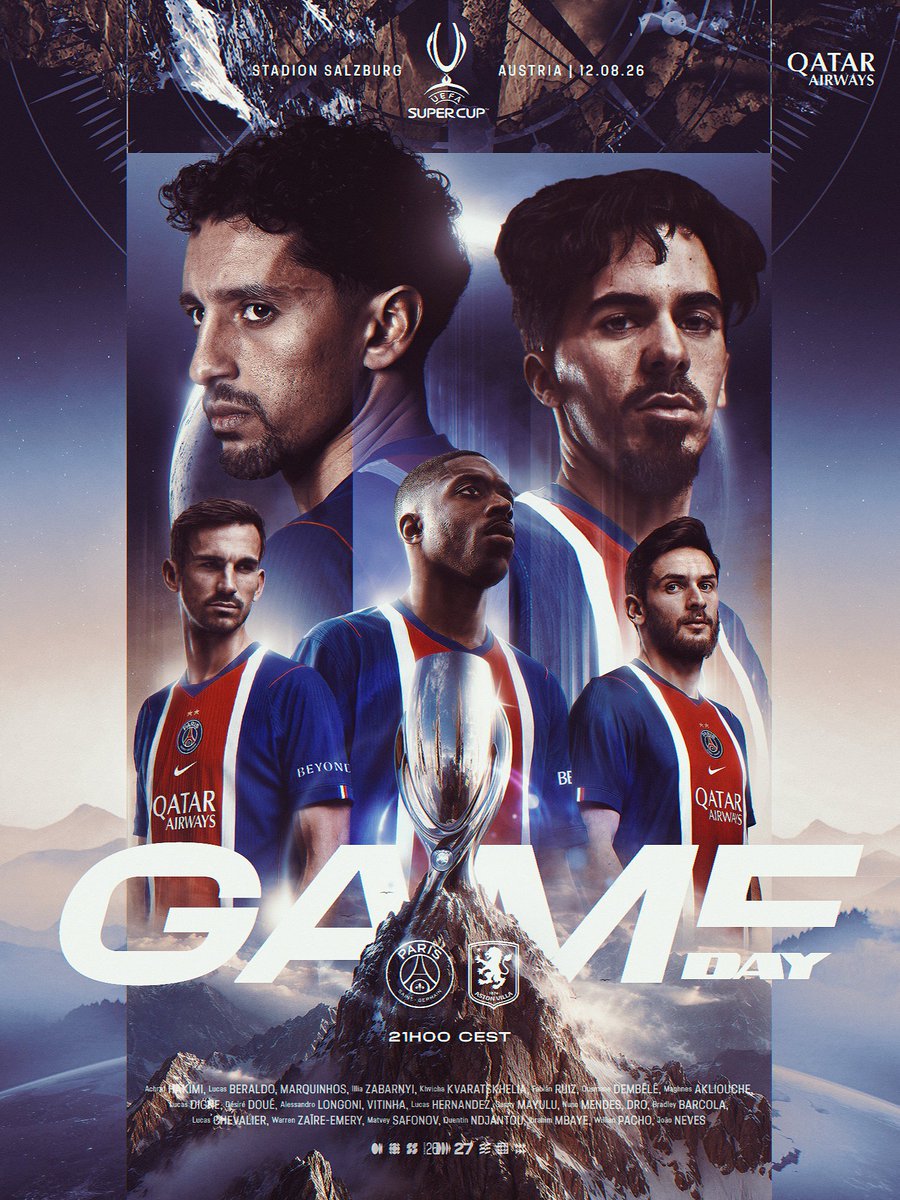
The 2026-2027 season has not even started that we already have a 100% #VisitRwanda🇷🇼 final: the @UEFA#Supercup between @PSG_inside and @AVFCOfficial, to take place in Salzburg, Austria.
Please note that the Somali referee of the game, Omar Artan, was the referee of the #CECAFA Kagame Cup's final in Kigali last Friday, won by the Rwandan side @rayon_sports.