My client brought me this quilt and said, “Can you do bears?”
My machine isn’t computerized, so I trace the design onto freezer paper and iron it where I want to place it. Then, I quilt through it and rip away the paper.
Voila! Bears. 🐻 #Quilter#Quilts#Quilting
We lost another founding figure in tabletop roleplaying games. Ken St. Andre meant a lot to so many people beyond his creation of Tunnels & Trolls. Rest in Peace.
How to Read Database Internals by Alex Petrov When You're Short on Time
If you want to get the most out of Database Internals by Alex Petrov but don't have enough time to read the entire book, here's my recommended reading path.
I've highlighted the chapters I consider essential, the ones worth skimming, and a few additional research papers that are well worth your time.
Part I — Storage
Chapter 2 — B-Tree Basics
A fundamental chapter. Make sure you understand the core concepts before moving forward.
Chapter 3 — File Formats
You can skip this chapter, but I highly recommend reading it if you have the time. It provides a solid understanding of binary encoding, page structures, and file organization in general.
If you already have a strong operating systems background, you can probably skip it.
Chapter 4 — Implementing B-Trees
An essential chapter for understanding how B-Trees work under the hood and how they are implemented in practice.
Chapter 5 — Transaction Processing and Recovery
Another important chapter. Pay close attention to how databases handle transactions and recover from failures.
Chapter 6 — B-Tree Variants
Don't let the title fool you: this is a very important chapter.
It covers several interesting variations, including Copy-on-Write B-Trees and Lazy B-Trees.
I particularly enjoyed the section on FD-Trees. If you have extra time, I highly recommend reading the original FD-Trees paper as well.
Chapter 7 — Log-Structured Merge Trees (LSM-Trees)
A long chapter, but definitely one of the best in the book.
It starts with the fundamentals of LSM-Trees, then explores how to implement unordered LSM-Trees, followed by an introduction to Bitcask and WiscKey.
I'd recommend choosing one of the related research papers and studying it in depth.
Personally, I found the sections on Log-Structured Stacking and Llama particularly interesting.
Part II — Distributed Systems
Chapters 8 and 10 — Skip
You can safely skip these if you're short on time. Leader election is a relatively straightforward concept, and you can revisit it later if needed.
Chapter 9 — Failure Detection
This chapter mainly discusses heartbeats and related failure detection mechanisms.
It's skippable, but still worth reading if you have the time.
Chapter 11 ��� Replication and Consistency
An essential chapter covering several fundamental distributed systems concepts:
- CAP theorem and why it isn't sufficient on its own.
- Shared memory.
- Different consistency models.
- Linearizability vs. strict consistency, including the distinction between them.
- Replication strategies and replica behavior.
Chapter 12 — Anti-Entropy and Dissemination
An underrated chapter that deserves more attention.
It explains how distributed replicas can be brought back into sync using techniques such as Merkle Trees and Bitmap Version Vectors.
The discussion of gossip protocols is particularly good, covering several approaches and their trade-offs.
I'd pay special attention to Partial Views and Hybrid Gossip. These concepts offer some interesting perspectives worth thinking about.
Chapter 13 — Distributed Transactions
In my opinion, this is the most important chapter in the entire book.
The discussion of Two-Phase Commit (2PC) is particularly well explained. It also covers Calvin and Google Spanner in considerable detail.
If you have time for additional reading, definitely go through the original Spanner paper. It's worth every minute.
Chapter 14 — Consensus
For Paxos and Raft, I'd recommend reading the original research papers rather than relying solely on the book.
However, the different Paxos variants discussed in this chapter provide a useful perspective on how consistency requirements change across different environments.
There's also a short section on Byzantine fault tolerance at the end that's worth checking out.
📕 Get Now: https://t.co/BRwAKt6gPU
Happy reading! 📚
Timeline cleanse; I have been blessed with my Great Grandmas 120 year old quilting frame
Now I need 3 other women to help me sew the backing because its a b*tch alone
Remember when women socializing was quilting, canning and making jams?
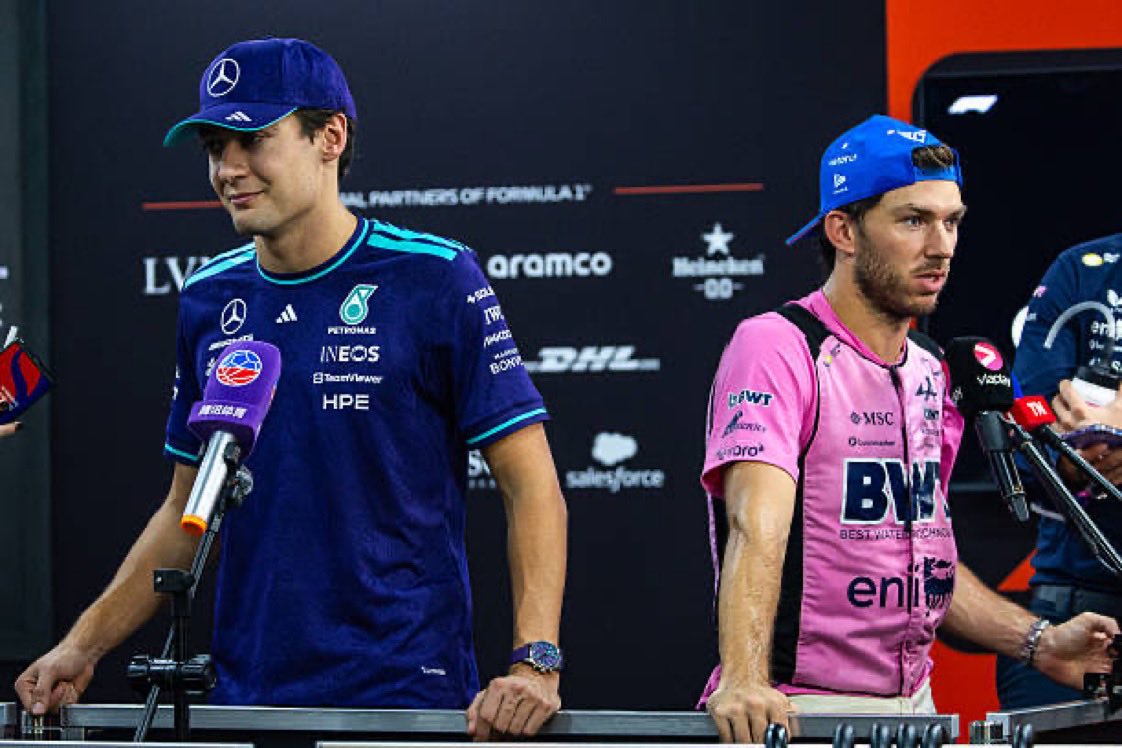
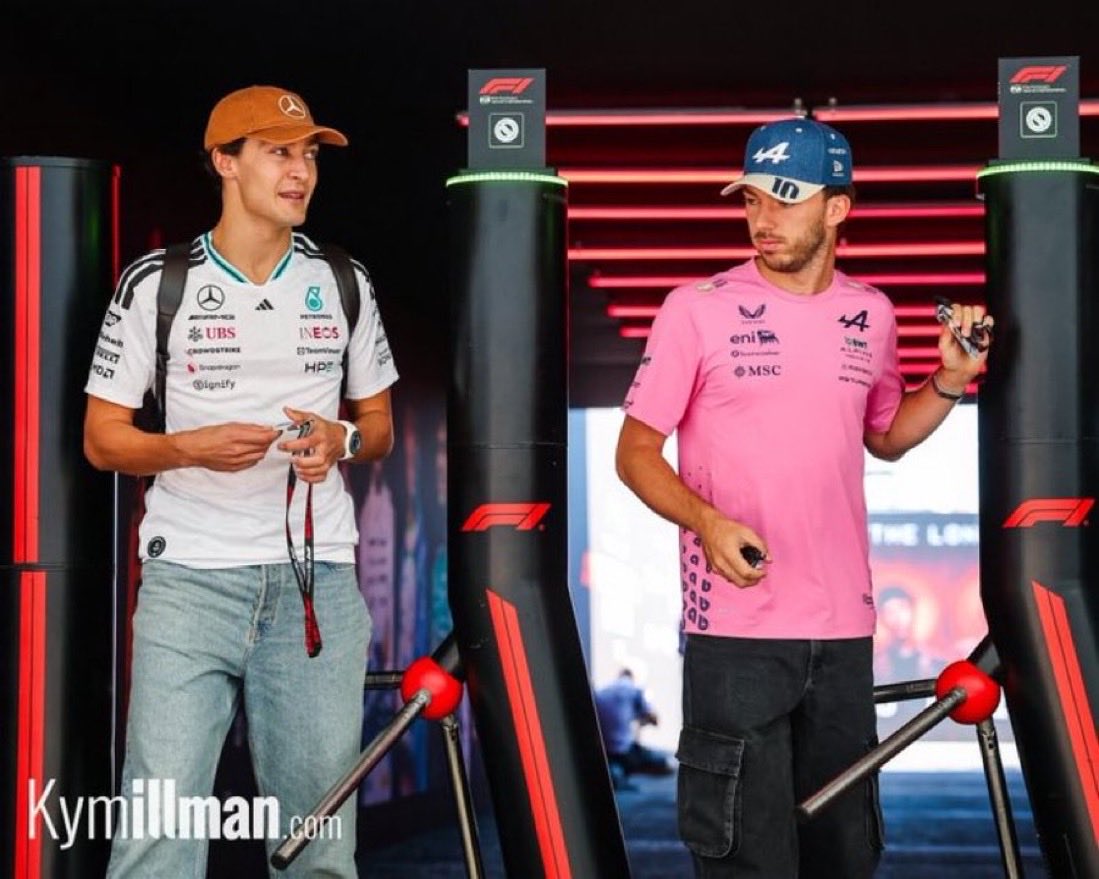
George Russell and Pierre Gasly are playing chess together, arriving to paddock at the same time, giving interviews side by side and together at drivers parade..! 😶😇🩷🩵
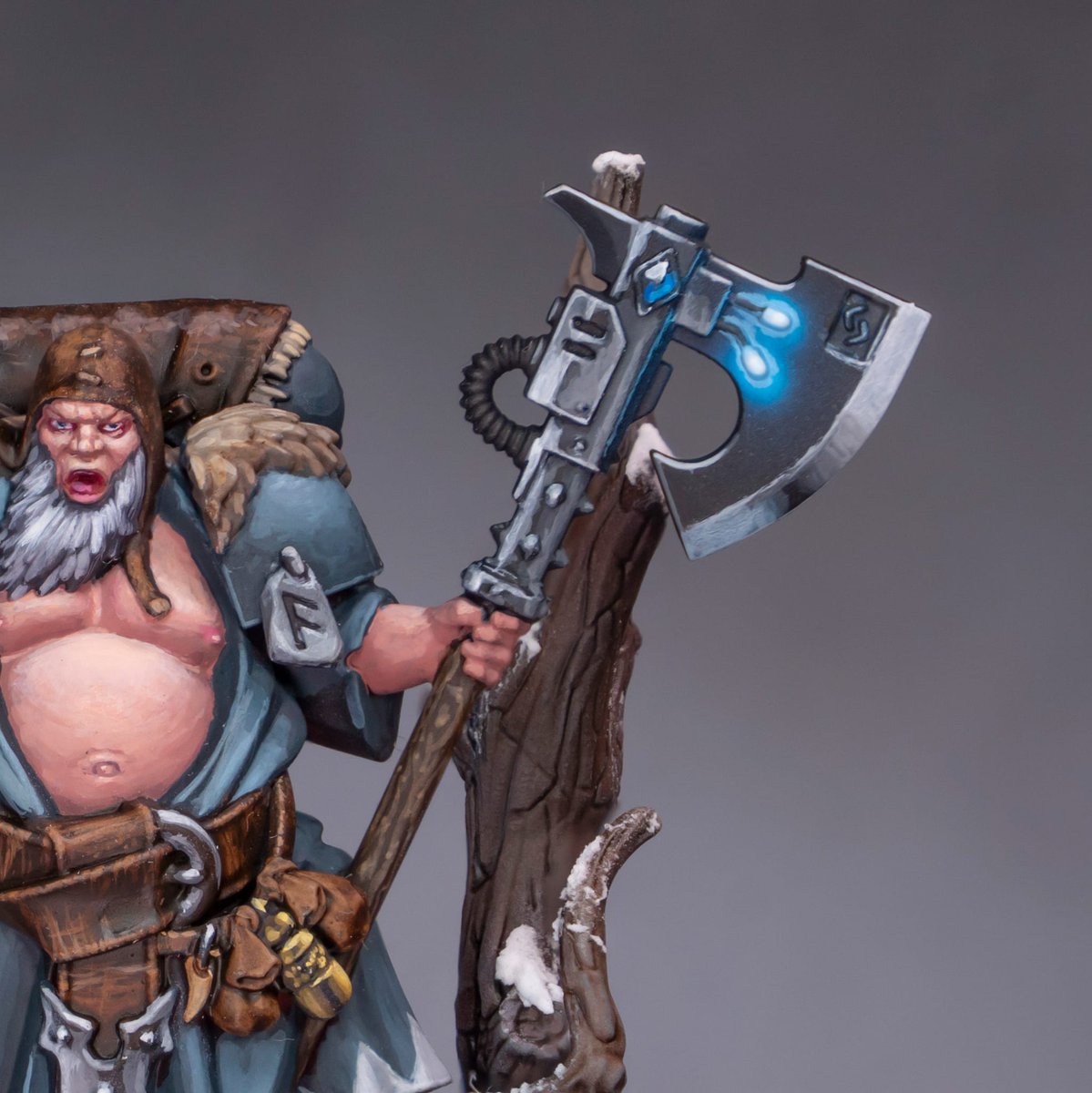
Brother Belias and Volk are hunting in Fenris. He is out of service because of his metal stability, but he used to ambush young Space Wolves during their preparation and training to test them. Hope u like it, guys!
#warhammer40k#warhammer#paintingwarhammer#warhammercommunity