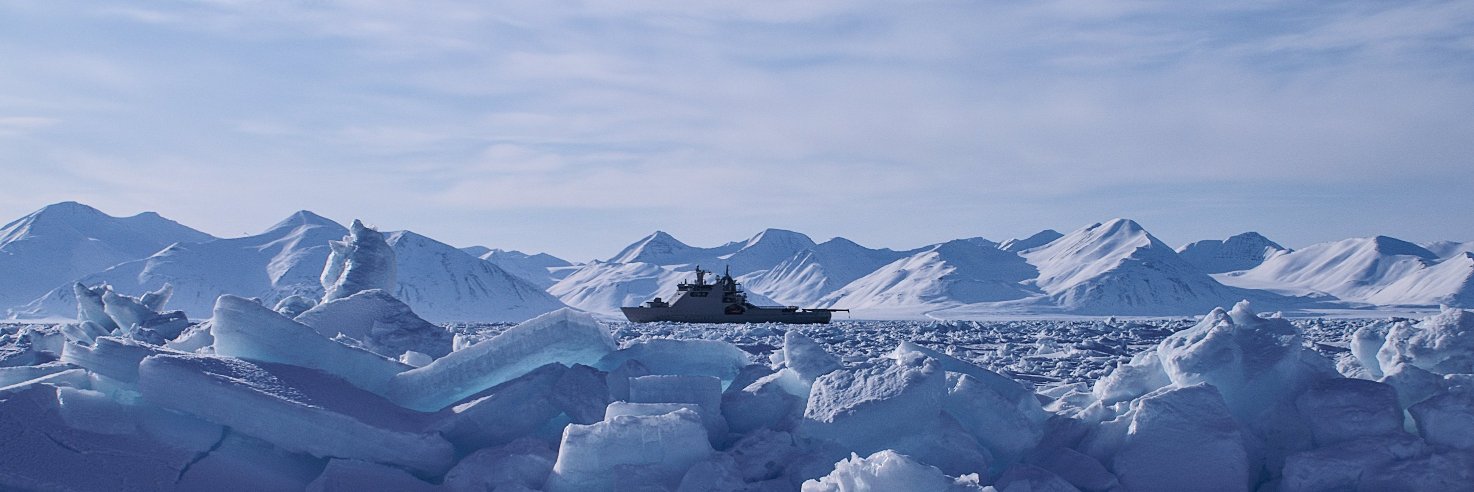
As the #KEPLER project wraps up, we have produced a video to highlight how our recommendations can inform the next phase of the #Copernicus programme, aiming to improve information services for users in #polar regions. Check out the full video via:
https://t.co/qwtU2Spqkk
KEPLER have produced a Best practice guide for Earth Observation information use by research vessels and stations. Our hope is that this will lead to an increased up-take of #EO data and products, thus providing enhanced and timely knowledge of the #Arctic Environment...
...Our hope is that this will lead to an increased up-take of #EO data and products, providing enhanced and timely knowledge of the #Arctic Environment. Improving safety and knowledge-based decisions for both scientists and operators of vessels and stations.
Another key aim from the KEPLER project was to provide a clear, concise and achievable road map for #Copernicus to evolve a monitoring programme that is relevant and delivers the necessary information to tackle the issues facing European actors in the Polar Regions...
This includes #Climate Change monitoring and prediction, waste/pollution management, safe and efficient navigation in #seaice and avoidance of environmental hazards on land, facilitating the shift towards a low carbon economy.
Hi to all our new followers on here 👋
If you haven't already- check out our overview brochure! It contains high level summaries/key outcomes from the KEPLER project and it's available to download now from our website...
https://t.co/3nGQzk0TDf
📰The latest & final #KEPLER newsletter, summarising Summer 2021’s activity is now available!
This edition includes a recap of our end of project activities, highlights from final meetings and links to all our project deliverables and free resources🙌
https://t.co/j2Omh8sDmh
End of project dissemination continues for KEPLER - this week, project Co-ordinator Nick Hughes, presented KEPLER project highlights and main achievements at ESA'S Polar Science Cluster Collocation Meeting.
https://t.co/ho7rDdJJ9n
Have you seen the #KEPLER Map? Developed during the KEPLER project, the Interactive #Arctic Stakeholder Map provides an overview of Arctic activities and linkages to the European Union’s #Copernicus programme. https://t.co/AXkZRTC9qL
The #KEPLER project is seeking feedback from people working in offshore and coastal engineering in #Polar Regions.
The online round table, on #Engineering & #Researcher information requirements, consists of a short video & 10 questions. Link below!
https://t.co/dlbzTd6931
Our 1st EU-PolarNet 2 quaterly newsletter is out! It informs about news from the project, the #EUPolarCluster, national #Polar programmes, highlights in European Polar #research & upcoming events.
Link to newsletter & subscription
👉https://t.co/iAYurPwXJY
@EUPolarNet@EU_H2020
KEPLER are hosting an online open workshop on #Maritime and Research Sector Needs on Wednesday 19th May 2021.
Join us and Register here: https://t.co/HXWFFYXsZz
We will present our recommendations and ask for feedback, with a focus on the maritime and research communities. This is an open workshop- we welcome you to join us!
#H2020 "#EUArcticCluster#Arctic
KEPLER are hosting an online open workshop on #Maritime and Research Sector Needs on Wednesday 19th May 2021.
Join us and Register here: https://t.co/HXWFFYXsZz
This workshop forms part of our work to develop a roadmap for further development of the European #Copernicus Earth Observing programme specific to the #Polar Regions.