Dublin is on track for 3m people. Do we want it to be:
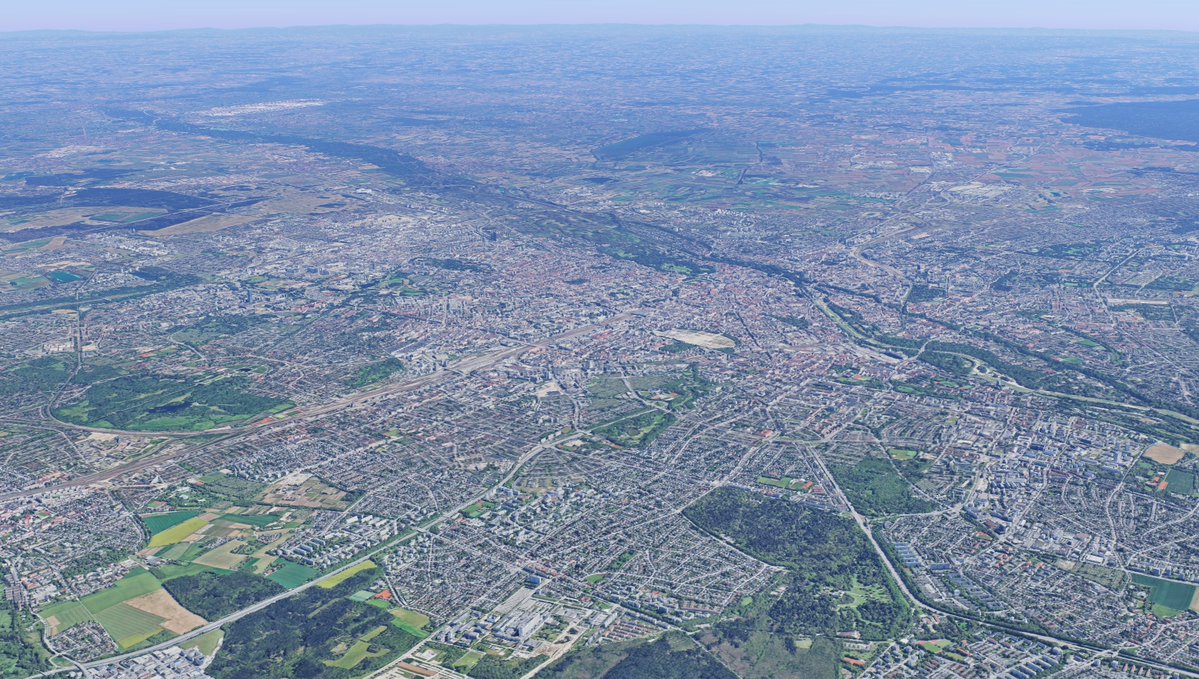
A city with a strong centre accessed by rail, like Munich (on the left...)
OR...
A city with jobs spread out along highways like Dallas (right)?
Without deliberate planning and investment, we'll end up more like Dallas.
While greater Dublin grew 35% since 2006, orning trips into the city centre fell.
Every German city over 2 million keeps its centre with a rail tunnel underneath. That infrastructure is what makes the difference. A strong centre has to be chosen!
Without its own gas storage, Ireland is vulnerable to shortages. Ireland is planning to build a liquefied natural gas (LNG) storage facility, called the Strategic Gas Emergency Reserve, but this could take years. The planning application for it is due by the end of this year. Until it’s built, Ireland runs the risk of running out of gas, or paying soaring prices to plug an emergency gap.
Environmental planning rules make it harder to build upwards, even though it’s the most climate-friendly way to add new homes.
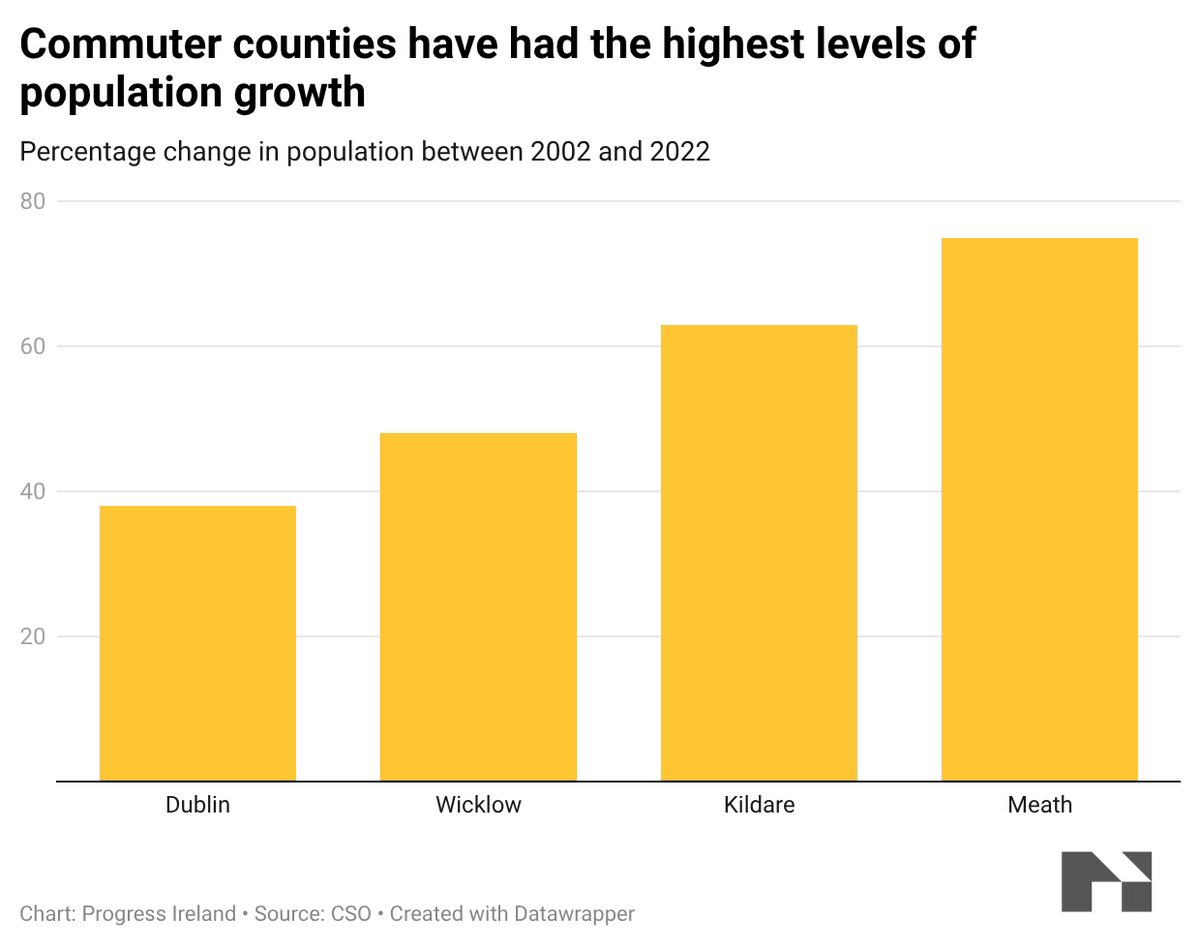
Take Dublin. It has limited space available to accommodate everyone that works in the city. So people move further out to commuter towns in Kildare, Meath, and Wicklow. They travel long distances to get to work, or see family and friends.
@John_Stepek Fortunately that’s just enough for an eternal loop, each loop lasting about five years, long enough for you to forget what went on last time you watched it
The elites of Victorian Britain got up late, drank ceaselessly, worked short hours, partied through the night, and knew nothing about science, technology or engineering. And yet, by their own lights, they were hugely effective.
https://t.co/TvbuWtaPRJ
The Victorians are often held up as a model against the supposedly soft, feckless, humanities-educated elites of today. But I argue that the genius of their system may have been its drastic weighting towards soft skills, team-building and intra-elite networking:
- A Victorian’s gentleman’s office hours typically began about 11am and finished about 5pm, including a multi-course lunch with wine.
- Upper-class Victorians drank ceaselessly. Conduct guides recommended four or five glasses of wine at dinner *for married women*. Port was often served in pints.
- Party culture was intense and nocturnal. Balls started at about 10pm, peaked after 1am, and continued till dawn. During the social season, bankers, judges and politicians might go to several balls per week.
- Elite Victorians learnt almost no STEM at school or university. At least half of class time was given over to ancient languages, often as much as 80 percent. One leading educationalist remarked that it was not worth teaching science to gentlemen because it does not involve ‘continued reasoning’.
- Sports and character formation were valued far above transmitting facts. A top headmaster described his school’s priorities as ‘First – character, second – physique, third – intelligence, fourth – manners, fifth – information’.
This cannot have made elite Victorians more productive individually, but maybe the dense social and emotional network it created helped them to work as a sort of extended team.
Perhaps we should think again about what makes groups of people effective.
There is one straightforward fix for Europe's debt problem — land value tax
European countries tax land lightly (ie France abolished the Taxe d'Habitation in 2023 for primary residences)
Taxing land rents won't lead to capital flight, and can preserve construction incentives
Abundance has a bright future in that politicians in government, facing real constraints, will always be hungry for solutions. Whether or not voters are excited by the concept
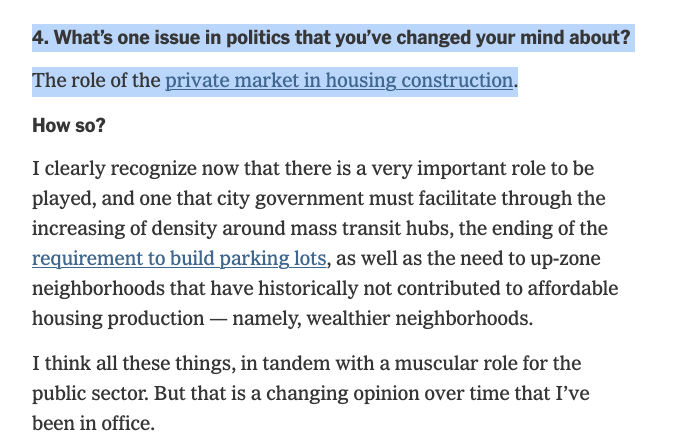
The New York TImes: What’s one issue in politics that you’ve changed your mind about?
Zohran Mamdani: The role of the private market in housing construction.