The Dutch have had to learn how to build housing at scale, @CiaranMeers writes in today’s @ProgressIreland newsletter.
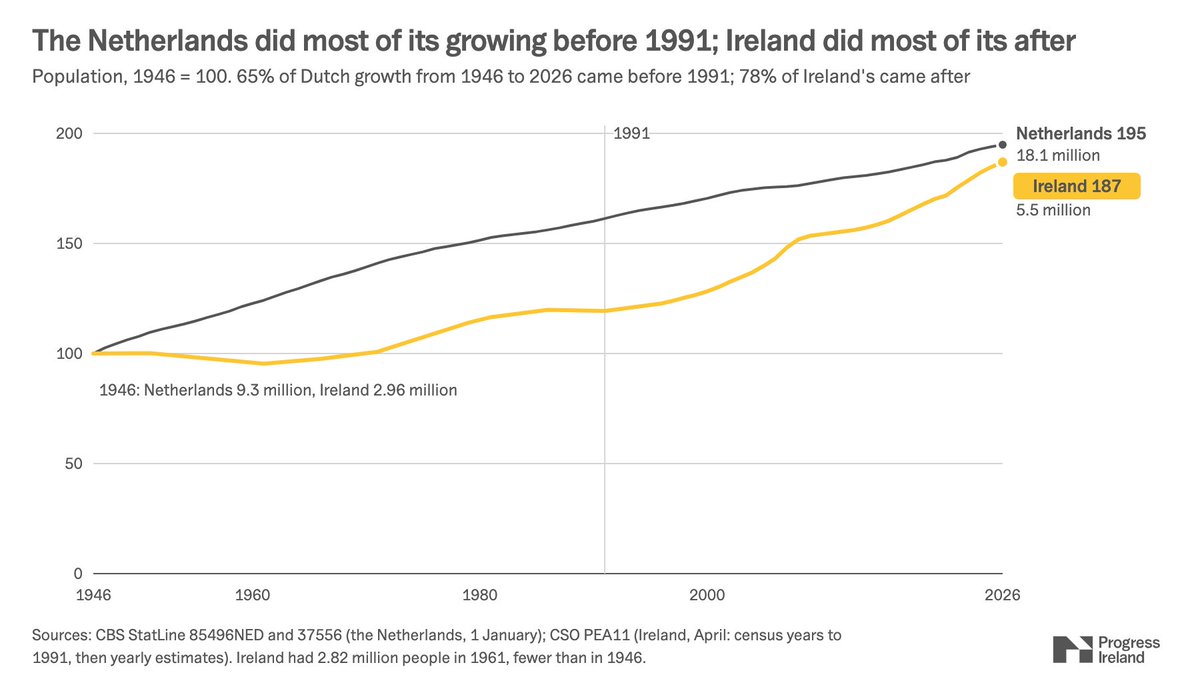
After the war, The Netherlands' population boomed.
We're getting Stoneybatter-style housing. This 2006 Dutch neighbourhood (Brandevoort) shows how to do it.
✅ Windy streets
✅ Frequent greenery
✅ Cars inside the block
✅ Beside train line so lots of people can live in a walkable area -- 140 units/ha net
The Galway ring road: Congestion in Galway is as bad as in Cork and much worse than in Limerick and Waterford. The slowest speed in the morning on the main roads around Galway is 62% of the speed at night. In Cork it’s 53%. In Limerick and Waterford it never goes below 92%.
The Government has been told it has “no other option” but to build a new railway line into Dublin, if it wants to relieve congestion on the M50.
https://t.co/ff2hFFWVUx
This is the key chart. If you keep slamming cars into the M50, throughput drops a little bit but average speed drops a lot. In a couple of years the whole thing could move at 30kph
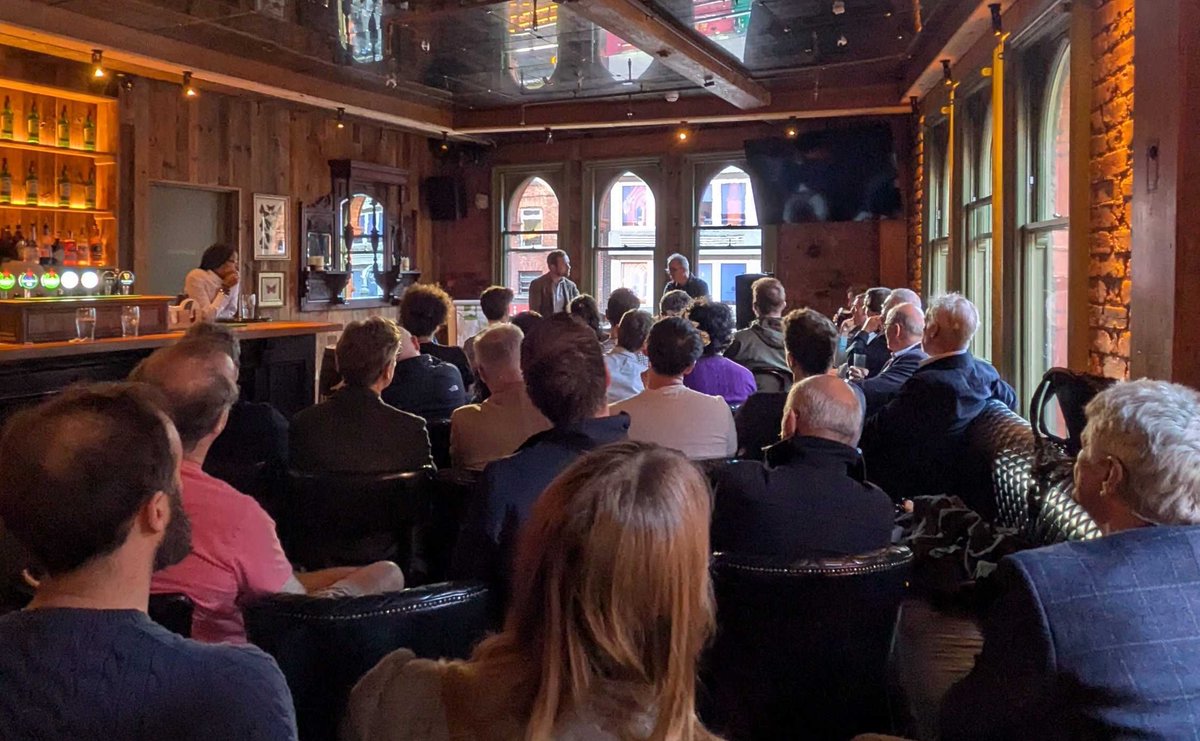
Join us on Wednesday 28th October at 5.30pm for Progress Ireland’s monthly meetup. @Keyes will kick things off with a short talk on how Ireland can escape its certain fate of endless traffic.
Register to save your seat: https://t.co/ijLgfpAA3l
I was nominated for some of my writing for @ProgressIreland. The winners were a paper on the effects of Irish rent control, and a report on demography.
https://t.co/UA3QS7Ndgv
https://t.co/KHNfpwxesP
https://t.co/jo4qT4DYfb
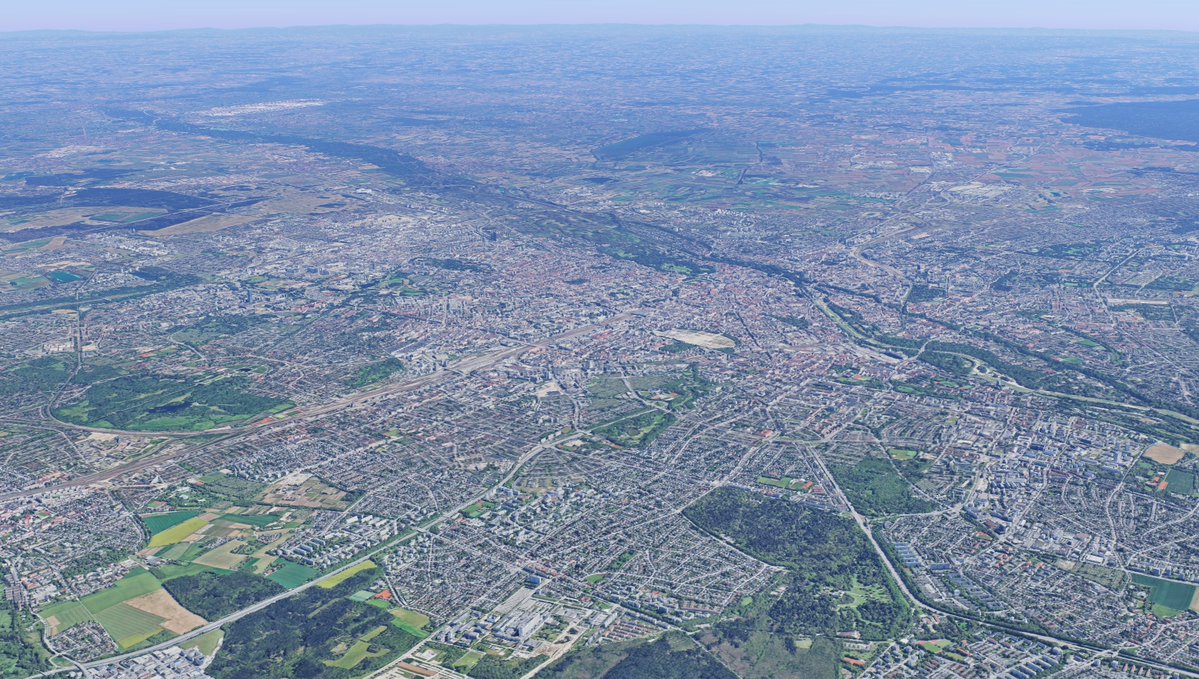
Dublin is on track for 3m people. Do we want it to be:
A city with a strong centre accessed by rail, like Munich (on the left...)
OR...
A city with jobs spread out along highways like Dallas (right)?
Without deliberate planning and investment, we'll end up more like Dallas.
Without its own gas storage, Ireland is vulnerable to shortages. Ireland is planning to build a liquefied natural gas (LNG) storage facility, called the Strategic Gas Emergency Reserve, but this could take years. The planning application for it is due by the end of this year. Until it’s built, Ireland runs the risk of running out of gas, or paying soaring prices to plug an emergency gap.
In the worst-case scenario, the UK could run out of gas. That could happen if winter is colder than forecast and Russian gas that currently supplies the European market is cut off. The result would be rolling blackouts across Ireland and the UK.
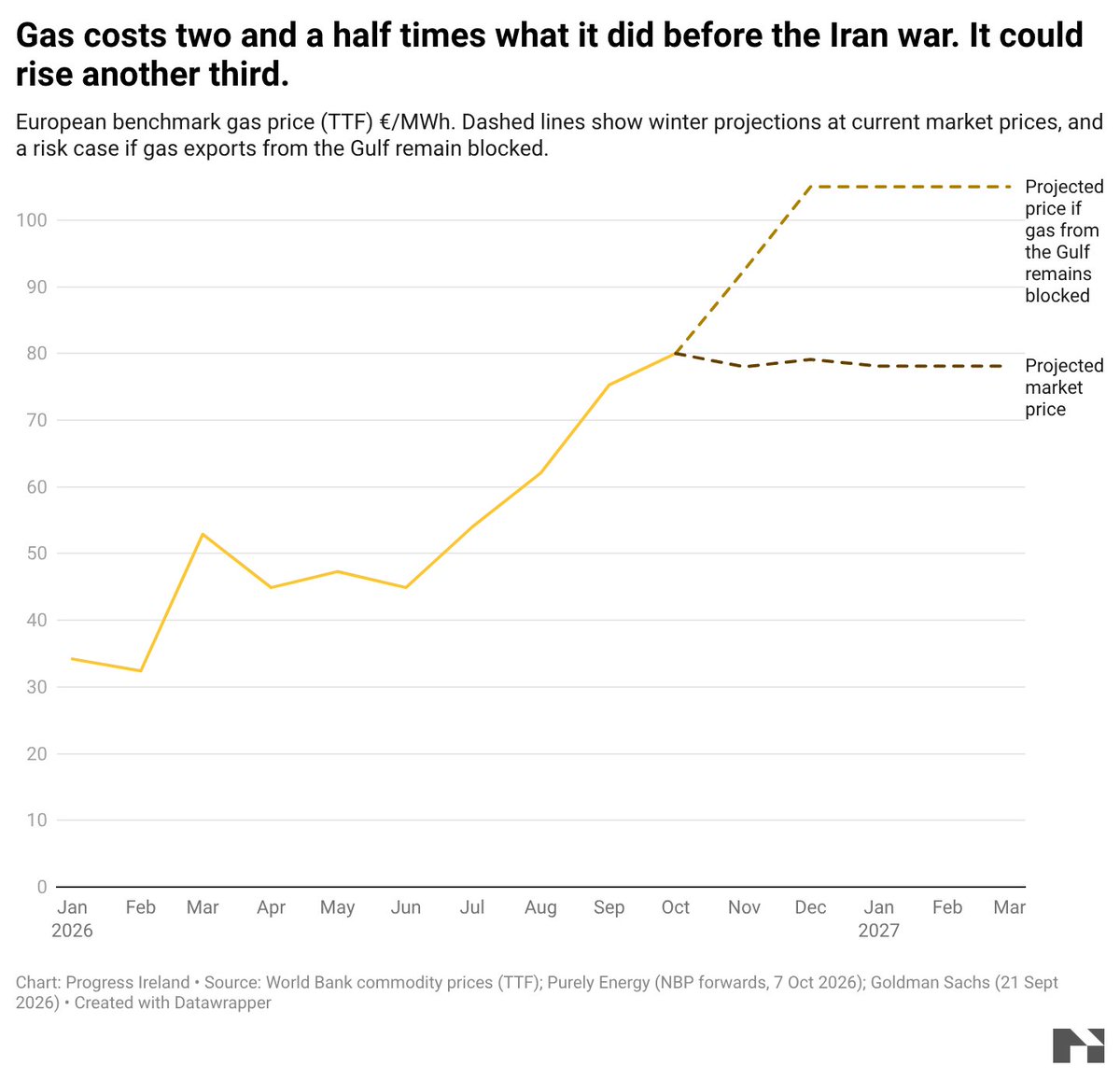
Even if it doesn’t come to blackouts, Ireland might have to quickly buy gas on the open market at a time of global shortage, leading to very high prices to keep the lights on and homes warm. Gas now costs two and a half times what it did before the Iran war and could rise a further 30 per cent if gas exports from the Gulf remain blocked this winter.
This holds even if the commuters drive electric vehicles, for two reasons. Firstly, the electricity that powers the car isn’t emission-free. Almost half of Irish electricity comes from burning natural gas.
Secondly, electric cars take more emissions to create than petrol or diesel cars. This isn’t to say that EVs aren’t better for the environment than petrol or diesel cars, they are. But not driving at all is a much cleaner option than driving an EV to work every day.
Environmental planning rules make it harder to build upwards, even though it’s the most climate-friendly way to add new homes.
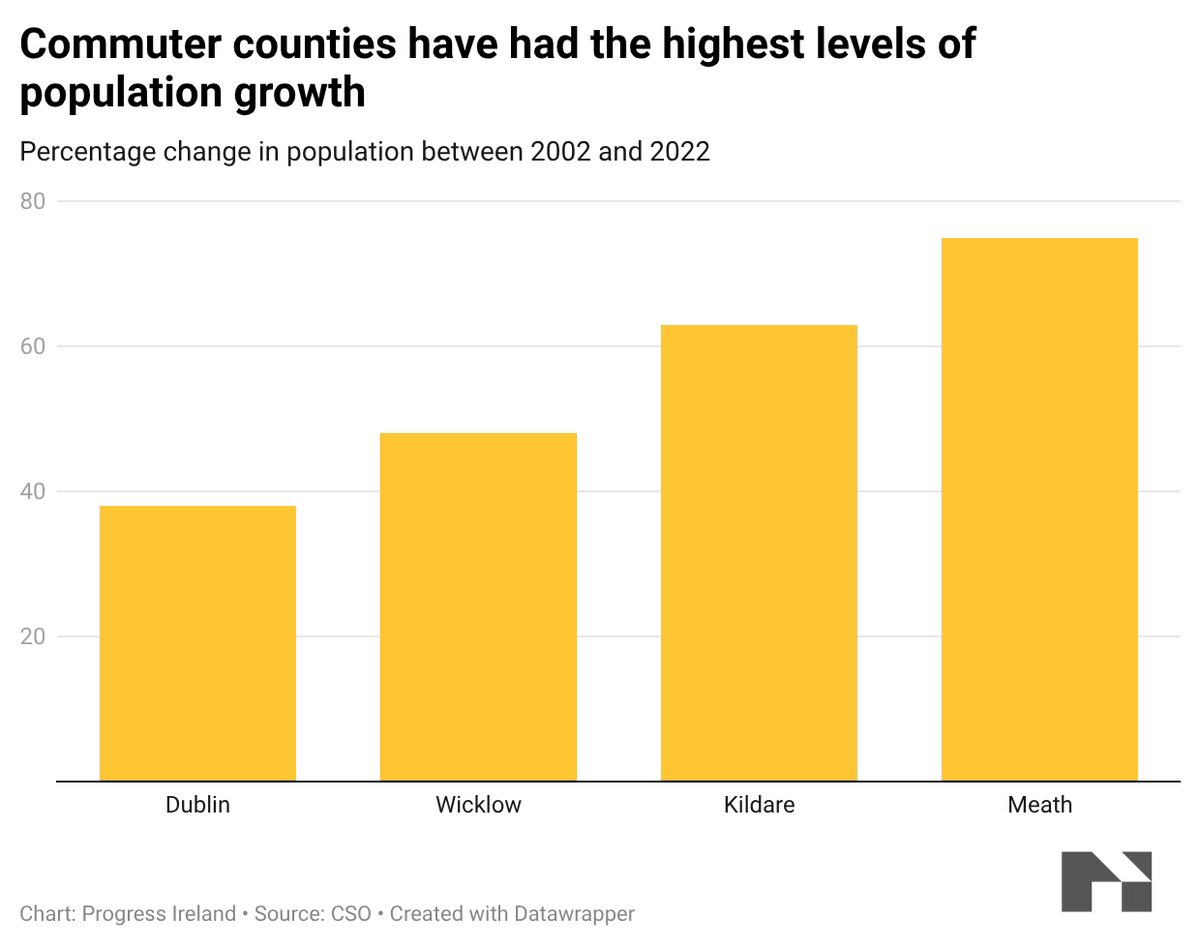
Take Dublin. It has limited space available to accommodate everyone that works in the city. So people move further out to commuter towns in Kildare, Meath, and Wicklow. They travel long distances to get to work, or see family and friends.
But rebuilding at higher density saves on emissions. Imagine a single-family home in the suburbs with an energy rating of F. The owner could keep the house as is, retrofit it to bring it up to an A rating, or demolish it and build three apartments.
To understand the carbon impact of these options, consider where the three households that could potentially live on this plot would otherwise live. One of them will live on the plot in the existing or retrofitted home. But if the home stays as just one dwelling, the other two households need to live elsewhere.
Suppose they end up living in single family homes in commuter towns, and need to commute 30 minutes by car every day to work. Their daily commute would release far more greenhouse gas than building a new apartment block in the suburbs.