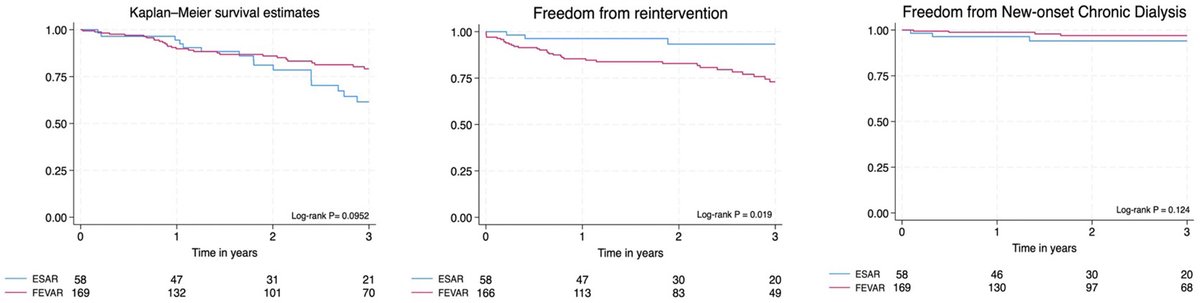
🔬 New study compares ESAR vs FEVAR for treating AAA with tough neck anatomy:
✅ ESAR: Lower 30-day mortality & fewer reinterventions.
✅ FEVAR: Fewer Ia endoleaks, but higher reintervention risk.
Key insights for better decision-making in vascular care. https://t.co/dK1MtQbvAe
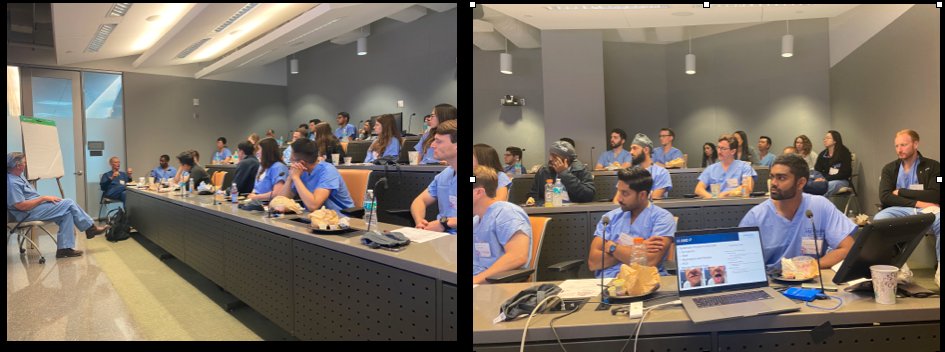
Very strong showing from our team at #SCVS2025 in Austin! 👏
Congratulations to Drs. Fereydooni, @CabotMD, @KeyureeS, Zahiri & Ho for their stellar presentations.
Special shoutout to Dr. @CabotMD for winning 2nd place in the Karmody Poster Competition! 🏆
@SCVS1969
What do retinas 👀 and knees 🦵 have in common?
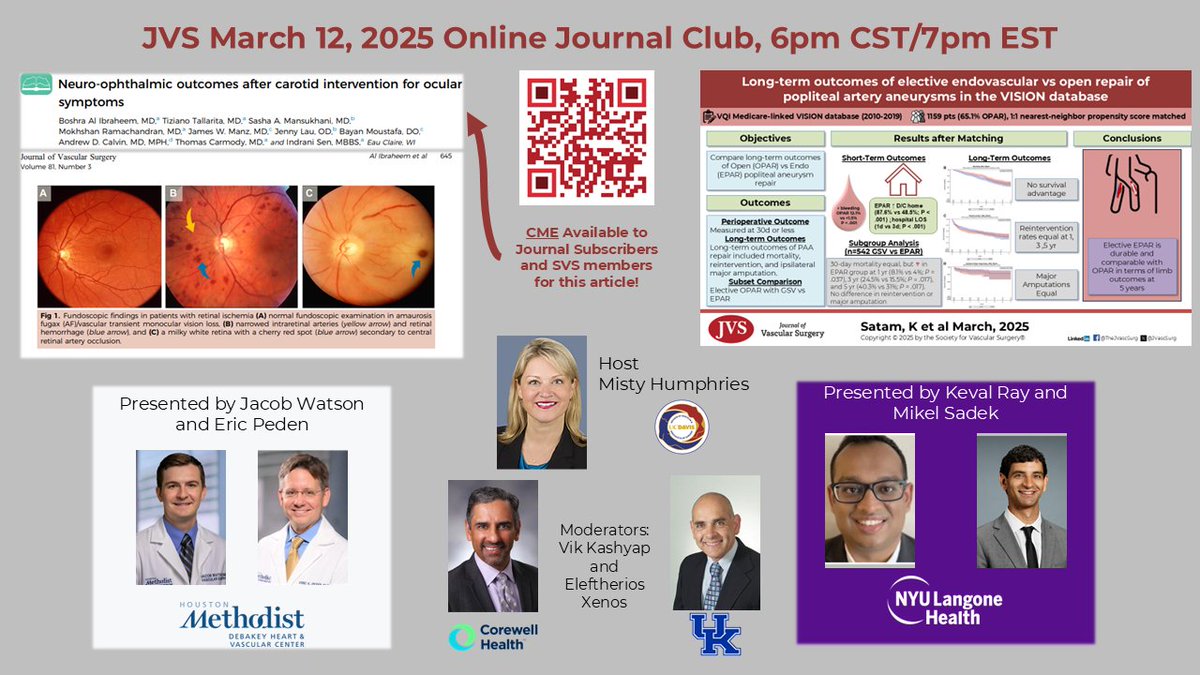
OK, not much, BUT there are two excellent articles up for discussion March 12, 2025 7PM EST. Register here for the JVS/SVS online journal club! https://t.co/kv2rACwkko
🔬 Exciting discussions ahead! Join the SVS JVS online journal club on March 12, 2025, at 6 p.m. CT. Explore the latest research on popliteal artery aneurysms and carotid interventions with Houston Methodist and NYU Vascular. Register now and be part of the conversation!
🩺 PGY2 Resident Dr. @KeyureeS's article published in the Journal of Vascular Surgery: “Long-Term Outcomes of Elective Endovascular versus Open Repair of Abdominal Aortic Aneurysms,” compares EPAR vs. OPAR for popliteal artery aneurysm repair.
🔗: https://t.co/sCQcyv4FPo
WE MATCHED! Please join us in welcoming our new categorical interns: Baylee Bakkila, Serena Bidwell, Paulina Gutkin, Reine-Marcelle Ibala, Grace Klaris, David Krist, James McDermott, and Kevin Nee 🎉
#match2024
Excited to share our case on hybrid repair of a traumatic innominate artery pseudoaneurysm from my time at @StanfordVasc as a sub-i. Coming full circle seeing it in print now as an intern here! @ChandraVenita@sabinasorondoMD@michaelpaisle11 https://t.co/8m8L2V4Kfc
Hey @FutureVascSurgn ! Are you an MS4 applying vascular surgery this cycle? Interested in doing an away rotation @StanfordVasc? Feel free to DM me with any questions you might have, or just to say hi! We can’t wait to meet you ✨🪢🦵
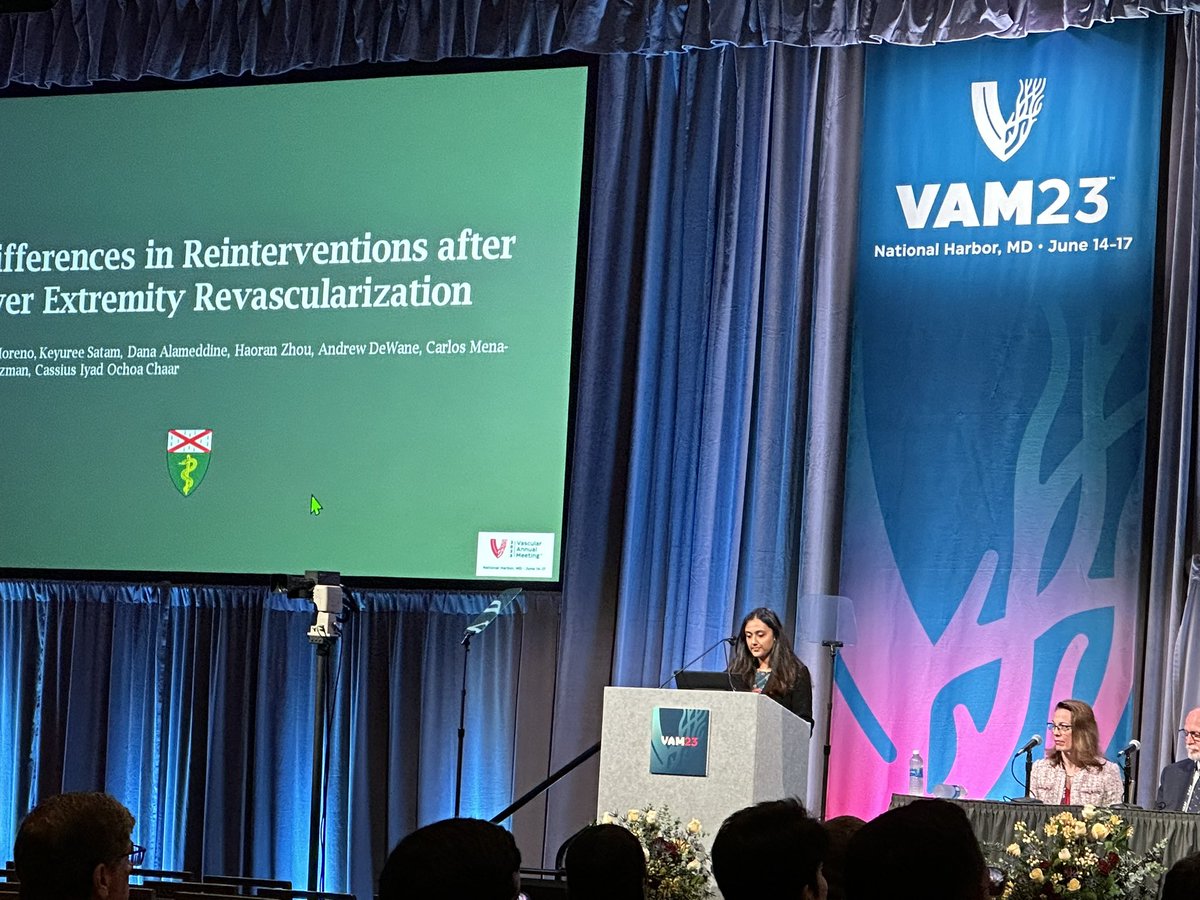
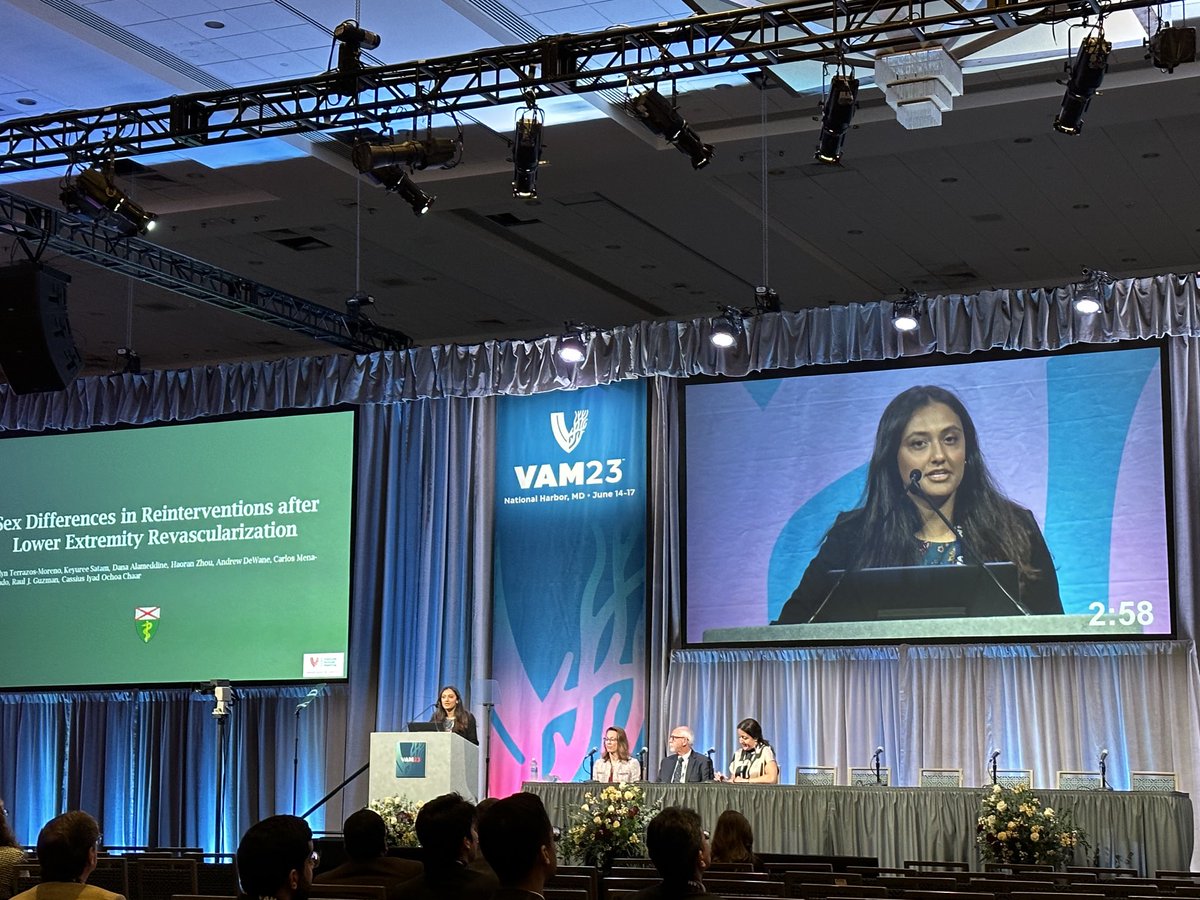
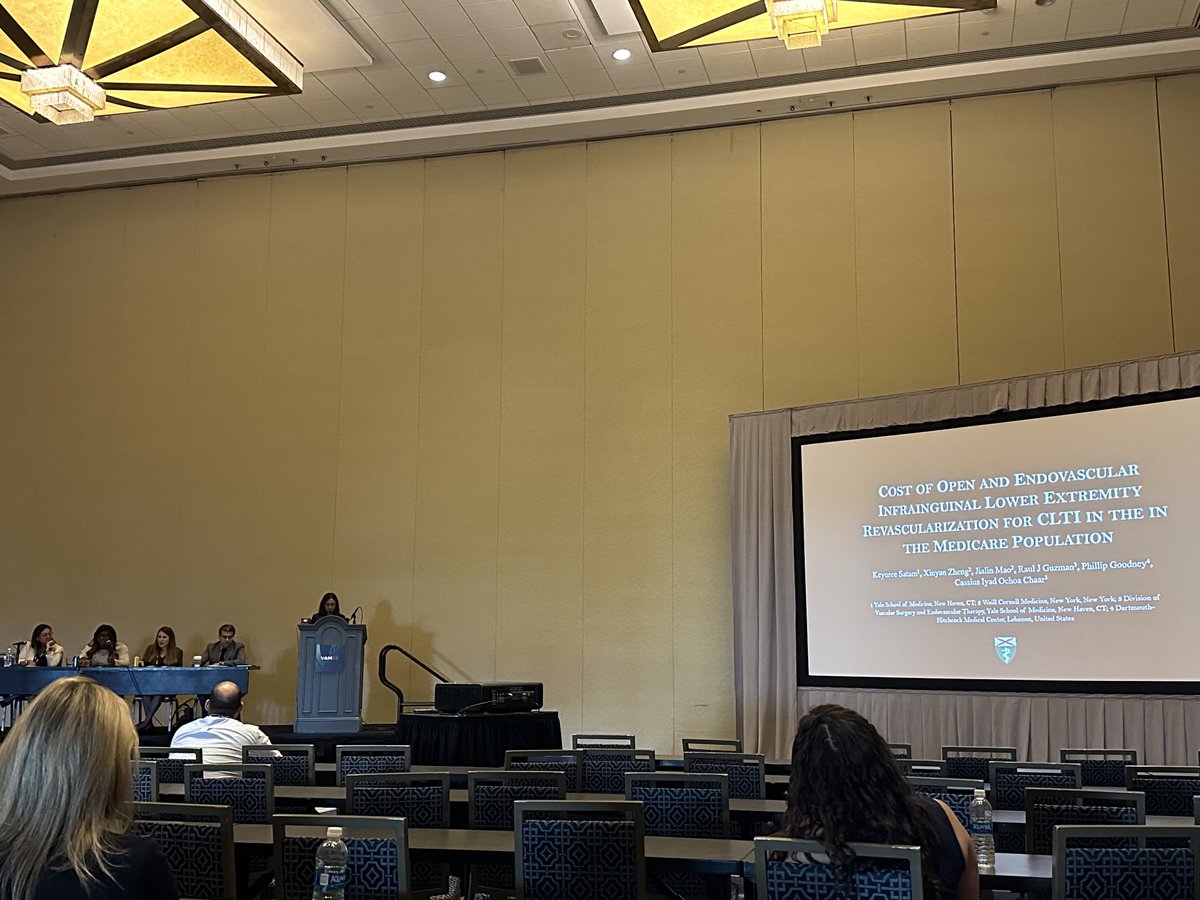
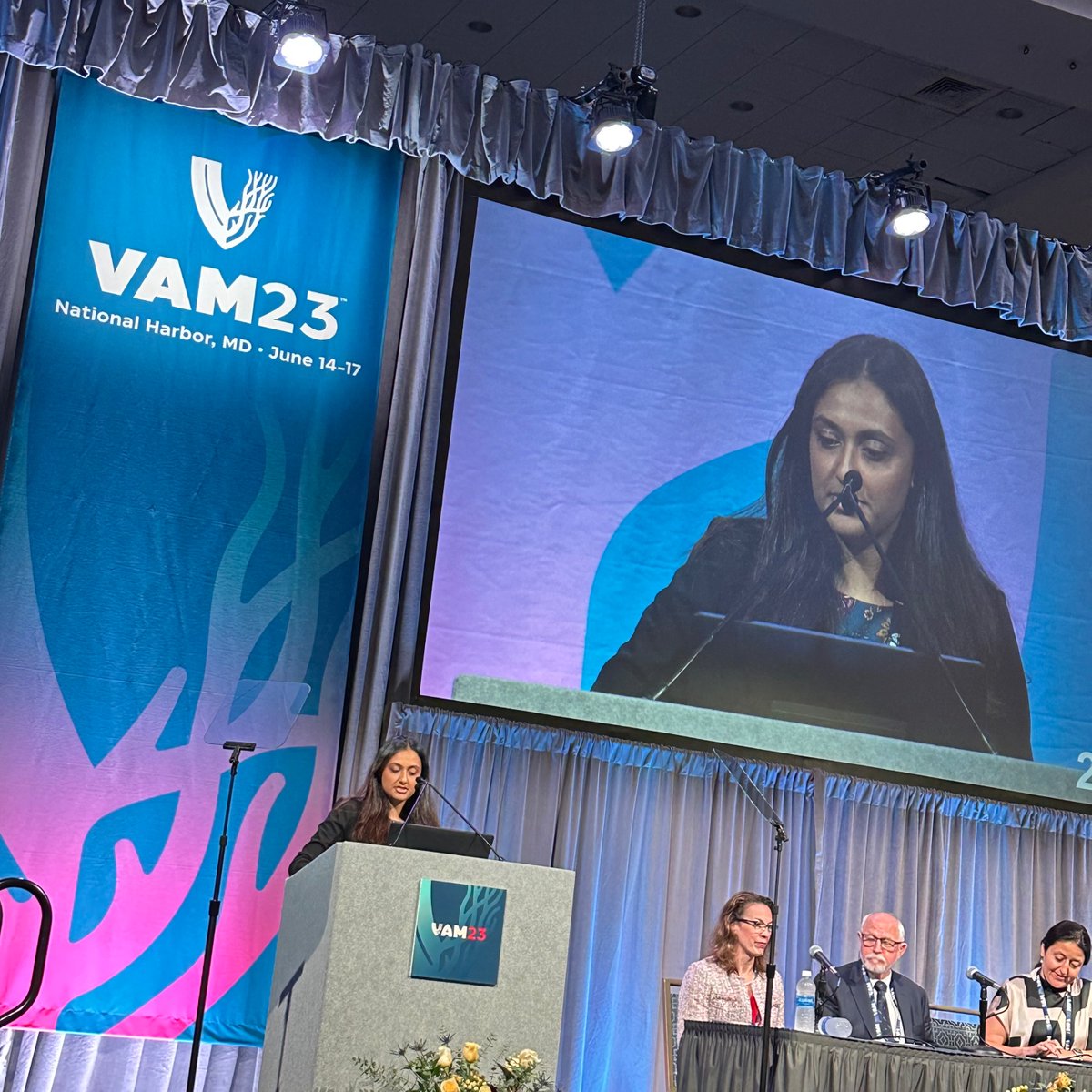
Incoming intern @KeyureeS presenting her work with Cassius Iyad Ochoa Chaar, MD looking at sex differences in reinterventions after lower extremity revascularization. Females had more reinterventions with no changes in long-term mortality or amputation risk. @StanfordSurgery