Download your free copy of Fundamentals of Frontline Surgery free from:
https://t.co/O8lXwy6dKd
And also order Trauma: Code Red from:
https://t.co/THI2Ua8JJp.
We spend a great deal of time talking about prolonged field care, evacuation denial, scarce skills, and logistics. These are important conversations. But too often, something fundamental is quietly left out.
The most important resource on the frontline is not equipment, platforms, or doctrine.
It is the soldier.
Not as a concept or a capability, but as a person. Someone’s partner. Someone’s child. Someone who is deeply loved and willingly placed themselves in harm’s way to carry out decisions made far from the point of contact.
Prolonged field care is not a strategy. It is a consequence of circumstance. The burden of that consequence is carried by the injured individual, not by the system that debates it.
When we design medical capability, the casualty should never be a residual risk. They should be the centre of gravity.
If we want soldiers to trust the institution that sends them forward, we must show, through our planning and our actions, that no stone is left unturned to give them the greatest possible chance of survival.
Anything less is a failure of perspective.
https://t.co/c539beFIVl
“When power bends a nation to one person’s will, democracy survives only as a stage prop, shining like truth while hiding its own illusion.” #ThoughtForTheDay
We must never become the “Monday morning quarterback.”
It is far too easy to critique a medical intervention performed under fire when you were not the one being shot at, not the one taking cover, not the one balancing survival with saving a life.
Most ordinary people would be running.
These individuals stood their ground.
Yes, we must learn lessons. Yes, we must improve. But there is a way of doing that, with respect, with context, and with humility. Harsh judgement from those who were nowhere near the threat is corrosive.
If you were not there, be careful how you speak.
And if you think you could have done it better, the solution is simple:
go and do it yourself.
https://t.co/jPR812Axyk
Everyone is excited about drone evacuations, autonomous vehicles, and “next-generation” extraction systems.
But let’s be honest: most of this is blue sky thinking.
In a near-peer fight, weaponry and countermeasures evolve far faster than medical systems ever can.
They always have, and they always will.
Drones can be jammed, spoofed, intercepted, or destroyed.
Autonomous ground systems can be predicted and neutralised.
Rail-based evacuation can be halted with one strike.
These solutions might work for weeks… before the enemy adapts and switches them off.
Instead of chasing “funky” technological fixes, we need a fundamental shift in how we think about frontline care.
Not more gadgets, new doctrine.
We must stop imagining casualties magically appearing at hospitals.
We must build medical capability that works inside the killzone, not outside it.
The next leap in combat casualty care won’t be a machine.
It will be a mindset.
https://t.co/QbrkoCrGui
Celebrating the UAE’s 54th National Day — Eid Al Etihad.
Honouring the unity of the seven emirates and the pride shared by everyone who calls the UAE home.
Preparing for deployment isn’t about one scenario anymore.
It’s about three entirely different worlds:
Contingency. Humanitarian. Kinetic.
Each demands different skills, different instincts, and a different emotional stance, yet the same team must be ready for all of them without warning.
Contingency requires discipline without complacency.
Humanitarian work requires empathy without paralysis.
Kinetic operations require clarity without fear.
The constant across all three is preparation that becomes identity, not a checklist.
We don’t get to choose the world we walk into.
We choose how ready we are when it arrives.
https://t.co/yOOAPIlqdH
The most powerful asset in any organisation isn’t technology, money, or buildings.
It’s people.
The team you stand beside shapes your judgement, your resilience, and the quality of your decisions.
Good teams amplify you.
Toxic teams diminish you.
If you want to build capability that lasts, invest in people first.
Everything else is temporary.
https://t.co/3xNSrdJjKS
Major trauma. Remote settings. Seconds to act.
Iqarus delivers expert Damage Control Resuscitation (DCR) — controlling bleeding, stabilising patients, and buying time for surgery.
The right care. Right now.
https://t.co/Y8U6KIX3mV
From injury to hospital — safely, swiftly. Iqarus paramedics deliver expert pre-hospital care and evacuation in the world’s toughest environments. On foot, by road or in the air, they’re the link that saves lives. https://t.co/Y8U6KIX3mV
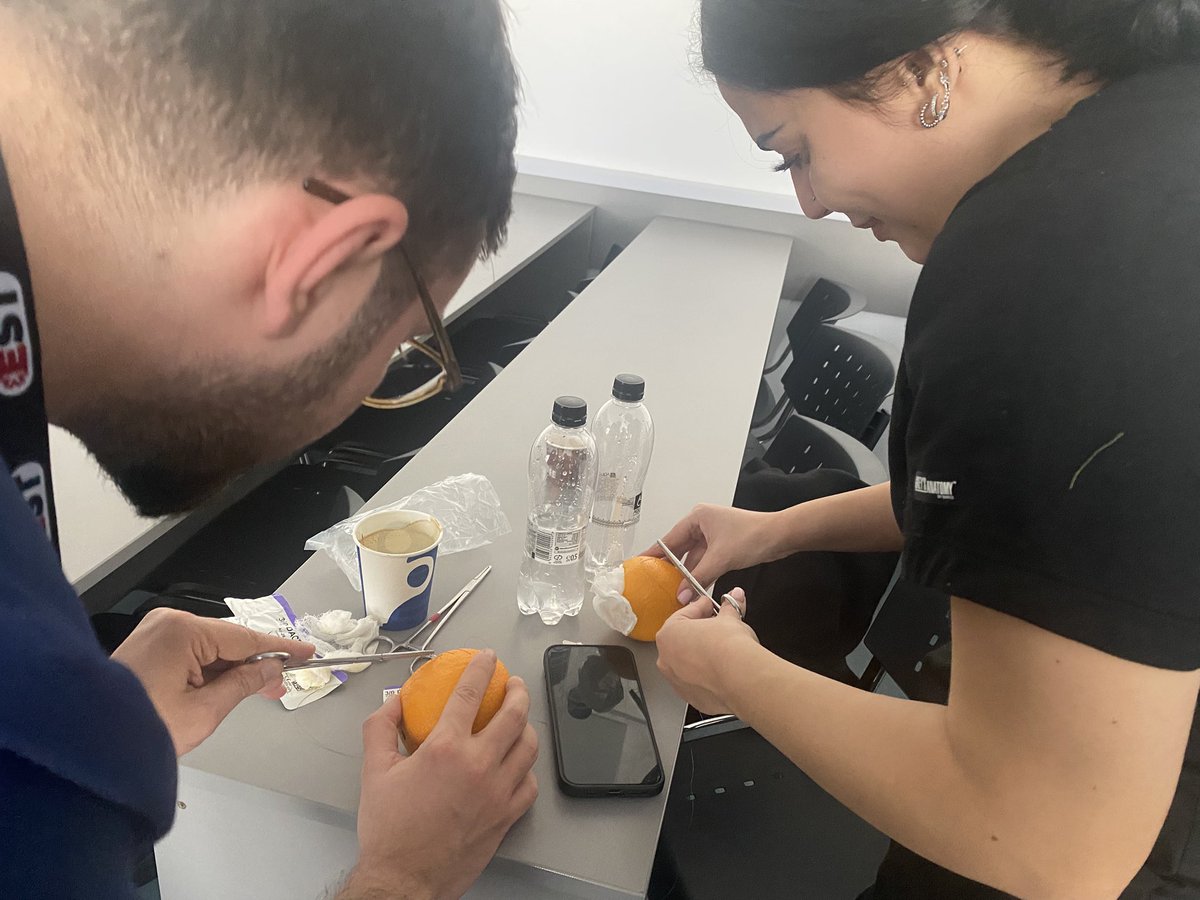
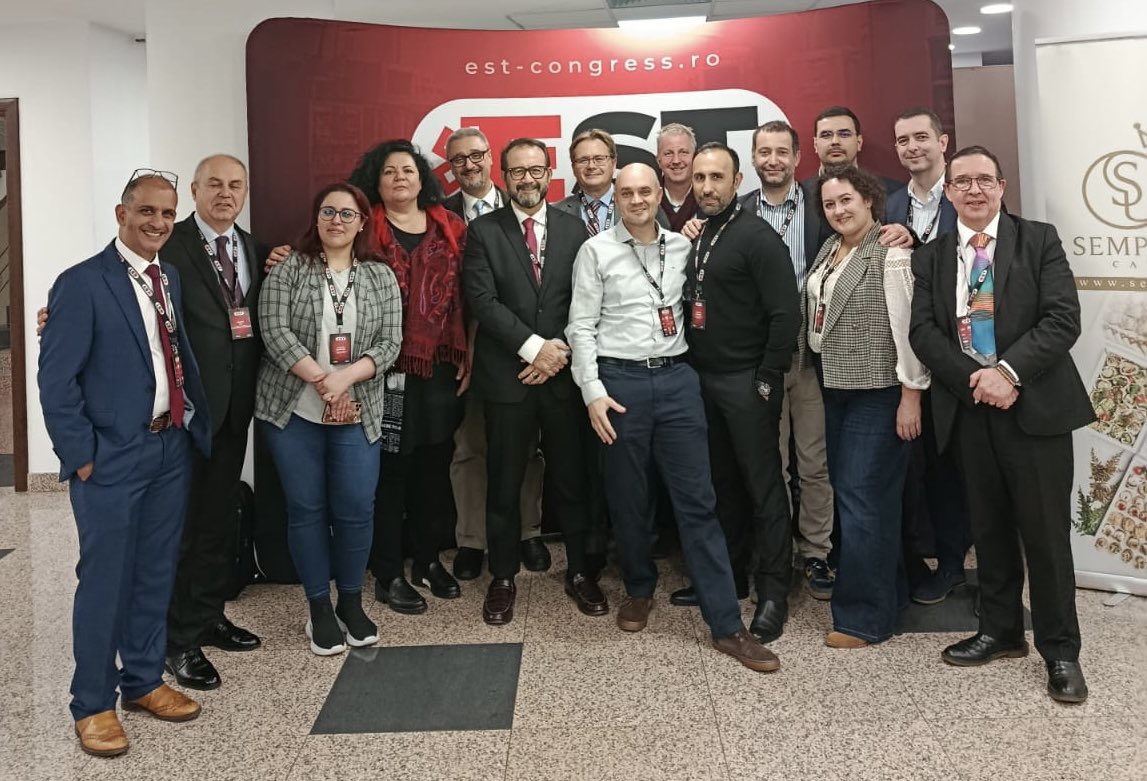
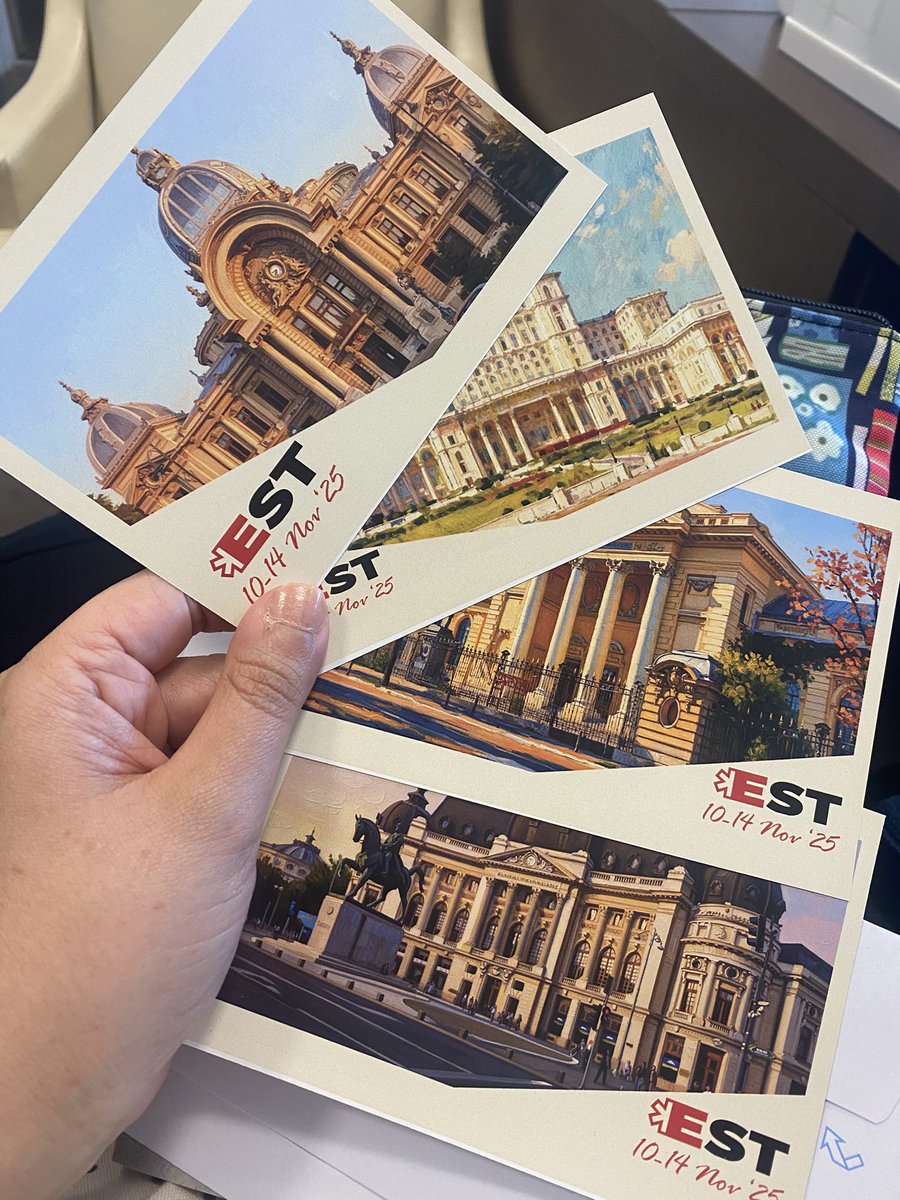
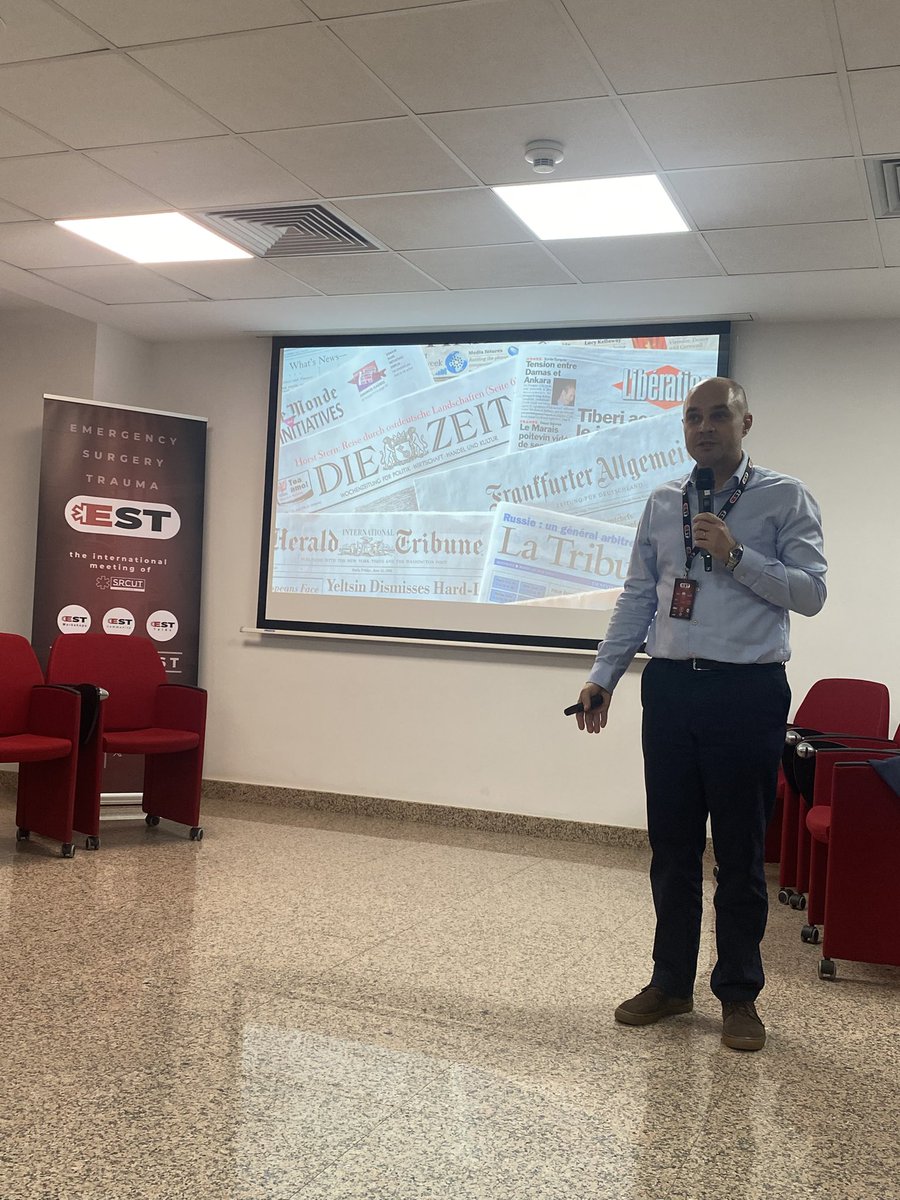
A new standard for trauma conferences worldwide. #ESTCongress was perfect in every way.Exemplary scientific program & organization.I was very impressed by the enthusiasm of the surgical residents
Thank you @alexandrucarap for an unforgettable experience
#SoMe4Trauma#SoMe4Surgery
A world class congress in Bucharest Romania, #ESTCongress
Innovative and engaging content, impeccable organization, and great leadership from @alexandrucarap and the team
https://t.co/ydVcA6tjPc
#SoMe4Trauma#SoMe4Surgery