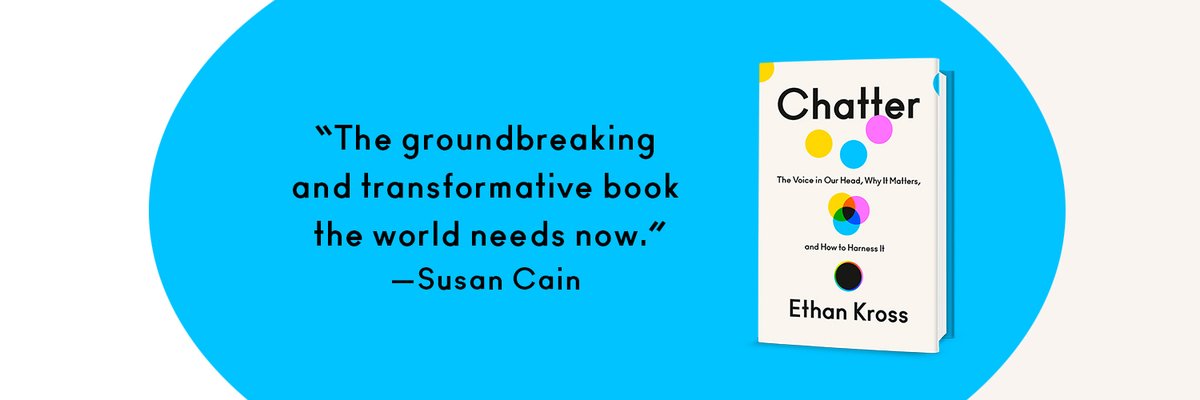
After many years of writing, I’m excited to share that CHATTER releases today!
If you’re interested in learning about why we talk to ourselves, how those conversations shape our lives, and how they can be harnessed for good, check it out: https://t.co/kwLEmiSuTx
New episode of @StanfordPsyPod!
@ethan_kross’s work has always been a tremendous source of inspiration to me, and it was such a pleasure talking to him about his research!
Hope you enjoy our conversation as much as I did!
Check this new paper by Eva Bamps, @SigmaLeuven & @ccp_leuven colleagues. About the stats methods, we applied Bayesian mixture model-based clustering procedure to intensive longitudinal data & we investigate the robustness of the results applying stability selection
HUGE RESOURCE THREAD INCOMING
I have discovered a multitude of helpful research-related tools over the course of my #PhD - this is a thread with all of them! 🔥
📚 Bookmark this thread and feel free to add more tools in the comments!
#AcademicTwitter#phdlife#AcademicChatter
How much does sleep vary from night-to-night? A quantitative summary of intraindividual variability in sleep by age, gender, and racial/ethnic identity across eight-pooled datasets
https://t.co/0ve14WxaK1
Our YouTube channel offers a bunch of free data science and machine learning workshops!
Learn how to build
- a deep-learning recommender
- an unsupervised anomaly detector
- operationalize your notebook and put a model in production
and more -> https://t.co/XKcJy5VOFG
1/3
✅You like R?
✅You do #ESM/#EMA/#EMI research?
This new m-Path feature might interest you!
1) Use R-code inside #EMA/#EMI surveys
2) Do real time computations in app
3) Immediately adapt your survey OR intervention based on result!
More: https://t.co/kb9GLOrvAu
One R function that I forget about and maybe you do too: reformulate() can take a character vector and turn it into the right-hand side of a model formula (and you can add the outcome too). eg:
reformulate(c("var1", "var2"), response = "outcome")
I read some article about an academic wunderkind who answers all his email and works till 11 pm six nights per week, and was the youngest person ever tenured at his uni. About 70% through:
“The division of labor in Grant’s own marriage is very traditional; his wife…
New meta-analysis of depression prevention trials (50 trials; n = 14,665) finds that, on avg, prevention programs reduced depression incidence by 19% (most follow-ups were ~ 1 year) https://t.co/7ULDt5zgu5
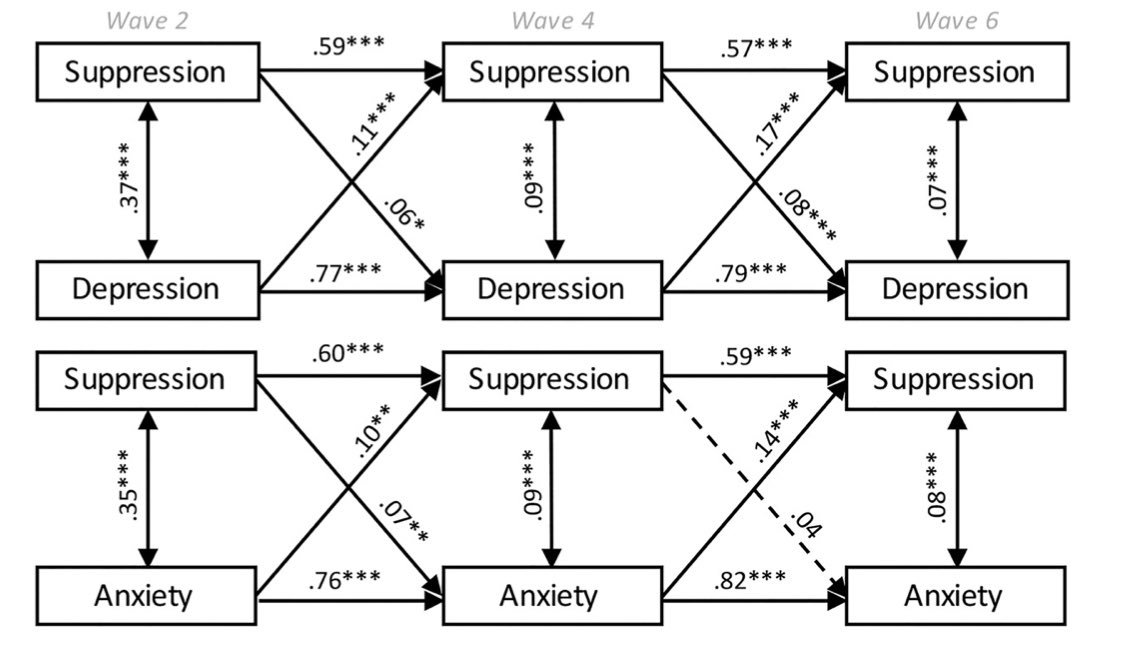
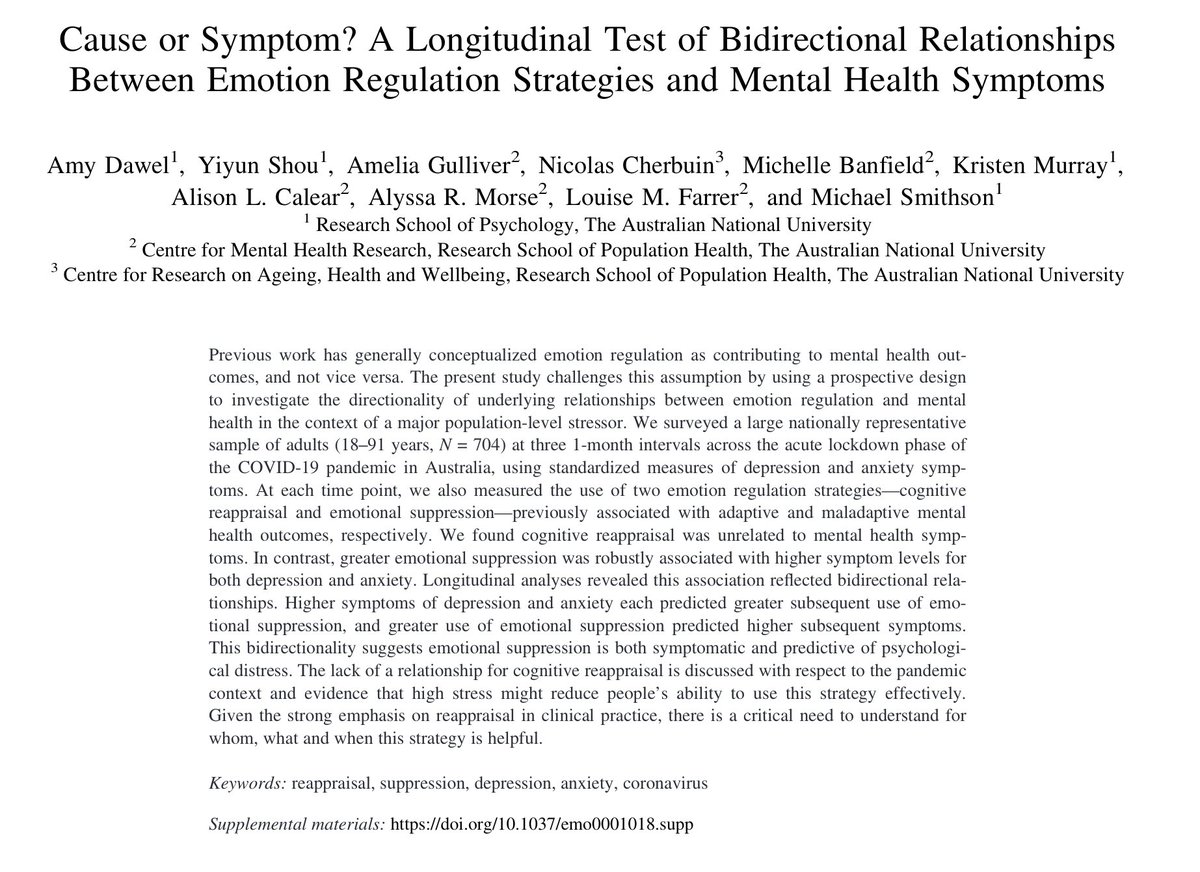
Is suppression a driver or a symptom of psychological distress?
This longitudinal study suggests that it could be both. The link between suppression and mental health symptoms reflects a bidirectional relationship across the 3-month period:
https://t.co/ELL78JNNWO
Emotional intensity predicts regulatory choice in the lab, but what about real life?
Like in the lab, people are less likely to reappraise when faced with intense stressors. But in real life people favor rumination (vs distraction) when passions run high:
https://t.co/nh9hCdrodj
This is what it took me until my last year of grad school to realize. I’m still regularly overwhelmed by how much I don’t know, but I no longer suffer from the delusion that everyone else in my position knows 5x more than me.
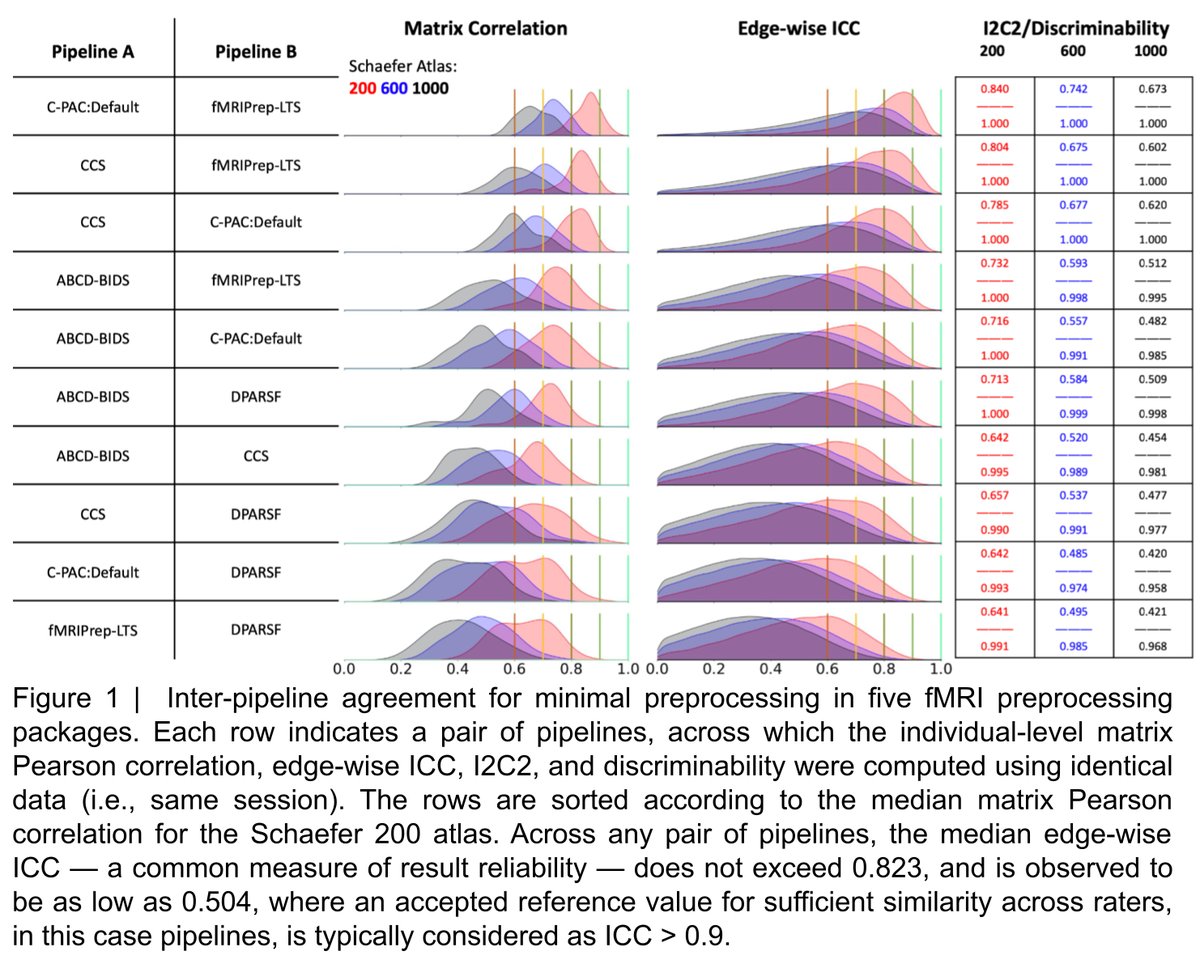
What is the next stumbling block for neuroscience in achieving reproducible brain-behavior relationships? A sobering look at how differences in processing pipelines and seemingly innocuous decisions can drive findings apart, as well as potential solutions
https://t.co/310EUxLJYd
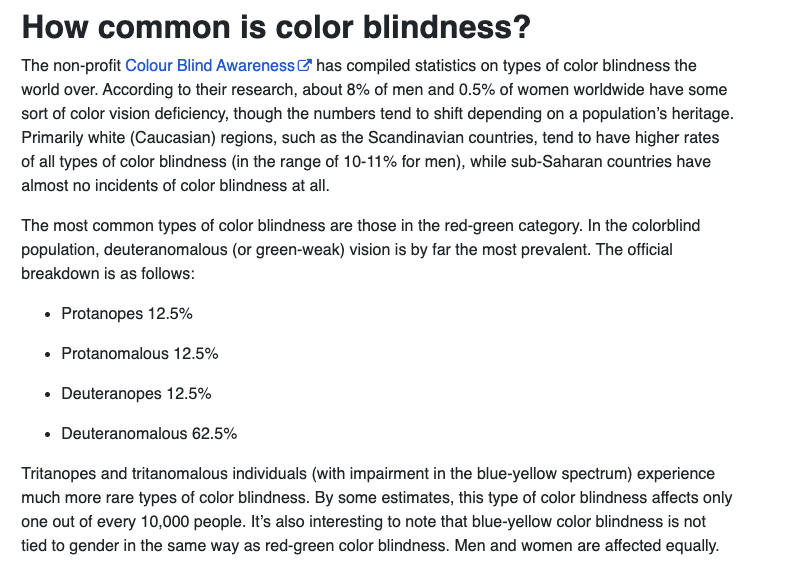
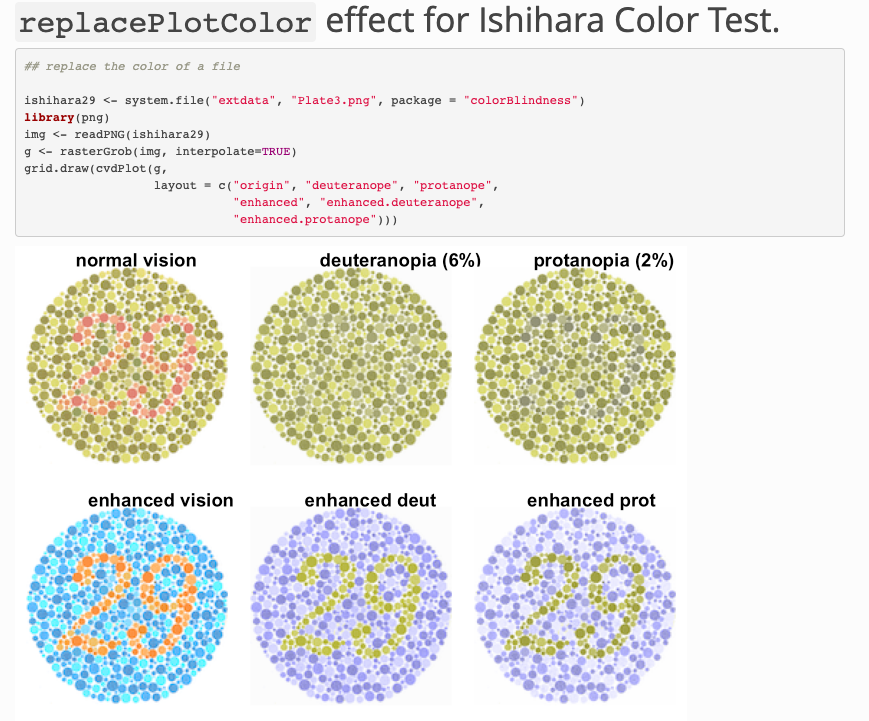
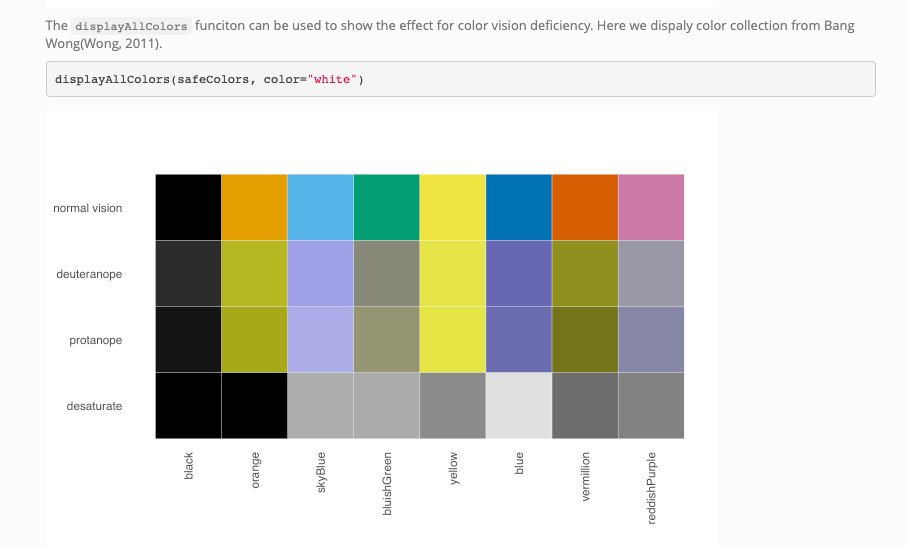
When creating plots or graphics, consider that at least 12% of people are color blind.
Use colorblind friendly palettes. Avoid Red-Green.
See https://t.co/U4OEAQynlm
For PCA, t-SNE or UMAP, where color is often used to distinguish clusters, circle and label clusters.