1936. Saskatchewan starts growing rapeseed, and nobody eats it.
Then the war arrives and the navies have a lubrication problem. Steam turbines run wet, and ordinary lubricants slide off wet metal. Rapeseed oil does not. It clings to a wet surface better than anything else available, which makes it, for about six years, a strategic material. Canada plants it by the thousand acres. The oil goes into the engines of ships.
Then the war ends. The ships stop needing it. Canada is left with a crop, a farm lobby, a crushing industry and no customer.
There is an obvious customer sitting right there, three times a day. The problem is the oil. Rapeseed oil is 40 per cent or more erucic acid, and by 1956 the questions about erucic acid have turned awkward: fed at high levels, it produces lesions in the heart muscle of animals. Health and Welfare Canada recommends conversion to low erucic acid varieties. Read that sentence again in the right voice. This is not a food that developed a health claim. This is a lubricant that developed a mouth.
So they breed it. Through the early 1960s Canadian plant breeders isolate lines low in erucic acid. In 1968 Baldur Stefansson at the University of Manitoba produces one. In 1973 the industry agrees, voluntarily, to cap erucic acid at 5 per cent in anything sold as food. In 1974 come the first double-low varieties, with the erucic acid down and the glucosinolates down: the two things that had made the plant unfit for a human being to eat, bred out to specification.
The oil is now technically edible. It still has a name problem.
In 1979 the Western Canadian Oilseed Crushers Association registers the solution: canola. Canadian oil, low acid. Six years after that, in 1985, the American regulator draws the formal line and blesses it. Rapeseed oil is for industry. Canola oil is for humans. Same flower. Same yellow field you drive past in May. Same seed, bred down and given a passport.
Within twenty years it is one of the most consumed fats on earth, a heart-health icon, sold at eye level in a clear bottle, recommended from the good chair in the consulting room, poured into everything from crisps to infant food.
None of this is hidden. Every step is in the agricultural record: published, dated, dull, uncontested. A wartime engine lubricant with a heart-lesion problem was bred, renamed, reclassified and sold to you as the healthy option, and the whole operation took forty years and required nobody to tell a single lie.
They just needed a name you wouldn't ask questions about.
Bitcoin crashed from $0.17 to $0.01
Then from $32 to $2
Then from $266 to $63
Then from $1,166 to $170
Then from $19,783 to $3,122
Then from $68,891 to $15,479
Then from $126,272 to 57,734
One day it'll crash from $1M to $500k
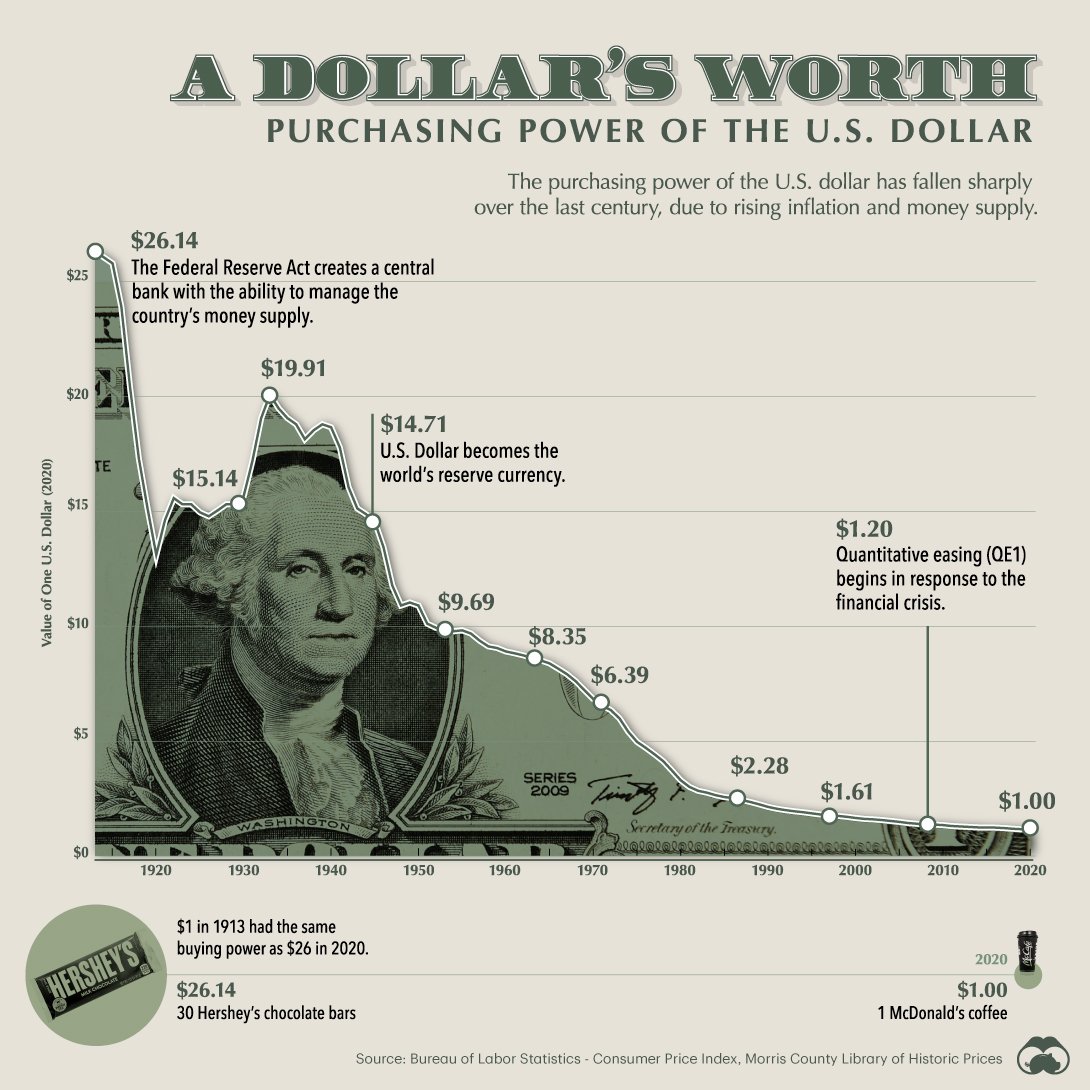
I'd rather just hold USD because it's stable
@DivnipotentDawg@PeoplesReserve There’s also a PRN token page which can explain the Loyalty tiers / thresholds to maintain them. If you get stuck on any details, you can contact us directly from the website with your questions and we would be happy to review any questions that you may have.
@DivnipotentDawg@PeoplesReserve I rec checking out the website. https://t.co/xeHf8RZj2T read more about the two Bitcoin Powered Mortgages and check out the SRM / BMR calculators. You should be able to run your numbers and see how they impact your costs.
@DivnipotentDawg@PeoplesReserve Peoples Reserve created these products to solve problems the CEO experienced in the tradfi marketplace.
Correct, I meant to say Buyer not seller. With BPMs there’s no fractional reserve. PR sees bitcoin as pristine collateral, not a risky asset. No rehypothecation. Ever.
@DivnipotentDawg@PeoplesReserve The BMR is unique in that the lender and borrower split the escrow in this reserve based on average loyalty tier during the life of the loan. When the value of the borrower's portion of BMR meets the balance of the loan, the BTC is liquidated, and you own the home free and clear.
@DivnipotentDawg@PeoplesReserve Bitcoin is held in its own dedicated bankruptcy remote account with our strategic partner and qualified custodian, BitGo. The BTC escrow in this product is referred to as the Bitcoin Mortgage Reserve.
@DivnipotentDawg@PeoplesReserve The idea here is seller can avoid selling their Bitcoin by directly utilizing it in the mortgage structure preventing a taxable event which is the case in a conventional loan process.
@DivnipotentDawg@PeoplesReserve https://t.co/emtDIJdpLQ purchases the home in full, and immediately seller finances it back to you through an installment contract for deed. This satisfies the seller and puts you in the home on much better terms. Hope that helps!
@PeoplesReserve A 30 yr mortgage paid off in 8… The numbers don’t lie. The only problem BMR clients will have is what to do with all their time and money. A good problem to have if you asked me.