Grateful to complete dual fellowships in Abdominal Imaging and Nuclear Radiology at the University of Colorado. A full-circle moment, from studying Dr. Rumack’s textbooks as a trainee to graduating from the very department where she teaches. Thankful to the mentors, colleagues, and friends who made this journey possible.
Happy to see our work represented at #ASCO2026. Grateful to @mana1981 and @vpizzuti44 for the opportunity to contribute to this project and for a great collaboration.
1/ Came across a striking case of pseudomyxoma peritonei (PMP) — followed it up this phenomenal @RadioGraphics article https://t.co/54lmvCps1z. Sharing key takeaways and case images in this thread. 🧵👇
#Radiology#MedTwitter#RadEd#FOAMRad
1/
🧬 CTLA-4: The Checkpoint That No One Believed In
In the early 1990s, James P. Allison, an immunologist at UC Berkeley, was studying T cells when he stumbled upon CTLA-4 — a molecule thought to activate T cells, just like its cousin CD28. Most scientists believed it was just another co-stimulatory signal.
But Allison suspected otherwise.
“It was like everyone saw a brake and called it a gas pedal.” – James Allison
He did something few others had tried: he blocked CTLA-4 in mice with tumors and saw an explosive immune response — the tumors melted away. Proving that - rather than stimulating immunity, CTLA-4 was a brake on T cells.
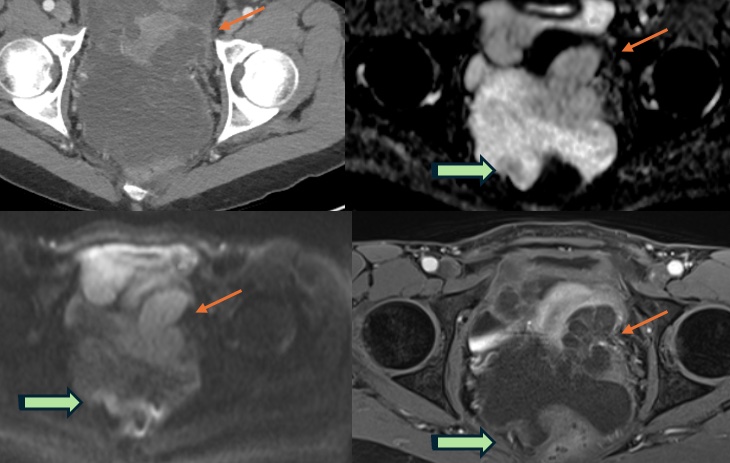
Bladder cancer – key risk factors & behavior:
• Smoking is the most important risk factor 🚬
• Exposure to aniline dyes, as they are metabolized in the liver but excreted in urine
• Among subtypes, papillary urothelial carcinoma is more common and generally less aggressive than non-papillary subtypes
Bladder diverticula carry a risk of malignancy due to urinary stasis.
Teaching pearl: diverticulum
Bladder diverticula lack muscularis propria
→ earlier extravesical spread
→ staging pitfalls & worse behavior
Does this diverticulum look sinister?
#Radiology #BladderCancer #UrothelialCarcinoma
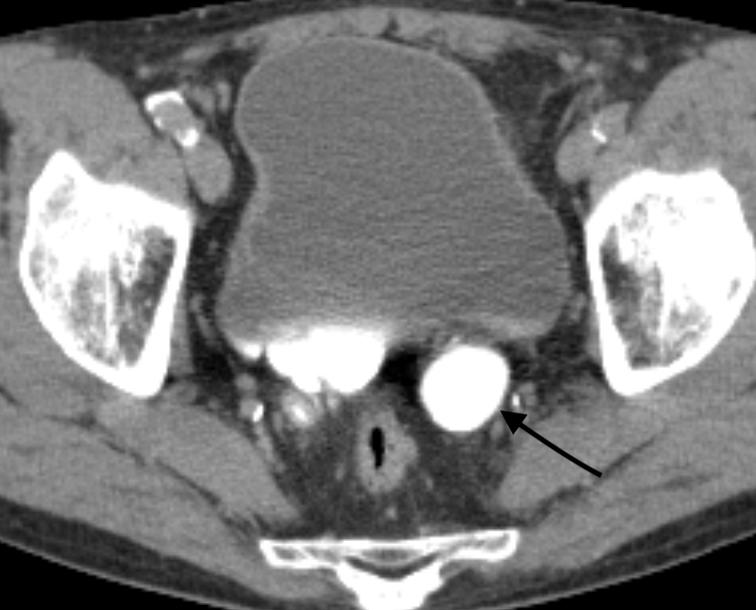
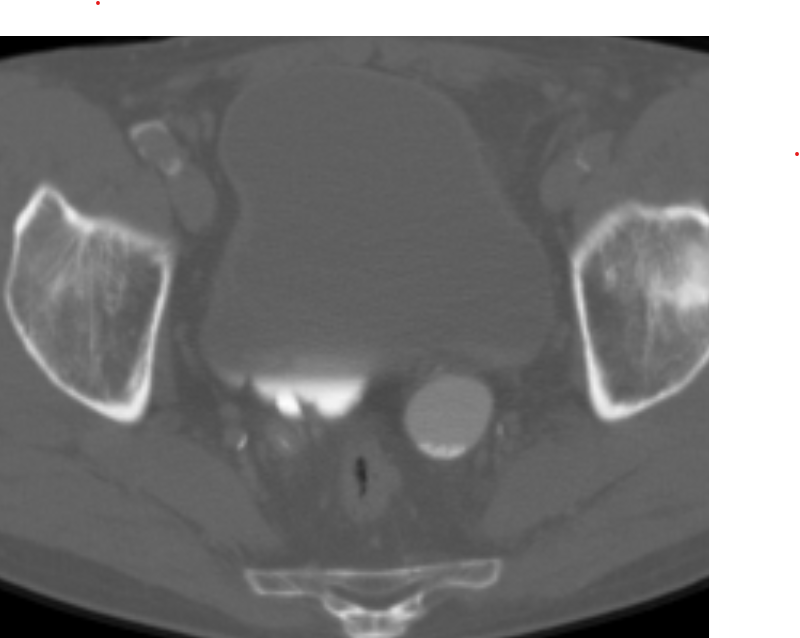
Can you spot what lies within the dilated left ureter (black arrow)?
In the absence of a non-contrast phase (as in many trauma studies), switching to the bone window can be helpful -- like in this case, it clearly reveals multiple ureteric calculi that were otherwise inconspicuous.
A small window change—big diagnostic payoff 🦴✨
#Radiology #CTtips
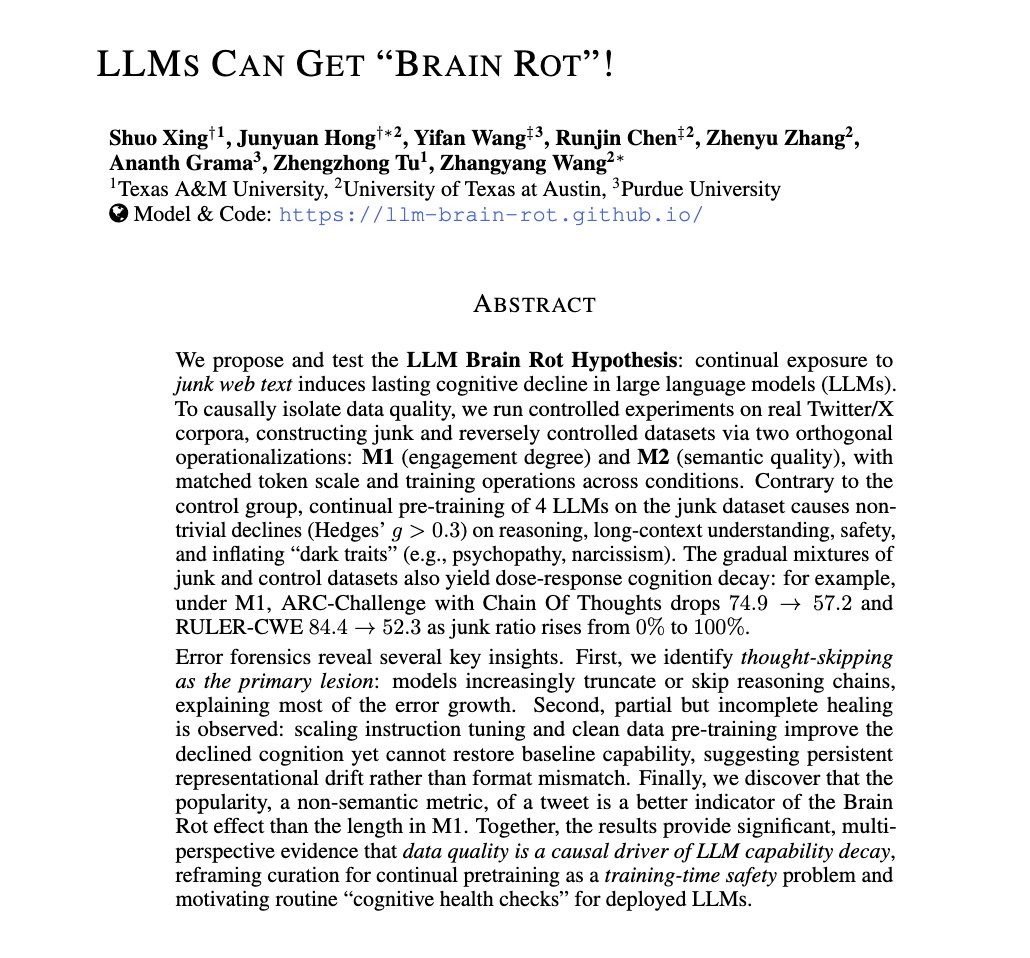
This might be the most disturbing AI paper of 2025 ☠️
Scientists just proved that large language models can literally rot their own brains the same way humans get brain rot from scrolling junk content online.
They fed models months of viral Twitter data short, high-engagement posts and watched their cognition collapse:
- Reasoning fell by 23%
- Long-context memory dropped 30%
- Personality tests showed spikes in narcissism & psychopathy
And get this even after retraining on clean, high-quality data, the damage didn’t fully heal.
The representational “rot” persisted.
It’s not just bad data → bad output.
It’s bad data → permanent cognitive drift.
The AI equivalent of doomscrolling is real. And it’s already happening.
Full study: llm-brain-rot. github. io
Beautiful example of fat containing inguinal hernia and Inguinal canal lipoma co existing. Remember ICL connects to extraperitoneal fat.
#FOAMrad#abdrad#radiology#radres
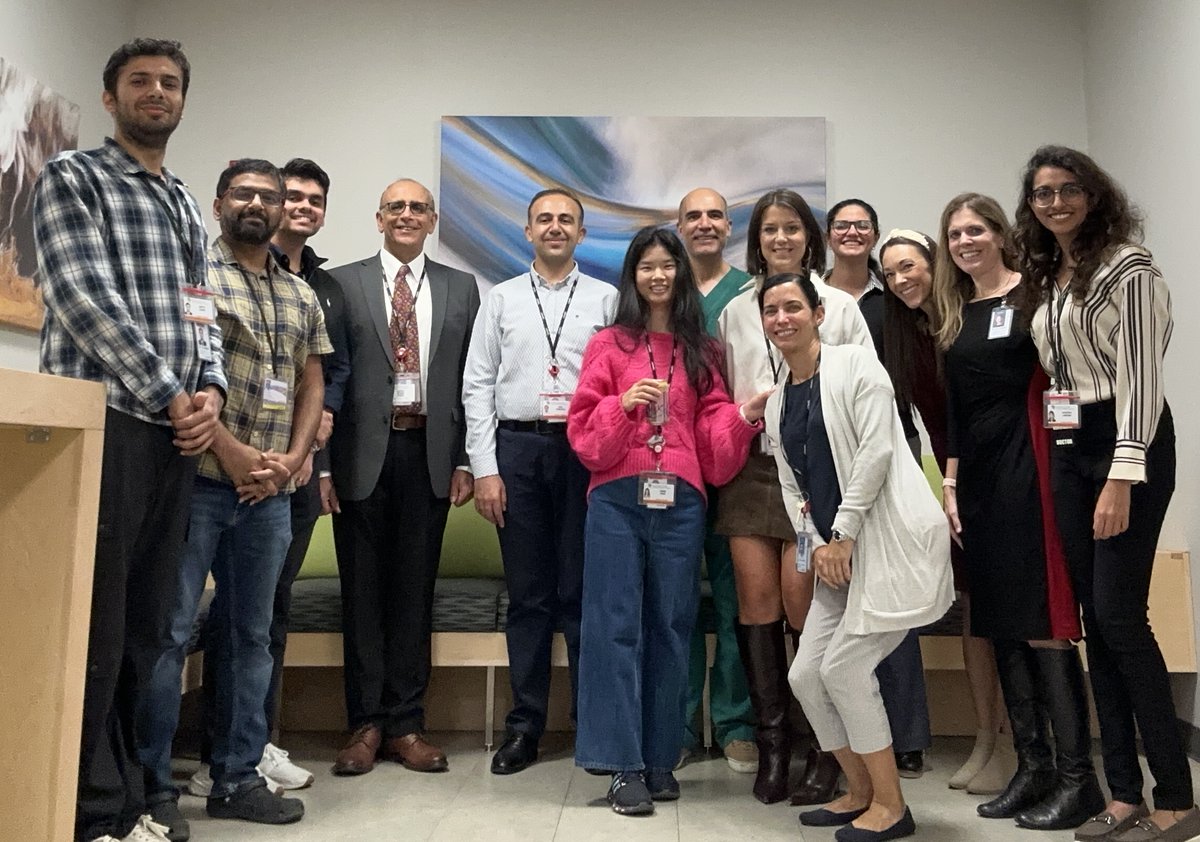
Great group! Casual social last evening to welcome our growing cohort of @ABR_Radiology#AlternatePathway fellows here @CURadiology. Thanks to our terrific program coordinators & PDs who support them in their unique journeys in #RadEd!
#RadCommunity
11/
📷 Why Imaging Follow-up Matters
Unlike older criteria, new or enlarging lesions post-immunotherapy do not automatically mean progression.
✅ Follow-up imaging is crucial
⏳ It confirms whether it’s pseudoprogression or true progression
🗓️ Always re-image after 4+ weeks before changing treatment plans.
1/
🧬 CTLA-4: The Checkpoint That No One Believed In
In the early 1990s, James P. Allison, an immunologist at UC Berkeley, was studying T cells when he stumbled upon CTLA-4 — a molecule thought to activate T cells, just like its cousin CD28. Most scientists believed it was just another co-stimulatory signal.
But Allison suspected otherwise.
“It was like everyone saw a brake and called it a gas pedal.” – James Allison
He did something few others had tried: he blocked CTLA-4 in mice with tumors and saw an explosive immune response — the tumors melted away. Proving that - rather than stimulating immunity, CTLA-4 was a brake on T cells.
10/
🕒 Immunotherapy Response ≠ Immediate Shrinkage
Clinical responses to immunotherapy can be delayed — what appears as tumor growth might not be true progression.
📌 Key Point:
Wait for two follow-up scans, at least 4 weeks apart, before concluding progression or failure of therapy.