@hsshspinfj@KristerVasshus@Carlsbergfondet Yes, the first question we discussed (put by Morten Warmind) was “what is religion”. This is a definition that has consequences for our possibilities with archaeology.
What exactly is a "sacral landscape"? and (how) can we study religion in prehistory? My @Carlsbergfondet research project, Landscape of the Gods has been running 1 1/2 years, and I feel more doubtful now than when I started.
After the intense days, I am exhausted, inspired and excited. I look forward to continued work with the group and expanding the network and ideas we have formed.
More will follow.
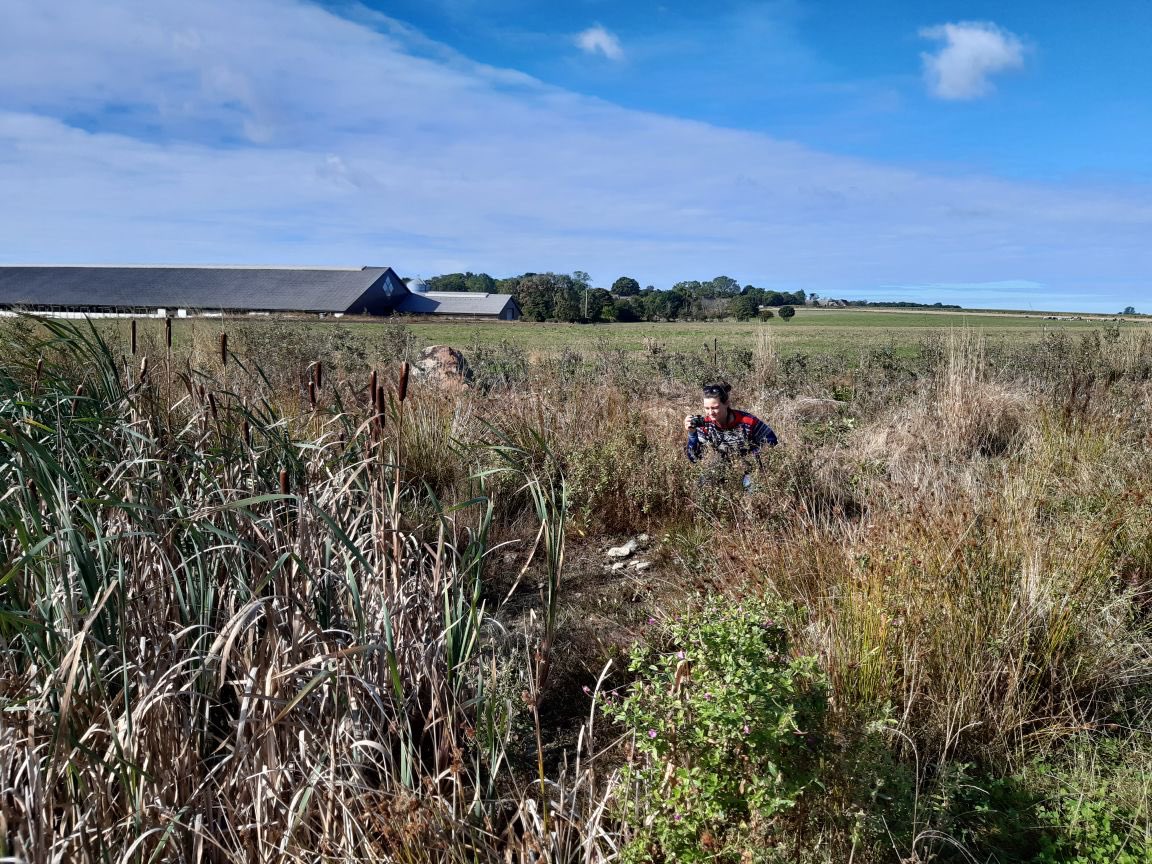
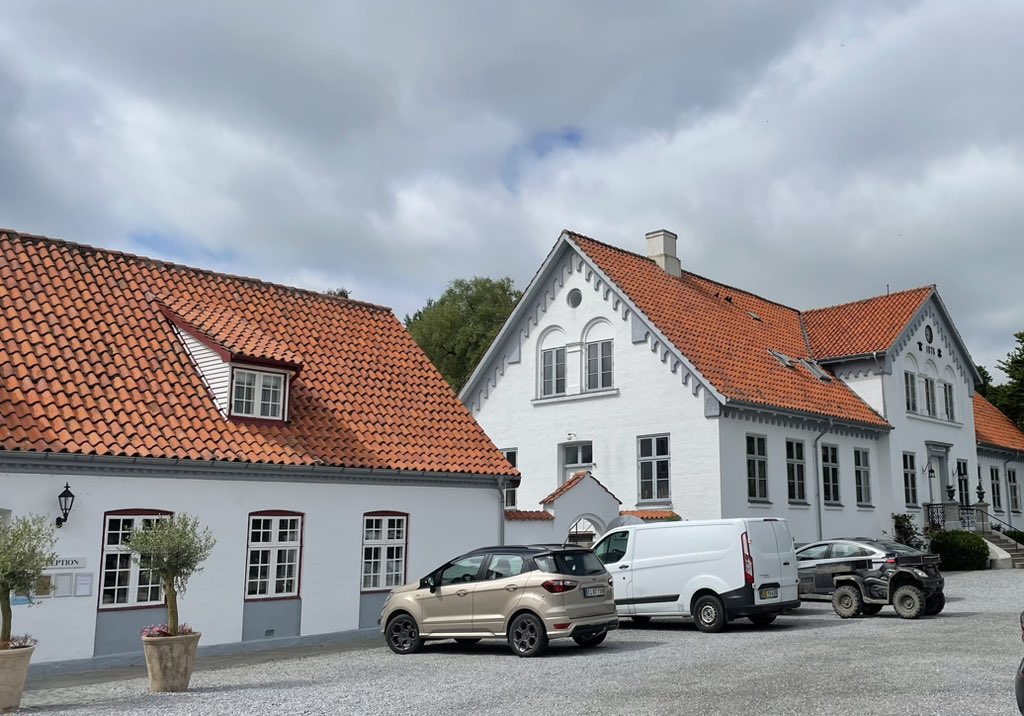
That is why this week, Pernille and I hosted a workshop with support from seed money from the Krogager Foundation and @Nationalmuseet. We had the opportunity to bring together a group of people to strengthen this particular debate - and to make plans for a way forward.
Lost in transition: The runic bracteates from the Vindelev hoard. https://t.co/JVAvx72AUI
The academic article @lisbethimer and I have been writing about the runic inscriptions on the Vindelev gold has now been published in the latest edition of NOWELE. 1/6
De nordiske myter var og er stadig levende fortællinger, der (gen)fortolkes hver gang de fremføres. Forleden var jeg i Anmelderne på P1 med Amalie Langballe og Mathias Hammer for at diskutere det Kongelige Teaters forestilling Ragnarok i Ulvedalene: https://t.co/PCHF1lJHb6
Hvordan ser en forsker i jernalder og vikingetid på det @kglteater's forestilling om Ragnarok i Dyrehaven? Vores @LAlbris anmelder i https://t.co/t4pfdlsZ91 #dkkultur#dkscene#dkteater
En feature af @DFF_raad om mit kommende #SapereAude-projekt hvor jeg skal undersøge jernalderborge på Bornholm med en gruppe dygtige kolleger. Vi glæder os til at gå i gang!
Havde Bornholm en vigtig militærstrategisk position i jernalderen? Sofie Laurine Albris fra @Nationalmuseet vil med et nyt #SaperAude-forskningsprojekt undersøge de skjulte jernalderborge, og gøre os klogere på deres betydning. #dkforsk
Læs mere her 👇
https://t.co/qKRkB6iMS2
@jonashjaeger@KristerVasshus The short answer is no. No deity names were used as personal names. In the Viking Age, deity names come in as first elements in Scandinavian names, mainly Frey and Thor. One Viking Age woman in Uppland is named Odin-Disa, where Odin- is considered a sort of characterising prefix.
iʀ Wōd[i]nas weraʀ
He (is) Óðin’s man
The runic inscriptions on one of the Vindelev bracteates from the 5th century has been a wonderful discovery. One of them will get some attention today.
https://t.co/ZlYqOZeGK8
1/9
Ikke sjelden tenker jeg på den britiske rettshistorikeren Harry Potter, som fikk livet sitt ødelagt av en under middels fantasyforfatter for snart 30 år side.
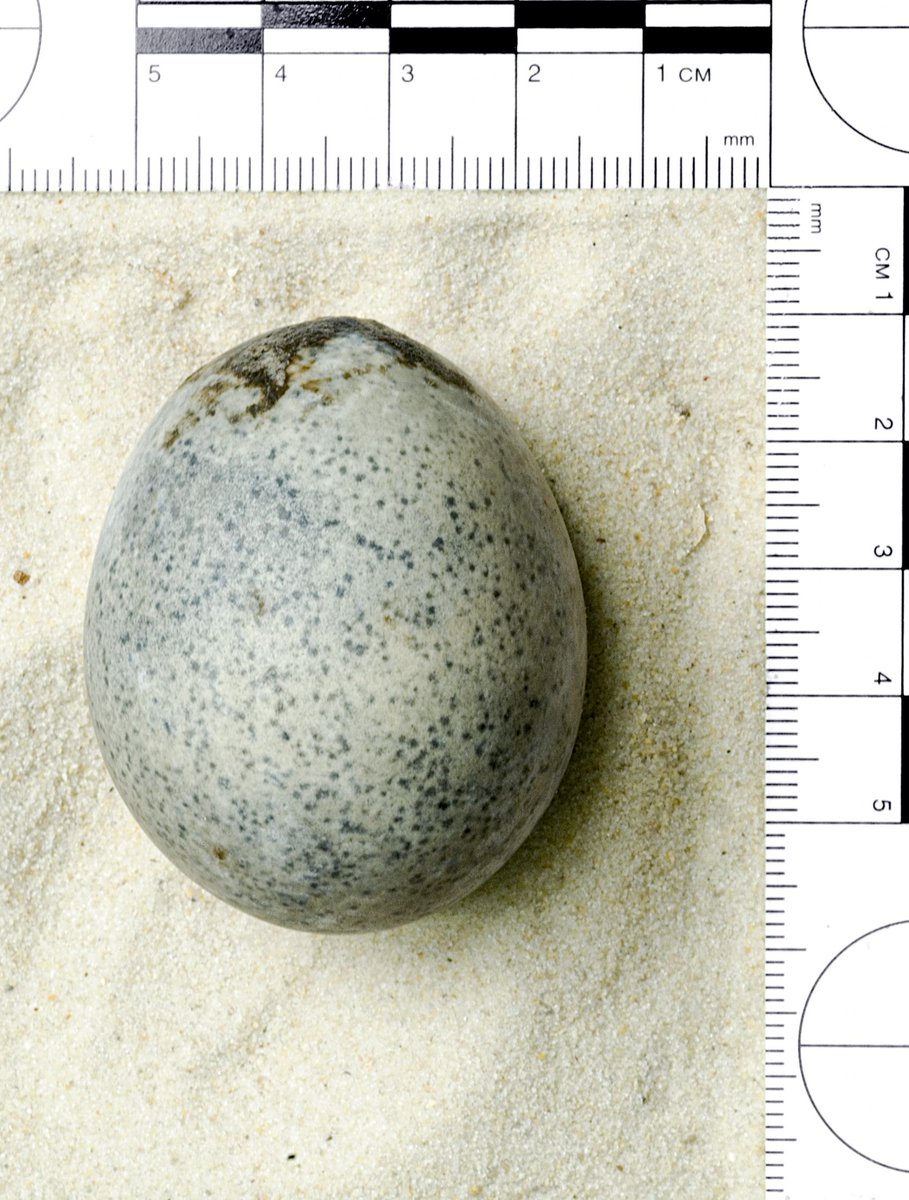
This week's highlight from #OAat50 is one of our most extraordinary finds. Preserved within the wet, muddy layers of a waterlogged pit were four chicken’s eggs. They were discovered in 2010 at the site of a Roman roadside settlement at Berryfields #Buckinghamshire 1/5
Our new overview paper on European #bogbodies is published in @AntiquityJ today! It is based on a large-scale inventory of finds of human remains from #bogs. In this thread I share some main findings. Note that I show some images of human remains. 1/
https://t.co/26GfPQefJ4
Stone Age archaeologist senior researcher position for the National Museum, Copenhagen. It’ll be great with a new colleague in the Prehistory Department! See details here: https://t.co/wLbHa4rVvD