Runologist, epigraphist and archaeologist making a meaning out of broken things and inscriptions. I love my husband and my dog. I also really like dinosaurs.
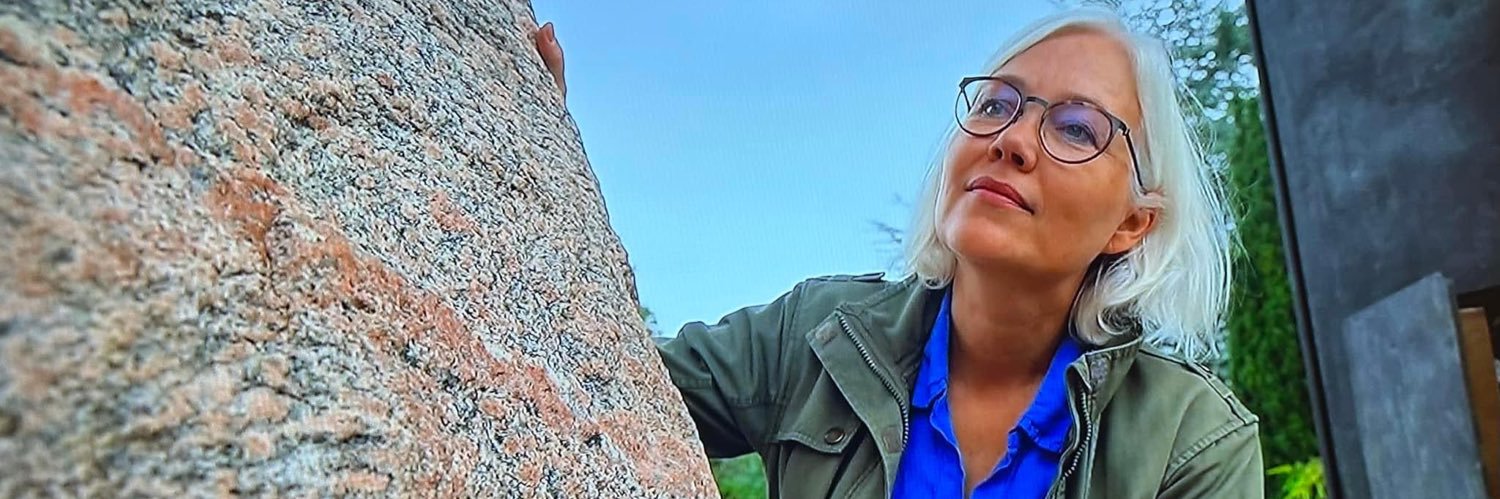
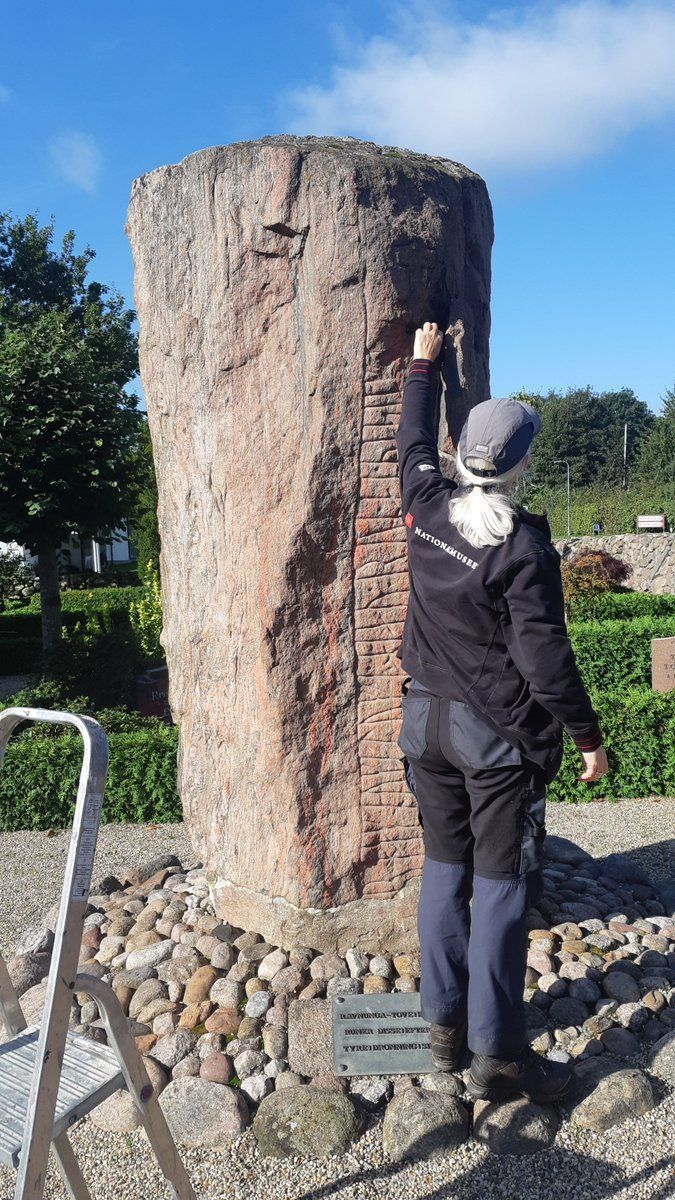
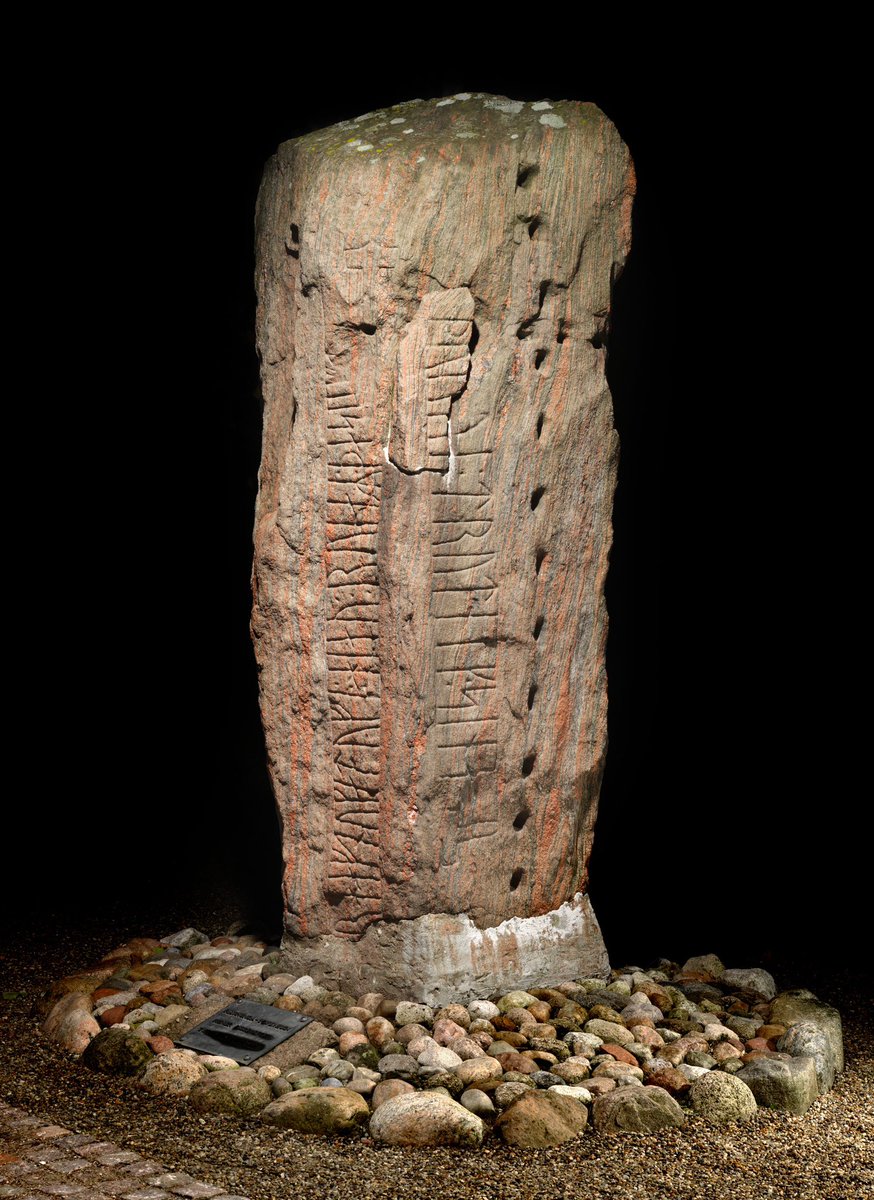
Dr @lisbethimer examining the Læborg Stone, one of several Viking-Age runestones mentioning a women named Thyra.
The Thyra in question was likely a powerful Queen who played a pivotal role in the emergence of the Danish state.
🔗 from 2023 🆓 https://t.co/UalGbW7PgE
Today I taught a runology class where we also talked about spectacular runic finds, and important considerations in communicating about and reacting to news about such finds. A few thoughts.
Today I taught a runology class where we also talked about spectacular runic finds, and important considerations in communicating about and reacting to news about such finds. A few thoughts.
@KristerVasshus Her i byen går ungerne rundt og synger julen ind hos folk d. 22. december. Det synes jeg er en fin tradition, men jeg kender den ikke andre steder fra.
Paper, paper - READ all about it!!! 🥳
"A lady of leadership: 3D-scanning of runestones in search of Queen Thyra and the Jelling Dynasty" by @lisbethimer et al in @AntiquityJ
https://t.co/qhA3P729vy
I have a new favourite runestone: the Læborg stone that Ravnunge-Tue carved in honour of his queen Thyra. Because of his signature and his carving technique on this stone, Laila Kitzler Åhfeldt and I discovered that he also carved the larger Jelling stone.
@markoldham_@NIKUnorway An interesting find. One of these cases where there are fuzzy borders between what we determine as script-like signs and other visual markings. But an interesting attempt at making sense of what one may see within the visual ornament.
Lost in transition: The runic bracteates from the Vindelev hoard. https://t.co/JVAvx72AUI
The academic article @lisbethimer and I have been writing about the runic inscriptions on the Vindelev gold has now been published in the latest edition of NOWELE. 1/6