The decadence of knowledge and its people has reached India; where one celebrates winning against an old writer not well versed in Kalam and then doing reactionary videos. All the while, not working today’s improving the conditions and mentality of Indian Muslims.
Those who help this religion should realize their limitations and not look down on others who may not be as apt as them in a particular field. Words of wisdom from Shaykh Khalid Sayf Allah Rahmani.
It teaches us today to not be so gullible in politics. It also teaches us that save only a handful of scholars will realize these traps and most may fall hook, line and sinker to the policies. Lastly, there's a difference between a scholar and a preacher. (2/2)
Dr. Abd al-Mu'in al-Talfaah has a decent article showing corruption in the Mamluk state (and prior) vis-a-vis taxing and other "well intended" slogan laws. Two centuries and nothing changed (from al-Maqrizi's time to al-Izz). (1/2)
Most of what Sh. حمزة البكري says here is from Bayjuri and Taftazani (from his muqaddima). It is designed as an easy text for teachers to teach and comment at length at will -- should that be necessary. It is easy to understand and avoids complicating the base mas'ala at hand.
يبدو أن من لا يعلّق اليوم في الغرب على كل حادثة ومستجدّ يُعدّ بعيدًا عن واقع الدعوة والمجتمع، حتى أصبح بعض الناس يقيسون قدر العالم بكثرة ظهوره في البث المباشر يوميًا، وبعدد الساعات التي يتحدث فيها.
من مجاهدة النفس في وسائل التواصل أن تسأل نفسك: هل تنشر لأنك تعلم أن الناس سيتفاعلون مع منشورك؟ وهل كنت ستنشره لو قلّ متابعوك؟ فثمة فرق دقيق بين قصد إفادة الناس والحاجة إلى اهتمامهم، وأكثر الناس لا يحسنون التمييز بينهما.
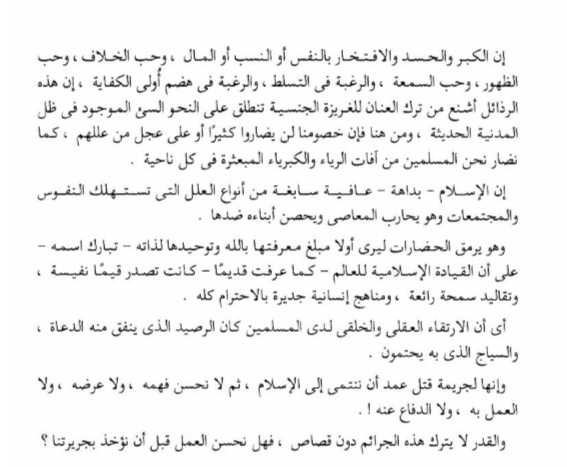
Something to reflect from Sh. Muhammad al-Ghazzali in his هموم داعية; showing the importance of praying 5 times a day, success on a global scale, and self-accountability is connected to communal success ("Ummatic Salvation")
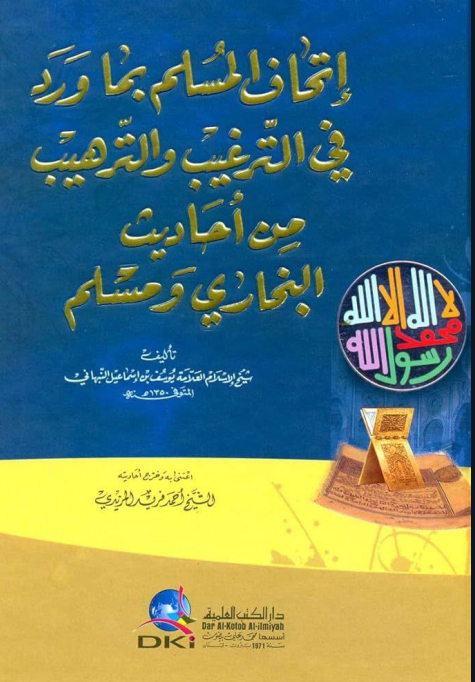
Shaykh Yusuf al-Nabahani's work, إتحاف المسلم بما ورد في الترغيب والترهيب من أحاديث البخاري ومسلم, is also important to have in one's home if they want to limit it to "authentic" without a worry.
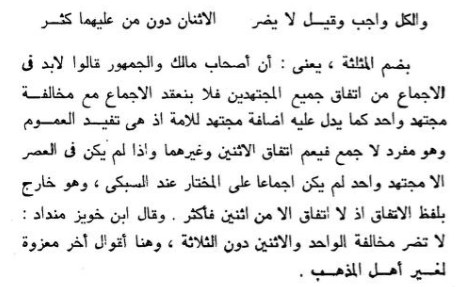
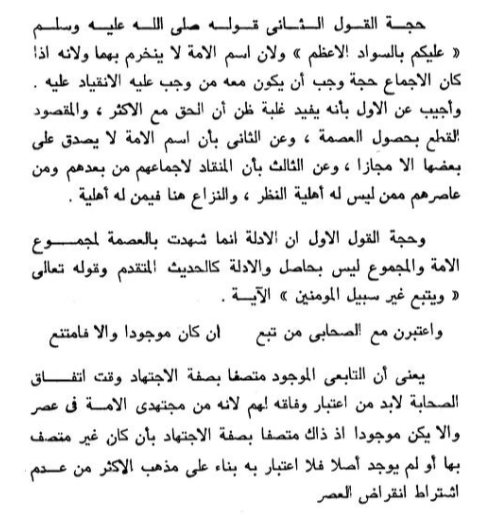
Fāʾidah from Nashr al-Bunūd of Shaykh ʿAbdullāh ibn al-Ḥājj al-Shanqīṭī on ijmāʿ, majority opinion (or agreement), and ghalabat al-ẓann. Case in point: the consensus of the laity is rejected here. Much thanks to Sidi Rashad for sharing this reminder.
@hk1996_ I assume the owner would understand my financial situation and the fact that I’m actually benefitting from the book vs shelving it for spider webs. And I make sure to include a dua for all involved in reviving the work.
I haven’t bought a multi volume Arabic book since Covid; and single volume maybe 3-5 exist — only those I can refer every month to. Most are on pdf and others are doing fard kifaya to preserve them by buying it. Given kindle exists and PDFs roll out each week.
It is part of muru’a and husn al-Islam that a man not publicize or publicly ask Muslims about their past that can be easily looked up by prying sinful eyes. It also aides in ppl moving on; grifting is so deeply rooted that people have to work years to just identify within self
From our dars on Fath al-‘Allam. Note two errors (or three… or I’m bluffing). https://t.co/jG33klrOBa also has the exact error.
Used Ai’s and they all failed miserably and just translated verbatim format as the image.
Another evidence you do need a scholar for these works
@am_awz It still would be fine if the original work is muhaqqaq but if companies can reach an agreement with publishers for latter to share the ms word file it would be much better in results with AI and also bilingual translation
Wanted to check something out about tajwid. Picked randomly. Look how stark the reminder of the ayat is, when the worldly situations are closing in on my stress