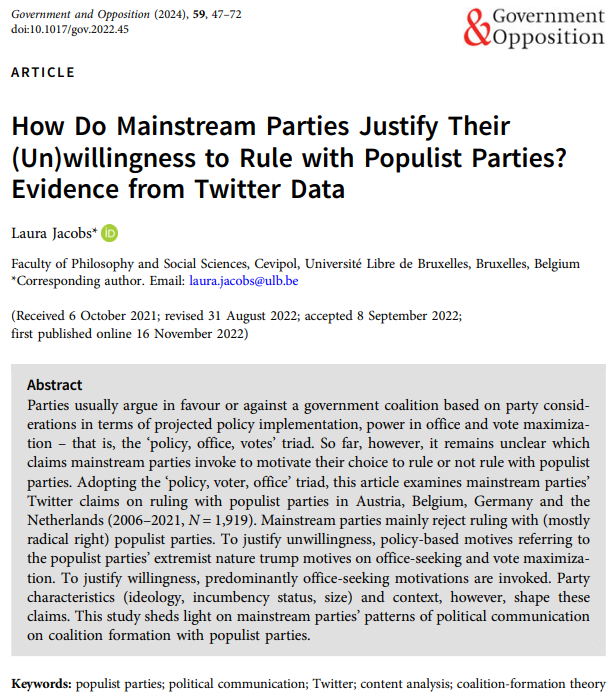
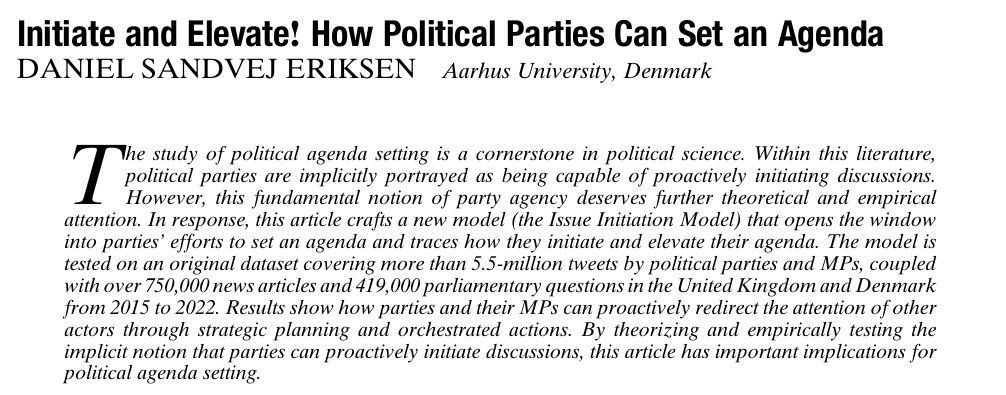
Great to see that my article on mainstream parties' justifications on ruling with right-wing and left-wing populist parties is now also out in print in @govandopp & can be accessed here: https://t.co/Zzp0fWmBrJ
Early experiments on the persuasive power of AI chat systems raised big hopes in political communication: what could be better than letting AI do the hard work of persuading people?
It’s not that simple.
Yes, experimental studies show that AI-generated content can convey information and even change opinions. But these studies usually measure persuasion under forced-exposure conditions. They do not show how people feel about being approached by an AI with persuasive intent.
Findings from a new study with @OuzhouAdi suggest that AI-mediated political outreach does not necessarily help campaigns and may carry negative consequences.
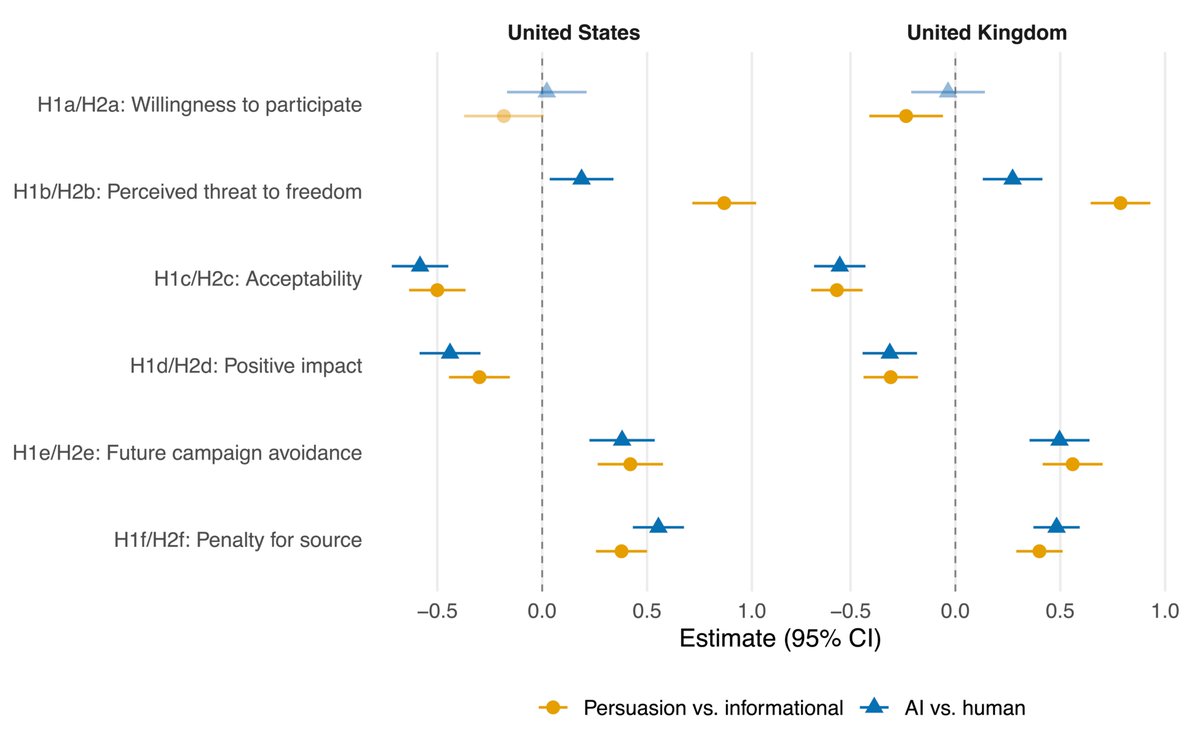
In a preregistered 2x2 experiment in the US and UK (N = 1,800 per country), we test how people react to announced political contact: either from a human campaign volunteer or an AI-mediated system, and in each case with either an informational or persuasive purpose.
We find two clear patterns:
🔸 Persuasion penalty: outreach with explicit persuasive intent is rated more negatively than purely informational outreach
🔸 AI penalty: AI-mediated outreach is rated more negatively than human outreach across almost all outcome variables, in both countries
Importantly, the negative effects of AI-mediated outreach are especially pronounced when the contact is framed as informational. In other words, the costs of AI appear even in contexts that may initially seem more legitimate or less problematic.
The negative reaction also extends beyond the contact itself to the organization behind it, with implications for trust, avoidance, and reputation.
Much of the existing research asks: can AI change opinions?
We ask: how legitimate and acceptable does AI-mediated political outreach appear to people in the first place?
If we focus only on persuasive effectiveness, we risk overlooking the larger costs of deploying such systems.
Working Paper: https://t.co/j3NWrL9sGn
ONLINE FIRST! This article by Laura Jacobs & Peter Van Aelst examines how different media types—social, alternative, and mainstream—indirectly influence #conspiracytheory beliefs through #populist attitudes and misperceptions on divisive issues.
➡️https://t.co/58AvN2BB9P
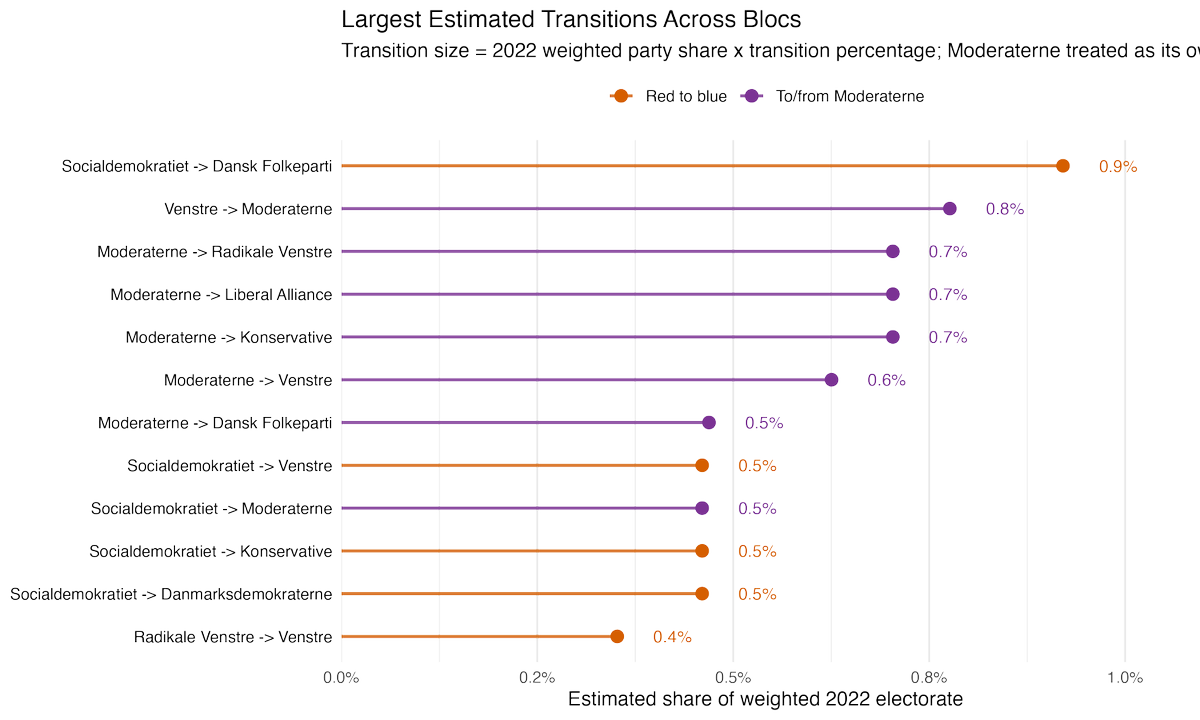
Third: the mainstream left loses votes to the radical right. A familiar pattern reemerged: the single biggest voter movement between blocs was Social Democrats losing voters to the Danish People's Party. (Based on estimates from the final @YouGov poll). (3/4)
@Pdbruyne@jdceulaer@UwDienstwillige Uiteraard, 100% eens. Maar die maatstaf moet inderdaad voor iedereen gelden. Alleen wordt ze sneller bevraagd bij wie geen prof of doctor is. Terwijl ook bij professoren de gevalideerde expertise, via wetenschappelijke bijdragen en impact, steeds kritisch moet worden nagegaan.
@jdceulaer@UwDienstwillige Mijn punt is: expertise hangt niet automatisch samen met positie. Ook PhD's kunnen veel expertise hebben, omdat zij intensief met data & eigen onderzoek bezig zijn. Proffen hebben die vaak, maar niet per definitie; die blijkt uit output & impact in het vakgebied, los van functie
@jdceulaer@UwDienstwillige Wel, publicaties geven wel een indicatie: vandaag prof worden zonder sterke (internationale, A1 peer-reviewed) output, toch een gangbare maatstaf voor expertise en impact, is vrijwel ondenkbaar. Dat lag pakweg 15–20 jaar geleden anders, al zijn er verschillen tussen vakgebieden.
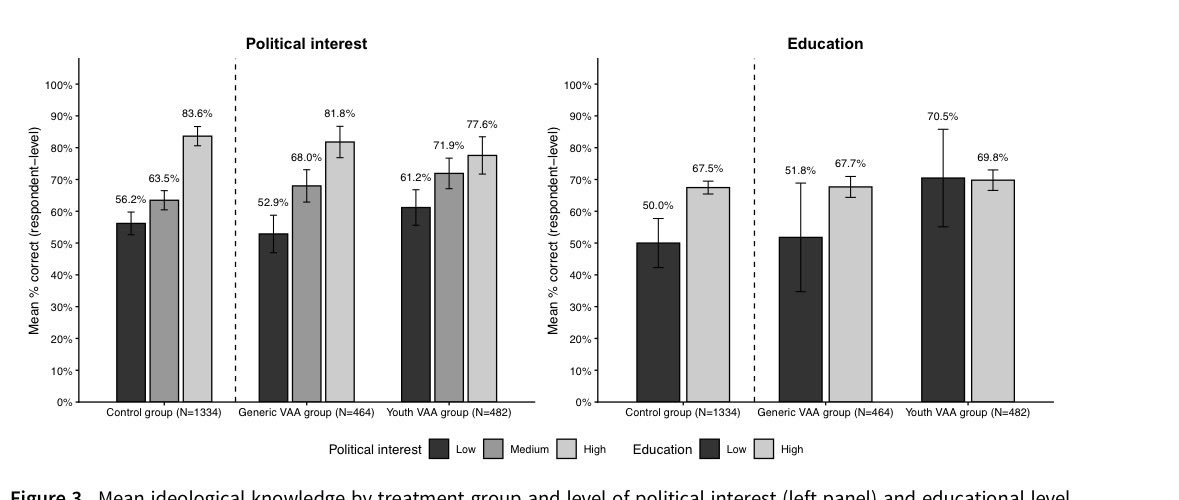
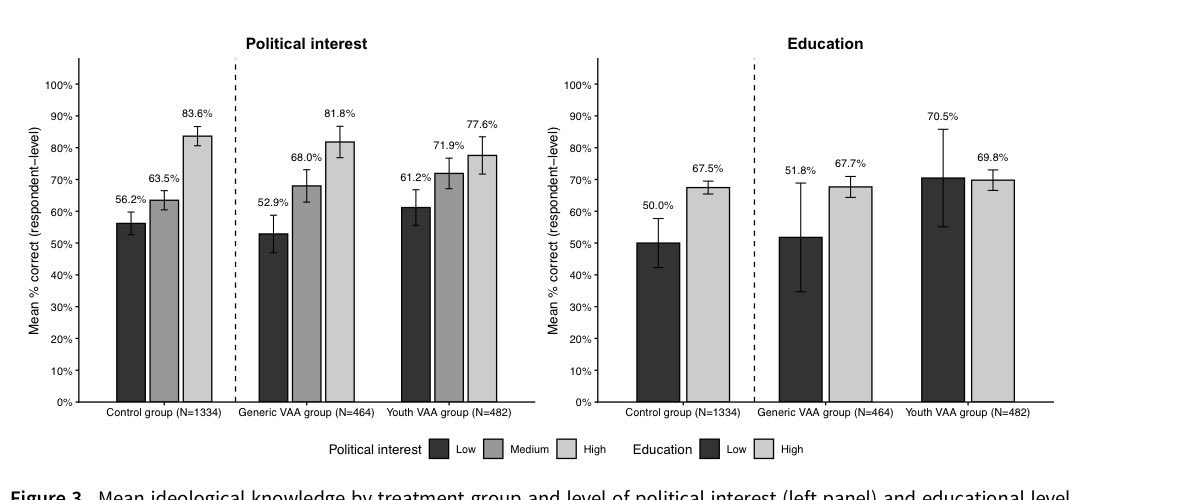
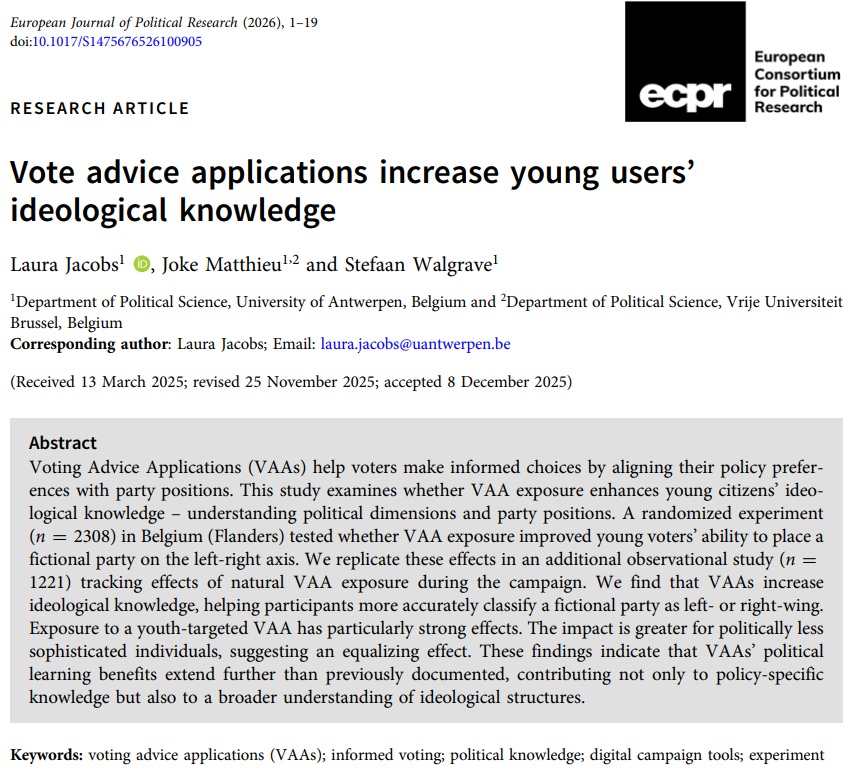
Belangrijk: de impact is sterker bij politiek minder geïnformeerde jongeren. Dat verkleint de kloof in kennis en helpt jongeren ideologische verschillen beter te begrijpen.
🗳️📷 Maken deelname aan stemtesten jongeren politiek geletterder?
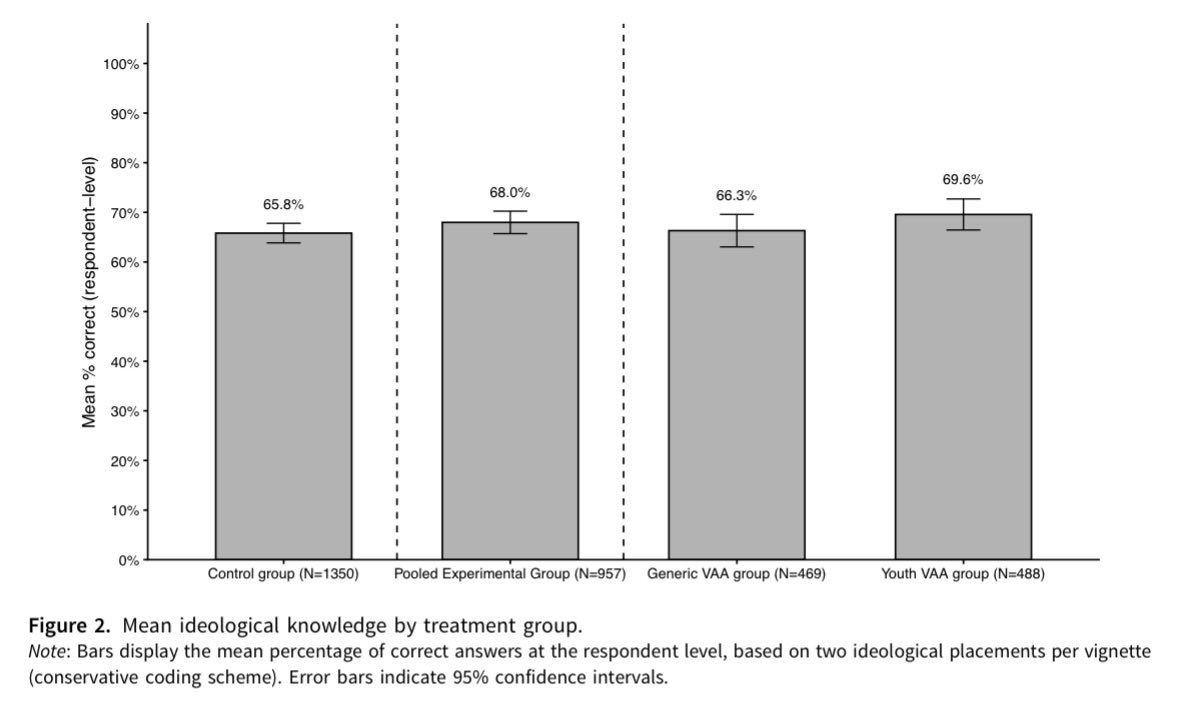
Onze nieuwe EJPR-studie (met Joke Matthieu & Stefaan Walgrave) o.b.v. data over de 🇧🇪 verkiezingen in 2024 toont dat ze de ideologische kennis versterken — sterker dan eerder aangetoond.
https://t.co/dp6KsguvUE
Importantly, the impact is greater for politically less
sophisticated individuals, suggesting an equalizing effect. This indicates that VAAs’ political
learning benefits extend further than documented, contributing also to a broader understanding of ideological structures.
🗳️📷 Do Voting Advice Applications (VAAs) make young voters more politically literate? Our new EJPR study with Joke Matthieu & Stefaan Walgrave finds they boost ideological knowledge, more than previously documented.
https://t.co/dp6KsguvUE
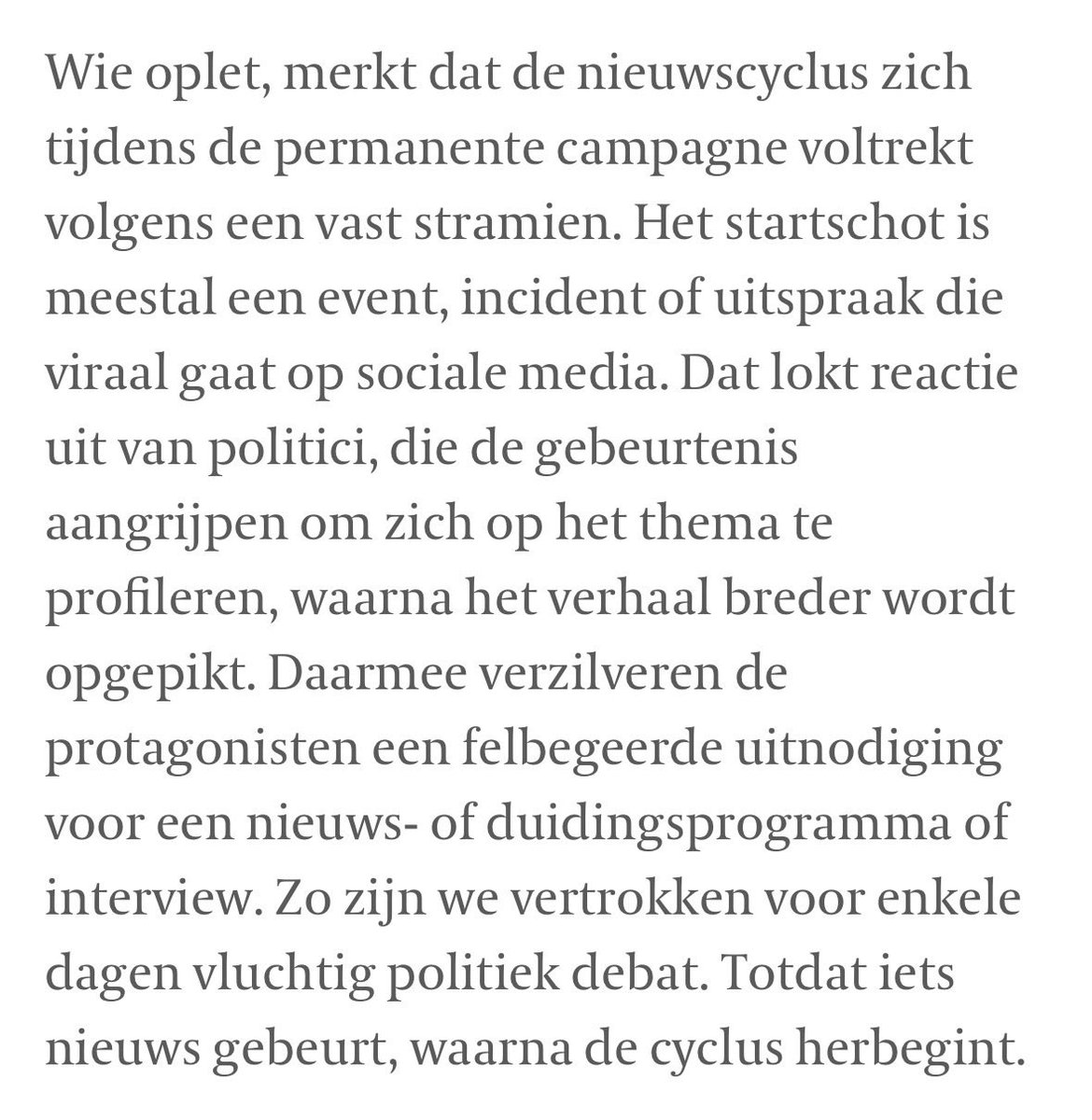
Elke dag, de politieke actualiteit samengevat, volgens een goed geolied draaiboek: incident / uitspraak → reacties andere politici→ talkshows → volgende incident. (Hier uit mijn opinie voor De Tijd tijdens de campagne in 2024) …
https://t.co/3MxHmJwGgg
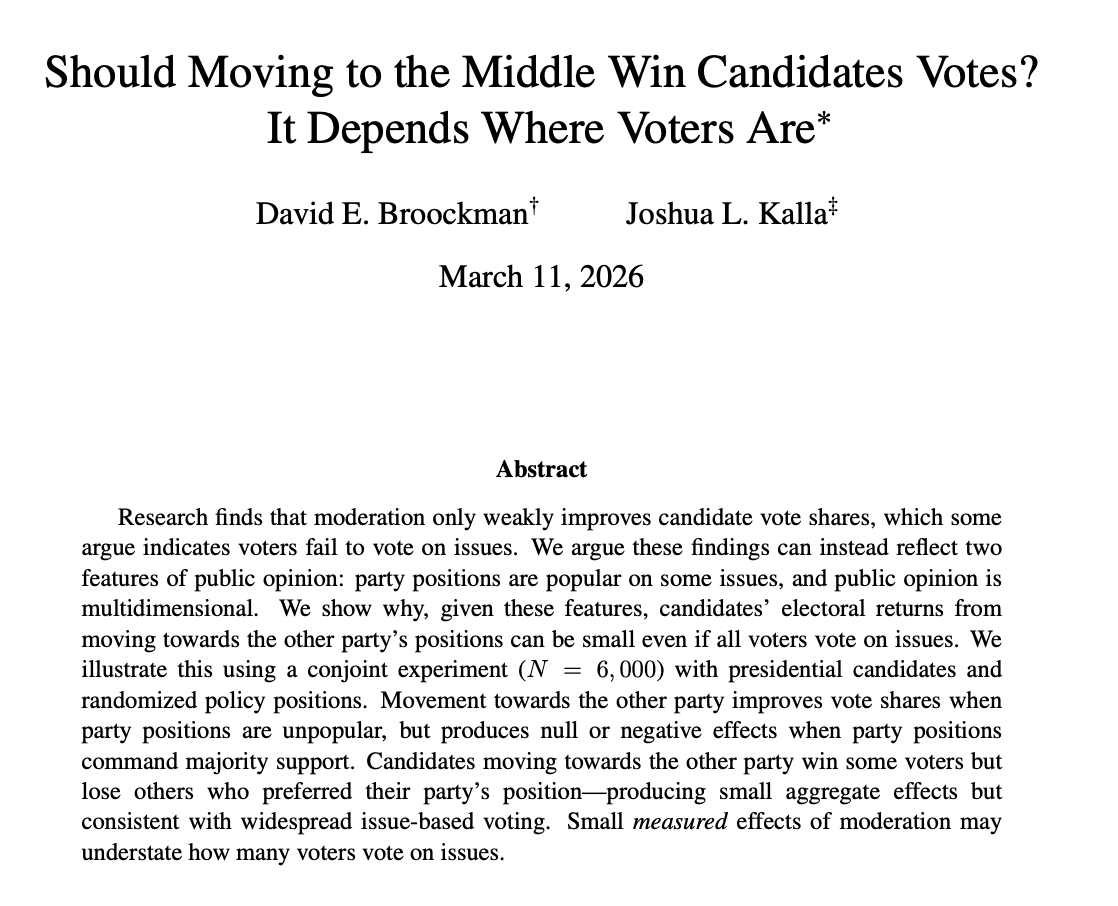
New short paper w @j_kalla!
Candidates gain from moderation, but less than many theories expect.
Many conclude voters must not care about issues.
This is wrong. Small *average* effects mask large effects on specific issues & are consistent with widespread issue-based voting 🧵
🗳️📷 Do Voting Advice Applications (VAAs) make young voters more politically literate? Our new EJPR study with Joke Matthieu & Stefaan Walgrave finds they boost ideological knowledge, more than previously documented. https://t.co/VV5tqIuvBn