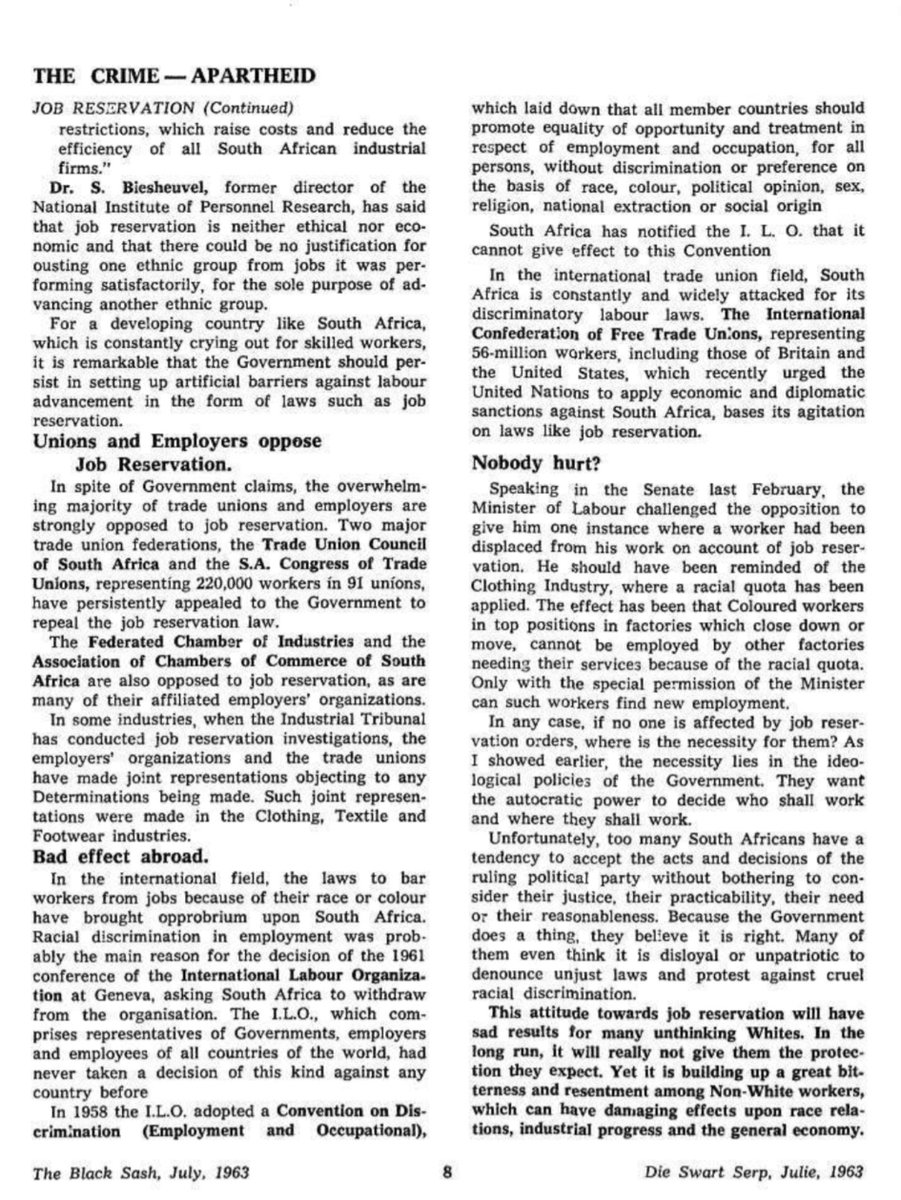
The Industrial Development Corporation (IDC) allocated R37.3 billion to black-owned businesses and R5.4 billion to white-owned businesses.
This was revealed by the Minister of Trade, Industry and Competition, Parks Tau.
In the 2026 financial year, the IDC approved 22 start-up transactions worth R2.9 billion, with an anticipated 5,555 jobs to be created.
GENTLY MOISTURISES WHILE HEALING AND SOOTHING THE SKIN:
New skin repair cream made from uFudu lweNtaba plant🌿 for eczema, psoriasis, skin cancer, acne, wounds, burns, ulcers, blisters, insect bites, hyperpigmentation, blemishes, chubaba, nappy rash, and wrinkles. Helps maintain clean, healthy, revitalised skin and promotes healthy blood circulation. Environmental friendly. For more dm.🍃🫶🏽
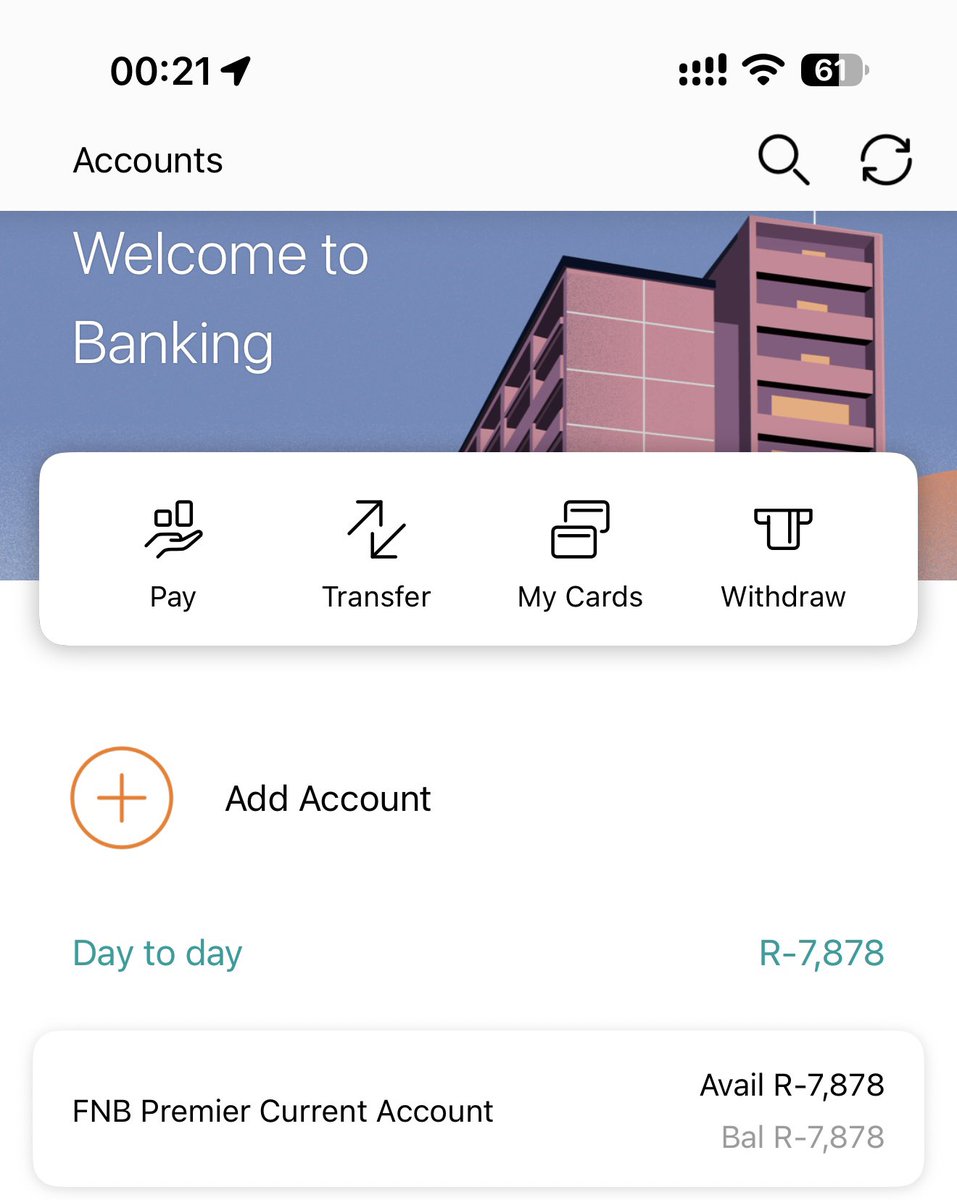
Fnb is the biggest scam in the entire world! I am glad people are waking up to see them for who they are! Tell me why after branch visits, private banker calling, emails to CEO of Pvt bank telling you all is sorted but you still have -7K @FNBSA and am not the alone!
R500 million in promises.
That is what it took to reverse a regulator's decision. The Competition Commission said no. The parties said R500 million in capex. 150 stores. 1,250 jobs for HDPs. R120 million in payroll. 5% employee ownership.
The Commission said no again.
Then the parties offered more. And the Tribunal said yes.
Okay. Let me walk through what actually happened.
Grand Parade Investments is a JSE-listed empowerment company. 68.56% HDP ownership. 22.87% held by black women. It owned Burger King South Africa - about 90 outlets plus a meat processing plant.
GPI wanted to sell. The buyer was Emerging Capital Partners - a US-founded, Africa-focused private equity fund.
The Competition Commission ran the numbers. No substantial lessening of competition. The deal did not create a monopoly. It did not reduce rivalry.
But HDP ownership would fall from 68% to zero.
That alone was enough. Section 12A(3)(e) of the Competition Act says mergers must promote a greater spread of ownership among historically disadvantaged persons and workers. The Commission used it to prohibit a deal that did not harm competition.
Who benefits.
The Commission's supporters say transformation goals cannot be traded away in an exit. If a black-owned company sells to a foreign fund, the BEE ownership disappears. That is a loss. The state has an interest in preventing it.
But look at the flip side. GPI is black-owned. The shareholders wanted to realise value. That is how empowerment works - you build something valuable, then you exit with a return. If exit is blocked, the incentive to build disappears.
The decision punished a black-owned seller for doing exactly what empowerment is supposed to enable.
Who loses.
GPI's share price fell sharply after the prohibition. The market priced in the reality: if you are a high-BEE company, you cannot sell without the regulator's permission. Your exit is not your decision. It is a public-interest test.
Foreign capital takes note. If your return depends on a regulator's approval of your ownership structure, the risk premium goes up. Deals get priced out before they reach the filing stage.
The remedy.
The parties came back with conditions. Capex commitments. Store expansion. Job creation targets. Employee share ownership. Divestiture of the meat plant.
The Tribunal approved it.
But think about what this means. The parties did not change the ownership outcome. HDP ownership still falls to zero. What changed is the price tag attached to the exit.
The Commission did not say "you cannot sell." It said "you can sell, but you must buy your way out with R500 million in promises."
The uncomfortable truth.
This is not a bug. It is a feature. The 2018/2019 amendments to the Competition Act explicitly added public-interest grounds beyond market power. Ownership dilution is now a regulatory harm.
That creates a paradox. The higher your BEE score, the harder it is to exit. A 100% white-owned company can sell without this scrutiny. A 68% HDP-owned company cannot.
The Commission sees itself as protecting transformation. But what it actually protects is the appearance of transformation - the BEE percentage on paper - while making it harder for black owners to realise the value they built.
That is not transformation. That is a lock-in.
The question is not whether BEE ownership matters. It does.
It is whether a regulatory system that blocks black owners from exiting is empowering them - or trapping them.
To all schools in South Africa that offer Coding & Robotics... Let's make it easy! 🇿🇦🤖
Struggling to get your hardware projects up and running? Skip the stress of broken code. I supply complete, working Arduino sketches and wiring support for classroom-ready robotics builds! 💻
🔌Whether you are a teacher prepping a lesson or a student working on a project, I’ve got the code you need.
📥 Text/DM me right now to get premium access to project sketches and expert guidance! Let's get building! 👇
Call - 067 489 5678.
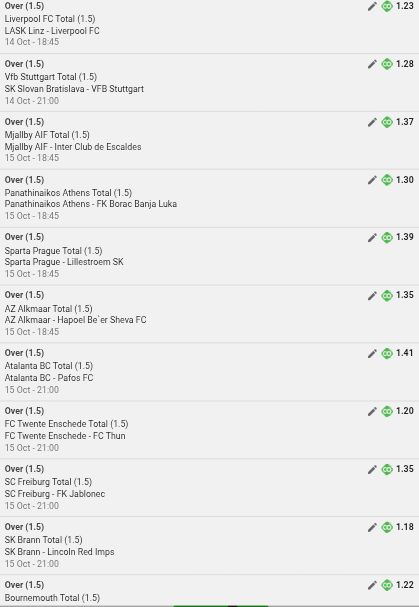
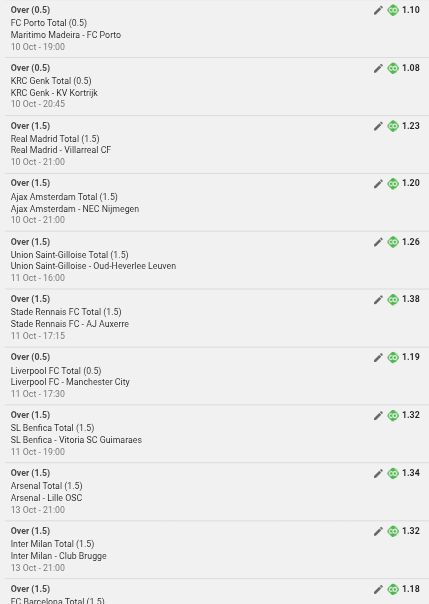
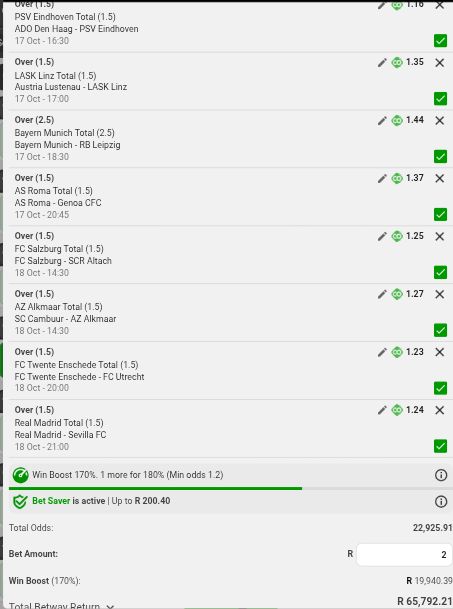
Team total goals🔥⚽🚂🇿🇦💰📍
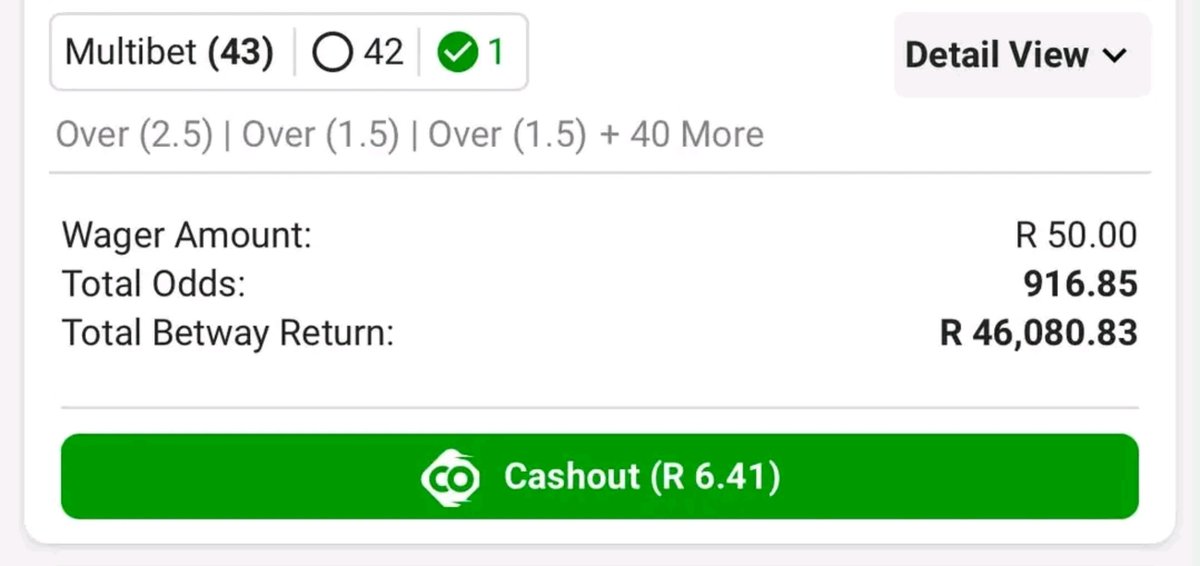
Stake R2 potential win R65 000💰📍
📍Betslip code:
BW75DA4BC1
We keep going♥️
https://t.co/mqFFP6fU9v I just placed a bet with Betway. Tap here to copy my bet or search for this booking code in the Multi Bet betslip BW75DA4BC1
This kind of breed you don't just meet quiet often...yeh to some of you gents she might be something else but listen to how she speaks,she's realistic more than your learned bimbo gf that speaks English through her nose!!!